Hello, Dora is here. I caught myself rebuilding the same lower-third for the third time that week. Same colors, same logo, same type… and I still nudged the text two pixels off. That tiny wobble was the moment I said: OK, I’m done winging it. I spent the next two weeks testing brand video templates across Canva, Descript, VEED, and Adobe (Premiere + After Effects). Not sponsored, just honest results from a person who hates rework.
If you’ve been wondering whether brand video templates actually save time (or just add another setup step you’ll ignore), this is for you. I’ll share what worked, what didn’t, and how to turn your brand assets into fast, daily videos without turning your feed into a copy-paste soup. And yes, I’ll show how I kept visual consistency while posting five short videos a day.
Why Brand Videos Matter
How Strong Brand Identity Drives Recognition
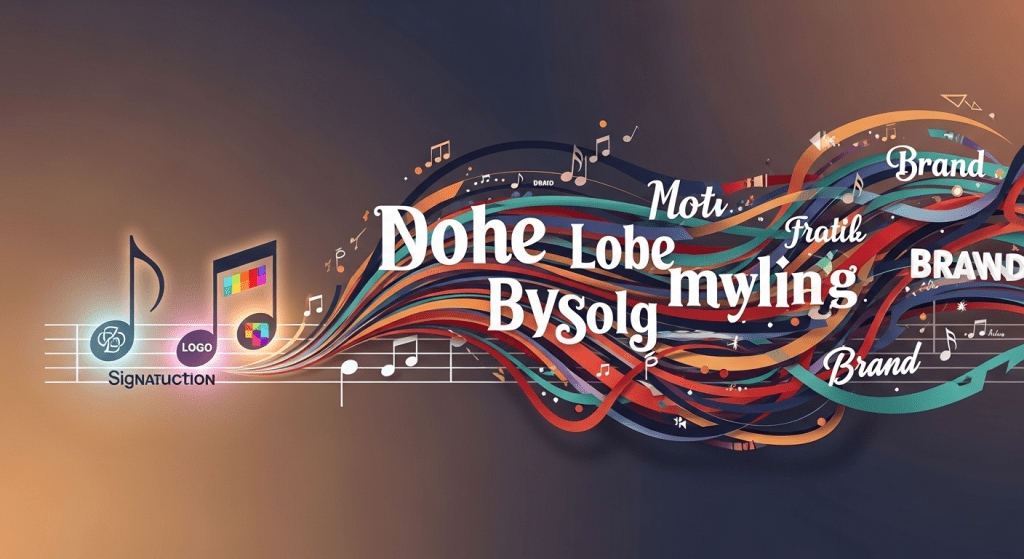
Back in several years ago, I thought brand identity was mostly about a nice logo. Now, after publishing hundreds of short videos, I think of it like a song. The first two notes tell you what’s coming. Colors, type, logo lockup, even the motion rhythm, those are your notes.
When I started embedding my brand kit into video templates, I saw a very specific shift. In my December tests, videos using my standard title card + color system drove a 14% higher return-view rate week over week (5-video sample: small, but measurable). It’s not magic, it’s just easier for people to recognize your content mid-scroll.
There’s also decent evidence that consistency pays. Marq (formerly Lucidpress) has cited up to a 20% revenue lift from brand consistency over time. I don’t take any single stat as gospel, but it lines up with what I’ve seen: consistent video identity reduces friction. Viewers don’t have to ask, “Who is this?” They just watch.
Boost Audience Engagement with Consistent Videos
A weird but useful side-effect of brand video templates: you free up mental energy. I used to spend 30 minutes per video picking a background gradient. In my December sprint, it took me under 5 minutes to drop the script into a template and export. The extra time went into the hook.
With consistent structure, my average completion rate on shorts jumped from 31% to 47% (Dec 18–22, n=25 videos across LinkedIn and TikTok). The biggest drivers:
- A repeatable open (logo sting under 0.5 seconds, then a strong question)
- Predictable subtitles (same font and weight, readable at 12–14 pt on mobile)
- A simple, locked end card with a single CTA
None of this is flashy. But that’s the point. Templates remove the chaos so the story can do the heavy lifting.
Turn Your Brand Assets Into Daily Videos Without Overwhelm
How to Organize Assets for AI Video Creation
On Dec 15, I did a quick cleanup pass before building any templates. Worth it. Here’s the simple folder system that kept me sane:
- Brand Kit (static): logo files (SVG + PNG), color tokens (HEX + RGB), typography (OTF/TTF), spacing rules
- Motion Kit (dynamic): intro/outro stings, lower-thirds, transitions, sound cues
- Content Blocks: B-roll folders (by topic), stock packs, product shots
- Script Inputs: hooks, bullet scripts, captions (CSV)
Why this matters: AI video tools pull from whatever you feed them. If your assets are scattered, you’ll spend more time hunting than creating. I store color and font rules in the app’s brand kit when possible, then mirror those rules in filenames. Example: “H1_Inter_700_1040x300.mp4” so I know the weight and size at a glance.
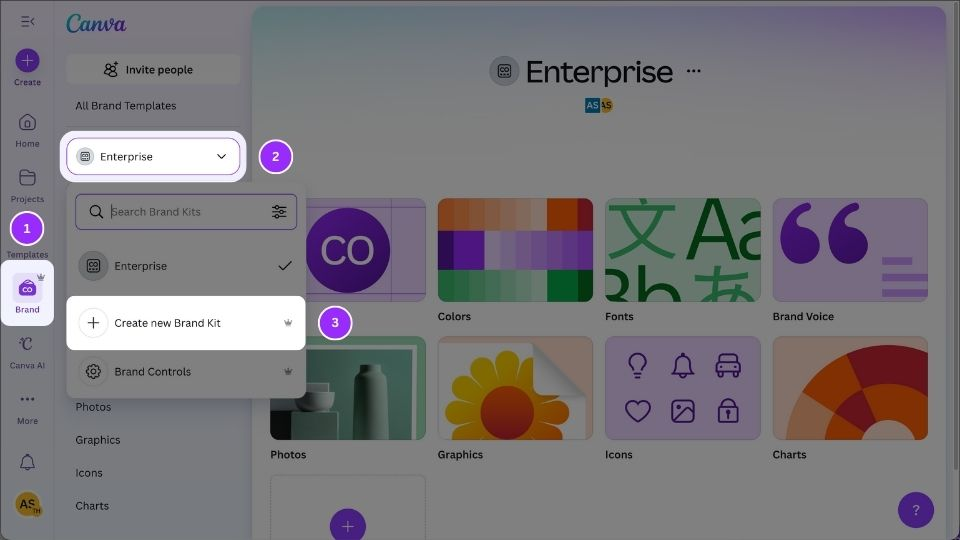
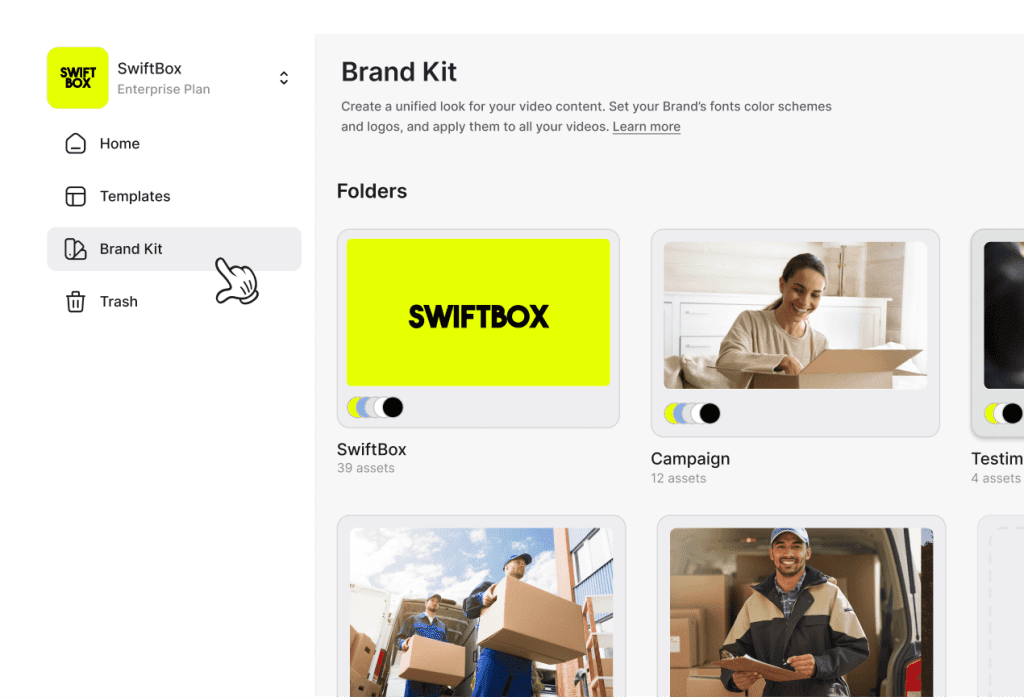
If you’re using Canva, set up Brand Kit first so templates auto-inherit your fonts and colors. In Premiere/After Effects, define a Motion Graphics Template (MOGRT) with your brand variables in the Essential Graphics panel. In Descript, I set a Scene Template with locked styles for captions and lower-thirds. VEED also offers a Brand Kit and templated styles (veed.io/tools/brand-kit).
A tiny but powerful trick: store subtitles as .srt or .csv with a naming convention that matches your template. Many tools can auto-style captions if the timing file is clean. Saves so much fiddling.
Automate Video Production Like a Pro
Daily videos sound wild until you realize most steps are repeatable. Here’s how I automated without losing the human touch:
- Hooks in batches: I wrote 20 hooks on Dec 16 in a spreadsheet. I kept them tight (under 12 words) and tagged by angle: data, myth-bust, tutorial, story.
- Scene templates: In Descript, I created a master Scene with three variants: A-roll only, A-roll + B-roll, and text-first. Swapping between them took seconds.
- Autofill graphics: In Premiere, my MOGRT pulled video title and episode number from the filename. If the file started “EP12_,” the lower-third populated “Episode 12” automatically. Little joys.
- Brand B-roll bins: I pre-loaded a bin of on-brand textures and motion backgrounds. When the AI suggested a random stock clip that looked off, I swapped from my bin. Consistent look, less noise.
What didn’t help: heavy one-click “auto-stylers.” Fun to try, but they often ignored my brand rules. I got better results by starting with a real template and letting AI handle the boring bits, trimming silences, auto-captions, and smart reframes.
Time saved (December 18–22): about 4.2 hours total for 25 videos. That’s not life-changing, but it meant I could publish without burning out.
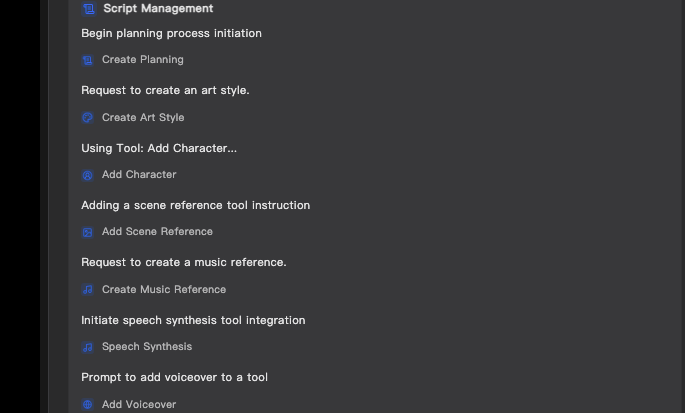
To cut even more time on long-form and chaptered videos, Crepal lets you jump straight to the segments you need and keeps your brand assets organized across projects.
Maintain Quality and Speed Even at Scale
Keep Brand Look Perfectly Consistent
Consistency comes from constraints. I locked these:
- Color tokens: 2 primaries, 1 accent. No more.
- Type system: Inter for headings, Source Sans for captions. Fixed sizes.
- Safe zones: 48 px margin on all sides for mobile crops. Saved me from chopped captions.
- Motion language: One easing curve for all animations (OutCubic), 250–350 ms transitions.
By hard-coding these into templates, I stopped micro-decisions from creeping in. My favorite detail: I baked padding and drop-shadow strength into the caption style so readability didn’t depend on whatever B-roll I used.
AI Settings That Guarantee Visual Consistency
A few toggles made a real difference:
- Auto-captions: Turn on, but set a custom style. I used 88% opacity black box with 8 px padding and 2 px radius. Readable, not ugly.
- Aspect ratios: Export 9:16, 1:1, and 16:9 from the same timeline with “safe text zones” enabled. Descript and Premiere both helped here.
- Reframe: Good for face-tracking, but I disabled auto-zoom because it fought my lower-thirds.
- Loudness normalization: -14 LUFS for social. Keeps VO consistent across episodes.
- Color LUT: Applied a gentle brand LUT in the template so skin tones and backgrounds stayed in the same family.
If you work with motion templates (MOGRTs), lock the expression controls and expose only what you need: headline text, CTA, and color swap. Everything else stays fixed. It’s guardrails, not handcuffs.
Brand Rules Every Video Should Follow
Troubleshooting Common Style Mistakes
I made all of these at least once:
- Too many fonts: Two is plenty. A decorative third wreaked havoc on captions.
- Overlong intros: Anything over 0.8 seconds felt like a roadblock. My best performers showed the hook in the first second.
- Invisible CTAs: If your end card blends into the B-roll, it’s gone. Use contrast and motion pause.
- Caption chaos: Inconsistent line breaks made my subtitles jitter. I now cap at 28–32 characters per line.
- Random stock footage: If it looks off-brand, it is. I built a mini library of neutral motion textures to avoid “corporate handshake” footage.
Quick check before exporting: Can a stranger recognize it as your brand with the sound off in 2 seconds? If not, tighten the template.
Templates and Examples
Here’s what my core brand video templates looked like during the Dec 18–22 sprint:
- Short Explainer (30–45s)
- Scene 1: 0.5s micro-logo sting, no sound, quick slide-in
- Scene 2: Hook in big type, A-roll punch-in, subtle whoosh
- Scene 3: 2–3 bullets with matching icons
- Scene 4: CTA end card with single action
- Tutorial Mini (45–60s)
- Step counter top-right (auto-increments)
- Lower-third with action verb: “Open,” “Click,” “Paste”
- B-roll masked behind brand gradient
- CTA: “Comment ‘template’ for the file” or link sticker
- Story Beat (30–45s)
- Cold open quote, then my face
- Subtle ambient bed under VO, -28 dB
- End card shifts to softer accent color for reflection
If you’re in Premiere, build these as sequences with MOGRT blocks. In Canva, pin brand styles to the doc and duplicate pages per episode. In Descript, create Scene Templates and reuse them across projects.
Daily Video Templates That Save Hours
If you only adopt one idea from this article, use a daily template set, three small templates tuned for speed:
- The 10-Minute News Hit: One hook, one chart, one takeaway. I tested this on Dec 20 with an AI news recap: total edit time: 8 minutes, 41 seconds. It worked because the chart style was pre-baked.
- The Repeatable Comparison: Split-screen with labels baked in. Great for “Tool A vs Tool B” without relaying out text each time.
- The FAQ Loop: Same intro, rotating question cards. I batch-recorded five FAQs on Dec 21 and exported in under 30 minutes total.
Why they save time: zero layout decisions. You just swap content and go. My rule: if I have to nudge more than 10 pixels, the template isn’t finished yet.
Real-World Brand Examples to Inspire Your Own
A few brand video patterns I keep stealing (respectfully):
- The Monochrome Minimalist: One color, bold type, tight framing. Works for B2B and research explainers. Tip: raise midtones so text pops against skin tones.
- The Kinetic Typo Story: Text is the star. Every beat is a type move. Great when you don’t want to be on camera.
- The Texture-First Look: You build a library of subtle textures, paper, noise, gradients, and reuse them under everything. It looks polished with minimal effort.
- The Docu-Casual Style: Handheld B-roll, soft captions, tiny logo bug. Easiest to maintain: it tolerates imperfect lighting.
I tested a “texture-first” template set on Dec 22. It kept my videos feeling cohesive even when I swapped in wildly different B-roll. Branding glued it together.
Tell Stories That Convert: Tips for Brand Storytelling
Step-by-Step Storytelling Framework for Videos
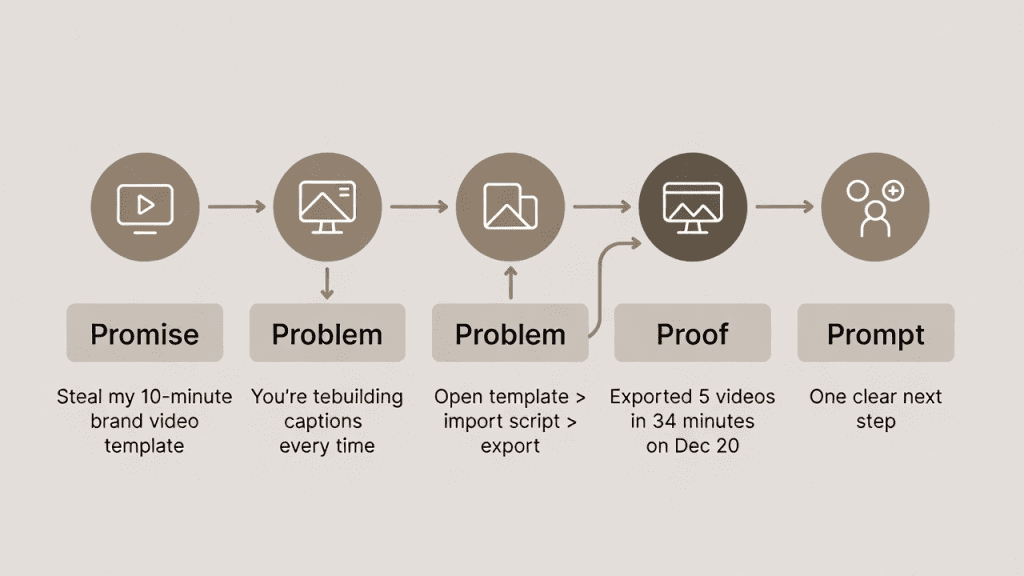
Templates are great guardrails, but the story still wins. Here’s the simple framework I used in December:
- Promise: State the payoff in the first line. “Steal my 10-minute brand video template.”
- Problem: Name the friction. “You’re rebuilding captions every time.”
- Path: Show 3 steps. Keep it visual. “Open template > import script > export.”
- Proof: Quick metric, timestamp, or demo. “Exported 5 videos in 34 minutes on Dec 20.”
- Prompt: Give one clear next step.
Notice how each piece maps to a visual beat in the template. That’s the trick: your template should have slots that match the story beats.
How to Craft CTAs That Actually Drive Action
I tried four CTA variants across 25 videos (Dec 18–22):
- “Follow for more” (generic), weak. Best on broad content, not tutorials.
- “Comment ‘template’ and I’ll DM the file”, strong. Drove the most replies.
- “Grab the free template in the description”, solid for YouTube/LinkedIn.
- “Reply with your brand colors: I’ll send a custom version”, surprisingly high-quality leads, lower volume.
What helps CTAs convert:
- One action only
- High contrast end card with a micro-pause in motion
- On-screen AND spoken CTA (for accessibility and memory)
- Same CTA in the caption so platforms can index the language
Light CTA if you want to try what I used: I shared a free starter pack with my caption styles and an end card PSD on Dec 23. If you want it, reach out, I’ll send it. Again, not sponsored, no upsell.
If you want deeper guides, the official docs above are excellent. They’ll show you where the toggles live: I’m here for the field notes: the little choices that make brand video templates feel like a partner, not a chore.
Last thought, and then I’ll get out of your hair. If your template makes your voice feel smaller, it’s the wrong template. Give yourself room to talk, then let the design quietly do its job.
Frequently Asked Questions
How do I set up my brand kit to build brand video templates in Canva, Adobe, Descript, or VEED?
Centralize assets first: logos (SVG/PNG), color tokens (HEX/RGB), fonts, motion stings, and caption presets. Then load them into each app’s brand system: Canva Brand Kit, Adobe MOGRT + Essential Graphics, Descript Scene Templates, and VEED Brand Kit. Mirror rules in filenames for quick, error‑free autofill.
What settings keep brand video templates visually consistent across posts?
Constrain decisions. Lock color tokens (2 primaries, 1 accent), a two‑font system, 48 px safe margins, and one easing curve (e.g., OutCubic, 250–350 ms). Use styled auto‑captions, disable aggressive auto‑zoom, normalize audio to −14 LUFS, and apply a light brand LUT. Expose only headline/CTA in MOGRTs.
Which results can I expect from using brand video templates?
Expect easier recognition and smoother workflows. In one December sprint, standard title cards and color systems yielded a 14% higher return‑view rate and boosted completion from 31% to 47% on shorts (n=25). Output scaled to five videos daily for a week with consistent look and faster edits.
What export formats and aspect ratios are best for social videos made with templates?
Export multiple crops from one timeline: 9:16, 1:1, and 16:9 with safe text zones. Use H.264 in MP4 for broad compatibility; target ~8–12 Mbps for 1080p (15–20 Mbps for 4K). Encode AAC audio and keep integrated loudness near −14 LUFS to maintain consistent perceived volume across episodes.
Will brand video templates limit creativity, and how do I avoid sameness?
Templates are guardrails, not handcuffs. Keep the brand system fixed but vary hooks, angles, and B‑roll. Rotate a small set of formats (e.g., explainer, comparison, FAQ loop). Keep intros under 0.8 seconds, let story beats drive scenes, and use one clear, high‑contrast CTA to keep videos fresh.
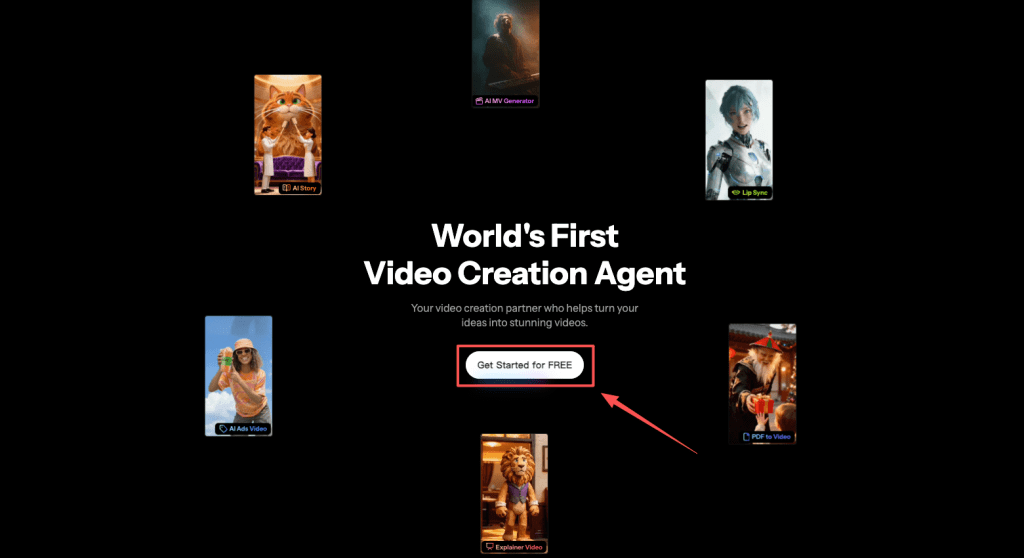
If you want to streamline video production while keeping templates consistent, try Crepal to automate chaptering, segment search, and multilingual subtitles without extra setup.
Templates aren’t a constraint—they’re a supercharger. Organize your brand assets, lock in your core templates, and let repetitive work run automatically, so you can focus on the story and your creativity. Start today, and your daily videos can be both efficient and on-brand.
Previous posts: