I kept seeing “HeyGen vs Synthesia 2025″ pop up in my feeds, and honestly, I wondered if either would actually help me make decent presenter videos or just give me another uncanny-valley robot smiling through my script. So I did what any curious, mildly skeptical creator would do, I tested both back-to-back on real projects: a product explainer, a quick training module, and a couple of multilingual clips to see how far they could go before cracking.
Here’s what actually mattered once I got past the shiny landing pages.
HeyGen vs Synthesia 2025 — Which Is the Best AI Presenter Tool?

Avatar Realism, How Human-Like Are the AI Avatars?
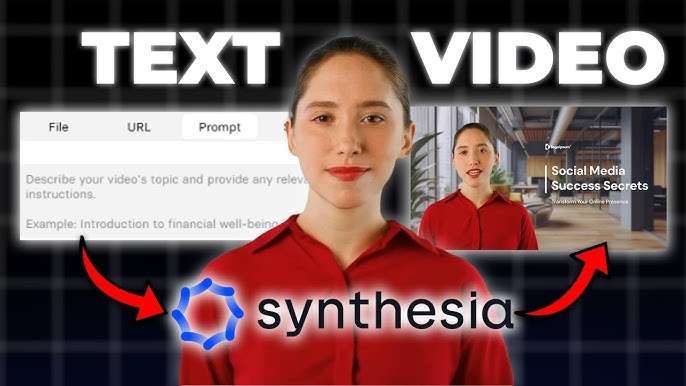
I went in expecting Synthesia to win this outright because they’ve been at it longer. But in 2025, it’s closer than I thought. Synthesia’s flagship avatars still feel consistent and professional, great for corporate training and explainers. The facial motion is stable, lip-sync is clean, and there’s a “trustworthy presenter” vibe. It’s a bit polished, a bit safe.
HeyGen, on the other hand, surprised me with variety and a touch more energy in certain avatars. Some of their newer models have better micro-expressions, tiny eye blinks, subtle head tilts, that make short talking-head segments feel less stiff. Not all of them land: a few still have that “too smooth” mouth movement. But when you pick a good HeyGen avatar and stick to tight cuts, it can look almost broadcast-ready.
My field note: for face-centric scripts under two minutes, I’d lean HeyGen for realism and expression. For longer scripts or more formal content where consistency beats charm, Synthesia is still the safer pick.
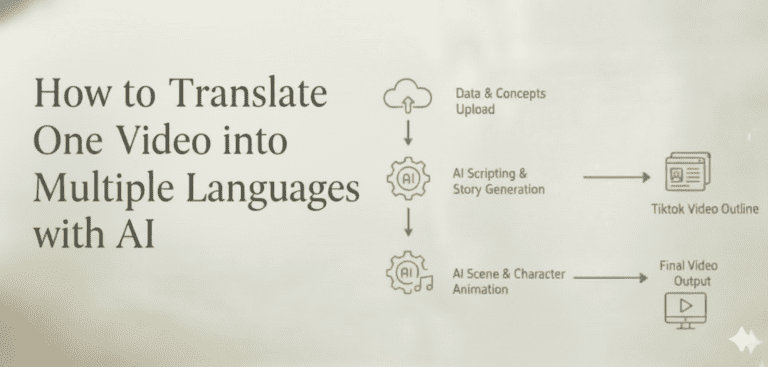
Multilingual Support, Creating Global, Multilingual AI Videos
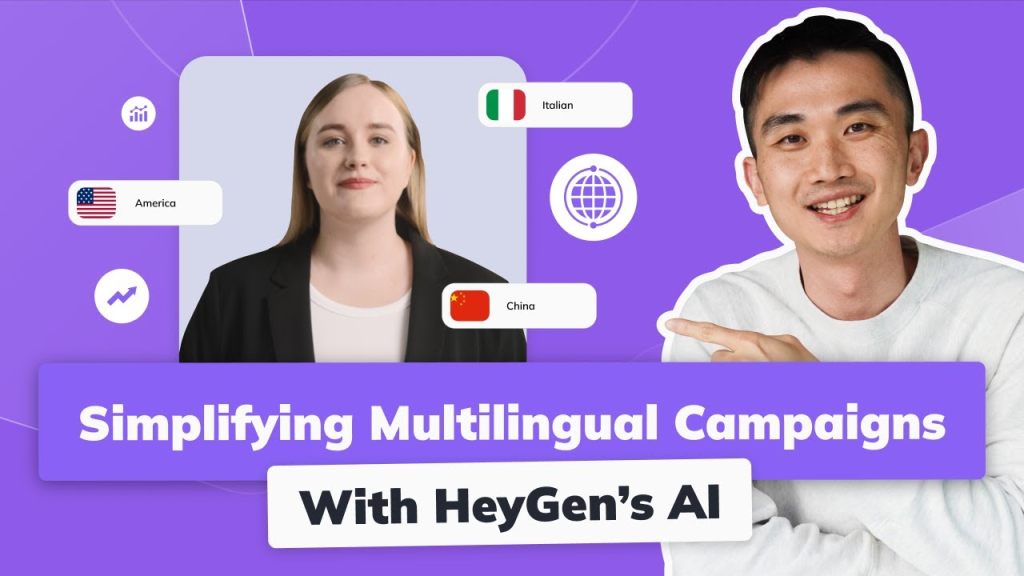
Both tools can generate presenter videos in dozens of languages with decent lip-sync. Synthesia’s language coverage feels wider and more battle-tested: it handled my mixed English–Spanish script without choking, and pronunciation was solid out of the box. HeyGen‘s multilingual output is strong too, and the rhythm of the speech felt slightly more natural on a few languages I tried (Spanish and French in my case), but it needed an occasional manual tweak to punctuation and pacing to sit just right.
If your team ships lots of multilingual content across regions, Synthesia’s broader voice and language catalog gives you fewer “try another voice” moments. If you want a handful of languages done with a touch more personality, HeyGen can be lovely once you dial in the settings.
Feature Comparison — Inside the Best AI Presenter Tools of 2025
Voice Cloning Options for Realistic, Human-Like Narration
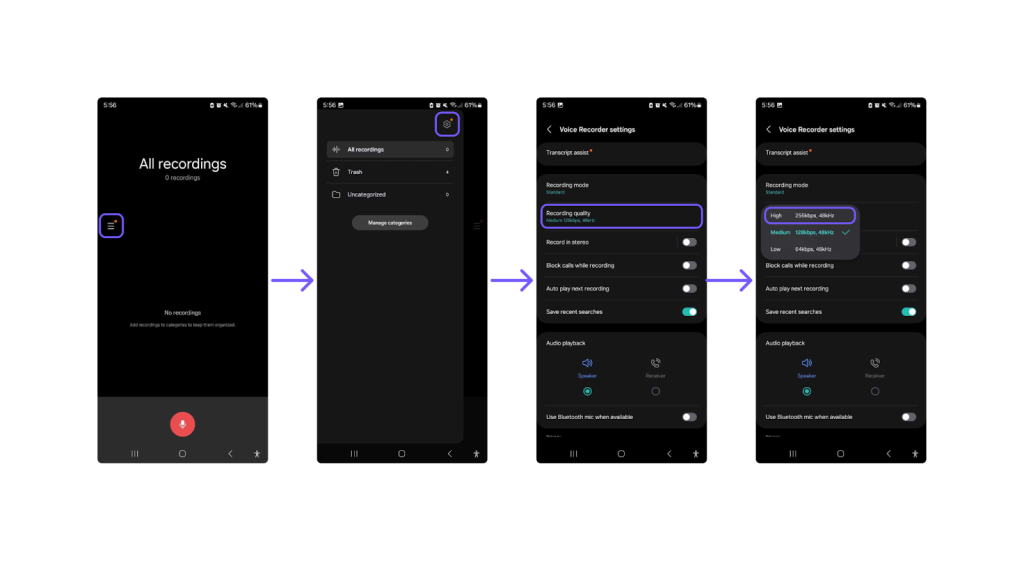
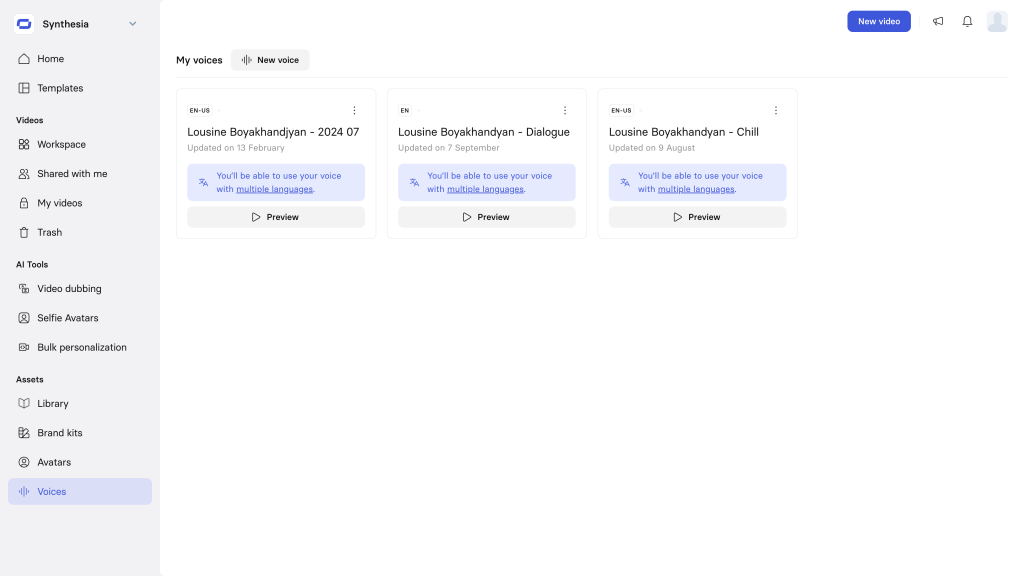
I tested voice cloning on both because branded narration matters. Synthesia‘s cloning is straightforward and professional, upload clean samples, follow their guidance, and you get a voice that sounds like you (or your approved narrator) without weird artifacts. It’s conservative in a good way, and it keeps quality consistent.
HeyGen‘s cloning is a bit more flexible with tone and energy. I could nudge the delivery to feel warmer or more conversational, which helped my explainer script feel less corporate. But, if your audio sample is anything less than crisp, HeyGen will expose that with slight hiss or breath noise. Both require consent/verification, no sketchy cloning here, but plan on some trial-and-error to get your mic setup right.
Quick take: for reliable, “just works” voice clones, Synthesia. For a more expressive clone you can sculpt a little, HeyGen.
Template Customization for Faster Video Creation
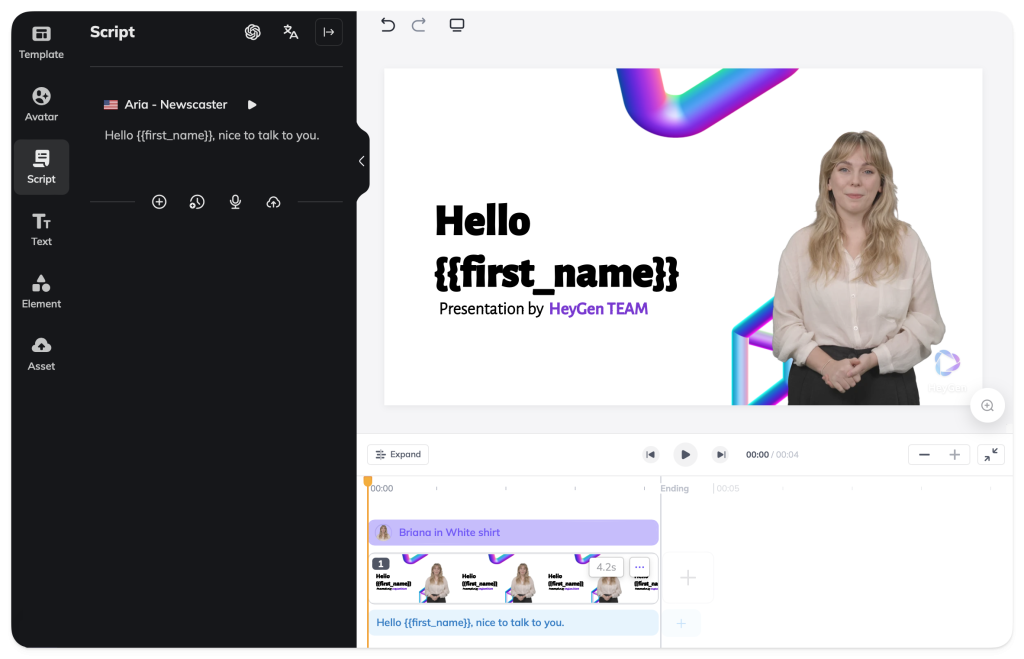
This is where I saved actual time. Synthesia’s templates are clean, structured, and perfect for training modules, think slide-driven flows, callouts, and consistent lower-thirds. Great for teams that want everyone’s videos to look like they came from the same playbook.
HeyGen’s templates feel more creator-friendly. More options for dynamic layouts, bolder typography, and a few playful transitions that don’t scream “PowerPoint 2.0.” I built a vertical ad variant in minutes and it didn’t look like a repurposed slideshow. Small thing I appreciated: it was easy to re-time scenes around beats in the VO without digging through settings.
Both let you add captions, swap backgrounds, and layer b-roll. Synthesia wins on predictable structure. HeyGen wins on creative pace. Depends on whether you’re dressing for boardroom or billboard.

Global Use Cases — How Creators Use HeyGen & Synthesia Worldwide
Chinese Training Videos Made with AI Presenters
I mocked up a short safety training clip in Simplified Chinese. Synthesia‘s pronunciation was clean, and the avatar kept a steady, formal tone that felt right for compliance content. HeyGen did well too, and the pacing felt a touch more human when I added intentional commas in the script. One hiccup: technical terms sometimes needed phonetic hints in both tools. Once I added those, both were perfectly serviceable for internal training.

Spanish Ad Campaigns Using Multilingual AI Avatars
For a 30-second Spanish promo, HeyGen gave me a livelier, ad-friendly cadence with a presenter who didn’t look like a corporate trainer moonlighting as an actor. I paired it with quick cutaways and bold captions, looked pretty native in a social feed. Synthesia worked, but the tone leaned educational unless I pushed the voice selection carefully. For ads and social clips, I’d reach for HeyGen first: for product walkthroughs or help-center videos in Spanish, Synthesia’s clarity helps keep things clean.
Pricing & Verdict — Which AI Video Tool Wins in 2025?
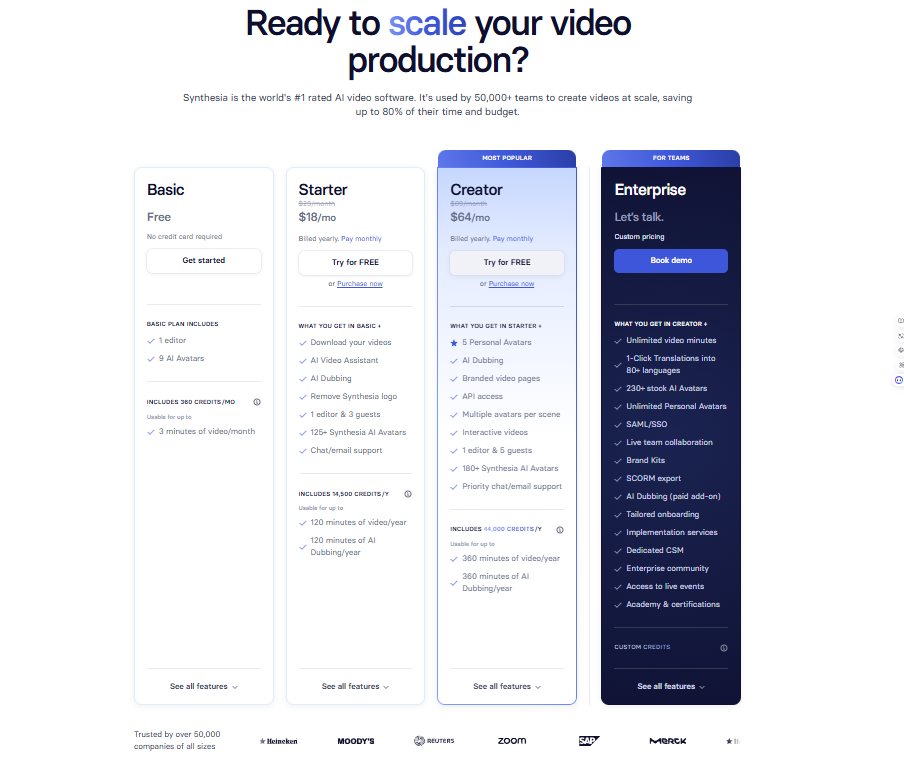
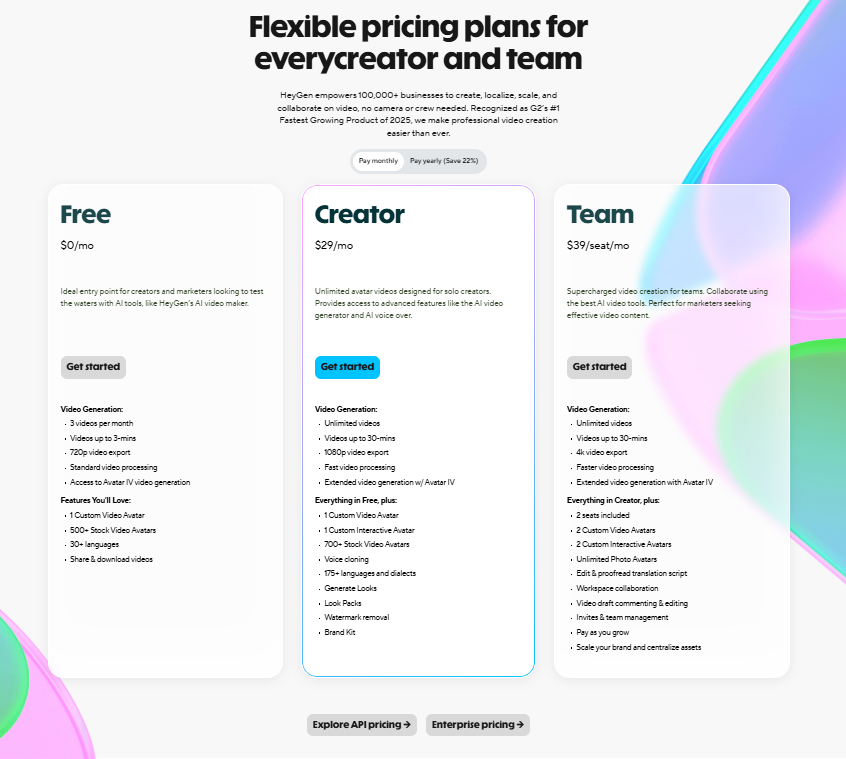
Let’s talk cost without getting lost in line items. Both HeyGen and Synthesia sit in that familiar “creator/team” pricing zone with monthly tiers and credits for video minutes. Entry plans feel approachable for indie creators: business plans climb once you need more seats, custom avatars, or stronger rights. If your use case involves heavy localization or lots of seat management, budget for a business tier either way.
From a value lens: Synthesia gives you consistency, wider language/voice coverage, and templates that make training and onboarding painless. HeyGen gives you expressive avatars, faster social-friendly layouts, and voice clones that can sound more like a person and less like a narrator-in-a-box.
Best for Budget Creators and Small Teams
If you’re a solo creator or a small team making short explainers, promos, or social clips, HeyGen often feels like the better deal, you’ll move faster and the results look less “corporate beige.” If your world is LMS modules, stakeholder updates, and global versions of the same script in five languages, Synthesia’s stability and catalog breadth will save you time.
My quick friend-to-friend take:
- Choose HeyGen if you want punchier avatars, flexible templates, and you care about vibe as much as clarity.
- Choose Synthesia if you need dependable, multilingual presenter videos that look the same on video #100 as video #1.
If you’re still undecided, do a 48-hour sprint: produce the same 60–90 second script in both, include one multilingual variant, and see which timeline, and result, you actually like living with. That answer tends to be obvious once you hit export.
Frequently Asked Questions
Who wins overall in HeyGen vs Synthesia 2025 for AI presenter videos?
It depends on your use case. HeyGen feels faster and livelier for short explainers, promos, and social clips with punchier avatars and flexible templates. Synthesia excels at consistency, wider language/voice coverage, and structured templates—ideal for training, onboarding, and scalable multilingual rollouts.
Which tool has more realistic avatars for short vs. long videos?
For face-centric scripts under two minutes, HeyGen’s newer avatars show stronger micro‑expressions and energy, making short talking-head segments feel less stiff. For longer, formal content, Synthesia’s avatars stay consistently professional with stable facial motion and clean lip-sync, which helps over extended scripts.
Which is better for multilingual videos in HeyGen vs Synthesia 2025?
Both handle dozens of languages with decent lip-sync. Synthesia feels broader and more reliable across languages and voices, performing well on mixed English–Spanish scripts. HeyGen’s delivery can sound slightly more natural in some languages once pacing and punctuation are tuned. For large multilingual programs, Synthesia is the safer bet.
Previous posts: