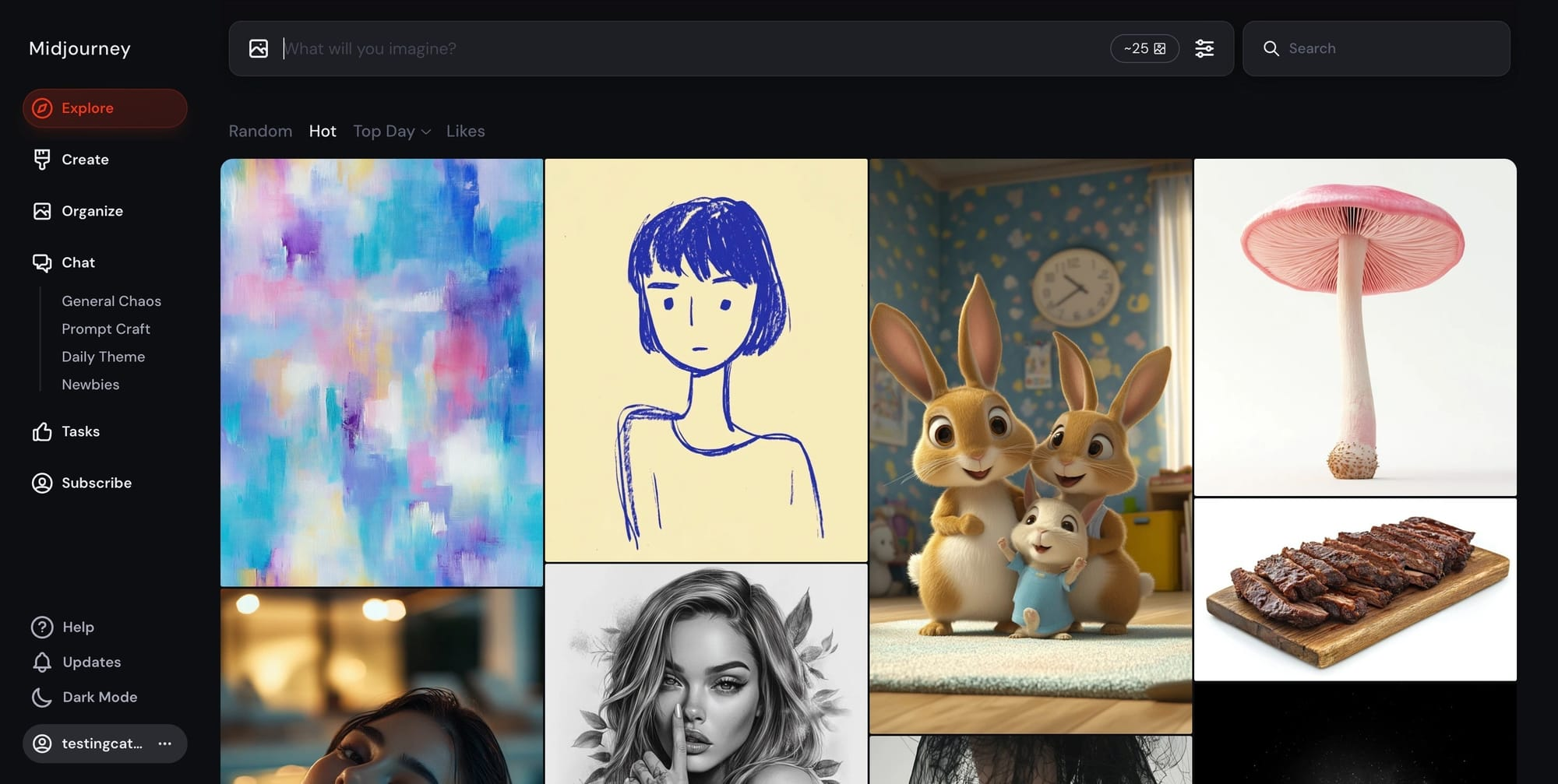
I kept seeing insanely realistic faces on my feed and, nosy as ever, I wanted to know: was it Midjourney v6 wizardry or this newer thing, Seedream? I do a lot of character-heavy projects (brand personas, little storyboards for video ads, and the occasional “I swear this person exists” portrait), so I set aside a week, made coffee, and tried to break both tools in all the ways I usually break tools.
If you’re wondering which one actually lands realistic AI characters you can reuse across scenes without losing the freckles or changing jawlines every other frame, here’s what shook out in my tests. No hype, just field notes.
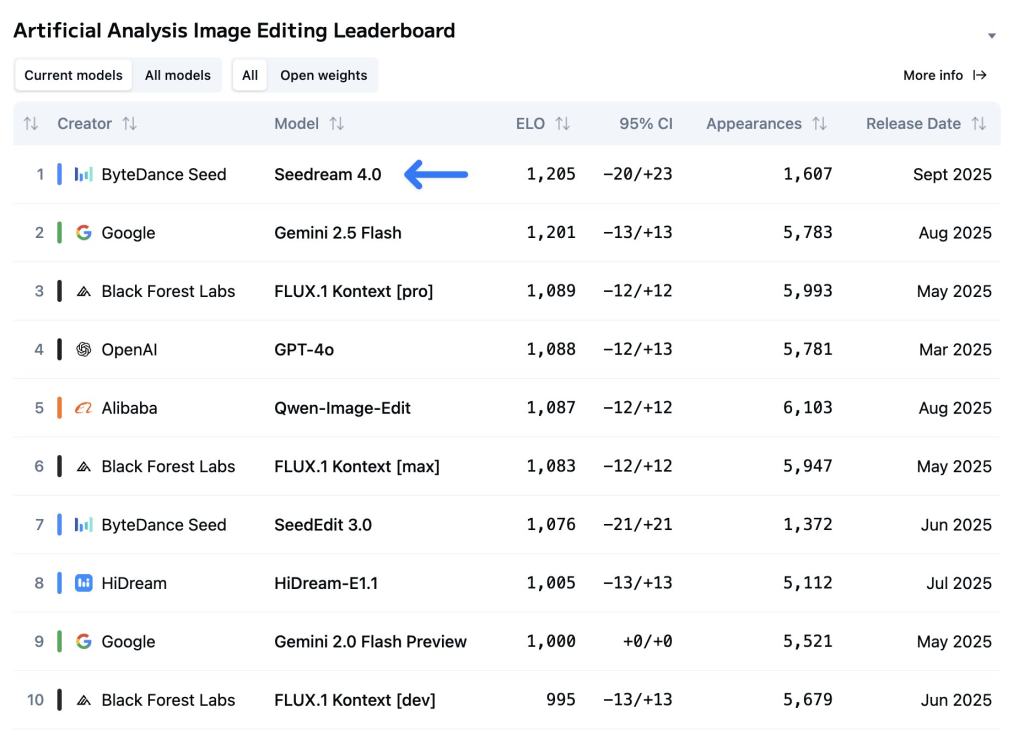
Seedream vs Midjourney v6 (2025) Overview
I went into this thinking Midjourney v6 would steamroll the comparison. It’s everywhere, and the style range is huge. But Seedream kept popping up in creator chats specifically for character realism and consistency, which is my pain point. So, I set up the same task in both: build a brand character (late 20s, mixed heritage, short curly hair, tiny nose ring, light freckles, moss-green hoodie), then push the same character through a 5-shot mini storyboard: walking, laughing, thinking, half-profile, and a close-up.
Quick read: Midjourney v6 gave me gorgeous single shots with painterly realism and expressive lighting. Seedream gave me slightly less “dramatic” lighting out of the box, but the character stayed the same person across all five frames with noticeably better feature lock (more on that below). If your goal is one hero image, MJ v6 still slaps. If your goal is a recurring character, Seedream felt like cheating (in a good way).
Character Realism Specs & Quality Benchmark
I kept a simple scoring sheet while testing: facial detail, skin texture accuracy, coherence across shots, and artifact rate (weird ears, melting earrings, that kind of thing). I used 1024-square outputs for both, then upscaled to 2K.
- Midjourney v6: facial detail 9/10, skin texture 8/10, multi-shot coherence 6.5/10 (using character reference/seed), artifacts 2/10.
- Seedream: facial detail 8.5/10, skin texture 8.5/10, multi-shot coherence 8.5/10 (with character lock on), artifacts 3/10.
MJ v6 is still the king of mood and micro-style flourishes. But Seedream edged ahead on “this looks like the same person” across poses. For me, that’s a big deal.
Best Use Case Fit for AI Character Design
- Seedream: brand personas, episodic content, comic panels, light animation prep, any workflow where character identity has to survive scene changes.
- Midjourney v6: hero thumbnails, campaign key art, moodboards, single-shot editorial portraits, and when you need that cinematic vibe fast.
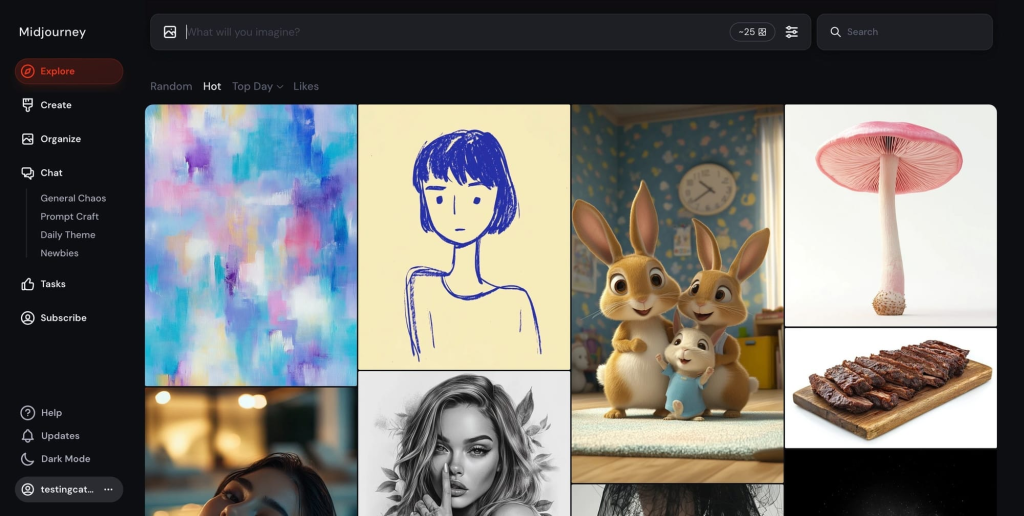
Not gonna lie, if I’m building a website’s About page with a recurring illustrated-human style, I’m reaching for Seedream first. For a dramatic ad visual that just needs to stun once, Midjourney v6 is still my reflex.
Realism Tests & Visual Performance
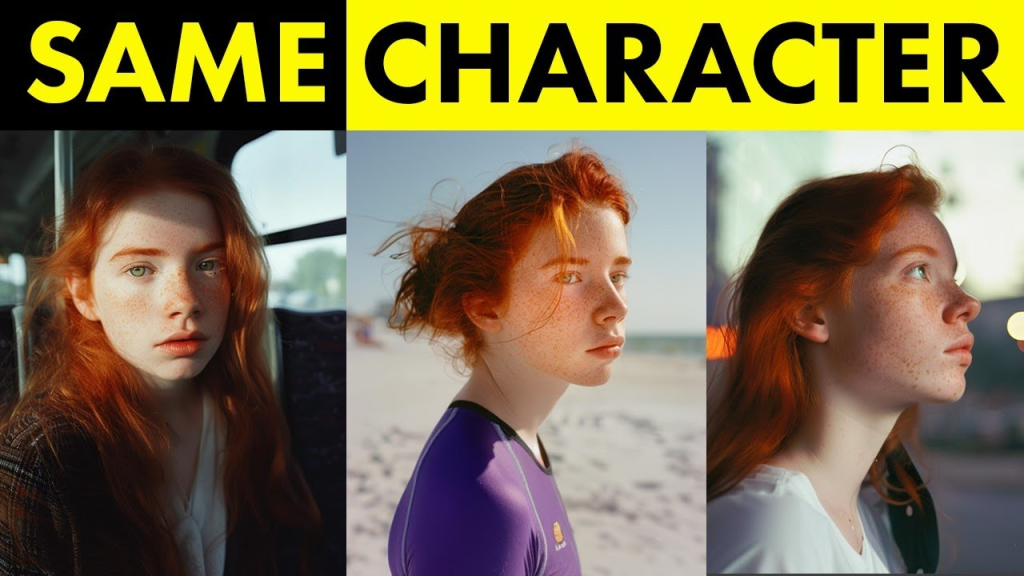
I did three mini-tests to make things fair: a front-facing portrait, a 3/4 profile with side lighting, and a laugh shot (teeth always draw out artifacts). Same written prompt structure for both, and I used each tool’s recommended settings for realism.
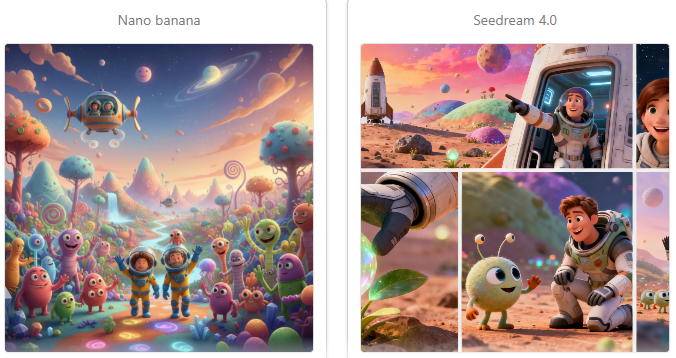
Facial Detail Scores and Texture Accuracy
This part surprised me. Midjourney v6 nailed pores and catchlights in a very editorial way, like a magazine shoot. It occasionally over-sculpted cheekbones when I cranked stylization, which looks amazing in isolation but makes consistency harder across frames.
Seedream’s skin texture felt slightly more neutral, fewer dramatic pores, but better repeatability. Freckles stayed in place. The nose ring didn’t hop ears (yes, this happened once on MJ v6 when I pushed angles hard). Teeth? MJ v6 produced more natural gum lines, but Seedream kept tooth count consistent across frames. I gave MJ v6 a tiny edge for single-image facial fidelity, Seedream the win for multi-image stability.
A quick note on eyes: MJ v6 does eye reflections beautifully, but the iris color shifted on me in one sequence when I went from warm indoor lighting to a cool outdoor scene. Seedream locked iris color better but sometimes underplayed the wetness in the eyes. Easy fix in post, but worth knowing.
Render Times and Workflow Efficiency
I clocked average times on a paid plan for both.
- Midjourney v6: 35–55 seconds per 1024 image in my tests: batches of 4 make iteration feel snappy. Upscaling adds ~15–25 seconds. Queues sometimes spike, but it’s rarely painful.
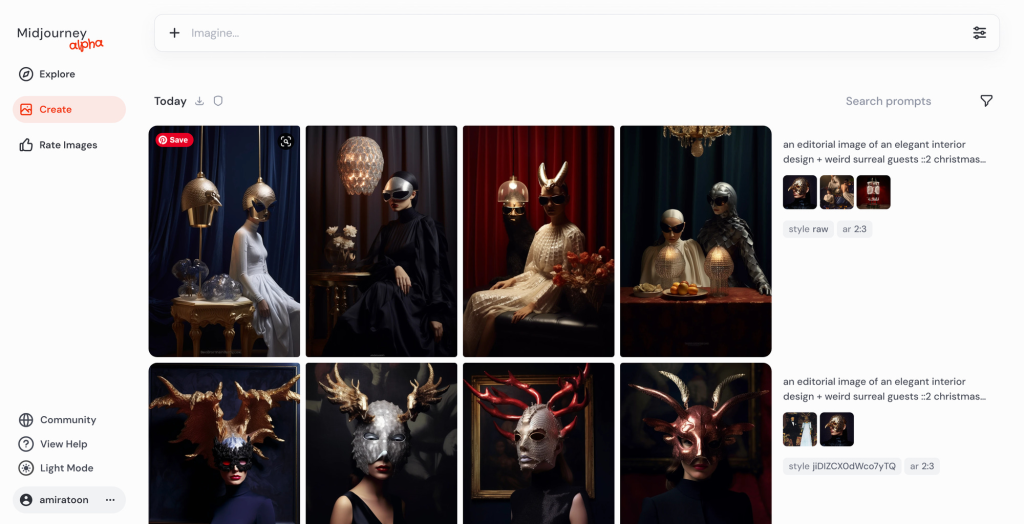
- Seedream: 25–45 seconds per 1024 image on their fast tier: multi-shot “character lock” batch (5 frames) took ~2–3 minutes total, which honestly felt efficient given the consistency gains.
Speed-wise, they’re in the same ballpark. The real difference is loop count. With Midjourney v6, I spent more time nudging prompts or re-seeding to hold identity. With Seedream, the “set-and-walk” batches cut my iteration loops by roughly a third. That matters when you’re on a deadline and your coffee’s going cold.
Feature Comparison for Realistic AI Characters
I didn’t want to fall into a feature checklist, so here’s what actually moved the needle in day-to-day use.
Seedream’s Strengths in Character Creation
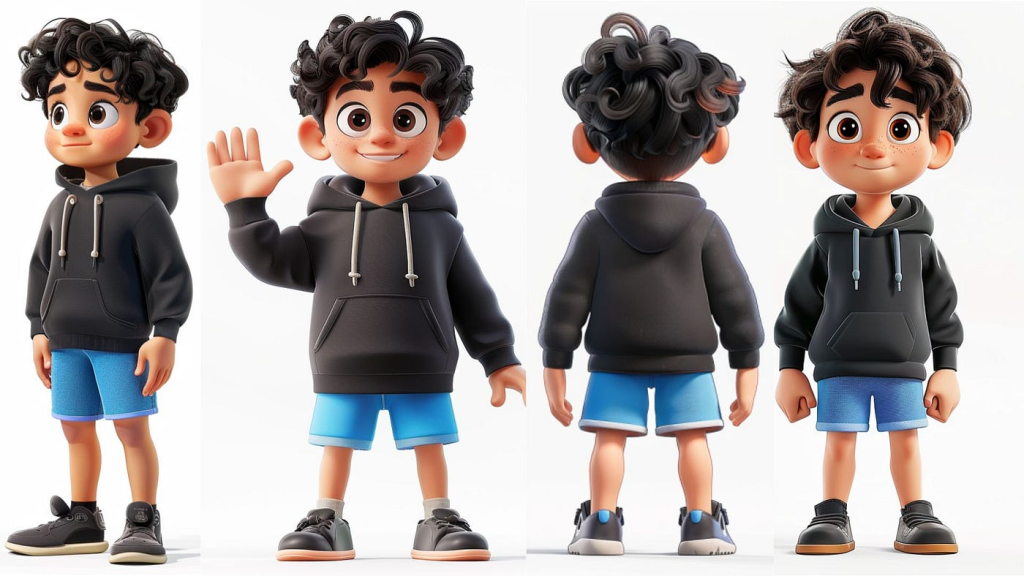
- Character Lock and Identity Cards: This is the killer move. I created a one-page “identity card” (front portrait, profile, notes like eye color, nose ring, freckles intensity). Seedream let me anchor this across scenes. The freckles didn’t fade when I switched from studio light to cloudy daylight. Small victory, big relief.
- Pose and Angle Guidance: The tool’s pose hints are subtle but helpful. I could say “slight head tilt, 15°” and get a predictable result without stiff mannequin vibes. It’s not perfect, hand poses can still get weird, but for faces, it worked.
- Style Neutrality: Seedream leans neutral by default, which sounds boring, but it’s a gift for brand work. You can layer a gentle grade later without fighting baked-in hyper-stylization.
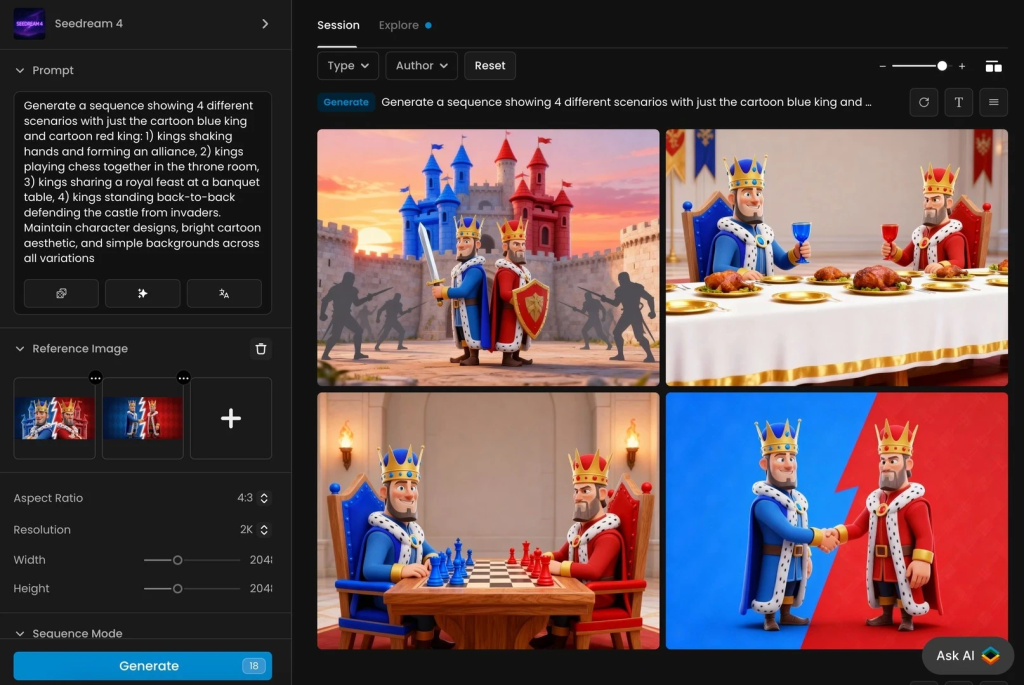
- Multishot Storyboards: This was my favorite bit. I queued five frames with location notes (hallway, park bench, bus window) and it held the character identity with only minor drift on ear shape in one shot. I’ve never had such an easy time prepping a storyboard.
Where Seedream struggled: extreme dynamic lighting (hard rim lights or neon gel looks) sometimes flattened skin tones, and adding hand props (mugs, books) caused minor warps. Usable, but I had to babysit.
Midjourney’s Prompt Power and Style Control
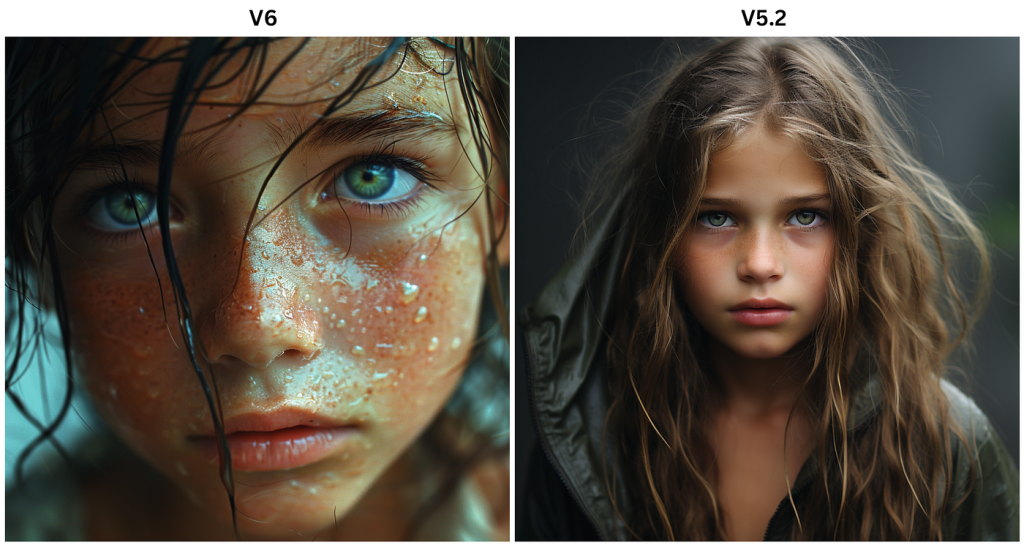
- Expressive Lighting and Micro-style: MJ v6 has this painterly realism that makes people look… cinematic. You can prompt “soft Rembrandt with top-right practical” and it just gets it. Feels like working with a DP who’s very patient.
- Character Reference (cref) and Seeds: Using a reference image plus seed helps, and v6 is way better than older versions for character persistence. But when I pushed five different scenes, small drift crept in, iris hue, nose ring thickness, even a tiny shift in jawline.
- Style Range: If you need a more editorial or fashion-forward look, MJ v6 is honestly the fun place to be. The range keeps ideation fresh.
Where MJ v6 frustrated me: phrase sensitivity. Tiny prompt changes affected identity more than I expected. Also, when I added environment complexity, it sometimes prioritized style over fidelity. Gorgeous shots, yes, just not always the same person. That’s the deal-breaker for some projects.
Best Choice for 2025 Creators
You’re probably not choosing tools in a vacuum, so here’s how I’d slice it if you’re juggling real projects like I am.
Animation Projects vs Branding Visuals
- If you’re building light animation or episodic content: Seedream made more sense for me. The ability to lock a character and push them through multiple scenes without micro-drift saved me time and kept my sanity intact. I could export a consistent face and do subtle motion passes elsewhere without re-designing the person every time. It’s not an animation suite, but it’s a strong pre-production ally.
- If you’re crafting a brand persona or campaign with recurring faces: Also Seedream, mostly because brand work hates surprises. Consistency > drama. The neutrality lets you add your brand’s color science later without fighting a baked-in look.
- If you need one perfect hero image, moodboard, or concept art fast: Midjourney v6, easy. The single-shot realism and lighting control are just fun, and the images feel premium right out of the gate. When stakeholders need to be wowed by 4 PM, MJ v6 is the shortcut.
- If you’re a prompt tinkerer who lives for stylistic nuance: You’ll probably enjoy Midjourney v6 more. The subtle prompt shifts and style references feel like painting with words. I love it for concept sprints.
My totally human, slightly messy verdict: For “seedream vs midjourney v6,” I’m now using both, but for different lanes. Seedream runs point on anything character-consistent. Midjourney v6 is my one-shot art director when I need sizzle. If you’re like me and you care about getting the same face across multiple scenes, Seedream’s worth the trial. If you expect pixel-perfect cinematics from the very first draft and don’t need repeatability, stick with MJ v6. And if you do both? Keep them side-by-side. They don’t cancel each other: they cover each other’s blind spots.
Frequently Asked Questions
Which is better for consistent AI characters: Seedream vs Midjourney v6?
For character consistency, Seedream vs Midjourney v6 favors Seedream. In tests, Seedream’s character lock delivered 8.5/10 multi-shot coherence versus 6.5/10 for MJ v6 using cref/seed. Midjourney v6 still excels for one-off hero shots and cinematic lighting, but Seedream keeps facial features stable across scenes.
How do render times and workflow compare in Seedream vs Midjourney v6?
Both are fast. Midjourney v6 averaged 35–55 seconds per 1024 image, plus 15–25 seconds to upscale. Seedream ran 25–45 seconds; a five-frame character-lock batch took about 2–3 minutes. Crucially, Seedream reduced iteration loops by roughly a third thanks to stronger identity persistence across shots.
What are the best use cases for each tool in 2025?
Choose Seedream for brand personas, episodic content, comic panels, and pre-production storyboards where identity must survive scene changes. Pick Midjourney v6 for hero thumbnails, campaign key art, moodboards, and editorial portraits where you want dramatic, cinematic lighting and premium single-image impact with rich stylistic control.
Previous posts: