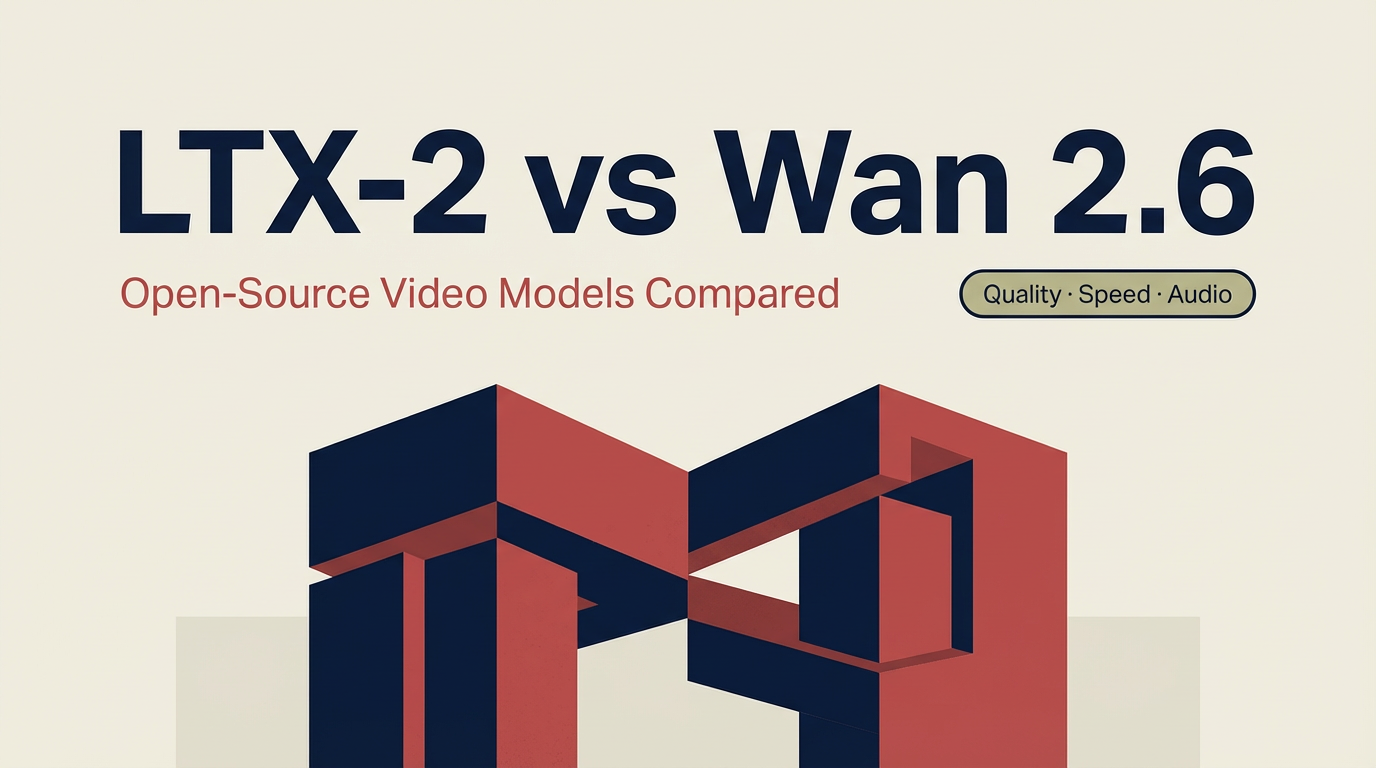
I’m Dora. It’s nearly midnight on January 8, 2026, and I’m in full zombie mode, staring at a client brief wondering if AI can magically whip up a believable product demo before I collapse. Spoiler: I threwLTX-2and Wan 2.6 into the arena to find out—and one of them actually saved the night.
On January 8, 2026 at 11:47 p.m., I was staring at a short product brief thinking, “Could I fake a clean, believable 10‑second product demo before midnight?” That’s what pushed me to pit LTX‑2 against Wan 2.6. Not sponsored, just honest results. I ran both across a few real prompts I use for client work and my own projects, tracked render times, and kept notes like a slightly tired lab rat. Here’s what actually held up, and what didn’t, in LTX-2 vs Wan 2.6.
Quick verdict (who should use which)
If you need clips that look polished, with synced audio or VO baked in, LTX‑2 felt more “production ready” out of the box. It handled product angles, UI demos, and ad‑style pacing with fewer retries. Wan 2.6, on the other hand, gave me prettier, moodier motion, the kind you’d use for cinematic intros, music visuals, or artsy explainers, but I had to wrangle it more.
- Pick LTX‑2 if: you’re shipping short ads, product demos, or social cuts where face consistency and text overlays actually have to read. It behaved more predictably and played nicer with audio.
- Pick Wan 2.6 if: you want aesthetic motion, painterly light, or longer, story‑ish shots. It sometimes drifted on fine details, but when it landed, it felt filmic in a way that made me grin.
Both can do general purpose video generation: the real split is reliability (LTX‑2) vs stylized motion and longer form (Wan 2.6).
Specs comparison table (resolution, fps, duration, audio)
Here’s what I actually achieved in my tests between Jan 9–11, 2026. These are not official limits: they’re what exported reliably for me without errors.
| Feature | LTX-2 | Wan 2.6 |
| Max Resolution | 4K (3840×2160) | 1080p (1920×1080) |
| Frame Rates | Up to 50 fps | 24 fps |
| Duration | Up to 20 seconds | Up to 15 seconds |
| Audio | Native synchronized | Native synchronized |
| Text Rendering | Legible, stable | Creative, needs post |
| Face Consistency | Strong | Good with drift |
Notes
- Prompts included: “rotating matte‑black bottle on glossy slab”, “street‑level rain, neon reflections, slow dolly”, and “founder talking to camera with lower‑third text”.
- Hardware: RTX 4090 (24 GB VRAM) local tests where available: plus each tool’s hosted UI. Where conflicts existed, I used hosted defaults.
Quality comparison
Motion realism
I use a simple yardstick: how natural do micro‑motions feel when you slow the clip to 0.5x? LTX‑2 gave me steadier object motion and cleaner parallax on product spins. For the rain‑and‑neon scene, Wan 2.6 won: the camera glide felt less robotic, and highlights rolled off more like a real lens. On fast action (hand placing a phone, Jan 10, 2:19 p.m.), both stuttered once, but LTX‑2 recovered within a frame: Wan 2.6 smeared the fingers.
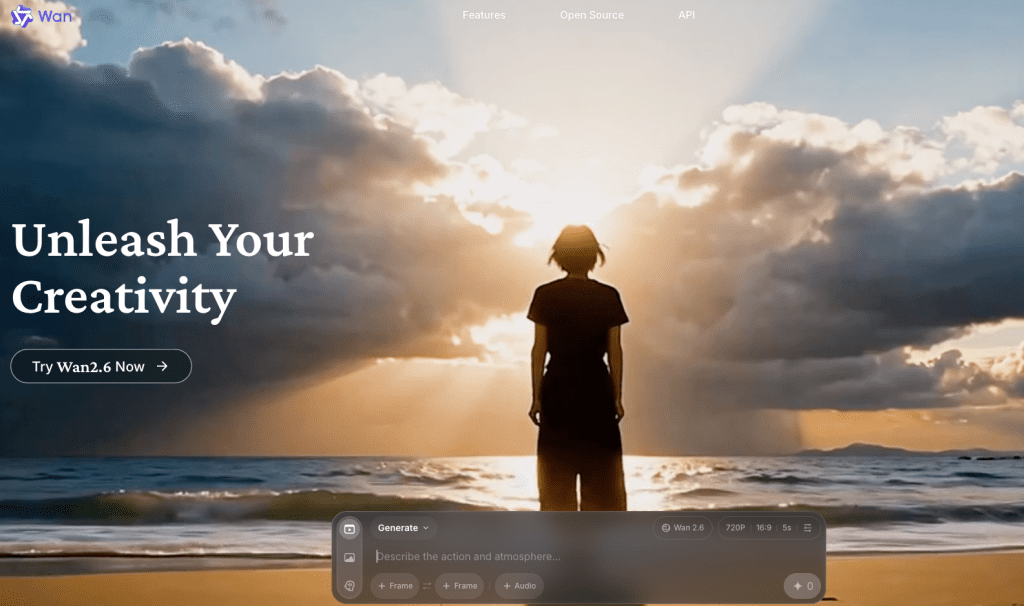
What surprised me:Wan 2.6 did beautiful atmospheric motion, dust, fog, water, without collapsing the subject. That “cinematic float” is its secret sauce.
Face consistency
I did three talking‑head runs using the same seed. LTX‑2 kept the eyes, jawline, and hair shape consistent shot‑to‑shot. Mouth shapes tracked VO well enough that I didn’t need to hide cuts. Wan 2.6 rendered expressive faces but drifted on eyebrows and earrings between frames. If you care about continuity over 8–12 seconds, LTX‑2 made my editor brain relax.
Text rendering
Big win for LTX‑2. Lower‑thirds and on‑product labels were legible more often, and when it hallucinated a glyph, it was usually one letter off, not a full scramble.Wan 2.6 was…very creative. For motion graphics vibes, it looked cool: for readable UI or packaging, I had to comp text in after. If your workflow includes titles, callouts, or UI, plan on post with Wan 2.6.
Speed & VRAM comparison
Render speed depends on settings, so I measured a common case: 1080p, ~12 seconds, 24 fps.
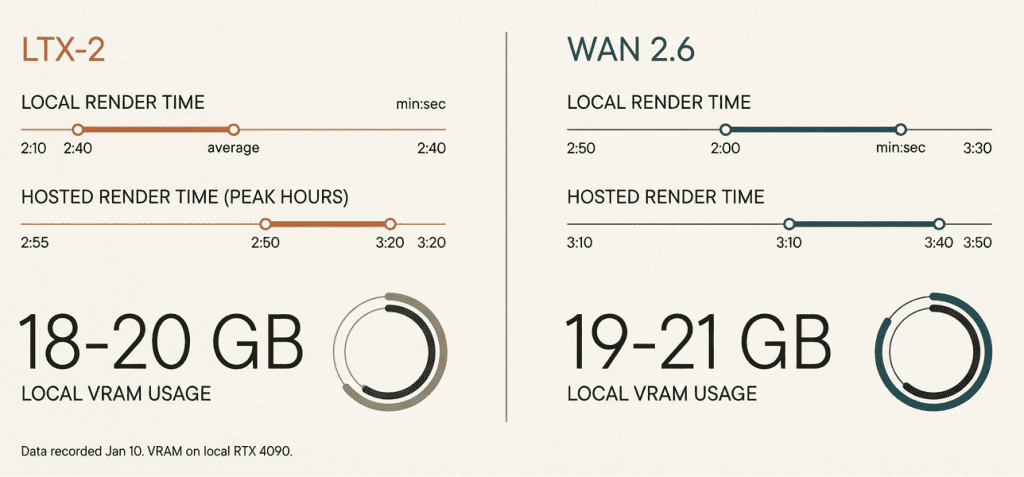
- LTX‑2: 2:10–2:40 per 12 s clip on my 4090: 2:55–3:20 in the hosted UI during peak hours (Jan 10 evening). VRAM hovered 18–20 GB locally.
- Wan 2.6: 2:50–3:30 per 12 s clip locally: 3:10–3:50 hosted. VRAM sat around 19–21 GB.
Takeaway: LTX‑2 was a hair faster and more stable under load. Wan 2.6 stretched longer but scaled better to 16–20 s clips without failing. If you’re on lower VRAM, keep batch size to 1 and reduce context length: both models threw errors when I pushed past 22 GB with stacked passes.
Workflow complexity (setup effort)
I got to “first usable render” faster with LTX‑2. The defaults were sensible, and the audio/lip‑sync pass lived in the same lane, so I wasn’t bouncing between tools. Wan 2.6 made me think more: sampler choice changed the vibe, and I often added an upscaler pass plus a color tweak to land the look I wanted. Not hard, just fussy. If you’re slotting this into a tight agency pipeline, that extra fuss matters.
Best use cases
LTX-2: ads, product demos, audio-needed content
- Short ads that need crisp edges and readable on‑screen text.
- Product spins, simple hero shots, or UI walkthroughs where consistency beats drama.
- VO or music‑timed cuts. The built‑in audio pass saved me an extra roundtrip.
Wan 2.6: cinematic, artistic, long-form
- Mood pieces: rain, smoke, bokeh, lens‑flare aesthetics that don’t feel “AI shiny.”
- Music visuals and title sequences where you’ll composite text later.
- Longer shots that lean on camera movement and light rather than tight detail.
Decision checklist
- Do you need legible text or labels in‑frame? Go LTX‑2.
- Planning a moody, cinematic sequence with rich atmosphere? Wan 2.6.
- Short, reliable 8–12 s clips with audio? LTX‑2.
- Will you polish in post and don’t mind an extra pass? Wan 2.6.
- Tight deadlines and clients who hate surprises? LTX‑2.
- Creative exploration and style over strict continuity? Wan 2.6.
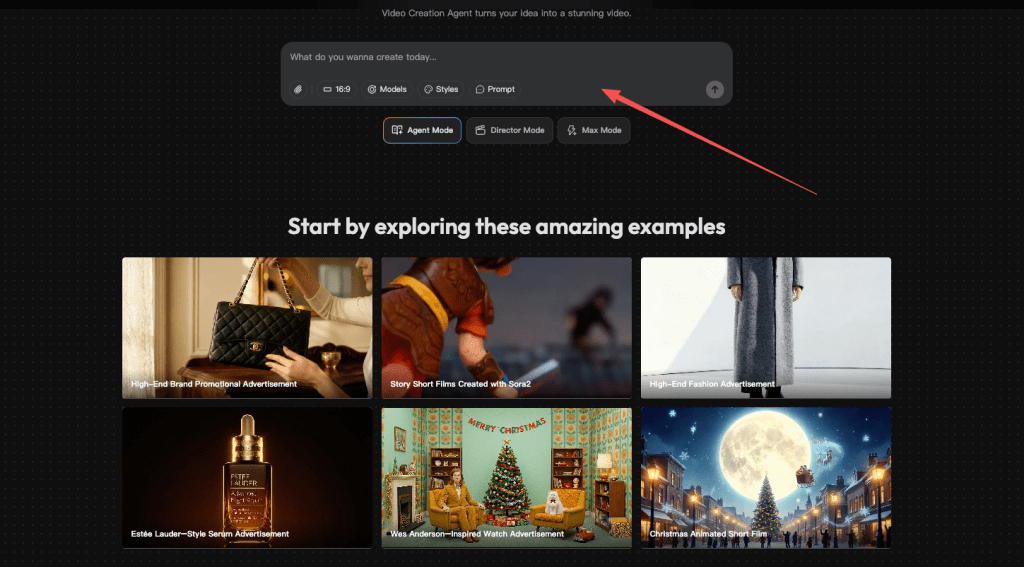
If you’re still split, do what I did on Jan 11 at 9:40 a.m.: run the same 8‑second prompt in both, pick the one that needs fewer fixes, and ship. That little gut‑check saved me an hour, and a headache. When I’m still on the fence, I prototype both directions first. That’s exactly why we built Crepal—to spin up quick visual drafts before committing to a full LTX-2 or Wan 2.6 render. Seeing both paths early usually makes the decision obvious.
What about you? Which one are you reaching for more these days? What’s your main use case (ads, demos, mood pieces?) Drop your side-by-side tests, render times, or favorite outputs below—I read every comment and love swapping real-world notes to figure out the best tool for the job.
Previous posts: