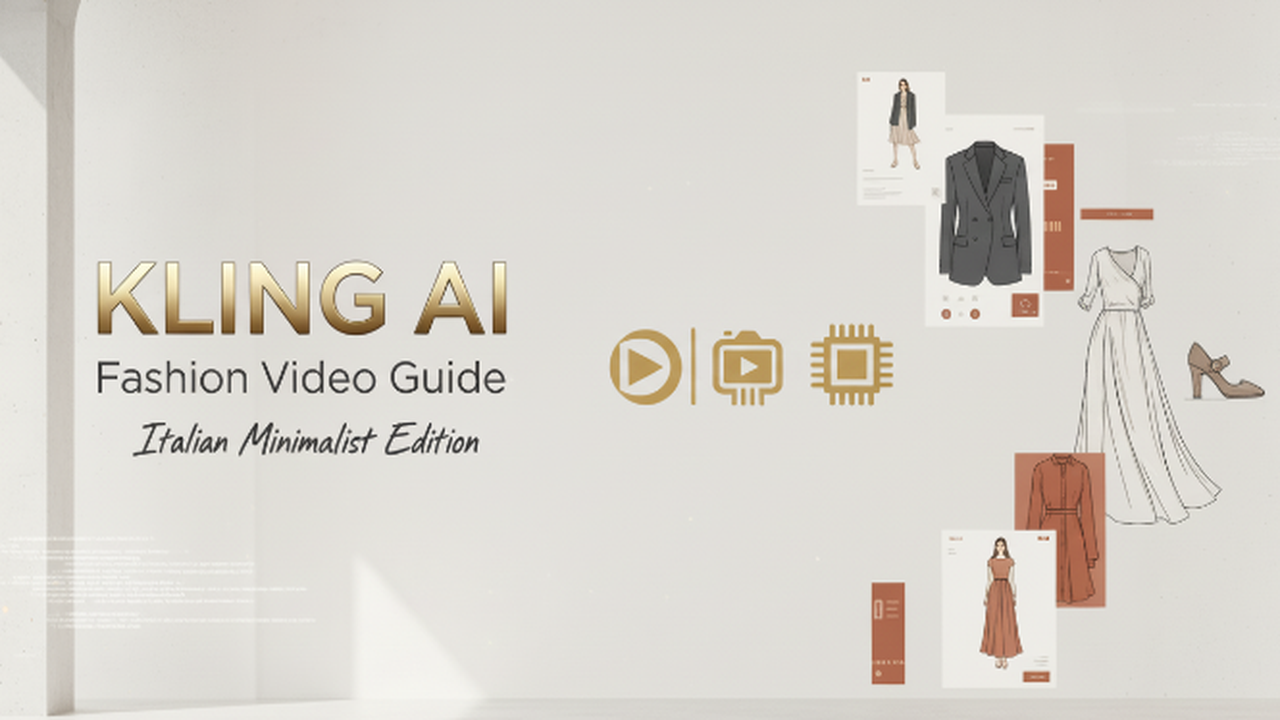
Hi, I’m Dora. On November 12, 2025, I was packing for a shoot when a friend DMed me three Kling fashion clips, fluid fabric, believable camera moves, and zero uncanny elbow-bends. Curiosity won. That night, I made tea, opened Kling, and asked a simple question: can this actually replace a few hours of test footage and editing, or is it just another pretty demo?
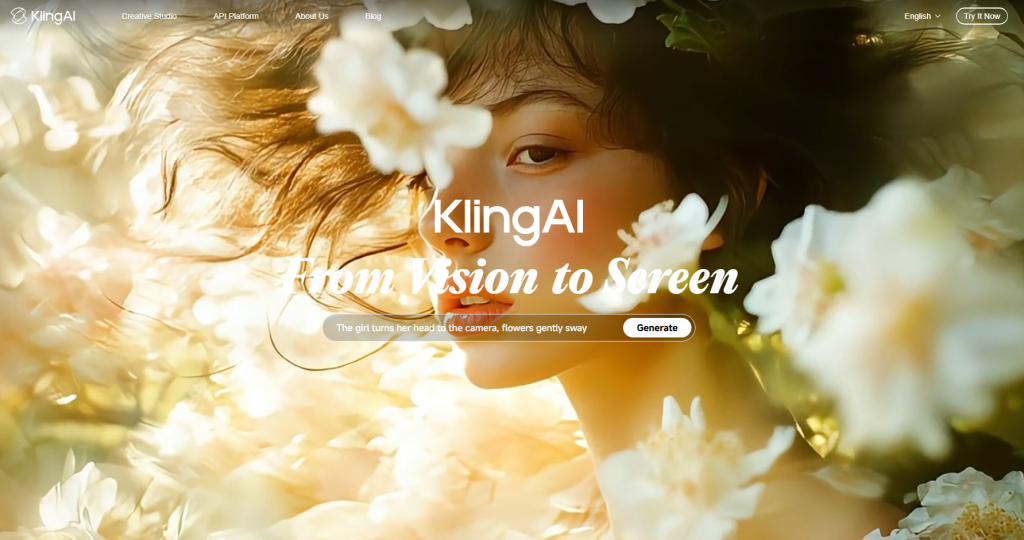
Kling’s Fashion Video Strengths
I ran a mini-battery of tests from Nov 12–16, 2025 on a MacBook Pro (M3 Max, 64 GB RAM) using Kling via the web app. I compared results side-by-side with Runway Gen-3, Pika 2.2, and Luma Dream Machine for similar fashion prompts.
Here’s where Kling surprised me for fashion video generation:
- Fabric physics look…intentional: Silks fall with a gentle delay: denim keeps its weight. On a 5-second spin, Kling handled skirt flare and re-set better than Pika in my tests.
- Camera realism: The default camera feels less “floaty.” Push-ins and dolly arcs read like footage from a small gimbal, not a drone trapped in a closet.
- Skin and hands: Still not perfect, but Kling’s hands stayed intact in 8/10 clips at 1080p, which is better than my Gen-3 results (about 6/10) for similar prompts.
- Lighting continuity: Highlights stay consistent across frames. This matters for clothing texture, leather doesn’t suddenly become matte mid-clip.
Numbers from my runs:
- Average render time: 22–45s per 4–5s clip at 720p: ~1–2.5 min for 1080p (web UI, evening US time).
- Output fps I observed: 24–30 fps. Fine for social, okay for lookbook drafts.
- Style adherence: When I anchored the palette (e.g., “cool gray studio with teal rim light”), 3 out of 4 clips kept the vibe.
What’s weaker right now:
- Ultra-precise logos and micro-patterns can melt slightly during fast motion.
- Rapid pose changes (jumping or extreme hair flips) sometimes blur at the edges.
- Footwear details below the ankle can get soft if the camera is low and moving fast.
If you need surgical control (exact hem length, label fidelity), Kling is great for ideation and social-first assets, and a maybe for final hero shots depending on your brand bar.
Fashion Video Workflow (Prep to Export)
This is the simple loop I used to get clean, repeatable results. It’s fast enough for creators and clear enough for marketers.
- Prep references (5–10 min)
- Collect 3–5 visual anchors: a silhouette photo, a fabric close-up, a lighting reference, and one camera move clip (even a phone video works).
- Note the essentials: garment type, length, fabric behavior, color palette, setting, and camera motion.
My template prompt scaffold:
“Full-body model wearing [garment] made of [fabric], color [palette]. Setting: [location/lighting]. Camera: [move]. Mood: [adjectives]. Pace: [slow/medium]. Keep hands natural, keep hemline visible.”
- Start with text-to-video (T2V) for the vibe
- I do a 4–5s test at 720p to lock mood and motion. If the fabric or lighting feels wrong, I change only one variable at a time.
- Tip: name your tests like “2025-11-12_satin_spin_v2” so you can compare quickly.
- Upgrade with image guides (optional but powerful)
- Upload a garment photo or a clean flat-lay as an image reference. In my trials on Nov 14, image-guided runs produced more accurate hems and seams.
- Keep the reference simple. Busy backgrounds confuse fabric edges.
- Camera control without overdoing it
- Use simple language: “slow dolly-in,” “quarter-circle orbit left,” or “locked-off tripod.” Over-specifying can make the motion jittery.
- For runway looks, I got the cleanest results with: “locked-off at hip height, model walks toward camera, slight 24mm wide feel.”
- Lighting cues that Kling actually listens to
- Concrete beats poetic. “Two-point: soft key at 45°, cool rim at 120°, glossy floor reflections” worked better than “cinematic moody studio.”
- If the face goes flat, add: “gentle eye-light, catchlights visible.”
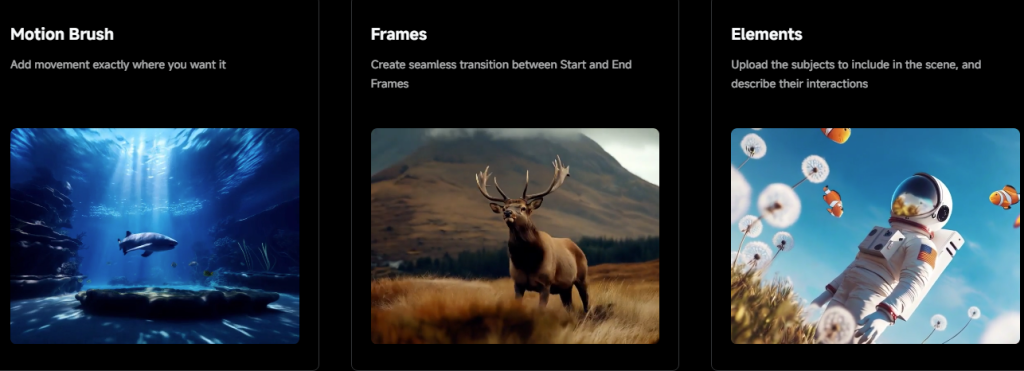
- Iterate in small steps
- Fix one thing per pass: first fabric, then pose cadence, then background detail.
- If hands get weird, reduce motion (“gentle turn” vs “fast spin”) and re-run.
- Export and polish
- I export at 1080p once the look is stable. On Nov 16 around 9:40 PM PT, my 8s 1080p clip rendered in 2m 11s and looked clean enough for Instagram.
- Quick post in your editor of choice: mild sharpen (0.2–0.3), contrast bump, and add a shadow pass if the floor looks too flat.
Reference: Kling’s official site has feature notes and updates here: https://klingai.com (I also keep an eye on their announcements for model/version changes). Not sponsored.
5 Fashion-Specific Prompts
These are copy-paste ready. Tweak fabric, color, and camera to taste.
- Editorial silk spin
“Full-body model in a floor-length silk slip dress, pearl white. Two-point studio lighting with cool rim. Slow 90° orbit left, 5s, 24 fps. Emphasize silk flutter and specular highlights. Keep hands relaxed, hem in frame.”
- Streetwear walk-by
“Urban sidewalk at golden hour, model in oversized charcoal hoodie and wide-leg denim. Locked-off camera at chest height, 35mm look. Natural bounce light, soft shadows. Model walks left-to-right, hood fabric weighty, denim stiff.”
- Lookbook rack-to-body transition
“Minimal studio, clothing rack in soft focus. Camera dolly-in then cut to model wearing the featured blazer, textured wool. Neutral gray backdrop, gentle eye-light. Subtle head turn, blazer drape stays structured.”
- Footwear hero (controlled)
“Close-up on ankle-high leather boots, glossy black. Low locked camera, slow push-in, reflective floor. Edge light defines silhouette, subtle toe flex. Maintain stitching detail, specular pops on leather.”
- Runway loop for reels
“Runway environment with soft top light and cool side fill. Model walks toward camera, 7s loopable take. Dress: red satin with bias cut, mild fabric sway. Keep horizon level, steady cadence, no crowd distractions.”
Lighting & Positioning Best Practices
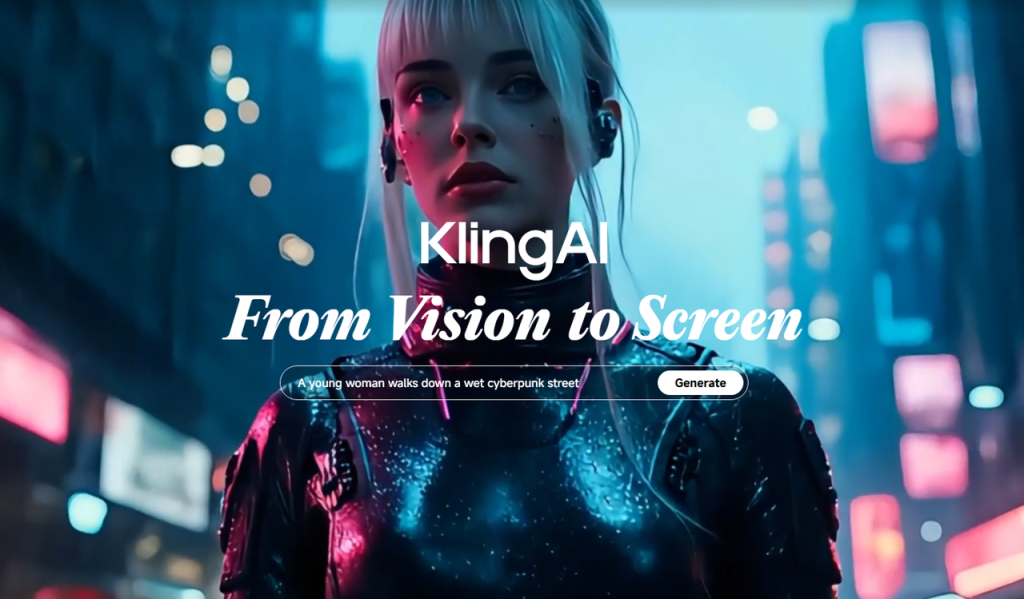
Fashion lives or dies on light and silhouette. Here’s what worked consistently for me.
- Keep the key light simple: One soft key at 45° plus a rim light gives fabrics dimension. Ask for “soft key, visible catchlights” so skin doesn’t go dull.
- Avoid busy floors: If you want true shadows, say “semi-gloss floor with soft reflections.” It anchors the model.
- Protect the hem: Tell Kling to “keep full body in frame, hem visible.” It reduces weird crops and preserves garment length.
- Lens language helps: “24–35mm feel” reads modern and crisp. If faces warp, nudge to “50mm feel, minimal distortion.”
- Motion pacing: Fashion looks better when the camera is calmer than your coffee. Slow or medium moves let fabrics read.
- Color discipline: Pick a palette and stick to it in the prompt. Changing it mid-iteration increases flicker risk.
If you’re shooting IRL later, use these tests like pre-vis: you’ll know where to place the real lights, which saves setup time.
Quality Control Checklist
Before I ship anything to a client or post it, I run this quick pass. It takes two minutes and prevents DM regrets.
- Hands and elbows: five finger count? No warps during turns.
- Hemline integrity: no clipping through legs: dress length consistent.
- Fabric behavior: silk floats, denim holds, leather shines. If it feels wrong, re-run with a fabric note.
- Face and eyes: catchlights present, no sudden smears on frames 2–3.
- Logo/text: readable at pause: if not essential, remove it from the prompt.
- Background stability: no melting props or sudden color shifts.
- Loop quality (if needed): start and end frames align: trim in editor for a seamless loop.
If you try Kling this week, start with a 5s 720p test, dial light and motion, then go 1080p. Send me what you make, I’m still learning new tricks with it too.
Previous posts: