Hi, I’m Dora — and a few months ago a brand reached out asking if I could produce a “virtual spokesperson” for their product launch. No filming. No on-camera talent. Just an AI influencer that could speak their script, look credible, and post across platforms without a green screen in sight.
I said yes before I’d done the research. Big mistake.
I spent the next three weeks down a rabbit hole of AI influencer generator tools — testing avatar realism, lip-sync accuracy, voice quality, and how these tools actually hold up when you try to build something that doesn’t look like a tech demo. This guide is everything I found, including the legal stuff that almost no one is talking about clearly.
What an AI Influencer Generator Is
An AI influencer generator creates a synthetic persona — a digital character that can speak, appear on camera, and deliver content — without real human performance. In recent years, these tools range from basic talking-head converters to full character studios with custom voice, gesture, and style control.
But here’s the thing that tripped me up early: not all of these tools are building the same product.
Static Avatar vs Animated vs Full Video Avatar — Three Distinct Products
Static avatars are AI-generated character images — a face, a style, a consistent look. Tools like Midjourney combined with a character prompt can produce these. They’re useful for profile images and thumbnail art, but they don’t speak or move.
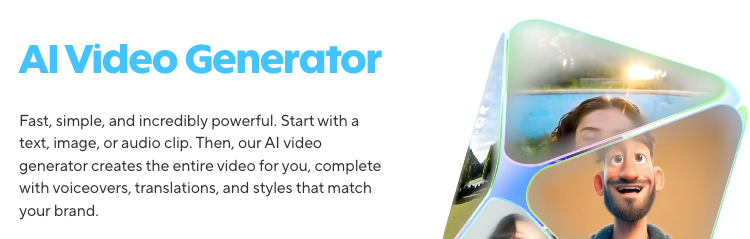
Animated avatars take a static image and generate lip movement from a text or audio input. D-ID sits solidly in this category. You upload a photo, paste a script, and get a short talking-head video. Fast, lightweight, and good for social clips — but the motion range is narrow. Eyes barely blink. Expressions don’t adapt to tone.
Full video avatars are the most capable tier — and the most expensive. HeyGen, Synthesia, and Colossyan generate complete video from text scripts using pre-built or custom 3D-modeled digital humans. Gestures, posture, facial micro-expressions, and voice tone all respond to the script. This is where “AI influencer” as a real content strategy becomes viable.
Use Cases: Brand Mascots, Faceless Content, Virtual Spokespeople
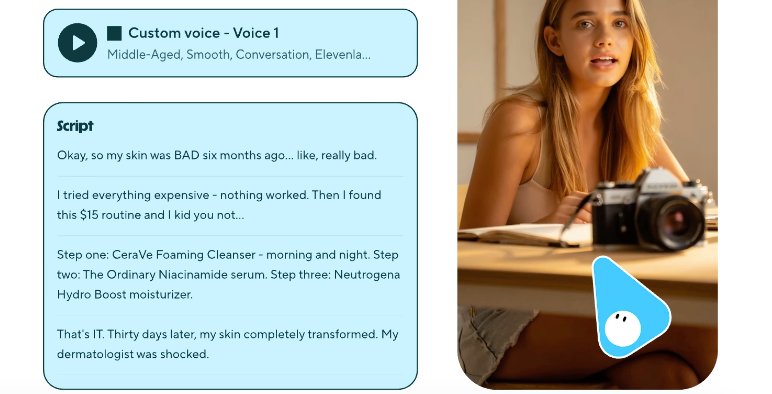
These tools are solving very different creator problems. Brand mascots use AI to create a consistent visual character that represents a company without tying the brand’s identity to a single real person. Faceless content uses AI avatars, so the creator — you — never appear on camera, which matters enormously for creators who want to scale output or stay private. Virtual spokespeople stand in for human presenters in product demos, explainers, and ads, especially for multilingual campaigns where re-filming in 20 languages isn’t realistic.
How We Evaluated These Tools
I tested each tool using the same inputs: a 90-second product script, a music-forward background, and a request for a “friendly but credible” avatar delivery. I evaluated on five criteria — avatar realism, lip-sync accuracy, expression range, voice quality, and workflow speed. Where I couldn’t personally test enterprise tiers, I noted it.
Best AI Influencer Generator Tools (Ranked)
Tool 1 — Best for Realistic Human-Looking Avatars
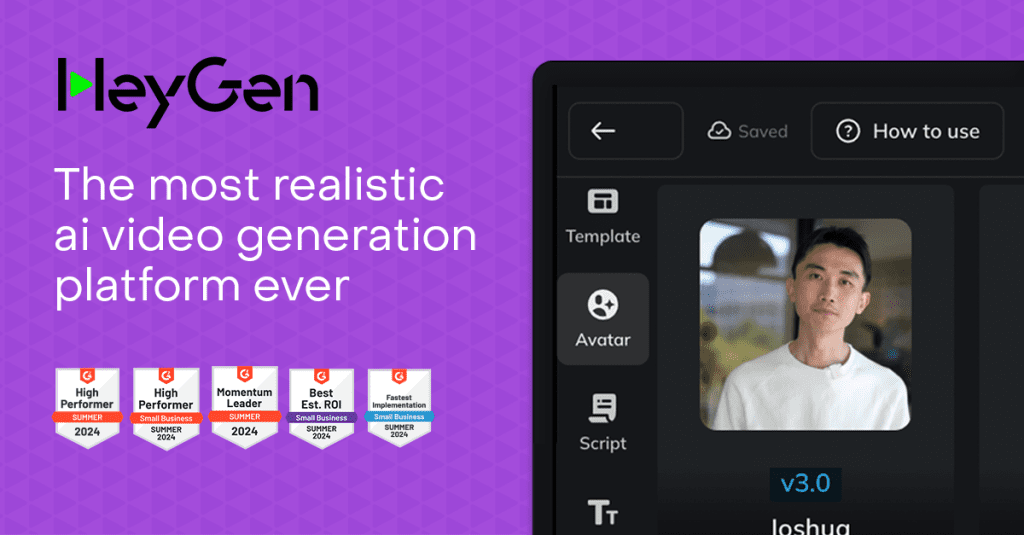
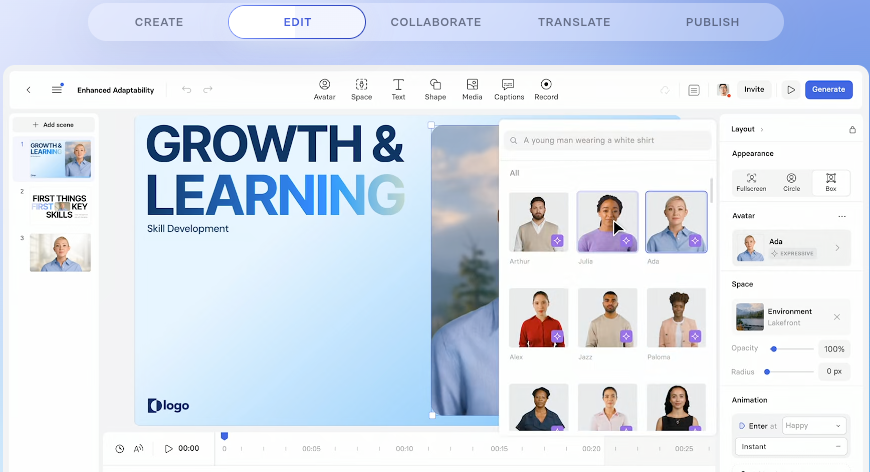
HeyGen is the tool I ended up using for that brand project, and I get why it’s become the default recommendation in creator circles. Its Avatar IV technology produces motion and expression quality that, at a glance, reads as human. The gestures adapt to the emotional tone of the script — the avatar doesn’t just move its mouth.
HeyGen is particularly popular among solo creators, influencers, and small teams who want to produce explainer videos, product showcases, or social media content quickly. In my test, a 90-second video was rendered in under 4 minutes. Voice cloning is built in — you record a short sample and the avatar speaks in your voice, in any language.
Pricing as of current year: Free tier (3 watermarked videos/month), Creator at $29/month, Business at $99/month. The Creator plan promises unlimited video generation but restricts access to premium features like Avatar IV and lip-sync translation via a 200 premium credit monthly allowance. That credit cap is the most common complaint I’ve seen — plan accordingly.
Tool 2 — Best for Animated Brand Mascots and Enterprise Teams
Synthesia is where you go when your priority is consistency, compliance, and multilingual scale rather than raw avatar expressiveness. Synthesia is the leader in AI video generation on G2, offering 240+ diverse AI avatars that adapt their tone of voice, body movement and expressions to match your script’s context.
The interface is structured and deliberately enterprise-shaped. The creation flow is straightforward: script, choose avatar, select voice, adjust layout, generate, then translate if needed. Everything feels organized and controlled. It’s less about creative experimentation and more about producing polished, reliable business content at scale.
Pricing starts at $18/month (annual). Supports 140+ languages with consistent lip-sync quality across all of them — that’s genuinely rare.
Tool 3 — Best Free Tier Access
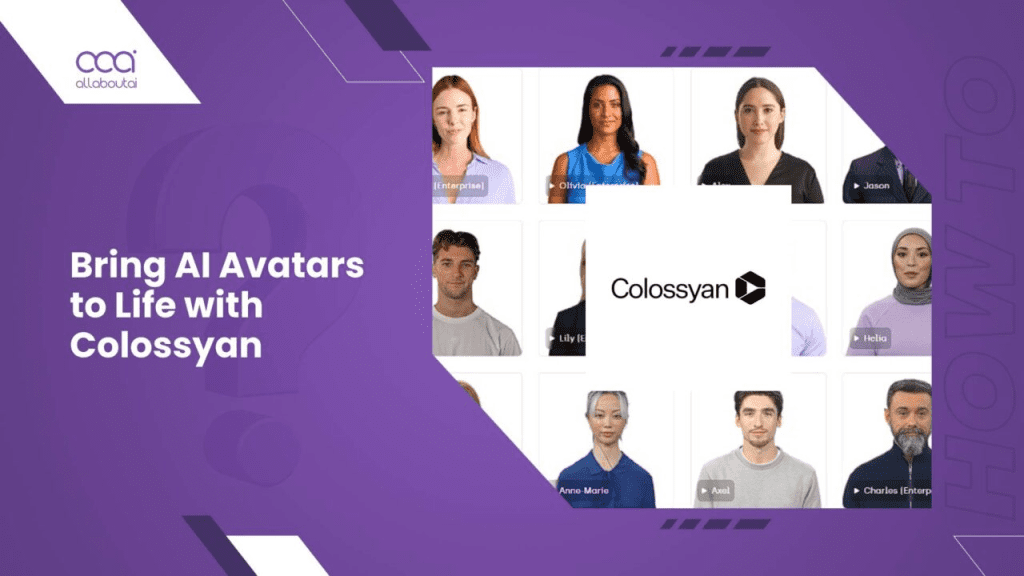
Colossyan offers the most generous free tier among the major AI avatar platforms, with free videos up to 5 minutes using 200+ AI avatars in 70+ languages. If you’re testing whether AI influencer content fits your workflow at all, start here before spending anything.
The platform has carved out a strong niche in learning and development — interactive branching scenarios, in-video quizzes, and LMS export are things neither HeyGen nor Synthesia match natively. For a brand mascot that teaches product knowledge or onboard customers, Colossyan has features the others don’t.
Tool 4 — Best for Video Content at Scale
Creatify has evolved into a full AI advertising platform. Everything about the product is built around performance marketing — speed, variation testing, and measurable results. You can go from URL, script, or product input to multiple ad variations, analyze performance, and launch campaigns directly.
I tested it for a short ad variation project and was surprised by the speed — under 20 seconds for a 30-second ad variant. The avatars are expressive in a UGC-style way rather than the polished presenter look of HeyGen. If your goal is running 50 TikTok ad variations per month, Creatify’s workflow is built for that. If you want one hero video with a premium-looking avatar, HeyGen still wins on realism.
Feature Comparison Table
| Tool | Avatar Realism | Animation Quality | Voice Sync Accuracy | Free Tier | Commercial License | Starting Price |
| HeyGen | ⭐⭐⭐⭐⭐ | ⭐⭐⭐⭐⭐ | ⭐⭐⭐⭐ (English) | ✅ 3 videos/mo | ✅ All paid plans | $29/mo |
| Synthesia | ⭐⭐⭐⭐ | ⭐⭐⭐⭐ | ⭐⭐⭐⭐⭐ | ❌ Trial only | ✅ All paid plans | $18/mo |
| Colossyan | ⭐⭐⭐⭐ | ⭐⭐⭐⭐ | ⭐⭐⭐⭐ | ✅ 5-min videos | ✅ All paid plans | Free / paid |
| D-ID | ⭐⭐⭐ | ⭐⭐⭐ | ⭐⭐⭐ | ✅ Limited trial | ✅ Paid plans | $5.99/mo |
| Creatify | ⭐⭐⭐⭐ | ⭐⭐⭐⭐ | ⭐⭐⭐⭐ | ❌ Trial only | ✅ All paid plans | ~$39/mo |
What You Can Realistically Produce
Let me save you some disappointment. These tools are genuinely impressive — but they’re not magic.
Limitations: Lip Sync Accuracy, Expression Range, Background Generation
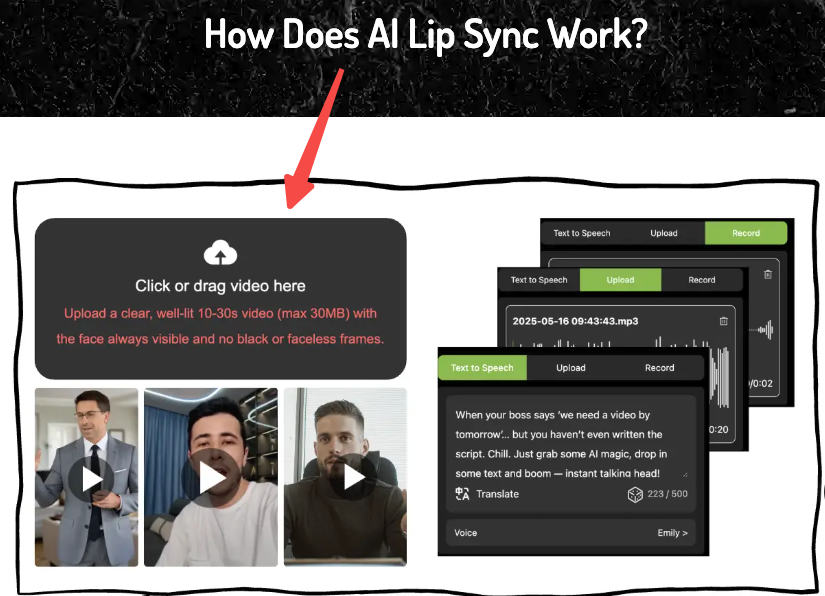
Lip sync in non-English languages is the most common technical failure point. HeyGen’s Avatar IV technology delivers excellent English lip sync, but quality drops noticeably in other languages. Creators producing content in Spanish, French, German, or Asian languages report visible sync mismatches and unnatural mouth movements. Synthesia is more consistent across its supported languages, but has fewer of them.
Expression range is the “uncanny valley” problem. When a script is emotionally neutral — a how-to explanation, a product feature rundown — AI avatars perform well. When the script asks for enthusiasm, sadness, or humor, most avatars flatten out. The eyes, specifically, tend to give it away.
Background generation is still rudimentary across all platforms I tested. Most tools offer solid color backgrounds or basic virtual sets. Photorealistic environmental backgrounds — an avatar standing in a real kitchen, a real office — require either a pre-filmed background or a separate AI image generation step. Don’t expect that out of the box.
Disclosure & Platform Policy Considerations
This section matters more than most guides admit. I’m not a lawyer, but I’ve done the research and you need to understand this before publishing AI influencer content commercially.
FTC Guidelines on AI-Generated Influencer Content
The FTC’s updated Endorsement Guides explicitly cover AI-generated content. As more creators adopt virtual influencers, avatars, and synthetic voices, the FTC has taken a firm stance: these personas must follow the same rules as humans. If you’re using an AI avatar to promote a product, or if an AI-generated personality voices your content, you must disclose both the sponsorship and the fact that AI was involved in creating it.
The FTC’s framework does not distinguish between human and non-human endorsers. When AI is used to generate influencer-style content, disclosure becomes critical. If a virtual influencer promotes a product, consumers must be able to understand that the entity is not a real person and that the content is commercially controlled.
The FTC’s official guidance on endorsements and influencer marketing is the primary reference — it’s publicly available and worth reading directly, not through summaries. Fines for violations can reach $51,744 per violation.
Platform-Specific Disclosure Requirements
Each platform has its own layer on top of FTC rules. Platform-provided disclosure tools — like Instagram’s “Paid Partnership” label or TikTok’s “Sponsored” toggle — can supplement a disclosure but do not replace it. Creators must still ensure that disclosures are clear, conspicuous, and unavoidable within the content itself.
For video content specifically: the disclosure needs to be visible on screen, not just in the caption. For livestreams, it must be repeated verbally as new viewers join. Vague terms like “#spon” or “collab” do not meet the standard. If you’re running AI influencer content in paid ads, check each platform’s ad policy separately — Meta, TikTok, and YouTube have all updated their AI content disclosure requirements.
FAQ
Q: Do I need to disclose that an influencer is AI-generated?
Yes — if the AI influencer is promoting a product or brand in any commercial context. The FTC’s position is that consumers have a right to know both that the content is sponsored and that it’s AI-generated. “AI influencer” or “virtual spokesperson” language in the caption or on-screen is the minimum. Built-in platform disclosure tools alone are not sufficient under current FTC guidance.
Q: Can I use AI influencer content in paid ads?
Yes, with disclosure. Meta, TikTok, and YouTube all allow AI-generated content in paid advertising as of March 2026, but each platform requires disclosure of AI-generated or digitally altered content. Meta’s ad policy introduced mandatory AI disclosure labeling for “realistic” synthetic media in 2024. Check the current policy for each platform before running — these requirements are still evolving.
Q: Can AI influencers speak multiple languages?
Yes. HeyGen supports 175+ languages with lip-sync translation. Synthesia supports 140+. Quality varies significantly by language — English and Spanish are consistently strong across both platforms. Less-common languages may show visible sync drift or unnatural pronunciation. Always render a test clip in your target language before committing to a production run.
Who This Is For (and Who It Isn’t)
AI influencer tools are a strong fit if:
- You’re building a faceless content channel and need a consistent on-camera persona
- You’re a brand running multilingual campaigns and re-filming in every language isn’t feasible
- You’re a solo creator who wants to scale video output without being on camera every shoot
- You need a consistent brand mascot that can appear in dozens of videos without scheduling conflicts
These tools are not the right fit if:
- Authentic personal connection is your core differentiator — a real creator’s face, personality, and community build trust that AI avatars genuinely can’t replicate yet
- Your content involves physical demonstration — cooking, fitness, product unboxing — where a talking head avatar adds nothing
- You’re targeting an audience that will immediately spot and react negatively to AI content (some communities are particularly sensitive to this)
Verdict
For most creators and small marketing teams, HeyGen at $29/month is the starting point — it has the best balance of avatar realism, workflow speed, and accessible pricing. If you need the free tier to test first, Colossyan is the most generous option without a credit card.
For multilingual brand campaigns and enterprise compliance, Synthesia is the more serious infrastructure choice — it costs more but produces more consistent results across languages and clears legal review more easily.
Creatify is the outlier that deserves more attention than it gets — it’s not trying to make beautiful videos, it’s trying to make high-converting ad variations at speed, and for that specific use case, nothing else works quite the same way.
Previous Posts: