Last week I revisited a dark atmospheric horror prompt that Midjourney and DALL·E 3 rejected almost instantly. I switched tools and had the image in under a minute. This persistent gap between mainstream corporate filters and what artists actually need explains why “uncensored AI image generator” remains a top search in 2026.
I’m Dora, and I’ve tested dozens of image generation tools across creative, NSFW, and experimental workflows over the past two years. This guide cuts through marketing hype, compares real options with verified current pricing and capabilities (as of May 2026), and clarifies persistent legal limits with stronger sourcing.
What “Uncensored” Actually Means
Relaxed filters do not mean no rules
When a tool markets itself as “uncensored,” it almost never means there are zero restrictions. What it usually means is one of three things:
The platform has looser content filters than mainstream tools. Platforms like Midjourney, DALL·E, or Adobe Firefly use multiple layers of moderation (prompt filtering, generation filtering, output checks). “Uncensored” tools typically remove some of these layers, but still keep basic restrictions.
The platform shifts responsibility to the user. Some platforms don’t actively block many prompts and instead rely on users to follow the rules. That doesn’t remove legal or policy restrictions — illegal content is still forbidden, and the platform can still enforce its terms.
The underlying model has fewer restrictions than fine-tuned commercial variants. Open-source models like Stable Diffusion or Flux were trained without strict commercial guardrails. Running them locally or on lightly moderated platforms gives you access to more of their raw capability, but not a rule-free system.
Honest framing: “Uncensored” usually means fewer arbitrary blocks on legitimate creative work (horror, dark fantasy, mature themes), not a rule-free system. All platforms still prohibit illegal content.
Hosted tools vs local models
There are two fundamentally different ways to access less-filtered image generation, and they have very different tradeoffs.
Hosted platforms (Mage.space, Venice.ai, Perchance AI, BasedLabs, etc.) These run on external servers, so they’re easy to use — no setup, no hardware, just a browser. The downside is that you’re still bound by the platform’s rules and infrastructure. Even “permissive” services have limits, and those can change quickly due to payment processors or hosting providers, sometimes without much warning.
Local models (Stable Diffusion via AUTOMATIC1111 or ComfyUI) These run entirely on your own machine. Nothing is sent to a server, so you have full privacy and no platform restrictions on prompts or usage. The tradeoff is setup complexity: you need a capable GPU, Python, Git, and some technical setup time. You’re also fully responsible for what you generate under your local laws.
For most creators, hosted tools are where you start. For anyone who runs into consistent friction or cares deeply about privacy, local is worth learning.
Top Uncensored AI Image Generators
Strong entry point with broad model support (including Flux variants) and LoRA/ControlNet. Free tier offers generous unlimited standard generations (with queues and public gallery). NSFW allowed within legal bounds. Paid plans start at Basic ~$10/month for unlimited faster generations. Good for testing but watch queue times on free tier.
Venice.ai
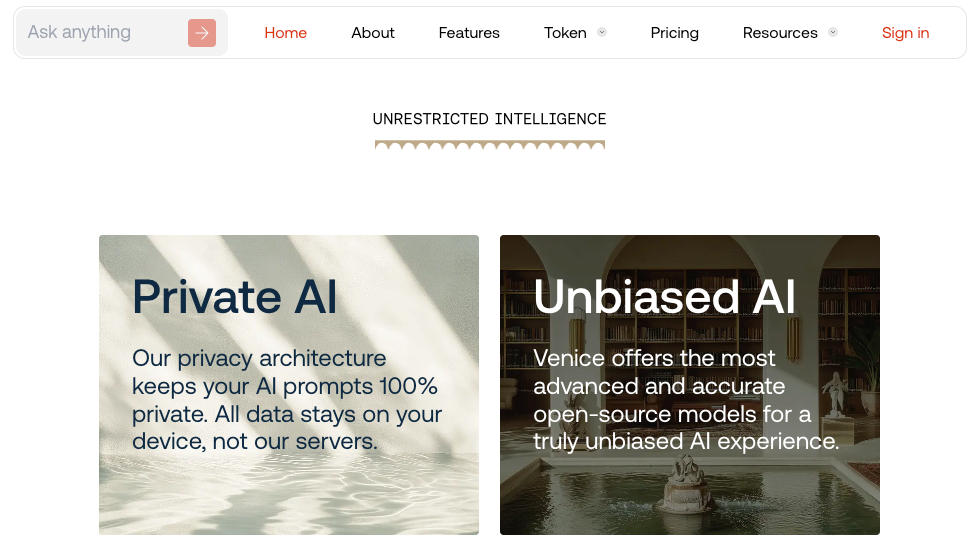
Privacy-first platform that emphasizes no server-side storage of prompts/outputs for core use. Flux-based models deliver solid quality. Free tier limited (e.g., ~15 image prompts/day); Pro plan (~$18/month) unlocks higher limits, advanced models, and mature content options. Combines chat, search, and generation. Excellent for users prioritizing privacy.
Perchance AI
True zero-friction option: no login, no credits, unlimited generations. Useful for quick ideation and concept testing. Quality ceiling is lower and outputs can be inconsistent, but it’s genuinely unrestricted for most creative (including mature) prompts. Best as a scratch pad rather than production tool.
BasedLabs
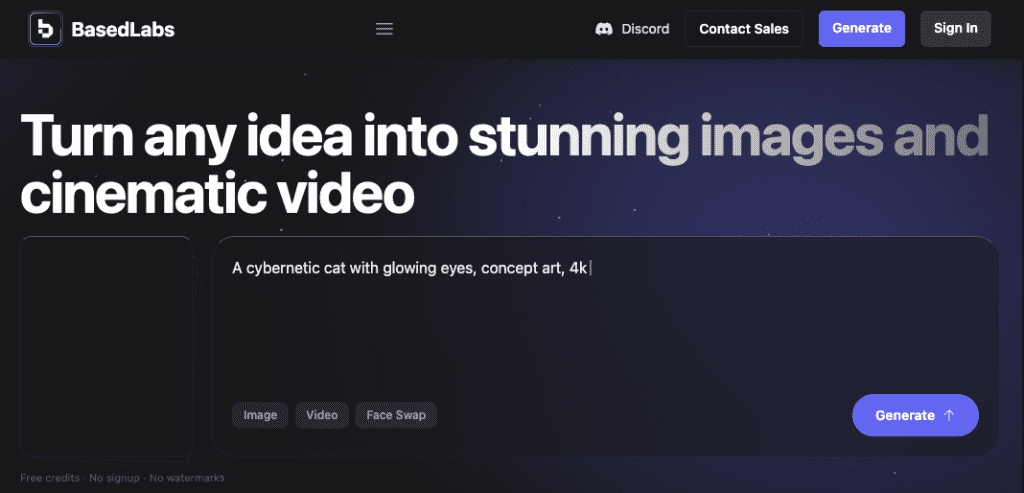
Stands out for granular controls (seeds, samplers, guidance). Private outputs by default with focus on reproducibility. Credits-based pricing (no forced subscription): e.g., $10 for ~300 credits (~80 images), $29 Creator pack, etc. Strong for project-based users who want control without monthly commitments.
Local: Automatic1111 (Forge) / ComfyUI
Full control, complete privacy, no usage limits. Forge is the smoother modern fork of Automatic1111. ComfyUI dominates advanced workflows.
Hardware (2026)
SD 1.5 comfortable on 6-8GB VRAM; SDXL on 8-12GB+; Flux ideally 12GB+. RTX 3060/12GB remains a popular sweet spot. Models from Civitai and Hugging Face — always check individual licenses for commercial use.
Free vs Paid Uncensored Options
Free tiers have improved significantly, but mature/uncensored features and speed often require payment. Local setups eliminate recurring costs after initial hardware investment.
Key verified pricing (May 2026):
Local: One-time GPU cost.
Mage.space: Free unlimited (queued); Basic ~$10/mo.
Venice.ai: Free limited; Pro ~$18/mo.
BasedLabs: Credits-based, no subscription required.
Perchance: Completely free/unlimited.
Self-Hosted Uncensored Workflows
Running locally is the most control you’ll ever have — and the tradeoffs are worth understanding clearly.
Hardware requirements: SD 1.5 runs on 4GB VRAM, SDXL needs 8GB+, and Flux models want 12GB+ for comfortable use. An RTX 3060 (12GB) covers most workflows. Integrated graphics won’t work for real-time use; CPU generation is possible but takes 5–15 minutes per image.
AUTOMATIC1111 is still the gentlest on-ramp. The web interface is form-based — sliders, dropdowns, a prompt box — and it works for most use cases without needing to understand how anything connects under the hood. Setup on Windows: install Python 3.10.6, install Git, clone the repo, drop a model file into the checkpoints folder, run the bat file. The full setup guide is genuinely one of the clearer ones I’ve found for both Windows and Mac.
ComfyUI is what I’d recommend if you’re serious. Node-based, more flexible, faster to adopt the latest techniques — most advanced workflows in the community are ComfyUI now. Steeper learning curve upfront, but you end up with reusable, shareable workflow files rather than a mess of settings you can’t reproduce.
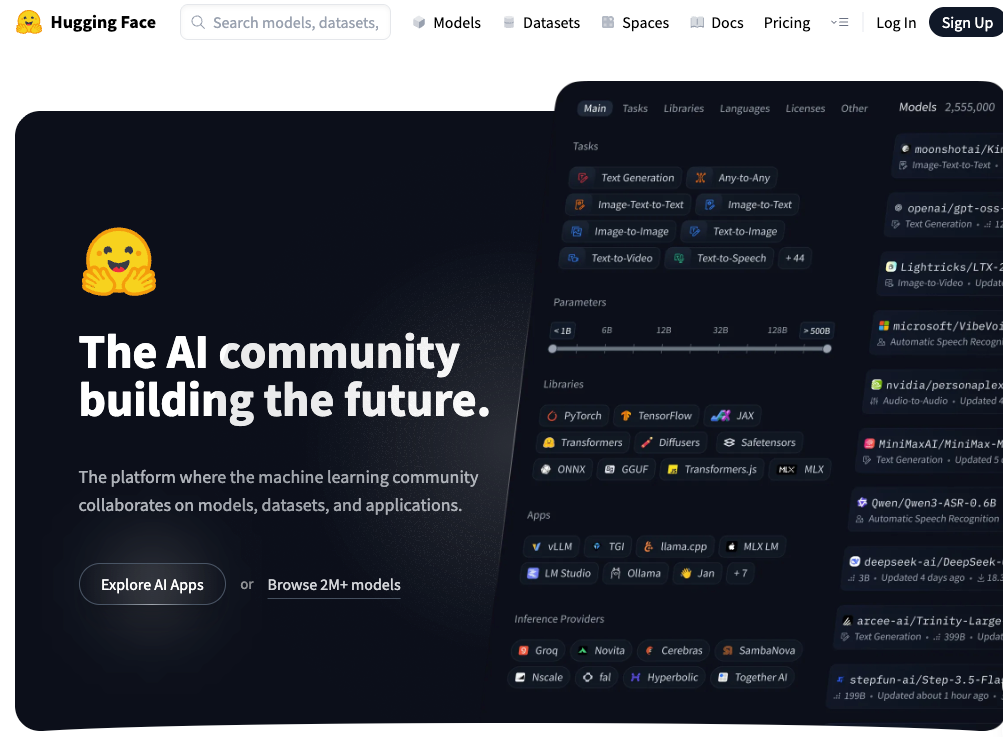
Models: The main repositories are Hugging Face and CivitAI. For unrestricted outputs, you want fine-tuned checkpoints built on base Stable Diffusion or Flux — check the model’s own license before using for commercial work, because they vary significantly.
What you actually get: Full control over every generation parameter. Zero usage limits once setup is done. Complete privacy — nothing leaves your machine. No risk of platform policy changes affecting your workflow. The aesthetic ceiling is genuinely higher than most hosted tools when you know what you’re doing.
Comparison Table
| Tool | Type | Uncensored Level | Quality | Privacy | Cost |
| Mage.space | Hosted | Medium-High (free filters on) | High (Flux.1) | Low | Free / $8+ |
| Venice.ai | Hosted | Medium (structural privacy) | Good | High | Free / ~$9+ |
| Perchance AI | Hosted | Medium | Lower | Medium | Free |
| BasedLabs | Hosted | High (paid) | High | High | Credits |
| AUTOMATIC1111 | Local | Full | Model-dependent | Complete | GPU cost |
| ComfyUI | Local | Full | Model-dependent | Complete | GPU cost |
“Uncensored level” here means how much platform-level filtering is added on top of what the base model does. “Full” for local tools means the platform adds nothing — the model itself may still have tendencies from its training.
Hard Legal Limits Even Uncensored Tools Cannot Cross
This is the part nobody wants to read, but it matters.
No tool — hosted or local, however “uncensored” it claims to be — removes your legal responsibility for what you generate. A few categories are hard limits that apply regardless of which platform you use or where you run a model:
AI-generated CSAM is illegal. This is worth stating clearly: AI-generated child sexual abuse material is illegal at the federal level in the US, with the ENFORCE Act of 2025 specifically closing gaps in how AI-generated content is prosecuted. 45 US states have their own laws. EU, UK, Australia, Canada, and most jurisdictions with child protection laws have equivalent or stricter positions. “It’s AI-generated” is not a defense.
Non-consensual intimate imagery of real people. The TAKE IT DOWN Act, signed in May 2025, makes it a federal crime to publish non-consensual intimate imagery online, including AI-generated deepfakes of real, identifiable people. Several states have additional laws with serious penalties — New Jersey has fines up to $30,000.
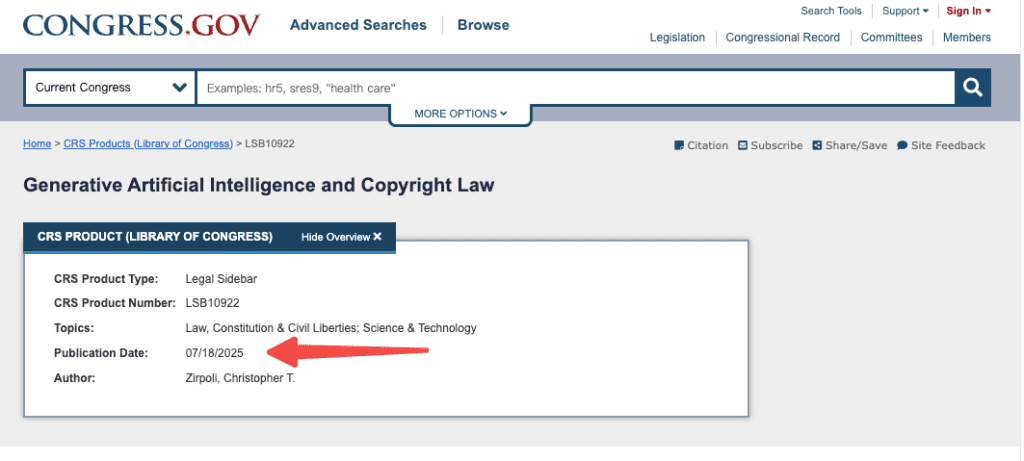
Copyright. Generating images substantially similar to copyrighted works can expose you to infringement claims, particularly when using models trained on copyrighted content. The Copyright Office’s 2025 report concluded that “some uses of copyrighted works for generative AI training will qualify as fair use, and some will not” — litigation is ongoing, and the picture isn’t settled.
Defamation and real person likeness. Generating false or damaging imagery of real people — even as AI art — carries defamation and likeness risk depending on jurisdiction and context.
These limits exist whether you’re running locally on your own hardware or using the most permissive hosted platform on the list. “Uncensored tool” removes platform filtering. It does not remove law.
FAQ
Are uncensored AI image generators legal?
The tools themselves are legal in most countries. What matters legally is the content you generate and how you use it. Generating adult content for personal use is generally legal for adults in most jurisdictions. Generating CSAM, non-consensual intimate imagery of real people, or defamatory content about real individuals crosses into illegal territory regardless of the tool.
Are uncensored tools really filter-free?
Not fully. Most hosted platforms still block illegal or high-risk content (especially CSAM). “Uncensored” usually just means fewer restrictions than mainstream tools like Midjourney, not zero moderation. The closest to no filtering is running local models on your own hardware, but even then the model still reflects its training data.
Can I sell uncensored AI art?
Sometimes. It depends on both the platform and the model license. Many hosted tools allow commercial use on paid plans. For local models, it depends on the specific model: some (like Stable Diffusion variants) allow commercial use, while others have restrictions. Always check the exact model’s license, not just the base framework.
Wrapping Up
The “uncensored AI image generator” space in 2026 is a spectrum — not a binary between “fully censored” and “anything goes.” Most tools landing in this category are really “less filtered than Midjourney,” which is a meaningful difference for horror artists, fantasy illustrators, adult content creators, and anyone who’s been frustrated by aggressive moderation blocking legitimate work.
For most creators, I’d start with Mage.space’s free tier to test what’s available, move to Venice.ai if privacy matters more than model variety, and invest the GPU setup time for AUTOMATIC1111 or ComfyUI if you’re serious enough about it to want full control.
Just remember: the tool removing its filters doesn’t remove yours. Know what you’re making and why, and stay aware of the legal lines that don’t move regardless of what the platform allows.
I’ll keep this updated as the model landscape keeps shifting — it’s moving fast enough that some of this will look different by Q3.
Previous Posts: