I’m Dora. Adult AI video briefs can look simple when they arrive as one short NSFW prompt, but the real work starts before generation. A responsible team has to decide whether the request is fictional, consensual, platform-safe, and properly documented. This checklist is written for creator teams, agencies, and operators who handle adult-themed briefs and need a safer review workflow, not a prompt library or generation tutorial.
What NSFW Prompt Requests Usually Mean
An NSFW prompt is rarely just a creative sentence. For a production team, it is a request with privacy, consent, copyright, likeness, brand, and publishing consequences. The safer way to handle prompt NSFW requests is to treat them as production inputs that must be screened before any image, script, or video output is generated.
Adult-style creative intent
Some adult-style briefs are fictional, staged, and clearly separated from real people. Those may still require platform and rights review, but they are different from requests built around a real person, leaked material, a celebrity name, or private images. When someone asks for best NSFW prompts, the team should not respond with reusable wording. The better response is to classify the intent, confirm boundaries, and decide whether the request can move forward at all.
Image, writing, and video use cases
An NSFW AI prompt can target still images, written scenes, character descriptions, or AI video shots. Video raises extra risk because motion, voice, framing, and resemblance can make synthetic content feel more personal and more believable. In real brief reviews, the risky part is often not the adult theme itself, but the reference material attached to it: a social profile, a private photo, a real name, or a request to make the output resemble someone specific.
Why prompt wording creates risk
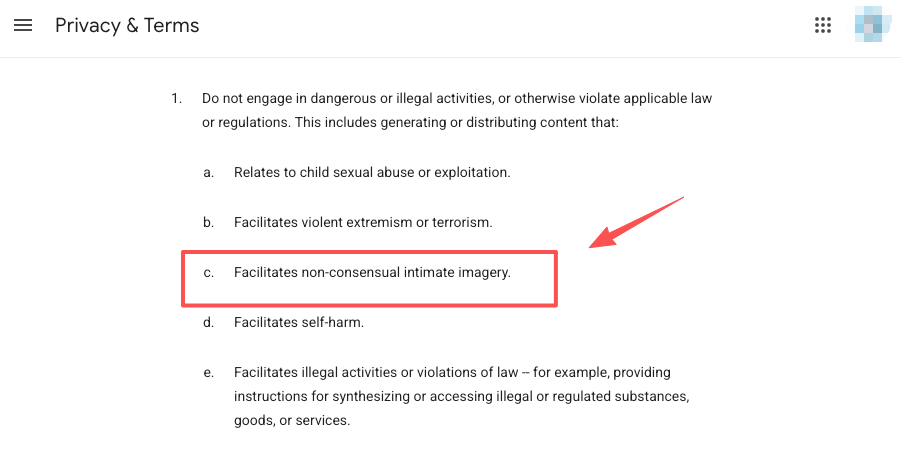
Prompt wording can turn a general adult concept into a likeness, harassment, privacy, or non-consensual intimate image issue. A fictional adult character is one category. A request based on a real person is another. Team policy should also reject attempts to bypass safety systems, since Google Generative AI Prohibited Use Policy covers non-consensual intimate imagery, privacy violations, and safety-filter circumvention in covered products.
Prompt Safety Checklist Before Generation
A practical adult prompt workflow happens before generation, not after an output already exists. The reviewer should read the brief, inspect attached assets, check the intended publishing channel, and record why the request was approved, revised, escalated, or rejected.
Fictional-only scope
The safest starting point is fictional-only scope. The prompt should describe an invented adult character, invented setting, and invented scene direction without borrowing a real person’s identity. Fictional does not mean consequence-free. Teams still need age boundaries, platform checks, copyright review, and brand approval. But fictional-only scope gives reviewers a cleaner baseline: no real-person name, no celebrity reference, no private source image, and no claim that a real person appears in the output.
Real-person and likeness exclusions
Real-person exclusions should be written plainly. The team should reject prompts that ask for celebrities, influencers, clients, coworkers, ex-partners, classmates, or any identifiable private person in adult framing. This includes lookalike phrasing, face references, voice references, and requests based on public social-media images. Public visibility is not consent for adult synthetic depiction.
Consent and source material notes
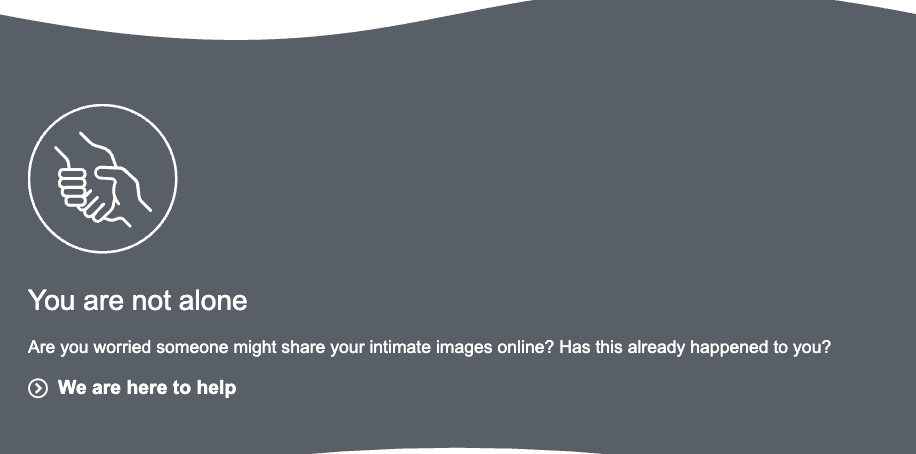
Consent should be specific enough to audit later. A vague statement like “we have permission” is weak. Stronger notes identify the approved fictional concept, the permitted source assets, who supplied them, what use was authorized, and what channels are allowed. For non-consensual intimate image concerns, StopNCII non-consensual intimate image prevention and the Take It Down service for minors are important safety references for removal and prevention contexts, not production shortcuts.
Team Rules for Handling Risky Requests
AI video prompt safety works best when reviewers do not improvise every decision. The team needs a shared refusal standard, a short logging habit, and a path for unclear cases.
Rejecting unsafe briefs
Unsafe briefs should be refused without rewriting them into something usable unless the safe alternative is clearly fictional and consent-respecting. The refusal should avoid repeating explicit prompt wording. A good team response names the category, such as real-person likeness, celebrity adult framing, private image use, minor-related risk, coercive framing, or platform-prohibited sexual content. This keeps the conversation professional and reduces the chance that unsafe wording spreads through internal tools.
Logging blocked requests
Blocked request logs should capture enough information to protect the team, but not so much that the log becomes a risky archive. A minimal record is usually stronger: date, requester role, project name, risk category, reviewer, decision, and next action. Do not paste the full prompt if it contains personal data, explicit real-person references, or private image descriptions. The log exists to prove consistent review, not to preserve unsafe material.
Escalating unclear cases
Escalation is needed when a brief is fictional but close to a known person, when consent documents are unclear, when an agency receives third-party assets, or when the publishing channel has stricter rules than the creation tool. A senior producer, legal contact, platform lead, or trust-and-safety owner should decide before generation. If nobody owns the decision, the project should pause.
Limits, Rights, and Platform Boundaries
This article is not legal advice or platform compliance advice. Adult content, likeness rights, copyright, advertising rules, and platform policies must be checked against current official rules, contracts, and authorization records before publishing.
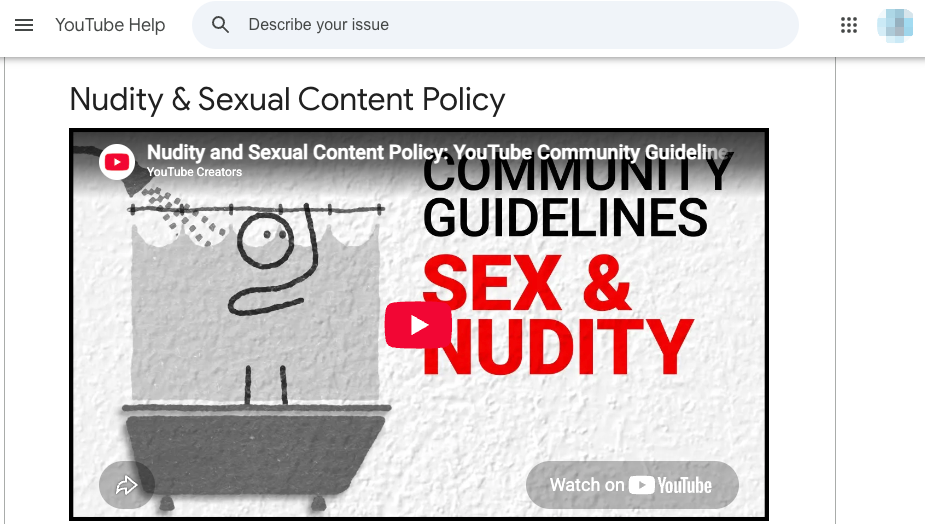
For video teams, the biggest mistake is treating generation approval as publishing approval. An adult-themed AI draft may pass an internal creative review and still fail platform review. YouTube nudity and sexual content policy sets separate upload boundaries, while YouTube altered or synthetic content disclosure matters when realistic synthetic media could affect viewer understanding. Commercial teams also need claim discipline when AI capabilities, endorsements, or generated outputs are presented to customers.
Copyright is a separate review lane. A fictional adult scene can still use copyrighted style references, music, scripts, brand assets, or character elements in ways that create risk. U.S. Copyright Office AI and copyright guidance is a useful starting point for understanding why authorship, source material, and human contribution should be documented.
FAQ
Who owns blocked prompt records after delivery?
Blocked prompt records should belong to the project owner or compliance lead, not an individual freelancer’s private workspace. If an agency delivers work to a client, the handoff agreement should define whether rejected-brief records stay with the agency, move to the client, or are retained only as a redacted audit trail.
What should be redacted before sharing prompt notes?
Prompt notes should remove real names, private image details, contact information, social handles, explicit likeness references, and any wording that could be reused as an unsafe prompt. Keep the risk category and decision rationale. Remove the material that creates the risk.
When should a team update its prompt policy?
A policy should be updated after a platform rule change, a client dispute, a blocked request pattern, a new model capability, or a failed internal review. Teams should also update it when adult content moves from still images into AI video, because motion, voice, and continuity introduce new likeness and consent risks.
How long should unsafe request logs be retained?
Retention should match the team’s contract, legal obligations, privacy policy, and risk tolerance. Logs should not be kept forever by default. A fixed retention window, redaction process, and deletion owner make the archive easier to defend and safer to manage.
Conclusion
NSFW prompt work needs a safety process before creativity begins. For AI video teams, the useful checklist is not a library of generation tricks. It is a review system that keeps adult concepts fictional, excludes real-person likeness, documents consent, rejects unsafe briefs, and records decisions without preserving harmful material. That discipline protects creators, clients, reviewers, and the people who should never become source material for adult synthetic media.
Previous Posts: