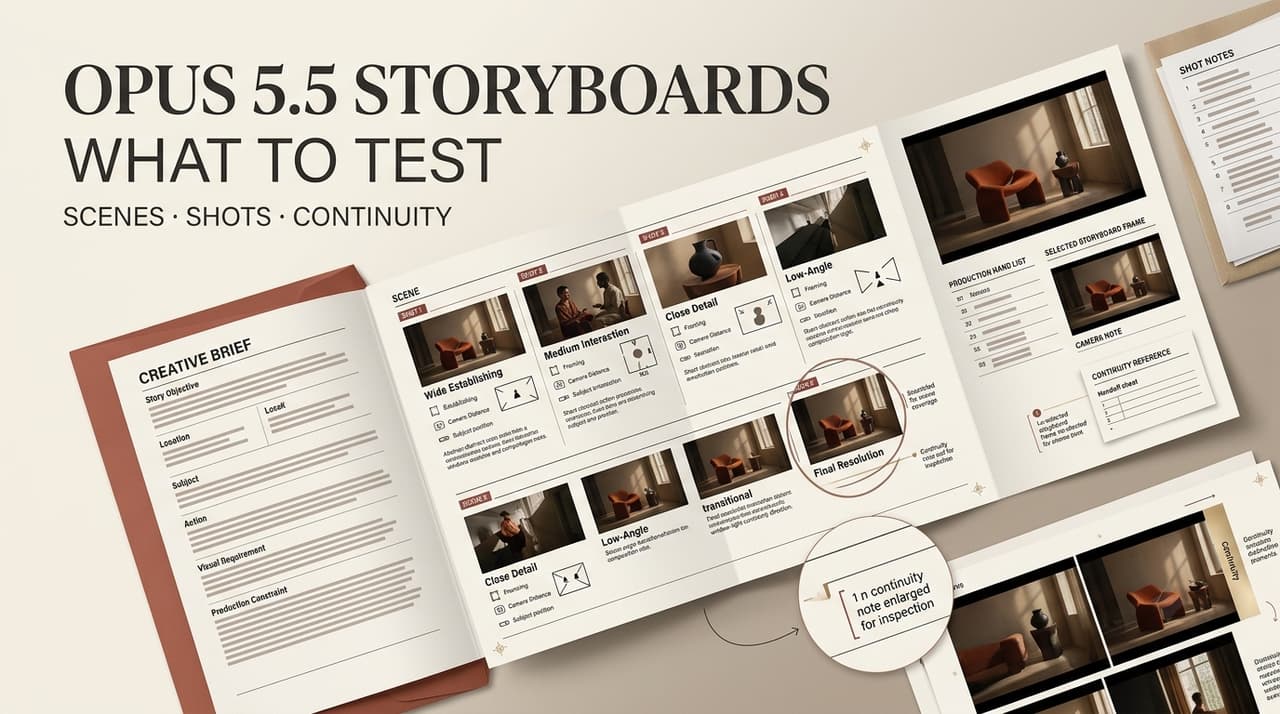
A Claude Opus 5.5 storyboard should be judged as a written preproduction test, not as a finished board or video. Anthropic launched Opus 5.5 on September 22, 2026, for complex knowledge work and stronger communication, but that does not prove superior storyboard planning. This review sets out one fixed-brief method for judging scene coverage, shot structure, continuity notes, and handoff. It does not claim hands-on results or a model-quality winner.
Launch-week search results include demonstrations and workflow commentary, not a controlled independent comparison using one shared brief. They can inform a test design, but they are not evidence that a model produces production-ready boards.
Quick Verdict for Video Preproduction
Opus 5.5 is a video preproduction AI candidate for teams needing structured planning notes, not automatic visual production. The Opus 5.5 launch details support its complex-work positioning; only a controlled brief can show whether it preserves video constraints.
Define One Storyboard and Shot-List Test
Use one representative brief and freeze its inputs before prompting.
Use a Brief With Fixed Deliverables
Supply a short script, runtime, format, audience, approved facts, and reference assets. Request a scene outline, numbered Claude Opus 5.5 shot list, continuity notes, and asset log. A 30-second product film, for example, can require a hook, interaction, proof moment, and end card.
Lock the source files and identify the brief owner. When a revision is needed, log whether it changes story, product facts, visual style, or delivery format. This keeps a Claude video workflow from mistaking a prompt revision for model improvement.
Set Acceptance Criteria Before Asking Claude
Require a visual purpose for every beat; framing, movement, duration, and assets for every shot; and a source for every claim. Flag invented props, missing transitions, contradictory details, or unfilmable camera instructions. This makes AI storyboard planning a review task, not a writing contest.
Evaluate Story Structure and Shot Coverage
Check whether story intent becomes usable visual decisions.
Check That Every Beat Has a Visual Purpose
Each beat should establish information, advance action, reveal a key detail, or motivate a transition. Mark narration with no visual consequence, repeated coverage, and missing reaction or product shots. More shots do not solve unclear coverage.
Check Framing, Movement, Duration, and Assets
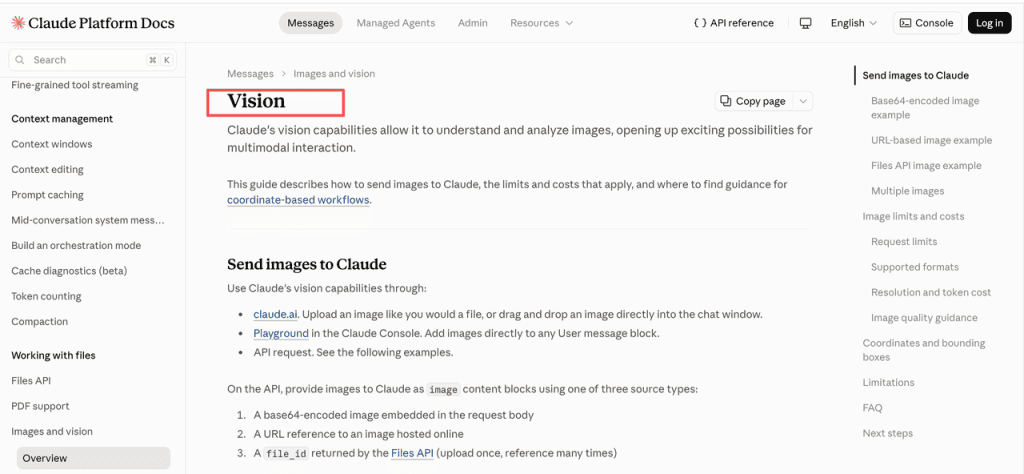
A storyboard specification should name subject, framing, movement, duration, action, audio cue, and required asset. Claude vision inputs, formats, and limits help assess reference-file compatibility, not perfect image interpretation or spatial accuracy.
Evaluate Continuity and Production Handoff
Continuity and handoff decide whether a text draft can enter production.
Find Contradictions Across Scenes
Compare repeated characters, products, locations, time of day, claims, and scene geography. Ask the model to list continuity assumptions, then check them against the brief. A confident description can still conflict with an earlier scene.
For each issue, identify the earliest affected shot and the downstream dependency. A revised wardrobe note may alter reference imagery, generated clips, captions, and edit timing. This is where a continuity log adds more value than another prompt rewrite.
Check Shot IDs and Notes for Downstream Use
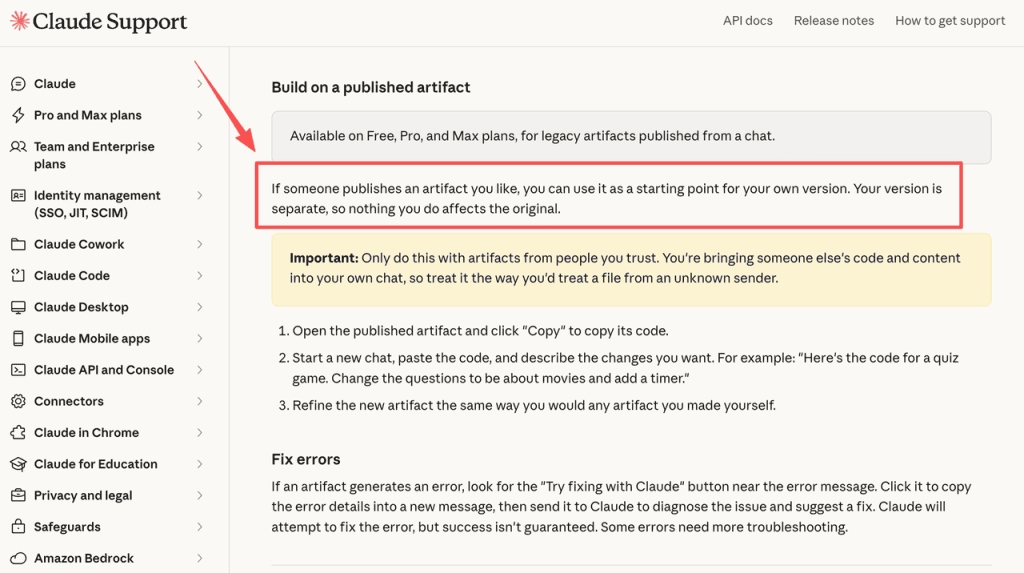
Give every row a stable ID, such as S02-03, connected to source assets, clips, edit comments, and revisions. Artifact copy and download options can support a manual handoff; native timeline sync, video generation, and production-system export are unconfirmed.
Separate Model Output From Human Direction
The model can propose structure and surface omissions. A human still owns creative intent, factual claims, casting, rights, safety, production feasibility, and final approval. The practical question is whether the next person can act without guessing.
A producer should reject a polished output that lacks a source, owner, or fallback. That review discipline matters more than the length of the model’s response, particularly when the brief contains client-facing claims or licensed material.
Who Should Test Opus 5.5 Now
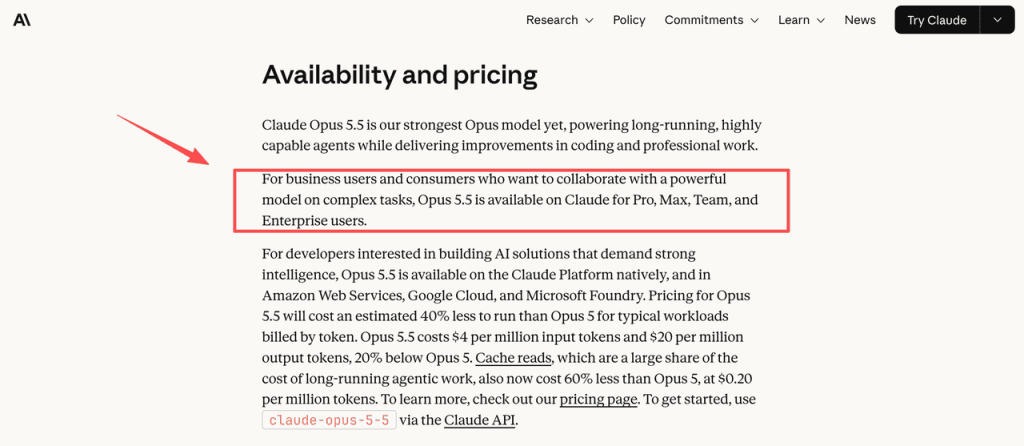
Test now if a creator, producer, or small team already uses repeatable briefs and can review the result. It is a poor fit for teams expecting a completed visual storyboard or automatic video assembly. Paid Claude plan and API availability currently covers eligible Pro, Max, Team, and Enterprise users; recheck access and usage in the active account.
FAQ
Which Claude plans currently include Opus 5.5?
As checked September 24, 2026, Pro, Max, Team, and Enterprise are listed. Regional availability and usage limits can differ, so confirm the live plan before scheduling work.
Can Opus 5.5 review reference images in the same session?
Claude supports image uploads, but confirm the active account, file type, image count, and model session. Reference images should guide review, not replace human fact checking.
Can a storyboard table be exported to a production document?
Copying or downloading may be available through the active feature, but a person must still check columns, stable shot IDs, formatting, and compatibility with the receiving system.
What model name identifies Opus 5.5 in the Claude API?
Anthropic currently identifies it as claude-opus-5-5. Confirm the current identifier and any dated variant before shipping an API implementation.
What data controls apply to uploaded preproduction materials?
Controls differ by consumer or commercial product, plan, administrator settings, feedback, and opt-in choices. Review retention and access terms before uploading confidential scripts or unreleased assets.
Conclusion
Claude Opus 5.5 is worth testing as a planning assistant, not treating as a finished storyboard system. Run one fixed brief, score coverage and handoff, then adopt only the parts that withstand human review. Commercial-data training defaults are only one check; current plan controls still matter.