
Leo here. A creator once asked me whether a “no limit” adult video tool was worth testing. The pitch sounded tempting: fewer blocks, faster experiments, more freedom, no constant rejection messages. Then I asked what they planned to upload first.
A private reference image.
That is where the conversation changed. Nsfw ai video generator no limit claims often sound like creative freedom, but for adult video creators, they can also mean fewer guardrails, weaker review habits, and more chances to create files that should never exist.
This article is a risk guide, not a tool list. It does not explain how to find no-limit tools, bypass filters, generate explicit prompts, or route users toward unrestricted platforms. It is also not legal or platform compliance advice. Adult content law, privacy rules, copyright, likeness rights, consent, payment policies, and platform rules vary by region and change over time. Always verify official documentation before testing or publishing.
What “No Limit” Claims Usually Promise
A no limit NSFW AI video generator usually sells the feeling of fewer interruptions. The language may suggest more outputs, fewer restrictions, broader mature styles, or more control over adult scenes.
That promise needs careful reading. “No limit” can mean many different things, and some of them are not good for production teams.
Fewer generation caps
Some no-limit claims focus on volume. The tool may imply that creators can make more drafts, more variations, or longer tests without running into ordinary limits.
For creative exploration, that sounds useful. But volume can become a risk multiplier. If a team generates dozens of adult drafts without consent records, version labels, or deletion rules, it does not have more creative freedom. It has more unmanaged files.
Fewer content blocks
Other claims imply fewer content blocks. This is where creators should slow down. A system that blocks less may also prevent less harm.
Safety filters are imperfect, but removing friction around adult content can make it easier to create real-person likeness abuse, non-consensual scenarios, unclear-age outputs, or platform-violating material. If a tool markets itself mostly around what it does not block, treat that as a review trigger.
Broader adult-style outputs
An unlimited NSFW AI video pitch may also suggest broader adult-style outputs. The problem is that broader output does not mean broader permission.
A file can be technically generated and still be unusable. It may violate consent, resemble a real person, break a platform rule, conflict with commercial terms, or create a privacy problem the creator cannot undo.
Why No-Limit NSFW Video Is Risky
The risk is not only the final clip. It is the whole path: upload, prompt, generation, review, storage, export, and publication.
Consent escalation
No-limit tools can push creators from fictional testing into risky identity territory. One draft becomes a more realistic draft. A synthetic character starts resembling a public creator. A client asks for “someone like this person.” The team keeps going because the tool allows it.
That is consent escalation. It happens when the workflow expands beyond the original safe boundary.
StopNCII.org, which focuses on non-consensual intimate image abuse, is a useful reminder that intimate media misuse creates real harm. A professional adult workflow should be designed to stop questionable requests early, not test how far they can go.
Data and upload exposure
Upload exposure is one of the least glamorous risks, and one of the most important. Adult source images, voice files, prompts, and exports may contain sensitive personal information. If a tool’s privacy terms, retention rules, vendor access, or deletion controls are unclear, do not upload sensitive material.
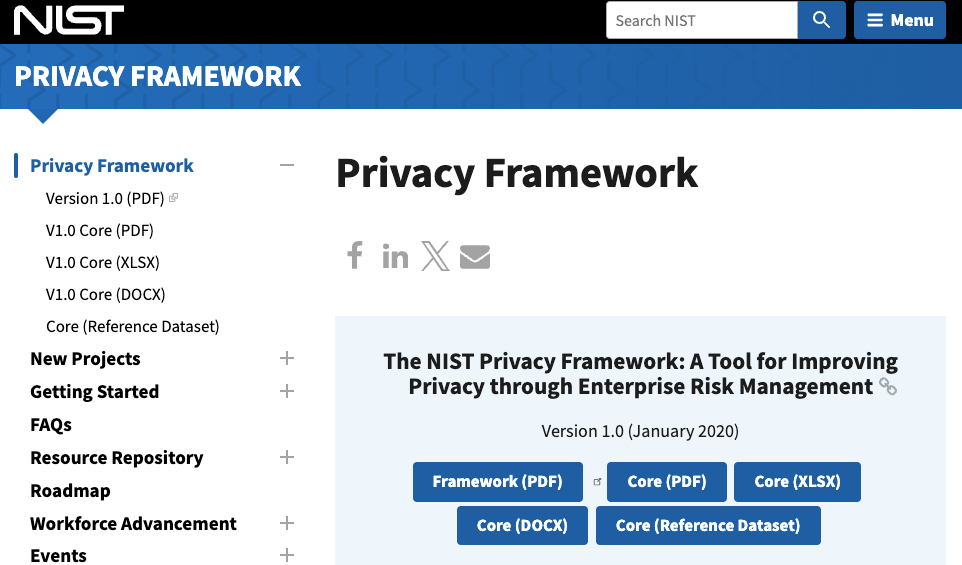
The NIST Privacy Framework treats privacy as an enterprise risk management issue. That mindset fits adult AI testing well. A creator should know what data enters a tool, why it enters, who can access it, and how it leaves.
Platform rejection risk
A generated file is not the same as a publishable file. Platforms may restrict adult content, synthetic media, non-consensual imagery, sexualized impersonation, or links to prohibited services.
YouTube’s nudity and sexual content policy is one example of how strict platform rules can be around sexual content and unwanted sexualization. Even if your content is not for YouTube, the lesson holds: platform review belongs before export, not after upload failure.
Internal Limits Creators Should Set
The best answer to a “no limit” tool is not unlimited production. It is stronger internal limits.
Asset eligibility rules
Asset eligibility rules define what can enter the workflow. For adult video, the safest inputs are synthetic, adult, non-identifiable, and approved for the intended use.
Reject private images, leaked files, unclear-age assets, real-person references, celebrity lookalikes, and anything involving missing consent. If a client provides assets, require written confirmation of ownership, performer approval, usage scope, and publication rights before testing.
Review checkpoints
Review checkpoints should happen before upload, after first output, before export, and before publication. Each checkpoint asks a different question.
Before upload: is the asset eligible? After output: did the tool create a new risk? Before export: is the file labeled correctly? Before publication: does the platform allow this use?
This is the heart of a creator risk checklist. It turns “the tool let us do it” into “the team approved this specific use.”
Export approval
Export approval should be named, dated, and tied to a file version. Adult drafts should not move from the test folder to the publish folder because someone liked the result.
For sponsored adult creator content or paid promotions, review disclosure obligations as well. The FTC’s endorsement guidance is relevant when material connections, paid relationships, or endorsements are involved. Disclosure does not make unsafe content safe, but hidden commercial context adds risk.
When to Stop a Project
Stop when the request depends on real-person sexualization, celebrity resemblance, private content, unclear age, missing consent, hidden-camera framing, coercion, revenge, humiliation, or bypassing platform rules.
Stop when the vendor cannot explain data retention, commercial use, deletion, watermarking, or content policy. Stop when a client asks for unlimited output but refuses written asset approval. Stop when the team cannot identify who owns final approval.
A safe adult video workflow should make stopping normal. The goal is not to generate as much as possible. The goal is to avoid creating files that harm people, violate rights, or cannot be published responsibly.
FAQ
Who approves exceptions to internal adult-content limits?
Exceptions should be approved by the project owner, rights or compliance lead, and the person responsible for publication. For high-risk adult content, one creator should not approve an exception alone.
If no one wants their name on the exception, that is usually the answer.
How long should no-limit test records be retained?
Retention should follow contract terms, privacy duties, and internal policy. Keep enough records to explain what was tested, why it was accepted or rejected, and when access was closed.
Do not keep sensitive adult files longer than necessary. Store the decision record, not unnecessary media.
What should teams do when clients request unlimited output?
Ask for a defined brief, asset eligibility rules, consent proof, usage scope, and review owner. “Unlimited” should be converted into batches, checkpoints, and rejection rules.
If the client refuses boundaries, decline the work. No-limit output is not a substitute for adult video safety rules.
Who reviews vendor changes before more testing?
The workflow owner should review vendor changes with whoever owns privacy, rights, and platform risk. Changes to terms, model behavior, moderation, retention, watermarking, or commercial use should pause further testing until reviewed.
A tool that was acceptable last month may not be acceptable after a policy or ownership change.
Conclusion
Nsfw ai video generator no limit claims are designed to sound freeing. For adult creators, they should trigger more reviews, not less.
The safer path is clear: set asset rules, protect consent, limit uploads, document tests, review exports, and check platform policies before publishing. If a tool’s promise is “no limits,” your workflow needs to provide the limits yourself.
Previous Posts: