Hi there, I’m Dora. I spent way too many credits this month testing three AI video tools back to back — and honestly, the revid ai vs heygen debate kept popping up in every creator Discord I’m in. So I figured I’d just sit down and run all three through the same workflow: same script, same avatar request, same export settings. Jogg AI got thrown into the mix too, mostly because three different people DM’d me asking if it was “the cheap HeyGen.”
Here’s the short version before we go deep: these tools solve overlapping but different problems. Revid AI is built for fast, faceless short-form content. HeyGen is the avatar specialist. Jogg AI sits somewhere in between, with a heavy lean toward product and ad videos. If you came here just to find a heygen alternative, stick around — by the end you’ll know exactly which one fits your workflow.
What Each Tool Is
Revid AI for fast social content
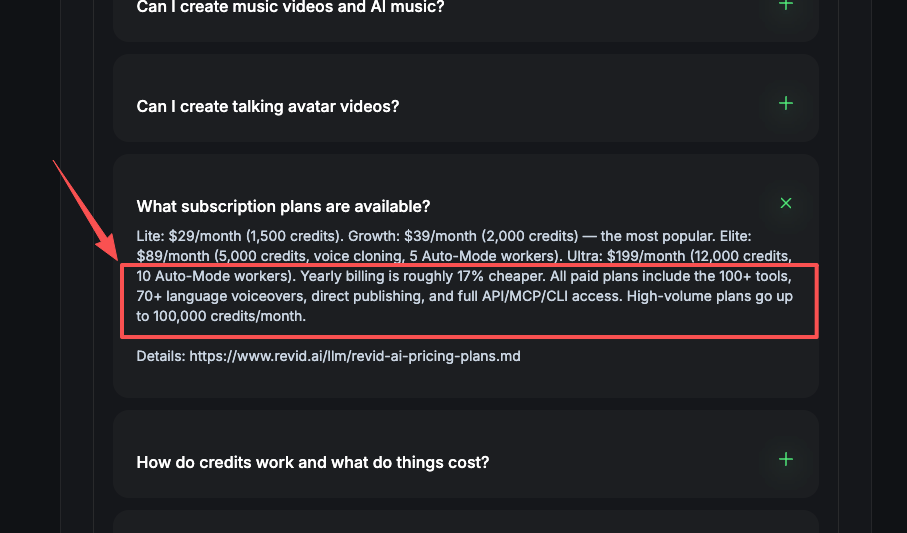
Revid AI is built around one core idea: turn a script, a Reddit thread, or a YouTube link into a vertical short-form video without you touching a timeline. Per the official Revid AI FAQ, every plan includes access to 100+ AI creation tools, a database of 3 million+ viral video examples for inspiration, voice and script generation, and the ability to publish directly to TikTok, Instagram, and YouTube.
I tested it on a “Reddit story” style video — paste in a thread, pick a voice, hit generate. It took about four minutes end to end, and honestly the AI voice selection surprised me. There are 50+ voices according to third-party listings, and a few of them sounded genuinely natural, not the robotic TTS I was bracing for.
The catch — and this is where my revid ai review turns a bit skeptical — is the credit system. Every plan runs on credits, and some of the more advanced tools (auto-mode publishing, premium voice models) eat through them faster than the headline numbers suggest.
HeyGen for avatar-led video
HeyGen is the one most people have at least heard of. Its whole identity is built around digital avatars — talking head videos where a realistic AI presenter delivers your script. According to HeyGen’s official pricing page, the platform now offers Avatar IV and Avatar V engines, 700+ stock avatars on paid plans, voice cloning, and translation into 175+ languages.
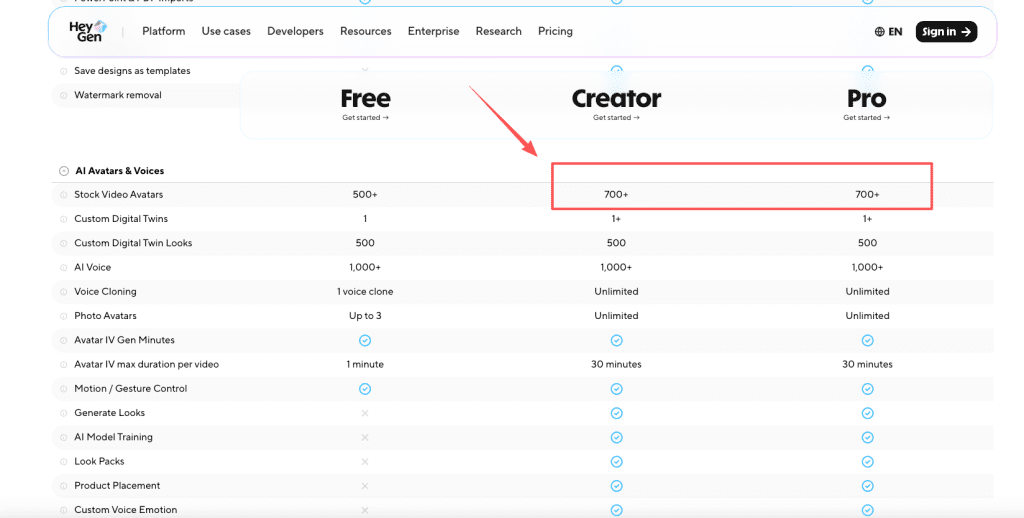
I tested the Avatar IV generation with a custom digital twin (cloned from a 30-second selfie video). The lip-sync was noticeably better than what I got from Jogg AI’s avatar engine — mouth shapes actually matched harder consonants like “B” and “P,” which is usually where AI avatars fall apart.
The tradeoff: Avatar IV and Video Agent burn credits fast. HeyGen’s FAQ confirms Avatar IV/V videos consume 20 credits per minute, versus just 3 credits per minute for the older Avatar III engine. If you’re not paying attention, a single 5-minute Avatar IV video can wipe out a big chunk of your monthly allowance.
Jogg AI for product or marketing workflows
Jogg AI’s standout feature is URL-to-video — paste a Shopify or Amazon product link, and it pulls images, copy, and pricing to auto-generate a product ad with an avatar narrating over it. Per JoggAI’s official pricing page, the platform offers 450+ stock avatars, AvatarX (its advanced avatar model), face swap, and access to third-party video models including Veo 3 and Seedance 2.0 on paid plans.
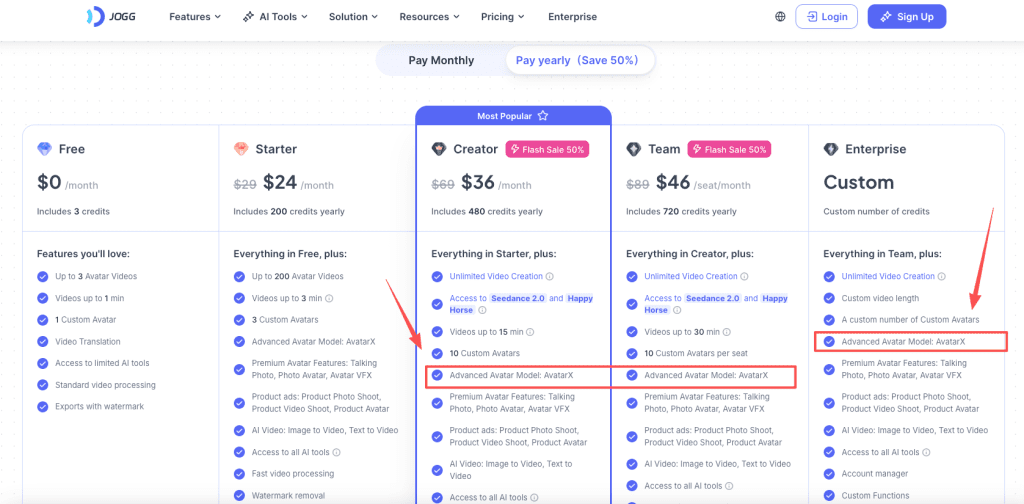
I ran the URL-to-video feature on a product listing I sell, and — not gonna lie — the auto-extraction was impressive. It grabbed the right product images and pulled pricing correctly. But the avatar narration over those images felt more like a slideshow with a voiceover than a true UGC-style ad. If your mental model is “TikTok Shop creator content,” this isn’t quite that — it’s closer to an automated infomercial.
Core Differences Table
Here’s the side-by-side I wish someone had handed me before I started testing.
| Feature | Revid AI | HeyGen | Jogg AI |
| Core strength | Fast faceless short-form / Reddit-to-video / viral templates | Realistic AI avatars & lip-sync (Avatar IV/V) | Product/URL-to-video ads & ecommerce workflows |
| Free plan | Limited / trial tools (no full free plan per most sources) | Yes — 3 videos/month, watermarked | Yes — 3 credits, 1-min videos, watermarked |
| Entry paid tier | Hobby/Growth: ~$39/mo (often promo; 2,000 credits on Growth) | Creator: $29/mo ($24 annual) — ~200 Premium credits | Starter: $29/mo ($24 annual) — 200 credits/year |
| Mid tier | Ultra: $199/mo (12,000 credits) | Pro: ~$99/mo (higher credits, 4K) | Creator: $69/mo ($36 annual) — 480 credits/year |
| Avatar quality | Basic/template-driven | Avatar IV/V — strongest lip-sync | AvatarX — decent, but lip-sync less precise than HeyGen |
| Max video length (entry) | Short-form focused (varies) | Up to 30 mins (Creator+) | 3 mins (Starter), 15 mins (Creator) |
| Language support | 50-70+ voices | 175+ languages with lip-sync | Multiple, via cloning & stock |
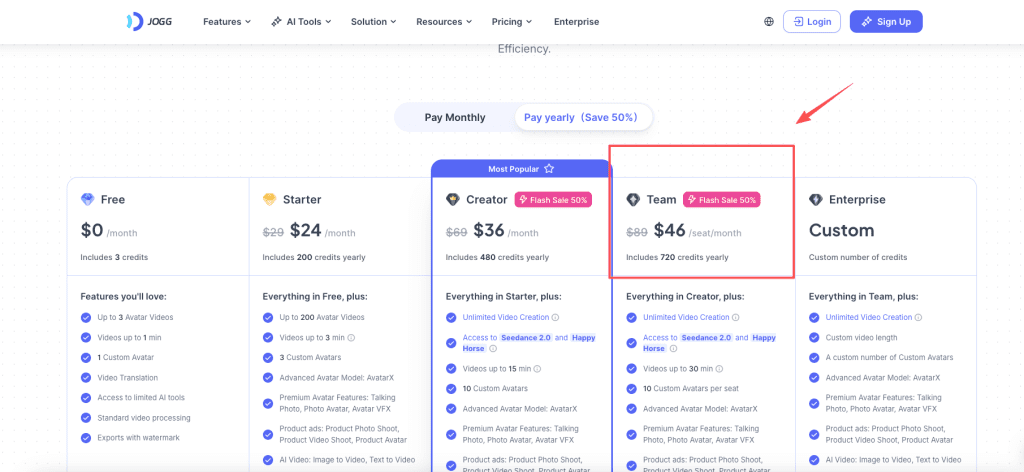
| Team features | Auto-Mode Workers (higher tiers) | Business: $149/mo + $20/seat | Team: $89/mo per seat ($46 annual) |
| API access | Yes | Yes (separate pricing) | Yes (separate pricing) |
Key pricing notes: Credit systems differ significantly across tools. HeyGen’s Premium Credits are heavily consumed by Avatar IV (20 credits/min). Revid uses credits variably by feature/model. Jogg’s credits are often annual on lower tiers. Always verify on official sites as promos are common.
Best for Creators
If you’re a solo creator pumping out short-form content daily, Revid AI wins on speed and volume. The Reddit-to-video and YouTube-to-Shorts workflows are genuinely the fastest I tested — I had a publishable vertical video in under five minutes without writing a script myself.
Where it falls short: if your content depends on you being on camera — or an AI version of you — Revid isn’t the tool. That’s HeyGen’s lane. For creators building a personal brand around a recurring AI presenter (think course intros, explainer channels, or LinkedIn video content), HeyGen’s Creator plan at $29/month gives you 1080p exports, watermark removal, and unlimited photo avatars.
My honest take after testing both: if you’re faceless and fast-paced, Revid. If your audience expects to see “you” (or a consistent avatar version of you) every time, HeyGen.
One thing that annoyed me about Revid — the credit-based system means your “unlimited” feeling evaporates the moment you start using Auto-Mode Workers or premium voices. Budget accordingly.
Best for Marketing Teams
For marketing teams running product ads at volume, Jogg AI’s URL-to-video is the most direct fit — especially for e-commerce. Paste a product page, get a draft ad with avatar narration in minutes. The Team plan ($89/month per seat, or $46/month billed annually per JoggAI’s pricing page) adds multi-user workspaces, roles and permissions, and access to Seedance 2.0 and Veo 3-powered generation.
But here’s the honest caveat: in my testing, the URL-to-video output needed editing before it was campaign-ready. It’s a strong first draft generator, not a final-cut machine.
HeyGen’s Business plan ($149/month + $20/seat) is the better fit if your team needs localization at scale — the 175+ language translation suite with lip-sync is, frankly, the best I’ve seen across all three tools. If your campaigns run across multiple markets, that alone might justify the higher price.
Revid AI doesn’t really compete in this lane. Its workflow is built around individual creators publishing to their own social accounts, not brand teams managing multi-channel campaigns.
Decision Criteria
After running all three side by side, here’s how I’d actually choose:
By video type:
- Need a talking avatar that looks convincingly human? → HeyGen
- Need fast, faceless short-form content (Reddit stories, YouTube repurposing)? → Revid AI
- Need product ads generated from existing URLs/listings? → Jogg AI
By team size:
- Solo creator → Revid AI (Lite/Growth) or HeyGen Creator
- 2-10 person team → Jogg AI Team or HeyGen Business
- Agency/enterprise → HeyGen Enterprise (custom pricing, contact sales)
By production volume:
- High volume, lower per-video quality bar → Revid AI
- Lower volume, high per-video polish (especially avatar-led) → HeyGen
- Medium volume, ad-focused → Jogg AI
If I had to pick just one for a typical solo creator starting out in 2026, I’d lean HeyGen for the free plan alone — it lets you actually test Avatar IV quality before paying anything, which none of the other two really let you do meaningfully.
Limits and Policy Notes
This part doesn’t get talked about enough, and it should.
Avatar disclosure: If you’re using AI avatars — especially custom digital twins — for commercial content, check the platform’s commercial usage terms before publishing to ad-supported channels. HeyGen’s plans include commercial usage rights starting from Creator tier, but confirm current terms via HeyGen’s Terms of Service since policies get updated periodically.
Platform review: TikTok, Instagram, and YouTube have all tightened disclosure requirements around AI-generated and synthetic media. If your avatar video is going on paid ad placements, some platforms require labeling. This isn’t really about the tools themselves — it’s about where you publish.
Rights and licensing: For Jogg AI’s URL-to-video feature, you’re pulling product images directly from your own listings, so rights aren’t usually an issue — but double-check if you’re using third-party stock avatars in a way that implies endorsement.
One thing I didn’t expect: Revid.ai’s FAQ notes credit booster packs are available if you blow through your monthly allocation — useful to know before you’re stuck mid-project with zero credits.
FAQ
How do the pricing models actually compare in practice?
Entry plans are all around $29–$39/mo, but credits work differently. HeyGen’s Creator ($29) gives ~200 Premium credits (≈10 minutes of Avatar IV). Revid Growth (often $39 promo) offers 2,000 credits for higher short-form volume. Jogg Starter ($29) provides 200 credits yearly — better for light testing than heavy use. Compare per-video cost in your workflow rather than raw numbers. Annual billing saves 15–50% across tools.
Which tool has the most realistic talking-head / avatar videos?
HeyGen’s Avatar IV/V generally wins on lip-sync precision (especially consonants) and natural facial movements based on side-by-side tests and user feedback. Jogg AI’s AvatarX is a solid, more affordable alternative for product ads but trails in realism. Revid’s avatars are more template/basic and better suited for faceless content.
Is Jogg AI a good cheap HeyGen alternative for product/marketing videos?
Yes for URL-to-video ecommerce ads — it’s fast at turning product pages into narrated drafts. However, HeyGen is stronger for polished, multilingual avatar content. Many users test both free tiers: Jogg for quick ad volume, HeyGen for brand-presenter quality. Output from Jogg often needs extra editing.
How fast do credits run out, and what are the hidden costs?
Very common complaint. HeyGen Avatar IV burns 20 credits/min — easy to exceed the base allocation. Revid varies by model/quality (premium clips cost more). Jogg’s annual credits on lower plans limit heavy use. All offer booster packs; failed generations may still consume credits on some platforms. Budget for 2–3x the headline allocation for realistic usage.
Which is best for high-volume short-form social content vs. professional branded videos?
Revid AI for high-volume faceless/TikTok-style (speed + templates). HeyGen for professional talking-head or localized campaigns. Jogg sits in the middle for product-focused ads. Many creators use 2+ tools depending on the project.
If you’ve been going back and forth on jogg ai vs heygen specifically — my take is that Jogg AI wins on price-to-feature ratio for product ads, but HeyGen wins on raw avatar quality if that’s your priority. Test the free tiers on both before committing to a paid plan; that’s genuinely the fastest way to know which one fits your actual workflow, not just the marketing copy.
Previous posts: