Leo here. A brand DM’d me last month asking if I could make them “authentic-looking” product content. Not a polished ad. Not a perfectly lit studio shot. Just someone talking to a camera like a real person who actually uses the thing. That job title — the person who makes that kind of content for pay — is called a UGC creator, and it’s one of the fastest-growing freelance categories right now.
If you’ve been seeing the term everywhere and wondering what it actually means, whether you can do it, and how to start without a big following or fancy gear — this post is for you.
What Is a UGC Creator
UGC Creator Meaning
UGC stands for user-generated content. But here’s where people get confused: when brands talk about hiring a UGC creator, they don’t mean random customers posting reviews for free. They mean someone they pay specifically to produce content that looks and feels like it came from a regular user — not a polished brand account.
The UGC creator meaning in a professional context is: a creator who makes authentic-style video or photo content for brands, on contract, usually without posting it to their own audience. The brand uses it in their paid ads, product pages, or organic social. You make it. They run it.
That distinction matters. You’re not an influencer selling your audience. You’re a content producer selling your creative output.
UGC Creator vs Influencer
I get this question constantly, so let me just table it out:
| UGC Creator | Influencer | |
| Followers required | No | Yes — usually meaningful reach |
| What you’re paid for | The content itself | Your audience + distribution |
| Where content lives | Brand’s channels | Your channels |
| How you’re hired | Portfolio + pitch | Follower count + engagement rate |
| Usage rights | Negotiated separately — adds 20–100%+ to fee | Usually bundled into deal |
| Recurring work | Per-deliverable or retainer | Usually campaign-by-campaign |
The cleanest way I’ve heard it put: influencers rent their audience, ugc creators rent their skills. If you’re just starting out and have zero followers, the UGC path is genuinely more accessible — because no one’s asking to see your analytics.
What UGC Creators Actually Do
The actual work varies by brand and contract, but on a typical project I’ve seen (or done myself):
- Film a 30–60 second video using a product — unboxing, demo, before/after, “talking head” style
- Write a brief script or work from the brand’s talking points
- Edit to platform specs (usually TikTok or Reels dimensions)
- Deliver raw files, edited files, or both — depending on the contract
- Sometimes do multiple variations (“hooks”) of the same video for A/B testing
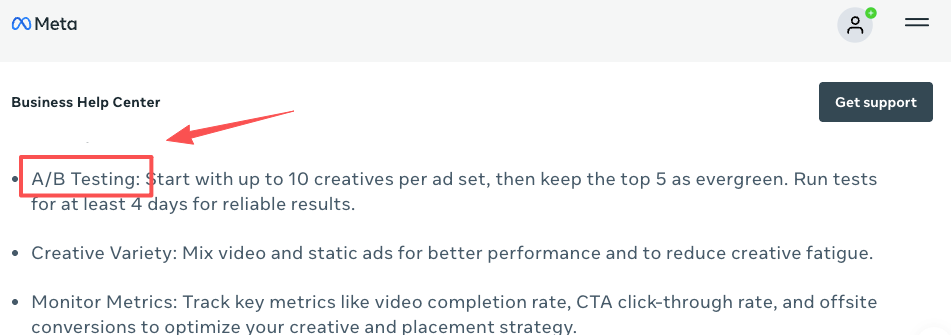
That last part is important. More experienced ugc content creators don’t just deliver one video — they deliver three different opening hooks for the same script, because brands running paid ads want to test which one converts. That’s where you can charge more.
According to Meta’s Business Help Center on ad creative best practices, According to Meta’s Business Help Center on video ad creative best practices, authentic, creator-style content consistently outperforms studio-produced creative in performance ad campaigns — which is the core reason brands pay freelancers for this work rather than just tasking their internal teams.
What Skills Do UGC Creators Need
I’m going to be honest: the bar to start is lower than most “how to become a UGC creator” guides make it seem. Here’s what actually matters:
Genuinely needed from day one:
- Basic smartphone filming (good natural light goes 90% of the way)
- Script writing — specifically, short hooks and conversational copy
- Basic editing: cuts, captions, maybe a voiceover
Nice to have but not required at the start:
- A ring light or simple LED panel
- CapCut, DaVinci Resolve, or any free editor you’re comfortable with
- Basic understanding of what makes an ad hook work (you learn this fast by just watching ads)
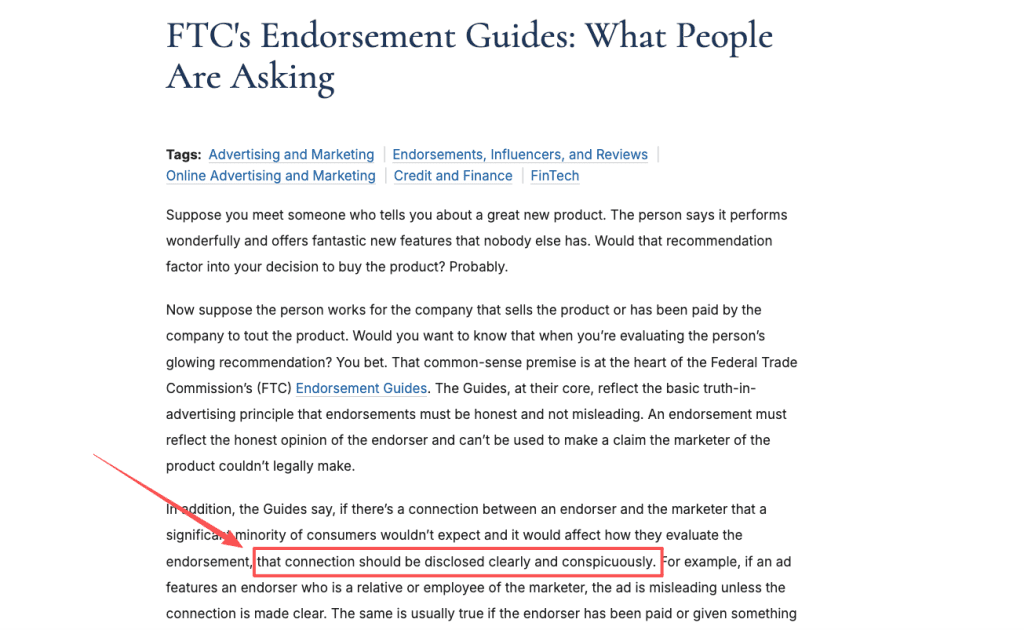
What brands actually care about: Does the content look real? Does it hold attention for the first 3 seconds? Does it fit the platform format? That’s it. I’ve seen UGC videos shot entirely on iPhone 12 with a window as the light source outperform agency-produced content. The Federal Trade Commission’s guidelines on endorsements also require that paid UGC is disclosed — worth understanding this before you take your first brand deal.
How to Become a UGC Creator
Short Summary
The full workflow — portfolio, pitching, rate setting, contracts — goes deep enough to need its own post. But the condensed version:
- Pick 2–3 product categories you actually use (skincare, tech, fitness gear — whatever)
- Make 3–5 “spec” videos (no brand paid you; you’re just building samples)
- Put those samples on a simple portfolio page or Google Drive folder
- Pitch brands directly via email or Instagram DM, or sign up for platforms like Billo or Trend
That’s the whole on-ramp. Most people overthink it and never film the first spec video. Film the spec video.
When to Read a Full UGC Content Workflow Guide
Once you’ve landed your first couple of projects, you’ll hit the real questions: How do I price usage rights versus flat fees? What should my contract include? How do I handle revision rounds without getting stuck in an endless loop?
Those topics deserve a proper breakdown. If you’re at that stage, look for guides specifically covering UGC pricing structure and usage licensing — there’s good material out there from creators who’ve been doing this for 2–3 years.
Tools That Help New UGC Creators Work Faster
The gear question comes up constantly, so here’s what I’d actually recommend — not what sounds impressive.
For filming: Start with your phone. Seriously. An iPhone 14 or any recent Android flagship shoots better than most cameras from five years ago. Add a cheap tripod and you’re set.
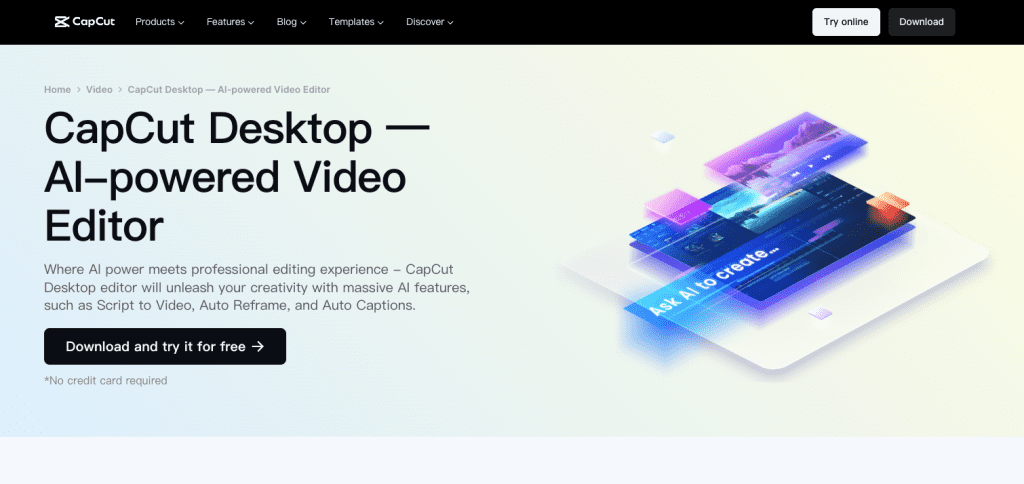
For editing: CapCut is free, works on mobile and desktop, and has auto-caption features that save real time. For anything more complex, DaVinci Resolve has a genuinely solid free tier.
Where AI is actually useful for UGC: This is the part that surprised me when I started testing it. AI tools help most with the pre-production side — scripting hooks, generating multiple variations of an opening line, or repurposing one video script into three different angles. I’ve been using CrePal for this lately: you give it a brief or product description and it can spit out multiple hook variations to test. That’s where AI shaves time — not in replacing the actual on-camera work (no one wants to watch an AI avatar sell them moisturizer), but in compressing the scripting and iteration cycle before you pick up the phone.
CapCut’s official feature page lists its auto-caption and template tools that are actually useful for UGC formatting — worth bookmarking.
The honest caveat: AI gets you to a draft faster. It doesn’t replace knowing what makes a hook actually work. That judgment comes from watching a lot of ads and filming a lot of content.
Common Beginner Mistakes
I’ve made most of these, so this isn’t judgment — it’s a list.
Spending money on gear before building a portfolio. The ring light is not why you’re not getting clients. The empty portfolio is.
Underpricing because you feel like a beginner. A 60-second video with three hook variations and two revision rounds has real production cost. But the bigger mistake is bundling usage rights into your flat rate. Production fee covers your time making the content. Usage rights cover how long and where the brand can use it — paid ads, organic posts, website, email campaigns, third-party platforms. These are two different things and should be priced separately. The licensing logic used by professional photographers (documented in the American Society of Media Photographers’ licensing framework) transfers directly to UGC: usage scope drives price, not just time spent.
Not clarifying revision rounds upfront. Get this in writing before you start. “Unlimited revisions” is a nightmare that has burned almost every creator I know at least once.
Filming in auto mode on your phone. Switch to manual or “pro” mode, lock your exposure before you start talking. Auto exposure flickering mid-sentence looks amateur even on the best phone.
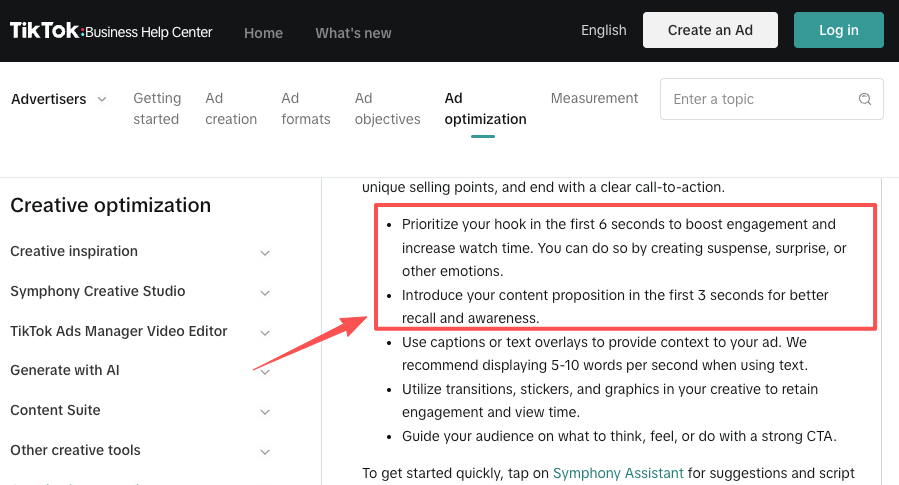
Ignoring the hook. According to TikTok’s own creative best practices, you have roughly 3 seconds to stop a scroll. Your opening line is the entire game. Spend more time on it than anything else.
FAQ
How important are usage rights when pricing UGC projects?
Usage rights are often where experienced creators make the most money. A basic production fee might cover one-time use, but brands frequently want rights for 6–12 months or perpetual use across ads, websites, and email. This can add 50–150%+ to your rate. Always separate production fee from usage licensing in your contract and negotiate based on the brand’s planned distribution.
What platforms are best for finding UGC gigs as a beginner in 2026?
Popular options include Billo, Trend, Influee, and Creatify. If you’re still researching what is a UGC creator and how the industry works, these platforms can also help you see real brand briefs and creator deliverables. Many creators also land direct deals by cold pitching brands on Instagram or email using their spec portfolio. Start with 2–3 platforms while building direct outreach — platforms take a cut but provide steady briefs and faster payments for beginners.
How many revision rounds should a UGC creator include in a standard contract?
Most experienced creators limit it to 1–2 revision rounds in the base price. Additional rounds should be charged extra. Clearly define what counts as a revision (e.g., minor cuts vs. full reshoots) upfront to avoid scope creep. This is one of the most common pain points for new UGC creators.
How do you handle taxes and business setup as a freelance UGC creator?
Treat it as a real business. Most creators form an LLC (especially once earning consistently), track expenses (gear, software, internet), and set aside 25–35% for taxes. Use tools like QuickBooks or Wave for invoicing. In many countries, you’ll need to issue invoices and report income — consulting a local accountant early saves headaches.
Conclusion
The path to becoming a UGC creator is more straightforward than most people expect — and slower to monetize than some people promise. You don’t need followers. You don’t need expensive gear. You do need a small portfolio, a willingness to pitch, and enough patience to get through the first few lower-paying projects while you calibrate your rates and workflow.
If you’re already making content of any kind — for your own channels, for work, for fun — you probably have more transferable skills than you realize. The hardest part for most people isn’t the filming. It’s sending the first pitch email.
Do the spec video. Send the email. The rest you’ll figure out as you go — that’s genuinely how most working ugc content creators actually got started, including me.
Written based on direct UGC project experience in 2025–2026. Tax and legal notes in this post are general in nature — consult a qualified professional in your jurisdiction.
Previous posts: