Hey guys, Dora here. I have seen UGC ad projects get messy before the first draft even exists. The product brief is vague, the hook sounds like a slogan, the creator voice feels fake, and the team starts asking for “more authentic” without defining what authentic means.
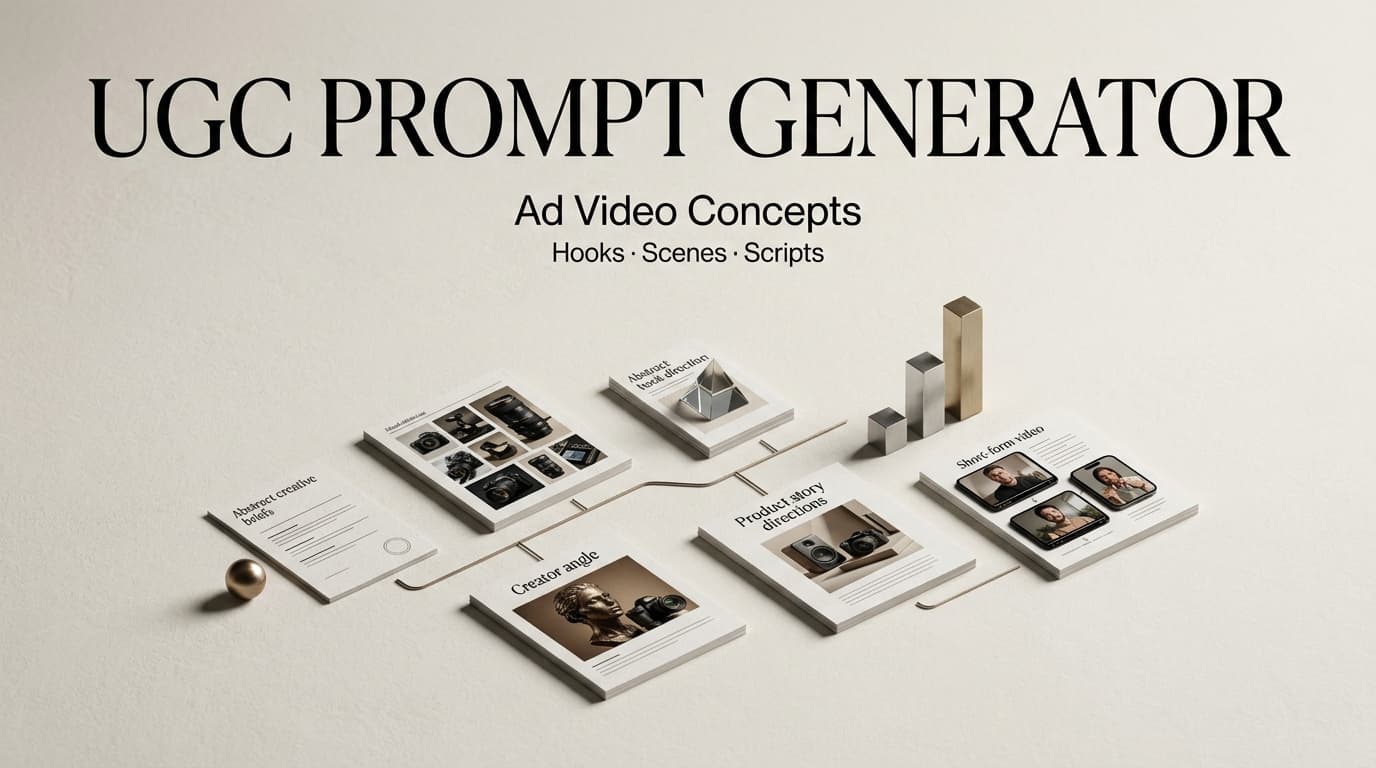
That is where a ugc prompt generator can help, but only if the team treats it as a concept builder, not a caption machine. The goal is not to produce generic UGC lines. The goal is to turn a product brief into testable hooks, creator-style script beats, scene ideas, and review-ready ad video concepts.
For brand teams, agencies, and performance marketers, this matters because UGC ads live or die on specificity. A good prompt does not only ask for a testimonial. It defines the buyer problem, product moment, proof boundary, creator tone, platform context, and what the viewer should understand before the call to action.
What a UGC Prompt Generator Should Produce
Hook angles
A useful prompt generator should create hook angles, not just opening lines. A hook angle is the reason the viewer should care. For example, a skincare product can be framed around frustration, routine simplification, texture curiosity, social proof, price objection, or before-event urgency. Those are different ads, even if the product is the same.
When I review UGC ad prompts, I look for tension. “I tried this serum” is weak because it has no pressure. “I stopped using three products because this one covered the step I kept skipping” gives the editor a scene, a problem, and a reason to keep watching. The generated hook still needs claim review, but at least it has a real ad shape.
Creator voice
Creator voice is where many AI drafts break. They sound like a brand wrote a “relatable” script and handed it to a person. Real UGC usually has small imperfections: a quick aside, a concrete complaint, a visual habit, or a phrase that feels spoken rather than approved by committee.
A strong UGC script generator workflow should allow teams to define creator type, speaking style, pacing, and comfort level. A busy mom creator, a gym creator, a skincare reviewer, and a founder-style spokesperson should not sound the same. The prompt should capture who is talking, why they care, and what kind of proof they can credibly show.
Product moment
The product moment is the scene where the ad stops being commentary and becomes visual evidence. It might be opening the package, applying the product, showing texture, demonstrating a feature, comparing an old routine, or pointing to a result that the brand can support.
Good product video prompts make that moment visible. They do not hide the product behind vague lifestyle language. If the viewer cannot tell what changed after the product appears, the prompt needs work.
From UGC Prompt to Ad Video Concept
Brief inputs
A prompt generator is only as good as the brief. The team should feed it the product category, target customer, offer, objections, approved claims, forbidden claims, visual assets, brand tone, platform, and intended ad length. If those inputs are missing, the generated script will fill gaps with guesses.
This is where agencies can save time. Instead of starting every campaign from a blank document, they can keep a structured prompt template for each product type. A beauty campaign needs different proof boundaries than a SaaS demo. A supplement ad needs more claim caution than a tote bag launch.
Script beats
The next step is turning AI UGC video prompts into script beats. I like a simple flow: problem, personal context, product moment, proof cue, objection response, and CTA. The wording can change, but the beat order keeps the video from drifting.
For example, a home cleaning product ad might start with a messy sink, move into a short “I hate this part” line, show the product in use, then show the result without overclaiming. The prompt generator should help create that structure. The human team should decide whether the claim is allowed, whether the demo is honest, and whether the creator voice fits.
Scene and shot notes
Scene notes are the bridge between copy and production. A script line like “this saves me time” is not enough. The shot note should show what time-saving looks like: fewer bottles on the counter, one-step application, a faster setup, or a visible routine change.
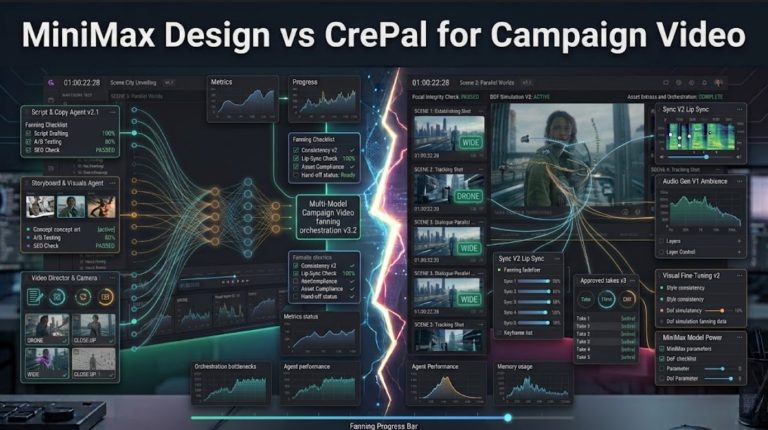
This is where an AI Director workflow can help. CrePal can organize hooks, scripts, storyboard beats, and multiple draft versions after the team has chosen a direction. The prompt generator creates the ad concept; the workflow layer helps turn it into a video plan.
Review Workflow for Marketing Teams
Claim sensitivity
Claim review should happen before the script enters production. A UGC ad can imply a claim through visuals, tone, editing, or creator reaction even if the line itself feels safe. A shocked face, a before-and-after shot, or “I noticed results fast” can create expectations the product may not support.
For creator and sponsored content, FTC influencer disclosure rules are relevant when there is payment, free product, employment, affiliate value, or another material connection. For health, wellness, beauty, supplement, or performance claims, FTC health product advertising substantiation is a stronger review reference because objective benefit claims need support.
This article is not legal or advertising compliance advice. Product claims, disclosures, asset authorization, and platform policies should be checked against current official rules and qualified reviewers.
Brand fit
Brand fit is not only colors and logo placement. It is whether the creator voice feels believable for the audience and acceptable for the brand. A playful TikTok-style script may be perfect for a snack brand and wrong for a financial product. A blunt testimonial may feel native but create risk if the brand cannot support the claim.
When I review ad creative prompts, I look for brand mismatch in three places: the opening complaint, the proof moment, and the CTA. Those are the places where AI tends to exaggerate because it is trying to make the ad more persuasive.
Platform readiness
A UGC concept should be checked against the platform before filming or generation. TikTok misleading and false content policy is useful for ad teams because UGC-style creative often uses strong hooks, edited demonstrations, and result-focused language. Meta Advertising Standards also matter because ad reviews can involve creative content, claims, targeting, and destination pages.
The practical lesson is simple: the prompt file should not only produce a script. It should produce a reviewable concept that can survive platform checks.
Limits, Rights, and Approval Risks
A ugc prompt generator cannot decide whether a creator has permission to use a product photo, customer quote, music clip, app screen, or testimonial. It also cannot know whether a claim is substantiated unless the team provides approved claim language and evidence boundaries.
Rights issues often enter through source material. A prompt may ask for “use this customer review,” but the review may not be cleared for paid ads. It may ask for “creator holds product beside competitor,” but comparative claims may need review. It may ask for “show a dramatic before and after,” but the platform or legal team may reject the implication.
The safest workflow is to keep prompts, generated scripts, source assets, reviewer notes, and approval decisions together. If the concept becomes a video, those records should travel with the production file.
FAQ
What handoff notes should agencies keep after delivery?
Agencies should keep the final prompt version, approved script, claim notes, creator direction, visual references, client feedback, usage limits, and delivery date. The goal is to make the campaign traceable after the ad goes live or gets revised.
Who owns old prompt versions after a campaign ends?
Ownership should follow the contract. If the contract is unclear, old prompt files should stay inside the agency’s controlled project archive and should not be reused for another client without review. Prompt versions may include product strategy, claims, audience research, or client-specific language.
How should client feedback change future prompt templates?
Client feedback should become template guidance only when it reflects a repeatable rule. “Avoid founder voice for this brand” is reusable. “Make this one line softer” may be campaign-specific. The team should separate brand rules from one-off preferences.
When should campaign prompt files be removed from shared folders?
Remove prompt files from shared folders when the campaign ends, access changes, the client requests cleanup, or the folder contains outdated claims or restricted assets. The archive can remain controlled, but day-to-day shared access should not stay open forever.
Conclusion
A ugc prompt generator is valuable when it helps a team move from product brief to ad video concept with clearer hooks, stronger creator voice, visible product moments, and review-ready script beats.
It should not replace claim review, platform review, client approval, or creative judgment. The strongest workflow uses prompts to speed up concept development, then uses human review to keep the final ad believable, compliant, and useful for production.
Previous Posts: