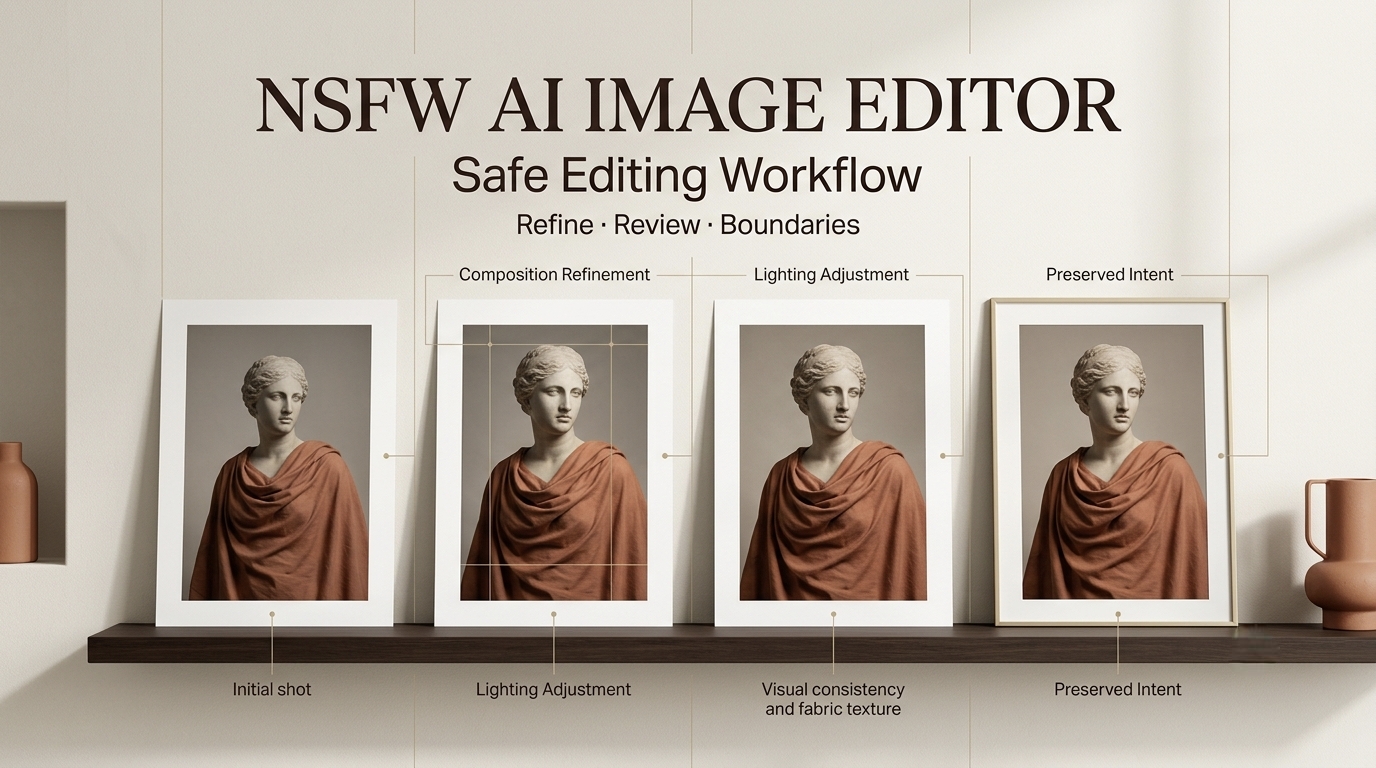
Leo here. A creator once sent me a mature image set and asked which files were “safe to clean up.” The edits sounded small: remove background clutter, fix lighting, smooth a bad crop, and make the series feel more consistent. Then one file turned out to be based on a real person reference the client had not cleared. That is where an nsfw ai image editor stops being a design tool and becomes a consent problem.
This guide is about editing and refinement workflows, not generating explicit content from scratch. It does not provide prompts, tool recommendations, or instructions for creating sexual material. If you are evaluating an ai image editor nsfw workflow, the main question is not only what the editor can change. It is whether the source image, consent record, edit request, and publishing context are safe enough to touch.
This article is not legal advice or platform compliance advice. Mature-content rules, privacy law, likeness rights, age requirements, platform policies, and disclosure duties vary by jurisdiction and use case. Check official documentation before publishing or commercial use.
What an NSFW AI Image Editor Does
In this guide, an nsfw ai image editor refers to a workflow used to refine an existing mature image rather than create a whole new concept. The work might involve changing a background, fixing artifacts, improving lighting, cropping for a platform, removing distracting elements, or making a set of images feel more visually consistent.
That sounds harmless, but editing can change meaning. A cleaner crop can make an image feel more intimate. A background change can imply a different location. A face cleanup can increase recognizability. A prompt-based revision can accidentally push a fictional image toward a real person’s likeness.
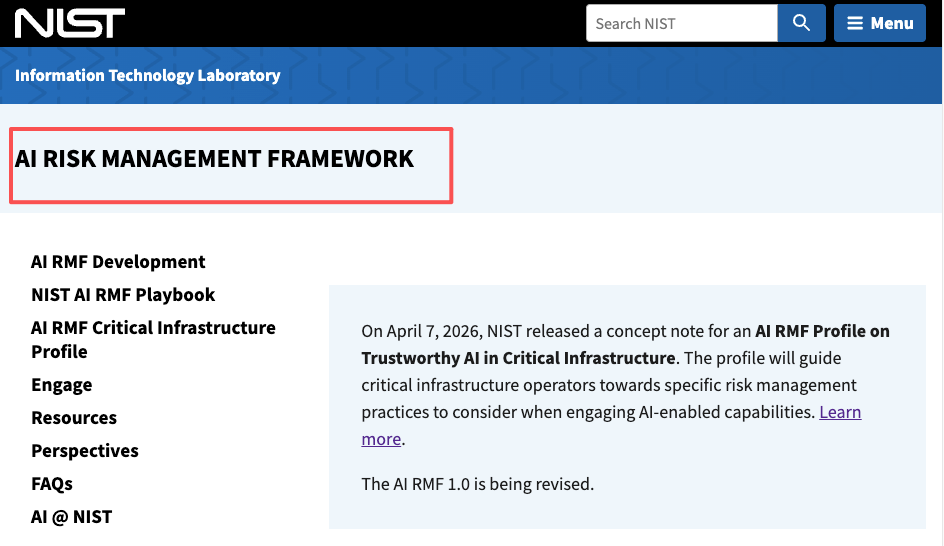
The safest editors treat mature images as sensitive files. They ask where the source came from, who appears in it, whether the person is an adult, whether consent covers editing, where the output will be used, and who can approve the final file. NIST’s AI Risk Management Framework is not a mature-content policy, but it is useful as a general risk-management reference because it focuses on managing AI risks to individuals, organizations, and society, not just output quality.
In practice, a responsible nsfw ai editor is less about “uncensored freedom” and more about controlled refinement.
Common Editing Workflows
Mature image-editing workflows should be narrow and documented. The more vague the request, the more likely it is to cross a line.
Inpainting
Inpainting means changing a selected part of an image while leaving the rest mostly intact. In safe mature-content workflows, it should be used for low-risk refinement: fixing background clutter, repairing a visual artifact, replacing a non-sensitive object, or aligning a scene with an approved style.
The boundary matters. Inpainting should not be used to alter a real person’s body, create non-consensual sexualized content, imitate a celebrity, intensify an intimate image without approval, or remove context that changes what the image appears to show.
When I review inpainting briefs, I ask the team to write the edit area, the reason for the edit, and the approval owner. If they cannot explain the edit without sounding evasive, the request should pause.
Cleanup
Cleanup is the most common legitimate use case. It covers lighting balance, color consistency, crop repair, compression artifacts, background distractions, and set-level visual polish.
Even cleanup needs source rules. If the image involves a real adult performer or creator, the consent record should allow editing, not just storage or viewing. If the image is fully synthetic, the team should still check whether it resembles a real person or uses unapproved reference material.
A cleanup task should make the file clearer, not more deceptive. If an edit changes age impression, identity, setting, product context, or implied consent, it is no longer simple cleanup.
Prompt-based revisions
A nsfw ai image editor with prompt lets a user describe the change in text. That can be useful for non-sensitive refinements like mood, lighting, framing, background direction, or consistency across a set. It is also where risk rises quickly, because text can introduce new identity, age, or consent problems.
I do not recommend storing raw prompt history casually for mature assets. Instead, keep a production note that records the purpose of the revision and whether it was approved. For example, note that the edit adjusted the background tone or image consistency. Do not store raw unsafe prompt language casually. Depending on the incident, keep a minimal, access-controlled record or redacted production note that preserves the reason for rejection without spreading private details or prohibited targeting language.
Prompt-based edits should stay within the original consent and source boundaries. If the prompt creates a new implied scenario, new identity, or new commercial use, it needs review before output is accepted.
Source Image and Consent Rules
Source image review is the core of mature image editing. If the source is unsafe, no edit can make the workflow safe.
A team should reject private images, leaked images, hacked files, revenge requests, hidden-camera material, unclear-age content, celebrity references, public-figure lookalikes, and real-person images without explicit permission. If there is any possibility the person was under 18 when the image was created, stop immediately and escalate.
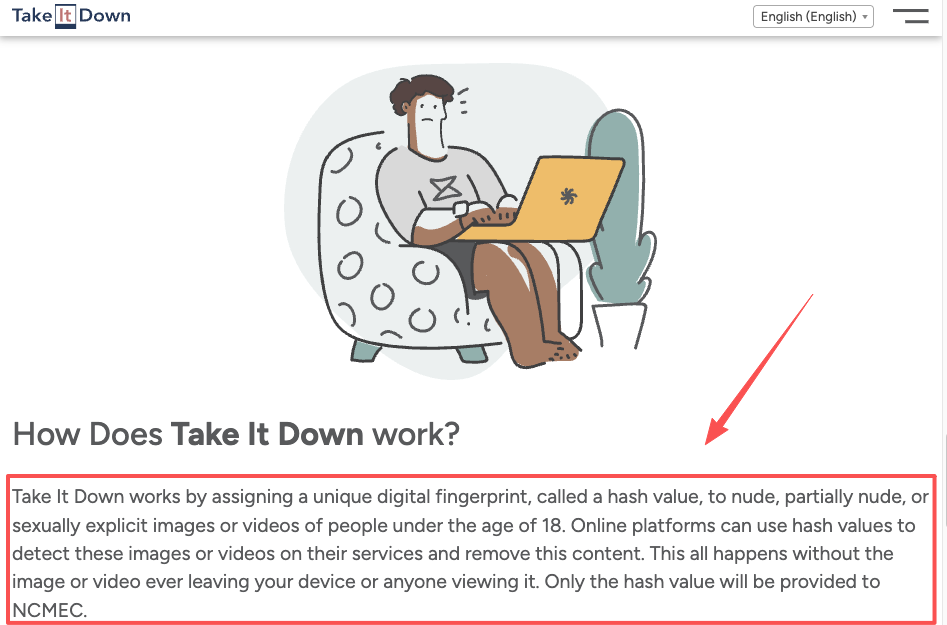
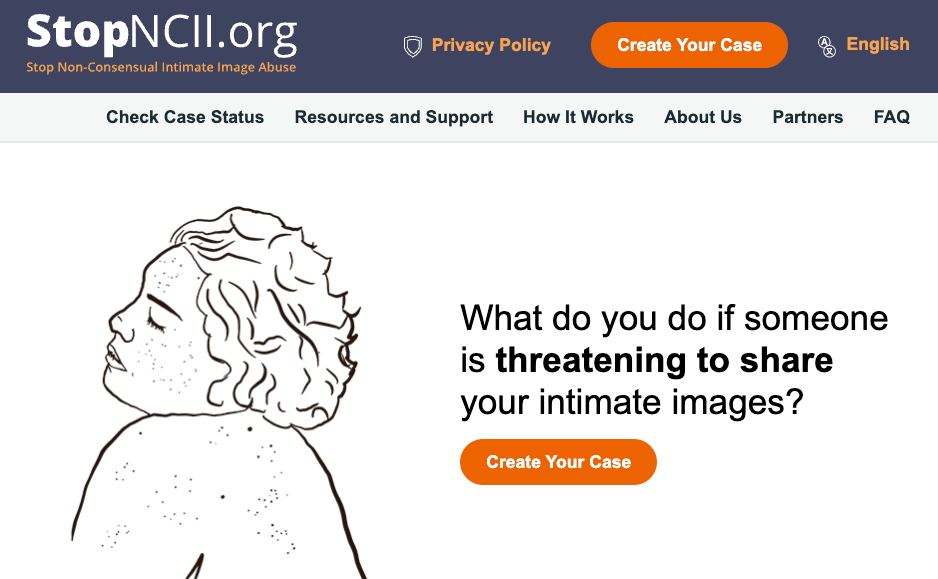
NCMEC’s Take It Down explains that nude, partially nude, or sexually explicit images or videos taken when someone was under 18 can be hashed to help stop sharing on participating platforms without uploading the image itself. For adult non-consensual intimate image abuse, StopNCII.org is another important resource. These services exist because misuse is not theoretical. It happens to real people.
Consent records should be specific. A model release or creator agreement should say what source files may be edited, what types of edits are allowed, where outputs may appear, whether commercial use is allowed, who approves final versions, and how long records are stored.
For synthetic images, the team should record that the asset is fictional, adult-coded without age ambiguity, not based on a real person, and cleared for the intended use. “AI-made” is not enough.
Output Quality and Failure Cases
Output quality in mature image editing is not only about realism. It is about whether the edited file remains accurate, consent-safe, and appropriate for its destination.
Common failure cases include identity drift, age ambiguity, inconsistent lighting, distorted anatomy, background changes that imply a new context, and edits that make a fictional character resemble a real person. Another subtle failure is over-polish. A rough fictional image can become more realistic after cleanup, which may increase the chance that viewers read it as a real person’s image.
Teams should review outputs in two passes. First, check visual quality: artifacts, crop, color, consistency, and file readiness. Then check risk: source permission, likeness similarity, age certainty, platform fit, and whether the final edit still matches the approved use.
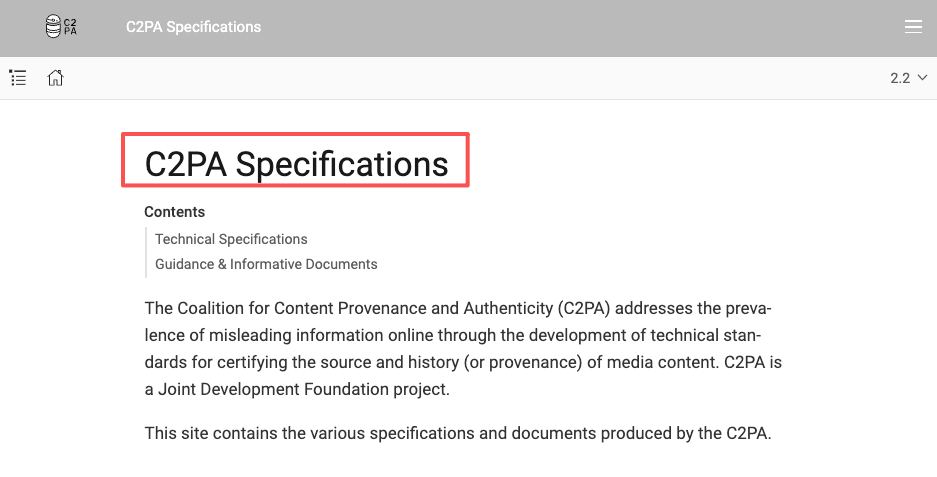
For traceability, standards such as the C2PA specification are useful to understand because they focus on content credentials and media history. Small teams may not use formal provenance systems, but they can still keep practical records: source status, edit purpose, approval owner, and final usage.
If an output raises a consent, identity, age, or platform concern, do not keep iterating casually. Mark it as rejected, log the reason, and remove it from the active production set.
FAQ
What is an NSFW AI image editor?
An NSFW AI image editor is a tool or workflow used to modify mature images. In a professional creator workflow, it should be limited to consent-safe refinement, such as cleanup, background adjustment, visual consistency, or non-deceptive corrections.
It should not be used for non-consensual edits, real-person sexualization, celebrity imitation, private-image modification, or unclear-age content.
How do prompt-based image edits work?
Prompt-based edits use text instructions to guide a selected change. For mature images, the safe way to think about prompts is narrow revision, not open-ended generation. The prompt should not introduce a new person, new intimate context, real-person resemblance, or unsupported commercial use.
Always check tool and platform policies in the latest official documentation before using prompt-based edits on mature content.
What risks come with uploading mature source images?
Uploading mature source images can create privacy, storage, consent, platform, and security risks. The file may be processed, retained, reviewed, or handled under terms the creator has not fully checked. It may also include metadata or identity clues.
Before uploading, verify the tool’s data handling, retention rules, privacy terms, and allowed-use policy. If the source is private, non-consensual, unclear in age, or based on a real person without permission, do not upload it.
When is image editing safer than regenerating a new image?
Editing can be safer when the source asset is already approved and the requested change is narrow, documented, and within the original consent. For example, adjusting crop or lighting on a cleared synthetic image may create less risk than regenerating a new image that might drift into identity or age ambiguity.
Regeneration is riskier when it changes the character, setting, body context, or implied consent. When in doubt, keep the approved asset and make the smallest safe edit.
Conclusion
An nsfw ai image editor should be treated as a sensitive refinement tool, not a shortcut around consent. The safest mature-image workflows start with source checks, written permission, identity boundaries, narrow edit scopes, output review, and careful records.
If an edit depends on secrecy, real-person resemblance, private material, unclear age, or missing consent, the right move is not to improve the prompt. The right move is to reject the request.
Previous posts: