A freelancer once showed me an adult video brief that looked harmless for about ten seconds. The client said the image was “AI-made,” the final clip would stay “private,” and the request was “just animation.” Then we noticed the face looked very close to a real influencer. That is where the project should stop.
I’m Leo. This article only discusses workflow boundaries for nsfw images to video projects. It does not explain how to generate adult videos, recommend tools, provide prompts, or help anyone bypass platform rules. Adult synthetic media needs strict input checks, consent records, rejection rules, escalation, and careful publishing decisions.
This is not legal advice or platform compliance advice. Adult content law, likeness rights, advertising rules, and platform policies vary by location and use case. Always verify the latest official rules before accepting or publishing a project.
When Adult Visuals Enter Video Production
Adult visuals change the risk profile of video production. A normal product draft may fail because the lighting is wrong. An adult visual can fail because it resembles a real person, uses private material, violates consent, or creates reputational harm. Searches like images to video nsfw, nsfw image to video free, image to video ai nude, and ai image to video nsfw free often frame the task as a fast conversion problem. That framing is dangerous. The first question should not be, “Can this image move?” It should be, “Should this asset enter a video workflow at all?”
In workflow reviews, I treat adult requests as a gatekeeping issue before a creative issue. If the input is not clearly allowed, nothing moves forward. No draft. No test. No “just to see.” The cheapest time to reject a risky request is before a new file exists.
Input Boundaries for Adult Video Workflows
Adult workflow rules should be written before a team accepts the project. Verbal reassurance is not enough. The team needs source boundaries, age and consent safeguards, identity checks, storage rules, and a rejection path.
Synthetic-only assets
For most creator teams, the safest rule is synthetic-only assets that do not resemble a real, identifiable person. That means no celebrity references, no influencer lookalikes, no ex-partner photos, no private images, and no briefs designed to imitate someone.
“Synthetic” does not mean “risk-free.” A fictional adult character can still be unsafe if it is built from a real person’s likeness. If a client provides an AI image, ask whether it was based on a real person or reference set. If the answer is vague, reject or escalate.
Consent records
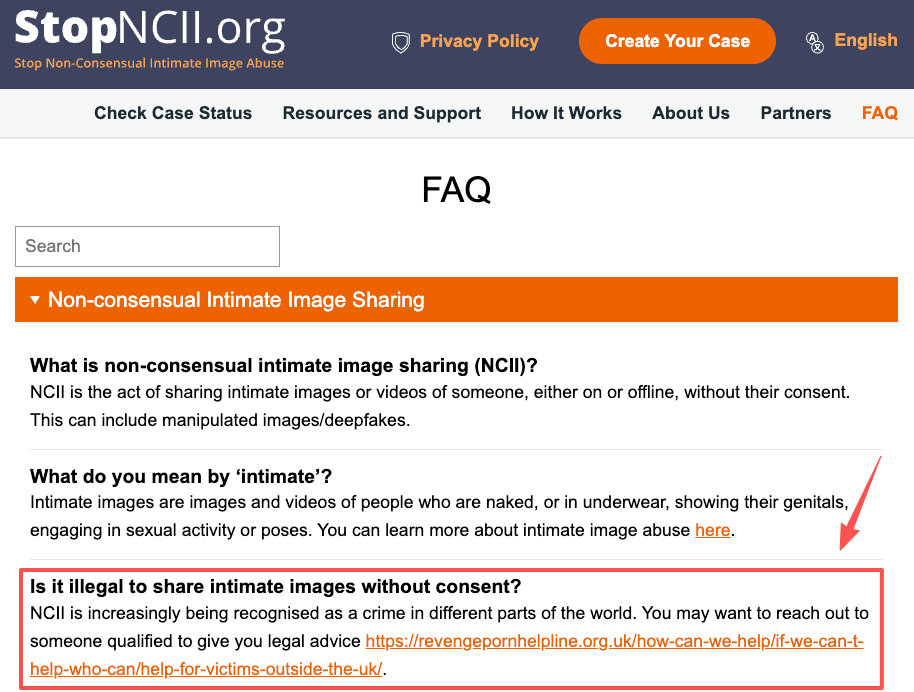
Consent records should be specific, dated, and tied to the exact use. If any real adult performer, model, or creator asset is involved, the team needs written permission for the source material, transformation, distribution channel, time period, and commercial use. StopNCII.org, which focuses on non-consensual intimate image abuse, is a useful reminder of the harm caused when intimate media moves without permission. Production teams should design workflows that prevent that harm, not simply react after something goes wrong.
Identity similarity risks
Identity similarity is the quiet danger. A project can avoid naming a person but still create a recognizable likeness. If the generated or supplied image looks like a public figure, creator, employee, client, private individual, or former partner, treat it as a red flag. A reviewer should ask, “Could a reasonable viewer think this is someone real?” If yes, the project should not continue without explicit, use-specific permission. In many cases, it should not continue at all.
Requests That Must Be Rejected
Some adult requests should be refused immediately. A team does not need to debate creative value when the request crosses a consent or safety boundary.
Real-person likeness
Reject requests involving real-person adult likeness unless there is clear, written, use-specific consent and the project passes legal and platform review. For many small teams, the cleaner rule is simpler: no real-person adult likeness transformations. This includes client-provided images of partners, employees, creators, private individuals, or “someone who looks like this.” The phrase “they will never know” is not a production note. It is a refusal trigger.
Celebrity references
Reject celebrity references in adult workflows. This includes named celebrities, public figures, influencers, streamers, athletes, performers, and obvious lookalikes.
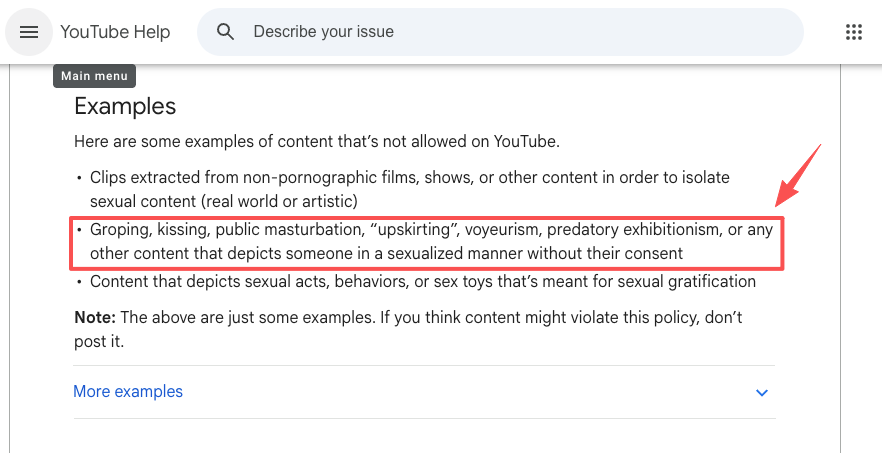
YouTube’s nudity and sexual content policy addresses sexually explicit content and unwanted sexualization, and YouTube separately treats non-consensual sexualized material as a serious safety issue. Even if a project is not for YouTube, the policy is a useful signal: major platforms treat sexualized impersonation and unwanted sexualization as serious harms.
Private or non-consensual images
Reject private images, leaked images, revenge requests, hidden-camera material, workplace images, medical images, hacked material, or anything involving coercion. If there is any possibility the person was under 18 when the image was created, stop immediately and escalate.
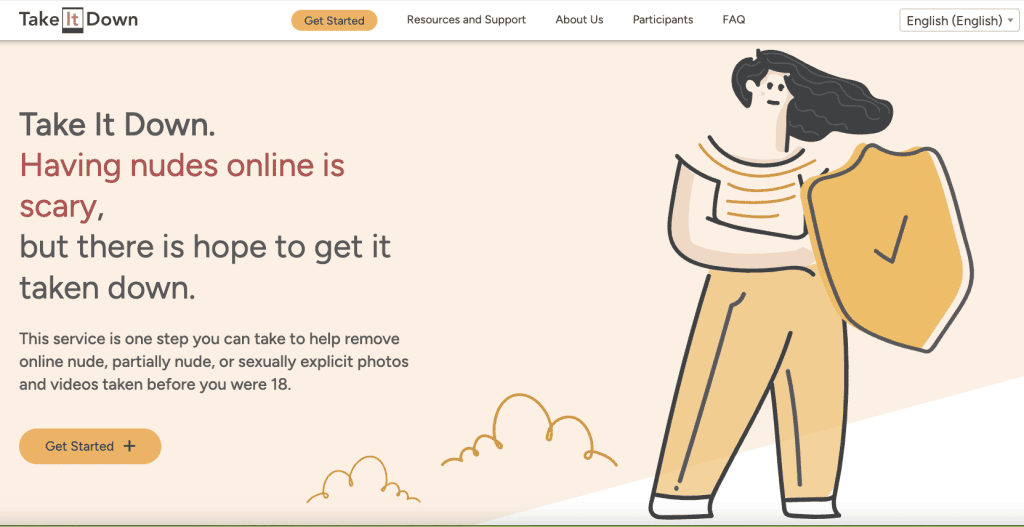
NCMEC’s Take It Down helps remove or stop sharing nude, partially nude, or sexually explicit images or videos taken when someone was under 18. Production teams should never create, transform, store, or circulate such material.
Escalation and Publishing Boundaries
Escalation should happen before production, not after a draft exists. Escalate when age is unclear, consent is incomplete, likeness similarity is present, the client wants a real-person reference, or publication could affect someone’s privacy, safety, job, or reputation. Publishing boundaries should be stricter than production boundaries. A private test can leak. A watermarked draft can still harm someone. A members-only upload can still be copied. Do not publish adult synthetic content unless the asset source, consent record, platform policy, age-gating, disclosure, and distribution context have all been reviewed.
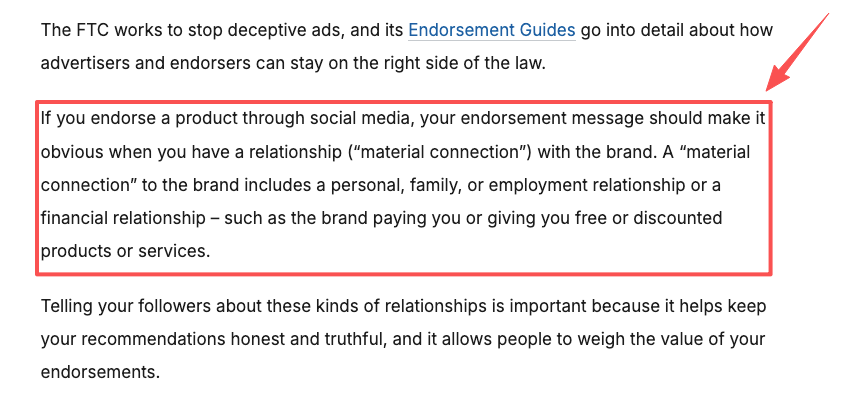
For sponsored adult creator content, the FTC’s social media disclosure guidance is relevant because endorsements and material connections should be clear. Disclosure does not make unsafe content safe, but hidden commercial context adds risk.
Rejection logs matter. Keep them neutral and factual: date, requester, asset category, reason for rejection, policy trigger, reviewer, and final decision. Do not store prohibited files to prove they were rejected. Store the decision record, not the harmful material.
Source approval is only the first gate. Once a still image is animated, movement, facial expression, framing, and camera direction can introduce meaning that was not present in the original asset. Use this motion-risk review for adult image-to-video drafts before approving an export.
FAQ
What should contracts say about adult assets?
Contracts should state that all submitted assets must be lawful, adult-only, consensual, and authorized for the requested use. They should ban real-person likeness imitation, celebrity references, private images, non-consensual material, and any content involving minors.
Who stores consent records after delivery?
The publishing party should retain consent records. Agencies and freelancers may keep limited proof of approval according to contract terms, privacy duties, and retention policy. Consent records are sensitive documents, not casual project files.
How should rejected requests be documented?
Document the request without preserving harmful media. Note the date, requester, general category, refusal reason, reviewer, and escalation action. A clean note might say, “Rejected due to real-person likeness reference and missing consent. No production performed.”
How long should rejection logs be retained?
Retention depends on contract, jurisdiction, insurance, and internal policy. Define the retention period before accepting adult work. Keep logs long enough to show responsible handling, but do not keep sensitive material longer than necessary.
What belongs in a refusal template?
A refusal template should be short and firm. It can say the team does not accept adult requests involving real-person likeness, celebrities, private images, non-consensual content, unclear age, or missing consent. Do not include tool advice or workaround suggestions.
Conclusion
Nsfw images to video work should be governed by boundaries before creativity. The safest workflow uses synthetic-only, non-identifiable assets, written consent records, strict likeness checks, rejection rules, and cautious publishing decisions.
If a request depends on secrecy, impersonation, private images, celebrity resemblance, or missing consent, the right answer is no.
Previous posts: