Hey guys, I’m Leo. A creator once sent me a folder of mature image drafts and said, “The model keeps ignoring the prompt.” When I opened the notes, the problem was not the model. The prompt was doing three jobs at once: describing a character, setting a mood, changing a pose, pushing style, and adding risk-sensitive details without any consent or identity boundary. That is where nsfw ai prompts need a different mindset.
This guide is about prompt structure, visual control, and safety boundaries. It does not provide explicit prompt examples, bypass language, filter evasion tactics, sensitive replacement words, or policy-breaking instructions. A safer nsfw ai prompt should help creators control fictional, consent-safe visual direction without drifting into real-person likeness, unclear age, private-image misuse, or prohibited content.
This article is not legal advice or platform compliance advice. Mature-content rules, platform policies, privacy law, age requirements, and likeness rights vary by jurisdiction and tool. Always check the latest official documentation before publishing or using mature AI imagery commercially.
What NSFW AI Prompts Are
NSFW AI prompts are text instructions used to guide AI image systems toward mature or adult-oriented visual outputs. In a professional creator workflow, they should be treated as sensitive production notes, not casual experimentation.
A prompt does more than describe an image. It tells the system what subject to create, what style to use, what composition to follow, and what boundaries to avoid. That means a prompt can also create risk. It can accidentally imply a real person, make a character look too young, introduce a private setting, or produce an image that a platform or client will not accept.
The safest way to approach mature prompting is to separate visual control from unsafe specificity. You can describe lighting, framing, mood, wardrobe style, camera distance, background, and composition without targeting a real person’s likeness or adding coercive, deceptive, or non-consensual context.
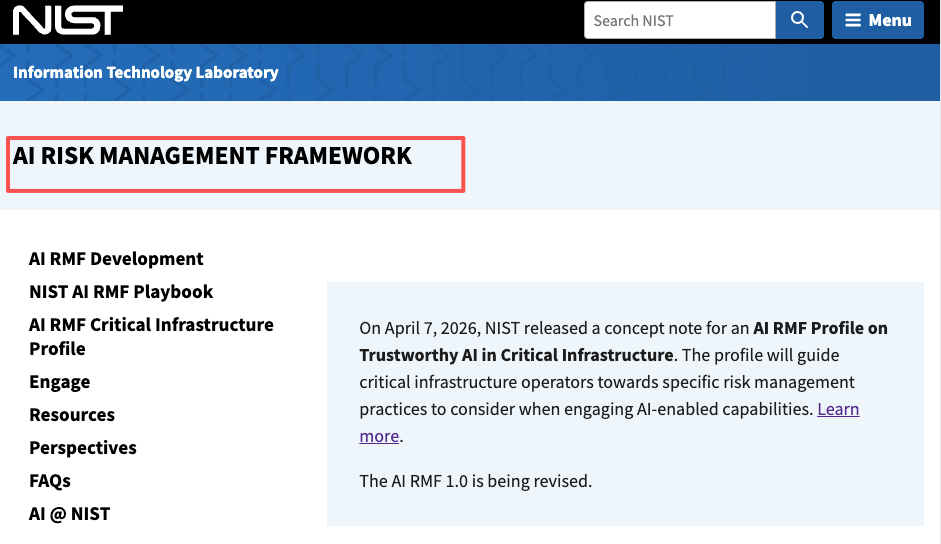
NIST’s AI Risk Management Framework is not a mature-content policy, but it is useful as a general risk-management reference because it frames AI risk management around Govern, Map, Measure, and Manage.
Prompt Structure for Visual Control
People searching for best tips for ai prompts photo generator nsfw often want more predictable visuals. The answer is not to make prompts more extreme. The answer is to make them more structured.
A safer mature prompt usually has three layers: subject and style, composition and lighting, and exclusions or negative constraints. Each layer should improve control without crossing consent or policy lines.
Subject and style
The subject layer defines what kind of fictional image the creator wants. For mature workflows, this layer should avoid real names, celebrity references, influencer comparisons, private-person descriptions, or “make it look like this person” language.
A safer subject direction describes role and visual category instead of identity. For example, a team might define a fictional adult character, general styling, scene tone, and brand mood. The prompt should not depend on a real person’s face, body, voice, private photo, or public profile.
Style is where many creators overdo it. They stack too many references, genres, and quality words until the image becomes inconsistent. I usually recommend choosing one main style direction and one supporting texture. If the image needs to feel editorial, do not also ask it to feel like a phone selfie, a studio campaign, and a cinematic poster at the same time.
Composition and lighting
Composition controls how the image is built. It includes framing, camera distance, background, focus, pose category, and visual hierarchy. Lighting controls mood and readability.
This is where mature prompts can become safer and better at the same time. Instead of pushing sensitive detail, focus on neutral production control: close-up or medium shot, clean background, soft light, shadow contrast, warm studio tone, centered framing, or product-safe empty space.
I have seen many mature image drafts fail because the prompt ignored composition. The subject looked technically fine, but the crop was awkward, the background implied the wrong setting, or the lighting made the character look younger than intended. Better composition notes can prevent those failures without adding risk.
Negative prompts
Negative prompts are instructions about what to avoid. In mature workflows, they should do more than remove visual artifacts. They should also remove unsafe directions.
A responsible negative-prompt layer may exclude age ambiguity, celebrity resemblance, real-person likeness, private settings, hidden-camera framing, school-coded styling, coercive context, non-consensual implications, identifiable logos, and unsupported brand references. The point is not to hide from moderation. The point is to keep the output inside a consent-safe fictional boundary.
Do not use negative prompts as a workaround for unsafe intent. If the core request is based on a real person, private photo, unclear age, or deceptive scenario, the answer is not better prompt engineering. The answer is refusal.
Prompt Generator Tools and Their Limits
An nsfw ai prompt generator can help users organize style, lighting, composition, and scene details. It can also create false confidence. A generated prompt may sound polished while quietly adding unsafe assumptions.
Prompt generators are especially risky when they optimize for intensity instead of control. They may add details the creator did not approve, create identity resemblance, over-sexualize the scene, or make the subject feel younger, more realistic, or more specific than intended. In mature workflows, “more detailed” is not always better.
If a team uses a prompt generator, one person should review the output before it enters the image tool. Remove real-person cues, private context, age ambiguity, unsafe relationship framing, or anything that would violate the platform’s latest policy. Do not paste generated prompts blindly.
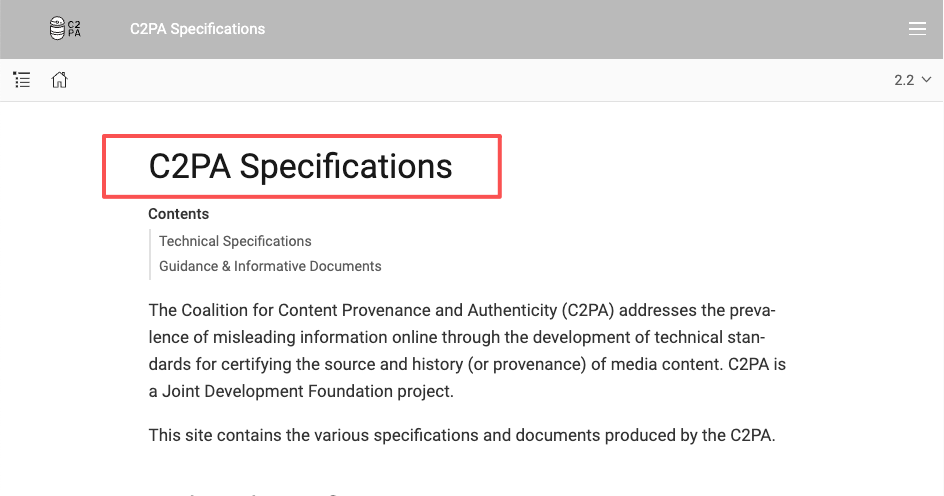
For synthetic media traceability, the current C2PA specification are worth understanding because they focus on certifying the source and history, or provenance, of media content. Even if a small creator team does not use formal content credentials, it can still record prompt purpose, source assets, approval status, and final usage. That record becomes useful when a client asks why an image looks a certain way three months later.
Safety Rules for Mature Prompting
The first safety rule is simple: keep prompts fictional, adult, consent-safe, and non-identifiable. Do not prompt for real people, celebrities, influencers, coworkers, ex-partners, private individuals, or “someone like this person.” Do not use private images as hidden references. Do not create content involving minors or age ambiguity.
The second rule is to treat consent as part of the prompt boundary. If any real adult model, performer, or creator asset is involved, the prompt must stay within the exact permission granted. A release for one campaign does not automatically allow new scenarios, altered bodies, new identities, or different commercial use.
StopNCII.org, which focuses on non-consensual intimate image abuse, is a strong reminder that intimate media misuse causes real harm. For content involving anyone who may have been under 18 when the material was created, NCMEC’s Take It Down is another important safety resource. Creators should design workflows that prevent harm before any output exists.
The third rule is to separate experimentation from publishable work. A draft may be fictional, but still unusable if it creates identity confusion, platform risk, or brand risk. Keep rejected outputs out of active production folders. Log why they were rejected without preserving harmful material longer than necessary.
The fourth rule is to check the tool and platform policies before publishing. Mature-content policies can change. A prompt that a tool accepts may still create an image that cannot be posted, monetized, advertised, or licensed.
FAQ
What are NSFW AI prompts?
NSFW AI prompts are text instructions used to guide AI systems toward mature or adult-oriented images. In a safe creator workflow, they should define fictional subject direction, style, composition, lighting, and exclusions without targeting real people, private images, minors, or non-consensual scenarios.
They are production instructions, not private jokes. Treat them like sensitive creative records.
How do creators write better visual prompts?
Creators write better visual prompts by separating the image into controllable parts: subject, style, composition, lighting, mood, background, and exclusions. The goal is to improve clarity, not intensity.
A good prompt gives the model a stable visual target. A risky prompt piles on identity cues, private context, or vague mature language that can push the output into unsafe territory.
What prompt patterns can create safety risks?
Risky patterns include real-person comparisons, celebrity references, private-photo descriptions, unclear age signals, coercive context, hidden-camera framing, revenge scenarios, school-coded styling, or language that implies someone did not consent.
If a prompt depends on a viewer recognizing a real person, it should be rejected. If the prompt tries to work around a platform or tool policy, it should also be rejected.
When should creators avoid prompt generator tools?
Avoid prompt generator tools when the project involves mature content with likeness, age, consent, privacy, or commercial-use questions. Also avoid them when the generator adds details the team cannot verify or approve.
If a prompt generator makes the request harder to audit, it is not helping. In mature workflows, reviewability matters more than speed.
Conclusion
NSFW AI prompts can improve visual control when they are structured, limited, and reviewed. The safest mature prompting focuses on fictional adult subjects, clear composition, controlled lighting, and explicit exclusions for unsafe patterns.
The real skill is not finding stronger words. It is knowing what not to ask for. If a prompt crosses into real-person likeness, private material, unclear age, coercion, or policy evasion, the professional move is not to rewrite it. The professional move is to stop.
Previous posts: