The first time I typed a slightly racy prompt into an image generator, I got a polite little “I can’t help with that.” I sat there, half-annoyed, half-curious. What even counts as nsfw ai art? Where’s the real line — the one that’s about taste, versus the one that’s about the law? I’d assumed it was one fuzzy zone. It’s not. It’s two very different things stacked on top of each other, and most explainers blur them together.
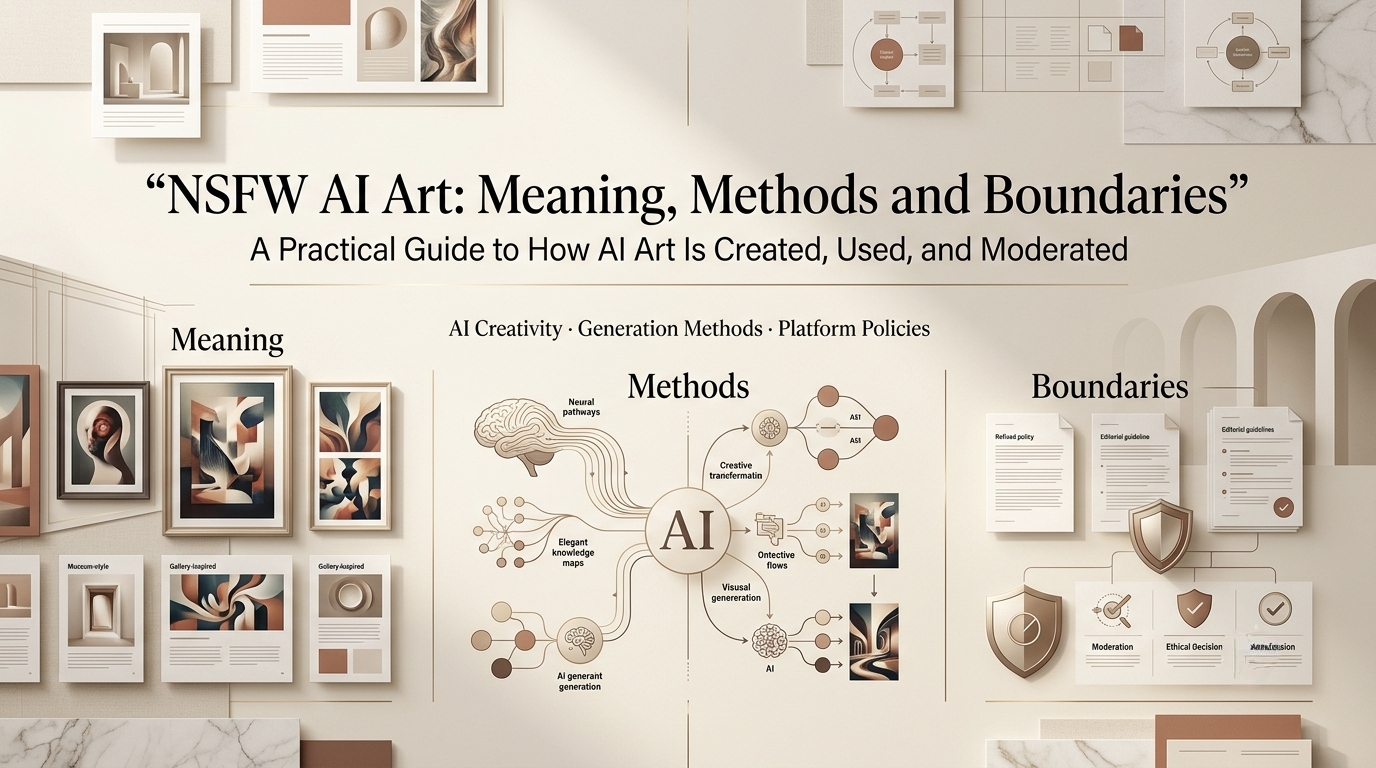
So here’s the honest version. This piece is about three things: what the term means, how these images usually get made (at a high level — this isn’t a recipe), and the boundaries that genuinely matter. No tool leaderboard, no hype. Just the map I wish someone had handed me.
30-second answer: “NSFW” means “not safe for work” — mature or explicit visual content. Making it of consenting adults, with a model and platform that allow it, is a gray-but-legal zone. Making it of real people without consent or anyone who looks like a minor is not a gray zone at all. It’s the second category that ruins lives and gets people prosecuted.
What NSFW AI Art Means
NSFW is an old internet label, not a precise one. People use ai art nsfw to mean everything from suggestive pin-up illustration to fully explicit imagery. The phrase travels under a few names — you’ll see nsfw ai image, “adult AI art,” or ai generated nsfw content — but they all point at the same idea: mature visuals produced by a generative model instead of a camera or a human illustrator.
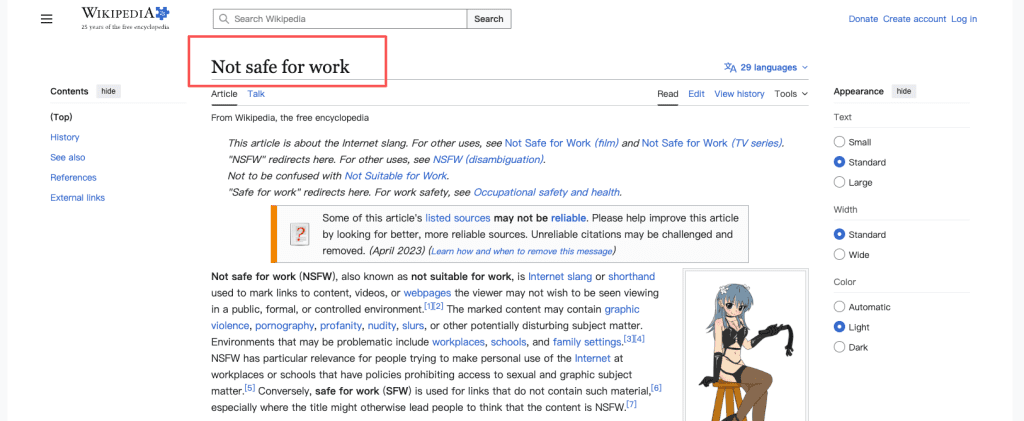
Two clarifications I had to make for myself. First, “NSFW” is about context, not just nudity — a medical diagram and a tasteful nude can both be flagged by a filter that doesn’t understand intent. Second, and this is the big one: the label says nothing about whether the content is legal. A picture can be NSFW and perfectly fine, or NSFW and a serious crime. The word doesn’t sort that for you. You have to.
How NSFW AI Art Is Usually Made
At a high level, there are three common paths. I’m describing what they are, not handing you step-by-step instructions.
Text-to-image
You write a description, a model turns it into a picture. Most mainstream text-to-image tools block explicit output by default, so the mature stuff tends to come from models or services that have loosened those filters. Some of these are marketed as nsfw ai models — checkpoints fine-tuned specifically on adult material. Worth knowing they exist; also worth knowing that “uncensored” usually means the safety guardrails were removed, which moves all the responsibility onto whoever runs them.
I’ve run prompts through both mainstream and specialized tools. The difference isn’t just whether the filter fires — it’s how each model handles ambiguity. Some will soften a prompt quietly; others return an error with zero explanation; a few give you the output and flag it for review. Knowing which behavior to expect saves a lot of frustration, especially when you’re testing for workflow consistency.
Image editing
Instead of generating from scratch, you feed in an existing image and have the model alter regions of it — adding, removing, or changing parts. This is where things get ethically sharp fast. The moment you edit a real person’s photo into something intimate, you’ve left “art” and entered deepfake territory. That’s not a style choice. That’s the line.
Local model workflows
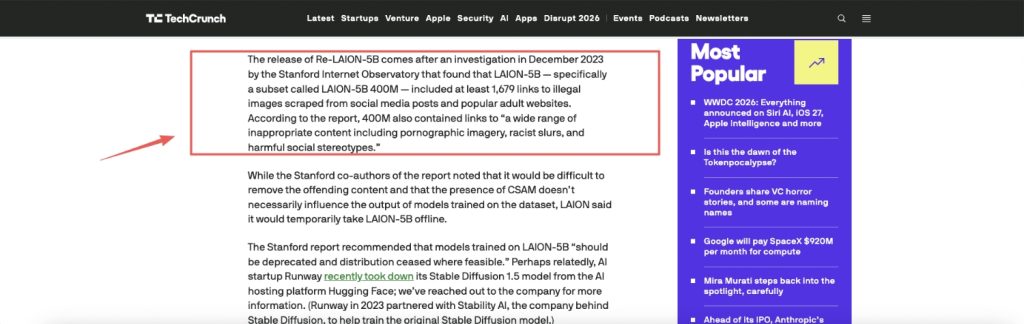
Some creators run open-source models on their own machines so nothing touches a cloud filter. The appeal is control and privacy. The catch is that the dataset and the output are entirely on you — and the provenance of open models has been genuinely messy. A Stanford investigation found that a widely used open training set contained verified child sexual abuse material, which forced a cleanup and re-release of the dataset after the original was pulled offline. If you can’t say where a model’s training data came from, that’s a reason to be careful, not a footnote.
What Is Off-Limits for Responsible Creators
This is the part I won’t soften. There are bright red lines, and they’re not about prudishness — they’re about real harm and real prison time.
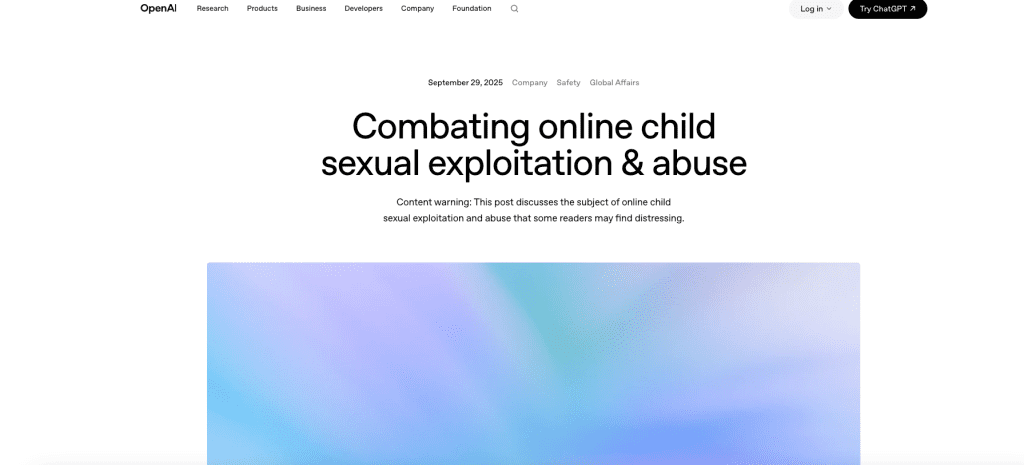
Anything involving minors. Full stop.No “aged-up” characters, no “she’s technically 18,” no anime loophole. In the US and most jurisdictions, sexualized depictions of children are illegal whether a real child was involved or fully synthetic, and major platforms report suspected material to the National Center for Missing and Exploited Children. There is no creative framing that makes this okay. If a prompt is nudging you here, the answer is stop — not “reword it.”
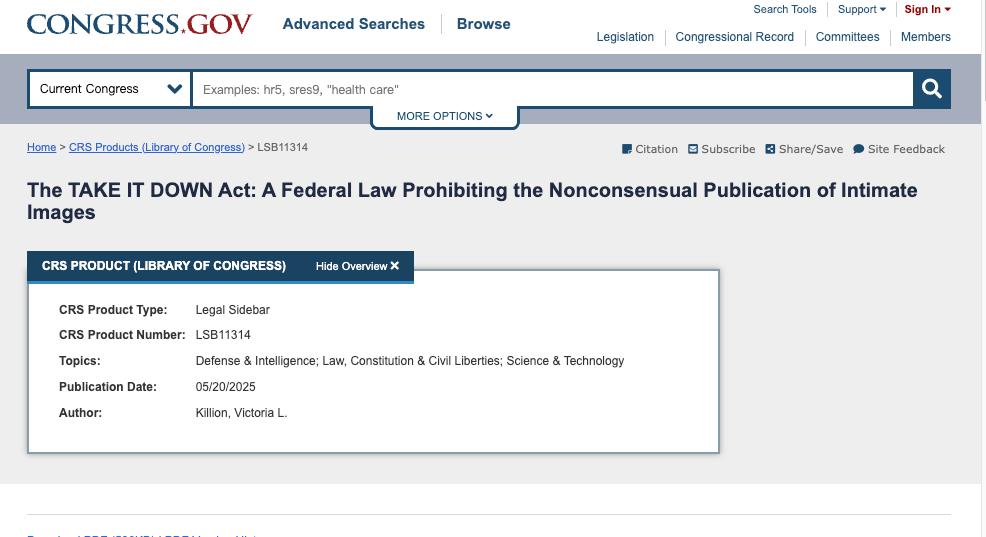
Real people without consent. Generating or editing intimate images of an identifiable person who didn’t agree is now squarely illegal in the US. The TAKE IT DOWN Act, signed into law in May 2025, criminalizes publishing non-consensual intimate images — including AI-generated “digital forgeries” — and requires platforms to remove them on request. Consent to create an image is also not consent to share it. “It’s just AI, it’s not really them” is not a defense anyone wants to test in court.
A clean gut-check I use: Is every person depicted a consenting adult, and could I prove it? If the honest answer is “no” or “I’m not sure,” I don’t make it. If you want a deeper framework for evaluating tools and edge cases, I keep a running NSFW AI tools safety guide for exactly this.
A note on jurisdiction: The lines I’ve described apply primarily to US law. The UK’s Online Safety Act, Australia’s Criminal Code Act, and the EU AI Act each handle AI-generated intimate imagery differently. If you’re not in the US, verify the specific statutes in your region before assuming US precedents apply to you.
Platform and Publishing Boundaries
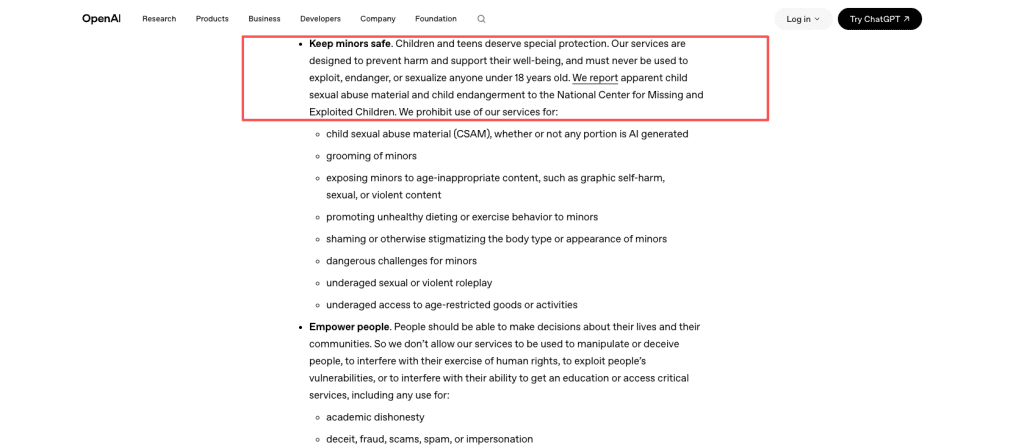
Even when content is legal, where you make and post it matters. Mainstream generators mostly refuse explicit output, and the rules shift constantly. OpenAI’s usage policies, for example, draw a hard line against sexual deepfakes and any sexualization of under-18s while moving toward age-gated adult content for verified users — a direction several companies are now taking. Open and local models hand that judgment back to you.
Publishing is a separate gate. Social platforms, app stores, and payment processors each have their own adult-content rules, and “I made it with AI” doesn’t exempt you from any of them. Platform rules shift faster than most creators expect. Stable Diffusion’s local workflow gives you the most freedom but puts every compliance call on you. NovelAI and similar adult-oriented platforms operate under their own ToS — worth reading before you post anything commercially. OpenAI’s API now supports age-gated adult content for verified operators, which is a meaningful change from where they stood in 2023.
| Platform | Explicit Content | Requires Age Verification | Commercial Use |
| Stable Diffusion (local) | ✅ Possible | ❌ No enforcement | ✅ Depends on model license |
| OpenAI / DALL-E | ❌ Blocked | — | — |
| NovelAI | ✅ Adult tier | ✅ Yes | ⚠️ Check ToS |
| Midjourney | ❌ Blocked publicly | — | — |
Policy status as of June 2026. Always verify on the official platform documentation before use.
FAQ
What does NSFW AI art mean?
It’s mature or explicit visual content created by a generative AI model rather than photographed or hand-drawn. The label flags context (not safe for work), not legality — legal status depends entirely on who’s depicted and whether they consented.
How is NSFW AI art made?
Usually through text-to-image generation, AI editing of existing images, or running open models locally. Mainstream tools block most explicit output by default, so mature results typically come from models with relaxed filters — which shifts responsibility onto the creator.
What are the main risks with AI-generated mature images?
Three big ones: depicting minors (illegal, no exceptions), using a real person’s likeness without consent (now a federal crime in the US for non-consensual intimate imagery), and platform or account bans for breaking content rules. Reputation and provenance risk sit on top of all of it.
When is a safer AI image workflow a better choice?
Whenever you’re publishing commercially, working with anything resembling a real person, or can’t verify a model’s training-data provenance. Policies and enforcement change often, so treat any platform’s adult-content rules as a moving target and always confirm against its latest official documentation before you create or post.
Conclusion
Here’s where I landed after all the late-night testing: the interesting question was never “how do I get the filter to say yes.” It was “which side of the line am I on.” Adults, consent, a model and platform you can stand behind — that’s the workable zone. Minors or non-consenting real people — never, no matter how the prompt is dressed up. Understanding nsfw ai art mostly means understanding that the word “NSFW” and the word “illegal” are not the same word, and learning to tell them apart fast. Get that straight first. The rest is just craft.
This article reflects platform policies and legislation as of the date above.
Laws and ToS change frequently — always verify with official sources before acting.
Note: This is not legal advice. Consult a qualified attorney for jurisdiction-specific guidance.
Previous posts: