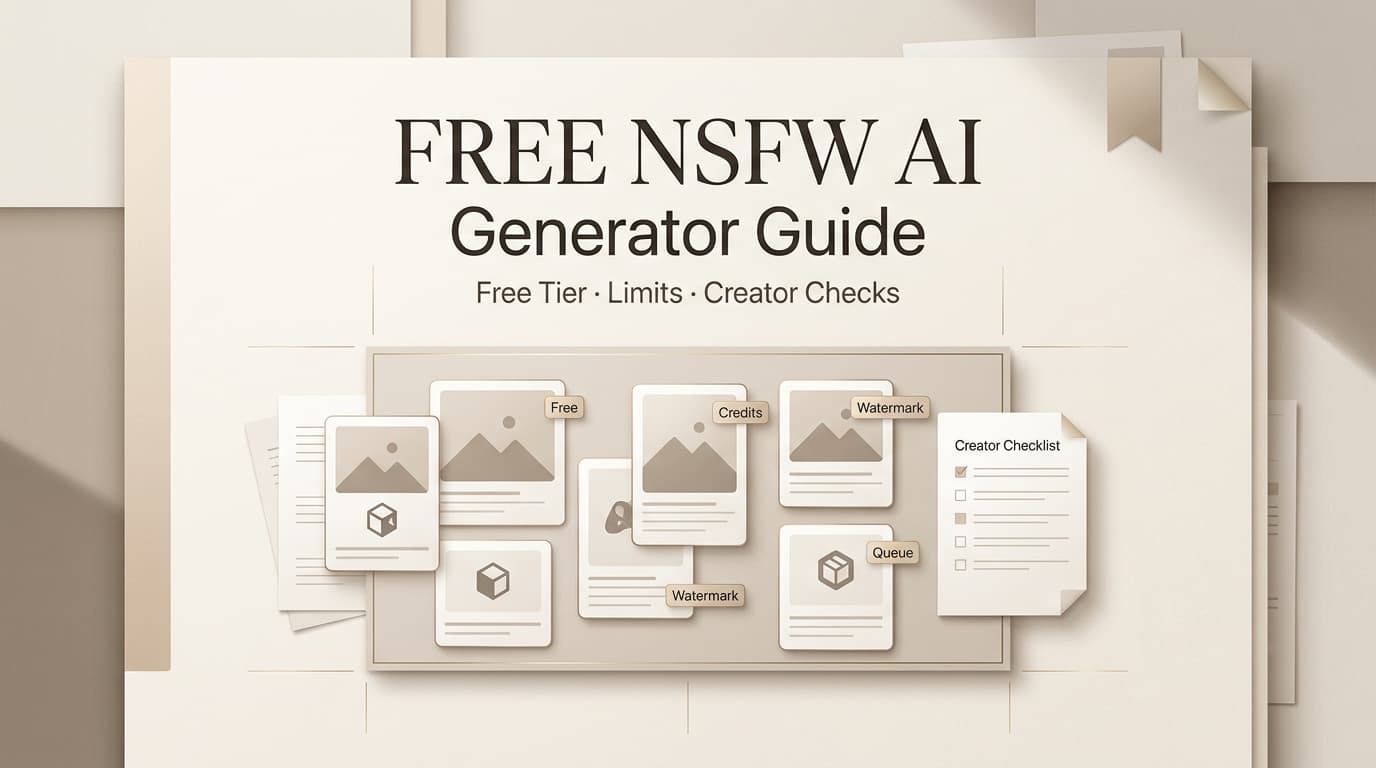
I get why creators search for a free nsfw ai generator first. Adult visual work can be expensive to test, and nobody wants to pay for a tool before knowing whether it can handle the style, privacy boundaries, export quality, and review process. But “free” is one of those words that gets slippery fast.
In adult AI image creation, free rarely means unlimited, risk-free, private, commercially cleared, or suitable for client work. It usually means a limited way to test a visual/content creation tool. This article is only about mature image or visual generation workflows, not chat, roleplay, or adult conversation tools. It does not provide prompt examples, tool rankings, or bypass methods.
Hi, I’m Dora. The safer question is not “Which tool is free?” It is “What can I safely test without exposing private material, violating consent, or building a workflow on claims that may change tomorrow?”
What Free NSFW AI Generator Usually Means
A free nsfw ai generator usually means one of three things: a hosted tool with limited free access, a trial that unlocks only part of the product, or a local workflow that avoids subscription fees but requires more technical setup. None of those automatically solves privacy, consent, output rights, storage, or publishing rules.
For adult image creators, the biggest mistake is treating a free tool like a private sketchbook. It may be hosted by a third party. It may log prompts or uploaded images. It may restrict certain content. It may allow generation but not commercial reuse. It may change rules without making old user reviews obvious.
That is why I treat “nsfw ai generator free” as a starting claim, not a buying conclusion. Before using any mature-content AI tool, I want to know what inputs it accepts, what it stores, what it blocks, what it exports, and what the user is allowed to do with the result.
Types of Free Access
Hosted tools
Hosted tools are the easiest to start with. You open a website, enter a prompt or upload an image, and test the result. For creators, this is convenient because there is no setup. For adult work, it is also where caution matters most.
A hosted free nsfw ai image generator may be useful for fictional style testing, rough moodboards, or visual experiments. It should not receive private photos, client assets, real-person references, celebrity images, or anything that would create harm if stored, leaked, or reused.
A hosted tool is only acceptable for serious work when its content rules, privacy terms, output rights, and deletion options are clear enough for the project. If those details are vague, use fictional test inputs only.
Trial-based access
Trial-based access can look free from the outside, but it often exists to let users sample the product before upgrading. That is not a problem. The problem is when creators build a workflow around trial behavior and later discover limits around downloads, watermarks, resolution, model access, or mature-content filters.
For an adult AI image workflow, a trial should be evaluated like a test environment. Do not assume the trial output represents paid output. Do not assume mature content allowed in a private test will be allowed in public export. Do not assume commercial use is included.
The review note should capture what happened during the trial: account state, model used, input type, export result, watermark behavior, and any safety warning. That record matters more than a vague impression like “it worked.”
Local workflows
Local workflows can appeal to experienced creators because they may reduce subscription dependency and give more control over files. But local does not mean automatically safe. The creator still has to manage model sources, licenses, storage, security, generated asset labeling, and publishing rules.
Local workflows also raise a different kind of responsibility. If a team controls the machine and the output library, it also controls access, deletion, review, and misuse prevention. A messy local folder full of mature generated images can become a risk archive very quickly.
For non-technical teams, hosted or trial tools may be simpler. For technical teams, local workflows may be more flexible. Either way, “free ai nsfw” should not bypass consent review.
Common Restrictions and Safety Checks
The first safety check is subject identity. Fictional adult content is a different category from real-person likeness. If a request involves a real person’s face, social profile, private photo, celebrity name, employee image, partner image, or leaked material, stop the workflow. Adult AI image creation should not be used to sexualize identifiable people without clear, documented consent.
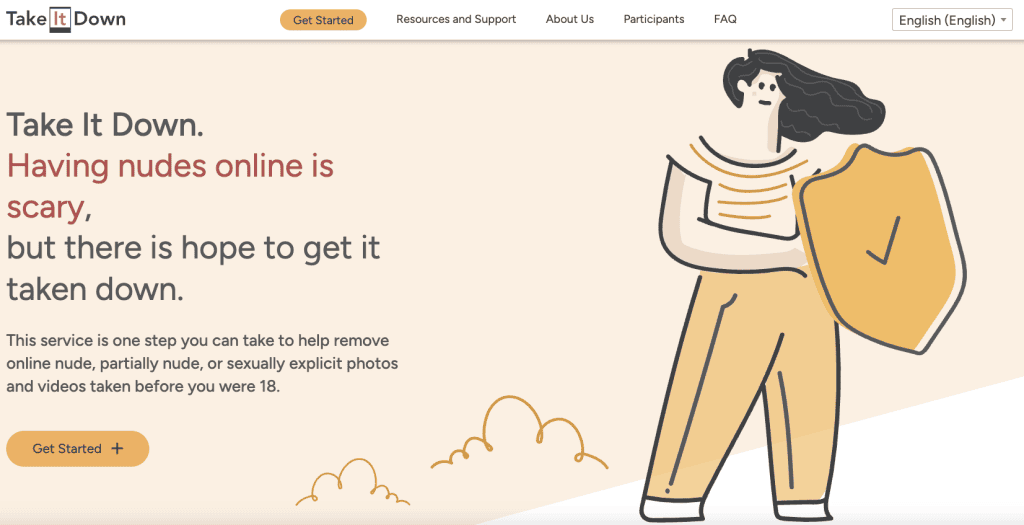
The second check is age and source uncertainty. If there is any uncertainty about whether a person is under 18, the asset should not be used. NCMEC Take It Down service for under-18 explicit images exists because nude, partially nude, or sexually explicit images involving minors require immediate harm-focused handling, not creative experimentation.
The third check is non-consensual intimate imagery. StopNCII adult intimate image support is relevant for adult survivors who need help limiting the spread of intimate images. For creators, the workflow lesson is direct: do not create, test, upload, or transform material that could become non-consensual intimate content.
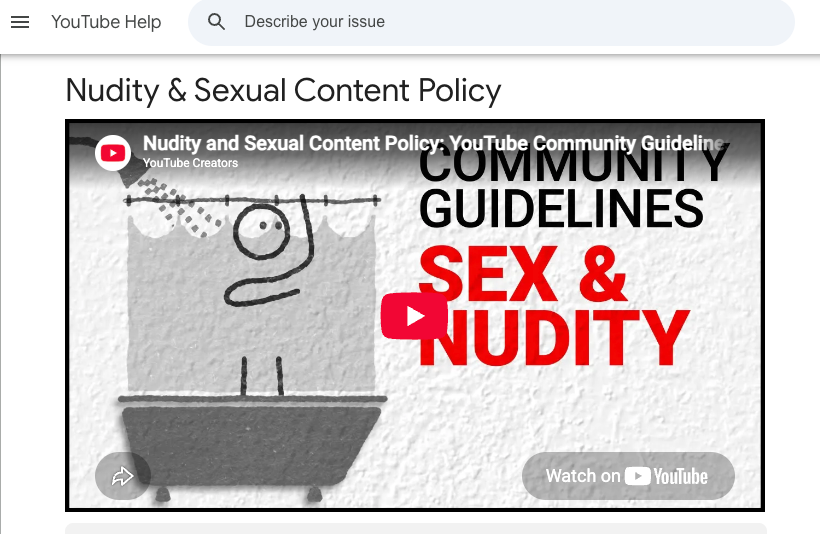
The fourth check is platform fit. YouTube nudity and sexual content rules show how strict mainstream platforms can be around sexually gratifying content, including animated, illustrated, and dramatized material. Even if a generator allows an image, the publishing platform may not.
When Free Tools Are Not Enough
Free tools are not enough when the project needs reliable output quality, clear commercial terms, private asset handling, team access control, repeatable generation, high-resolution exports, or formal client delivery. That does not make free tools useless. It means they belong earlier in the process.
I would use a free mature-content tool only for low-risk exploration with fictional, non-identifying material. Once a project involves paid distribution, client assets, performer likeness, brand usage, subscription content, or later video production, the workflow needs stronger controls.
Rights review also matters. U.S. Copyright Office AI and copyright resources are useful backgrounds for authorship, copyrightability, and AI-assisted work. Adult creators should not assume that a generated image is automatically owned, exclusive, or safe to monetize.
The safer pattern is simple: test with fictional inputs, label outputs clearly, keep export notes, restrict access, and verify terms before use. A free tool can help a creator learn what style direction works. It should not become the final production system by accident.
FAQ
What is a free NSFW AI generator?
A free NSFW AI generator is usually a mature-content visual generation tool that offers limited access without upfront payment. It may support fictional adult image creation, style tests, or low-risk concept drafts. “Free” does not guarantee privacy, commercial rights, unlimited use, or publishing permission.
How do creators check whether a free generator is safe to use?
Creators should check the tool’s content rules, privacy terms, upload handling, output rights, deletion options, watermark behavior, and platform restrictions before testing anything sensitive. The safest first test uses fictional, non-identifying material and avoids client assets or real-person references.
What risks come with free mature-content AI tools?
The main risks are unclear storage, weak privacy, real-person misuse, non-consensual imagery, uncertain output rights, low-quality exports, hidden limits, and platform bans. Free tools can also make teams careless because the first test feels informal. Adult content should never be reviewed casually.
When should creators avoid free NSFW AI tools?
Avoid them when the project involves real people, private images, performer likeness, client files, unclear-age subjects, commercial campaigns, subscription content, or assets that may later move into video. If the tool cannot explain rights and privacy clearly, keep it out of production.
Conclusion
A free nsfw ai generator can help adult image creators explore fictional concepts and mature visual styles, but it should be treated as a limited testing tool, not a finished production workflow.
The real decision is not whether the tool costs money. The real decision is whether the workflow protects consent, privacy, source rights, asset access, and publishing boundaries. If a free tool cannot pass that review, it is not actually free. It is just moving the cost into risk.
Previous Posts: