A video team once showed me a pipeline demo that looked impressive on the engineering side. It could move files between steps, call models, produce rough shots, and save outputs into a structured folder. The developer was excited. The creative lead was not.
Her question was simple: “Where does the campaign idea live?”
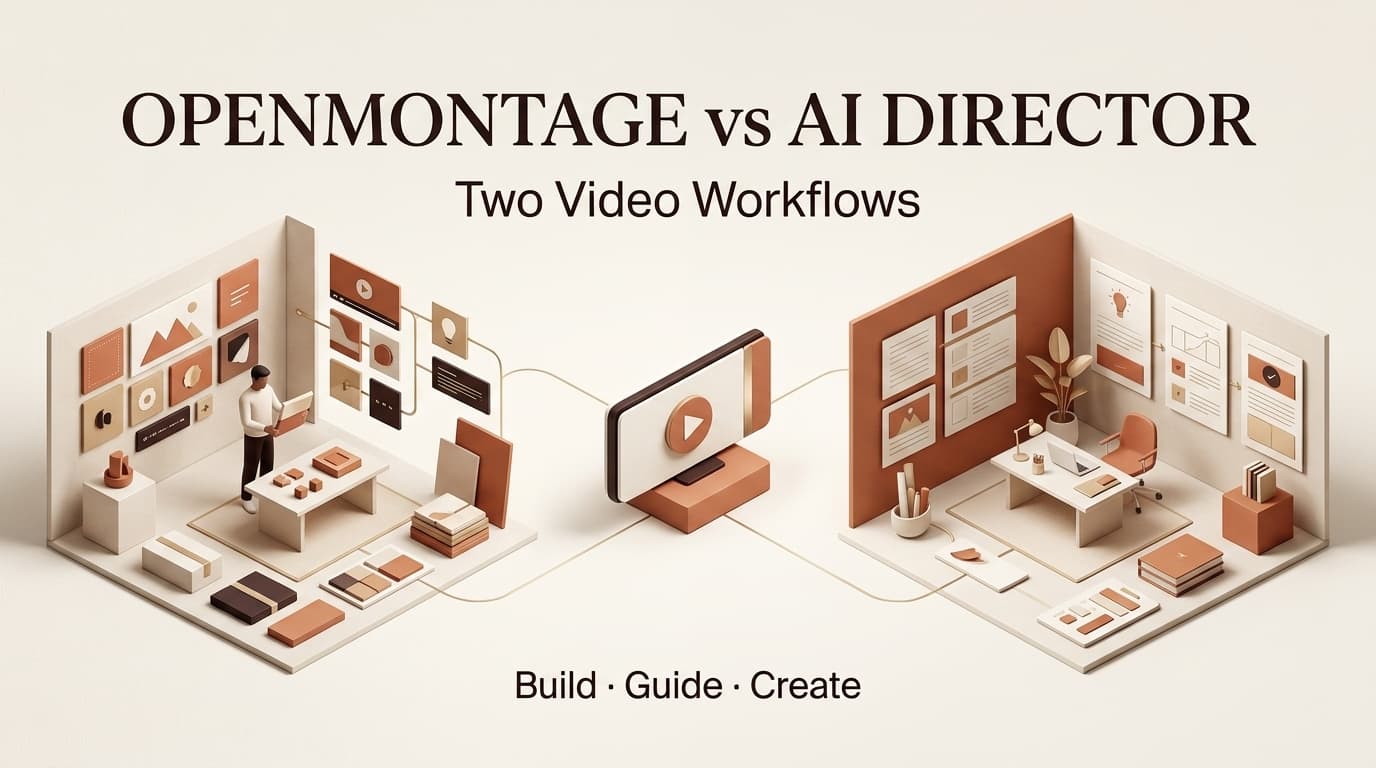
That is a useful way to compare OpenMontage with an AI Director workflow. Based on current public and community-level information, I could not verify a stable official source for OpenMontage. Before citing it in production content, teams should confirm the official repository, license, installation path, model support, maintainers, and current project status.
So this comparison stays careful. It treats OpenMontage as a possible open pipeline idea, not as a confirmed product with fixed features.
What OpenMontage Appears to Represent
OpenMontage is discussed here as a possible open, modular pipeline concept. That means it is less about a polished creator interface and more about connecting tasks, models, files, and agents into a repeatable system.
For technical teams, that can be attractive. For creators and marketers, it can also become confusing fast.
Open-source pipeline model
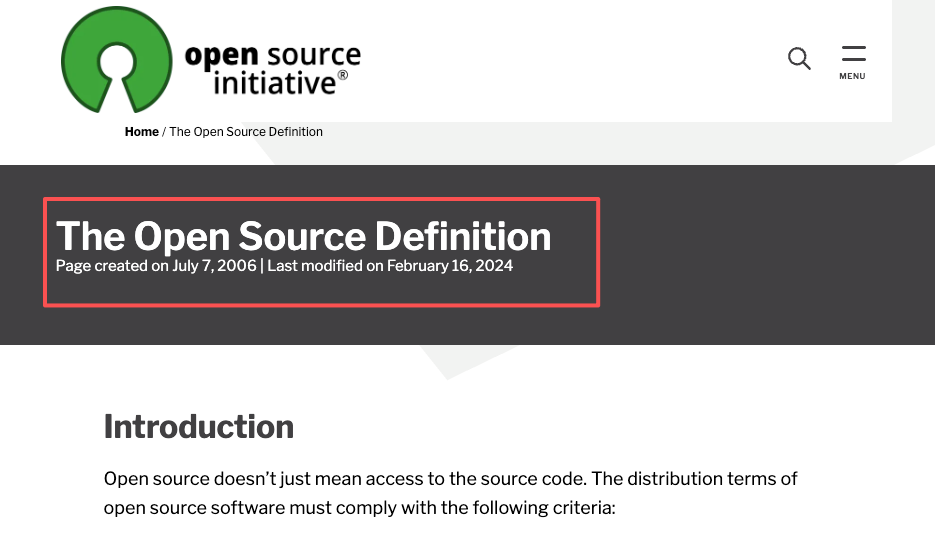
If OpenMontage is used as an open-source style pipeline, the first thing to verify is whether it is actually open source under a recognized license. The Open Source Initiative’s Open Source Definition is a useful baseline because source access alone is not enough. License rights, redistribution, modification, and usage terms matter.
An open pipeline can give teams flexibility. They may connect image models, video models, captioning tools, storage, review scripts, or export steps. But flexibility comes with maintenance. Someone has to understand the system when it breaks.
Code or agent orchestration
The second likely angle is code or agent orchestration. In an agentic video production setup, different steps may be handled by scripts, agents, APIs, or model calls. One part may generate assets. Another may inspect outputs. Another may assemble drafts.
That sounds powerful, and sometimes it is. But orchestration is not the same as creative direction. A pipeline can move tasks forward without knowing whether the video still matches the brief.
Production-system mindset
The strongest version of an OpenMontage-style workflow is a production system mindset. It treats AI video as a chain of inputs, outputs, dependencies, logs, and review points. That is useful when a team needs repeatability.
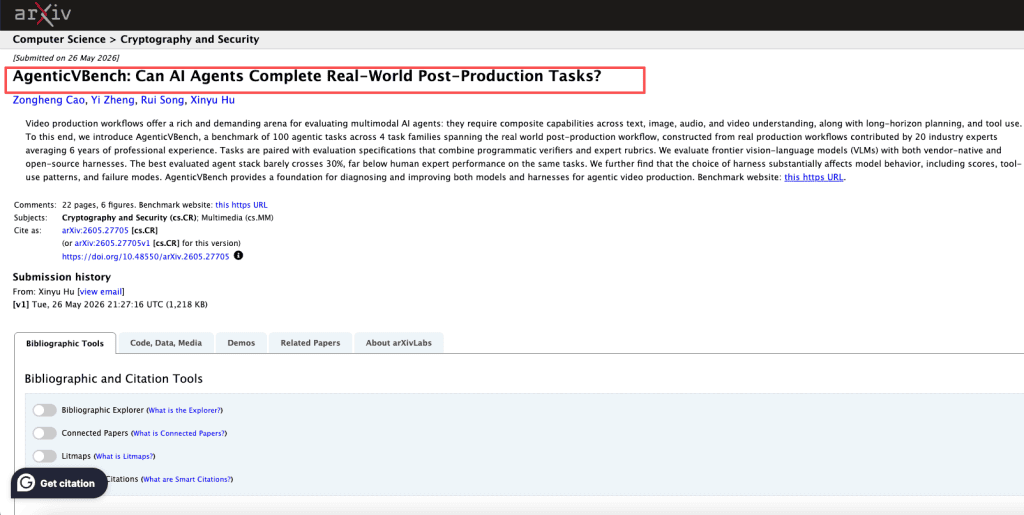
Research such as AgenticVBench examines challenges in agent-based video tasks: video work involves long-horizon planning, tool use, expert judgment, and multi-step evaluation. A pipeline helps, but it does not remove the need for human review.
What AI Director Workflows Prioritize
An AI Director workflow starts earlier than the pipeline. It asks what the video is trying to say, who it is for, how the script should unfold, what the storyboard needs, and how revisions should be approved. CrePal is a useful example of this category because its value is not asking creators to maintain code pipelines, but helping teams move from campaign brief to storyboard, generation, review, and final video workflow.
For nontechnical teams, that starting point matters. They do not want to maintain a pipeline. They want a guided path from brief to draft.
Brief intake
Brief intake is where the project gets its direction. The team defines audience, format, goal, product claim, style, required assets, and approval owner.
Without a brief intake, even a clean AI video workflow can generate the wrong video efficiently. I have seen teams produce three polished drafts that all missed the product message because the pipeline never forced a clear brief.
Storyboard guidance
Storyboard guidance turns the brief into scenes. A video storyboard AI layer can help structure the hook, setup, product moment, proof, and CTA before generation begins.
This is where guided workflows feel different from open pipelines. The question is not only “What model should run next?” It is “What should the viewer understand in this scene?”
Revision-ready drafts
Revision-ready drafts are not just raw outputs. They come with notes: what the scene is trying to do, which assets were used, what feedback is open, and what should happen next.
That is the part creators care about. They need drafts that can be reviewed by marketing, product, brand, or clients. A file without context creates more work.
Open Pipeline vs Guided Creative Studio
An open pipeline is best understood as infrastructure. It can be flexible, customizable, and technical. It may suit teams that have engineers, model experience, and a reason to build their own production system.
A guided creative studio is closer to a workspace for creators, marketers, and content teams. It prioritizes brief intake, storyboard flow, visual generation, review, and export readiness.
Neither model is automatically better. They solve different problems.
An open pipeline gives control, but someone must own dependencies, model changes, security, documentation, and handoff. GitHub’s dependency graph documentation is a good reminder that software supply chains need ongoing visibility. In AI video, dependencies are not only packages. They can include models, APIs, prompts, storage, licenses, and review tools.
A guided studio gives structure, but it may offer less low-level control. That tradeoff is often acceptable for teams that care more about output velocity than infrastructure ownership.
Which Team Should Choose Which Workflow
Choose an OpenMontage-style workflow if your team has technical ownership. That means someone can inspect the repo, verify the license, maintain dependencies, test model changes, manage failures, and document the pipeline after handoff.
This fits research groups, AI-native studios, technical agencies, and teams building repeatable internal systems.
Choose an AI Director workflow if your team needs creative guidance more than infrastructure control. That fits creators, marketing teams, UGC teams, product marketers, and small agencies that need storyboards, review-ready drafts, and clear revision paths.
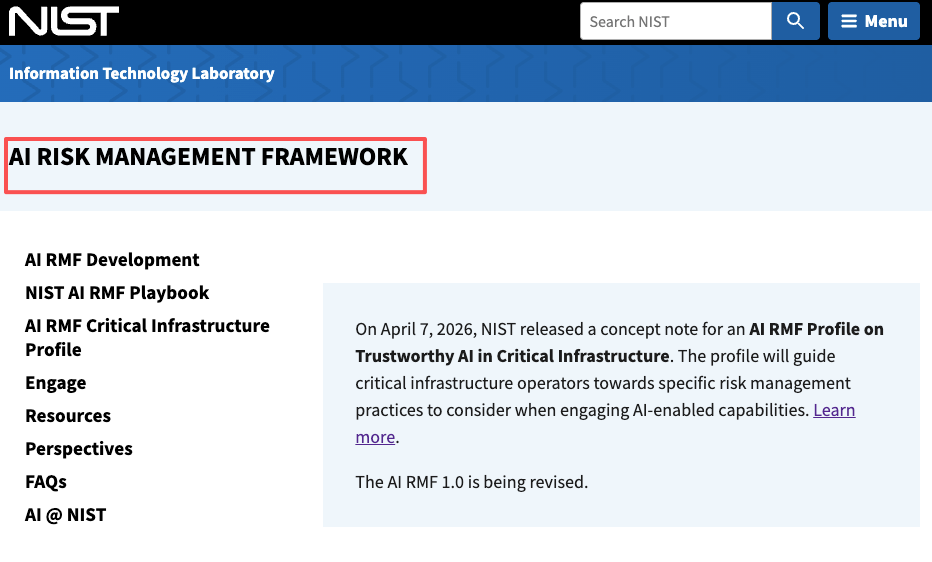
NIST’s AI Risk Management Framework is useful for both paths because it pushes teams to manage AI risk across governance, mapping, measurement, and operations. Whether the workflow is open or guided, teams still need accountability.
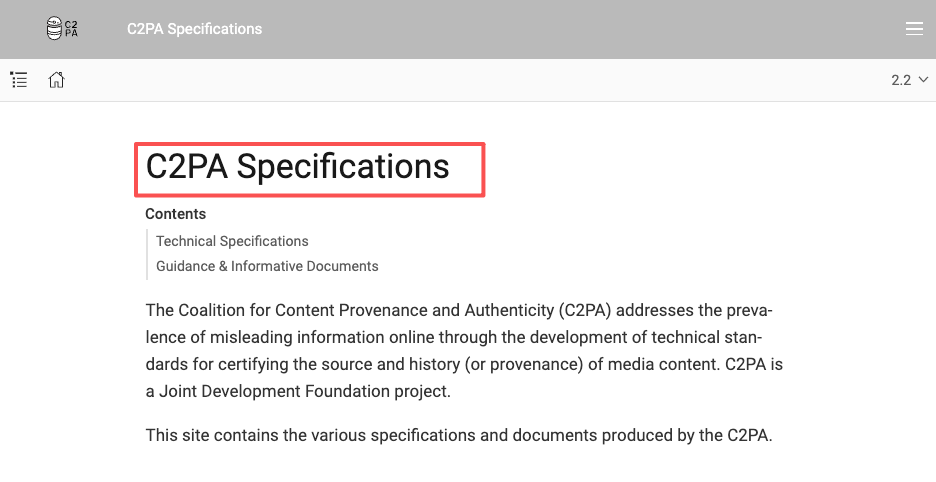
For final delivery, traceability also matters. The C2PA specification is a useful reference for content credentials and media history. Even small teams should track which assets were generated, edited, approved, or rejected.
FAQ
What sources should teams verify before citing OpenMontage?
Verify the official repository, project website, maintainers, license, release history, documentation, and any published paper or technical report. If those sources are not stable, avoid hard claims about features, model support, installation, or production readiness.
Do not cite social posts as the only source for a workflow decision.
Who maintains dependencies after project handoff?
The team that owns the pipeline should maintain dependencies. If an agency builds it for a client, the handoff should name who updates models, APIs, packages, storage paths, and security settings.
A pipeline without a maintenance owner becomes technical debt very quickly.
What happens if the pipeline changes mid-project?
Pause and document the change. A model update, dependency change, prompt change, or API behavior change can affect output quality and review decisions.
The team should decide whether to freeze the current pipeline for the project or rerun affected scenes under the new version.
How should nontechnical reviewers evaluate outputs?
Nontechnical reviewers should evaluate the video against the brief, storyboard, brand rules, claim boundaries, and audience goal. They do not need to inspect the code.
A good review form asks: does this scene do its job, is the product accurate, does the pacing work, and what must change before approval?
Conclusion
OpenMontage should be handled carefully until stable official sources confirm what it is, how it works, and what teams can rely on. As a concept, it points toward open pipeline thinking: modular, technical, and highly customizable.
CrePal, as an AI Director workflow example, points in another direction: guided creative planning, storyboard support, revision-ready drafts, and production clarity for nontechnical teams.
The best choice depends on ownership. If your team can maintain the machine, an open pipeline may be worth exploring. If your team needs to move from brief to approved video without becoming pipeline engineers, a guided AI Director workflow is the cleaner fit.
Previous Posts: