I’m Dora. The first time I tried to build a dance-led AI music video, I made the clip look energetic before I made it make sense. The motion was fine. The video was not. It had no opening idea, no supporting shots, no artist mood, and no clean place for the chorus to land.
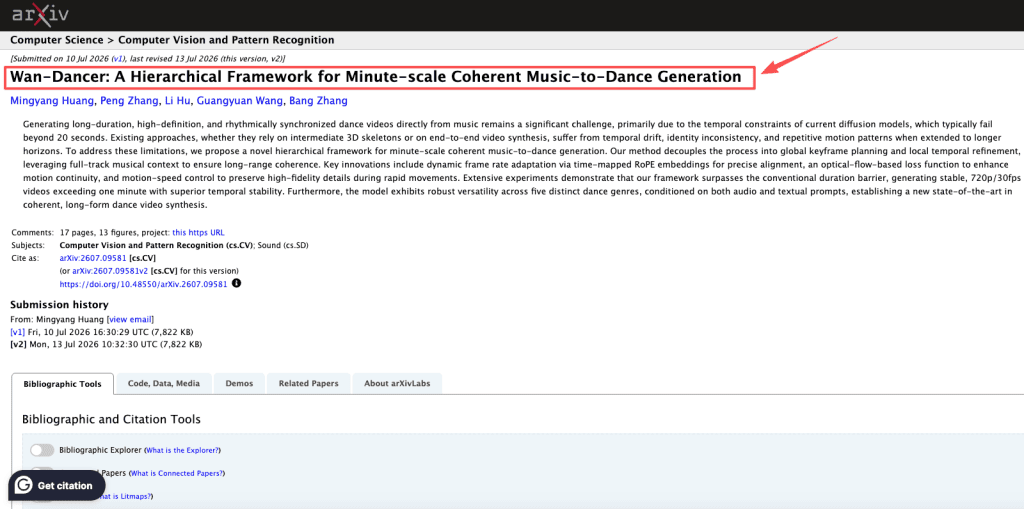
That is a useful way to think about a Wan-Dancer music video workflow. Wan-Dancer can help with music-driven dance generation, but a finished music video still needs concept work, scene order, review, editing, and delivery. The Wan-Dancer paper describes a hierarchical framework for minute-scale coherent music-to-dance generation, using global keyframe planning and local temporal refinement to improve longer dance-video coherence. That is a strong research direction. It is not the same thing as a full music video production system.
Why Wan-Dancer Is Not a Full Music Video Workflow
Dance generation versus video production
Dance generation solves one part of the video: synchronized body movement. A full AI music video workflow has more pieces. It needs a song concept, visual theme, shot logic, non-dance inserts, title moments, artist or brand context, captions, export specs, and publishing checks.
If a team wants to generate K-pop dance video drafts, Wan-Dancer-style research can be relevant because K-pop often depends on clean formation energy, chorus moves, and repeatable visual beats. But the style label alone does not guarantee usable results. A K-pop-inspired draft still needs scene planning, costume consistency, camera rhythm, and a reason for the viewer to keep watching after the first move.
Missing story and brand context
AI dance clips do not automatically know the artist story. They do not know whether the track is about confidence, heartbreak, comeback energy, summer nostalgia, or a product campaign. They also do not know brand rules unless a team defines them.
This matters for MCNs and brand content teams. An AI dancer video can look exciting and still be wrong for the artist. A glossy studio dance may weaken a raw indie track. A street-style routine may clash with a luxury campaign. The team has to decide what the dance is doing inside the video.
Why editing still matters
Editing is where the draft becomes watchable. AI dance clips may have good motion in sections but still need trimming, pacing, cutaways, color matching, title cards, and continuity checks. I rarely trust a generated dance clip as a complete asset. I treat it like performance footage: useful when selected carefully, risky when dumped straight onto the timeline.
Build a Music Video Around AI Dance Clips
Song concept and visual theme
Start with the song, not the model. Listen for the emotional arc. A bright chorus may need open framing and repeatable choreography. A moody verse may need closer shots and slower movement. A beat-heavy bridge may need a visual reset.
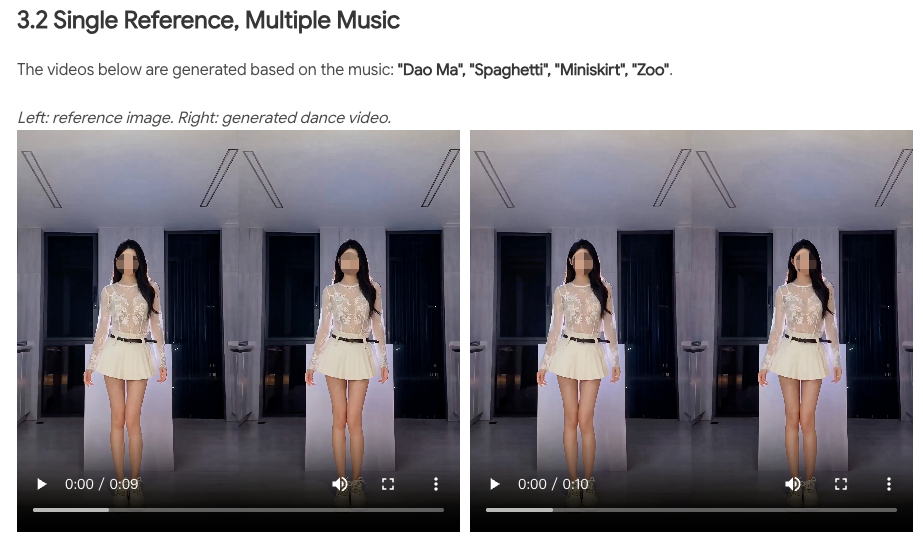
The visual theme should be simple enough to guide every clip. For example, “rehearsal room turning into stage performance” gives the team a clear movement from casual to polished. “Digital idol in a neon city” gives a different kind of camera and wardrobe logic. Without a theme, the generated dance segments may feel like separate tests rather than one video.
Dance segments and supporting shots
Wan-Dancer can be thought of as a dance-segment generator inside a larger music-to-dance workflow. The team still needs supporting shots. Those may include artist close-ups, product inserts, city details, lyric moments, crowd reaction, backstage preparation, or abstract visuals that match the song.
This is where many AI drafts fall apart. They stay on the dancer too long. Real music videos breathe. They cut away, return, build anticipation, and let the chorus feel earned.
Storyboard and scene order
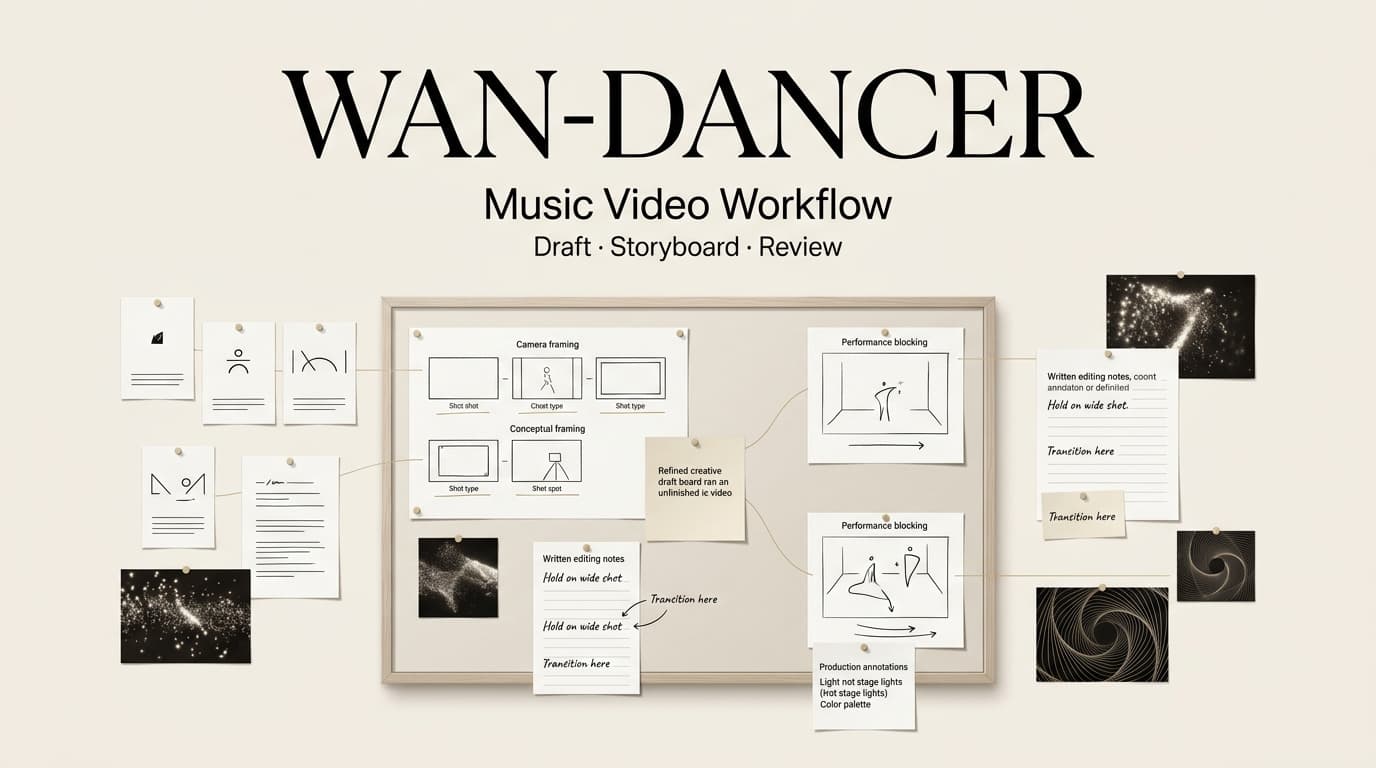
A storyboard does not need to be fancy. It needs to answer what the viewer sees before the first dance move, where the chorus move appears, when the camera changes energy, and how the video ends.
For a creator team, I would map the song into segments first. Then I would decide which segments deserve dance generation and which need other visuals.
From Dance Drafts to Publishable Video
Continuity checks
Continuity review should happen before the team gets attached to a clip. Watch for identity drift, clothing changes, hand and foot problems, lighting shifts, background jumps, and movement that stops matching the beat. The Wan-Dancer paper focuses on long-range coherence, but production teams still need human review because research claims do not replace project-specific quality control.
I like watching the dance draft once with sound and once muted. If the movement only works when the music hides problems, the editor should be cautious.
Brand or artist review
Artist and brand review should happen before final polish. The reviewer should check whether the dancer, styling, mood, and camera feel match the release. If the video is sponsored or includes a product, the FTC’s Disclosures 101 for Social Media Influencers is a useful reminder that paid relationships should be disclosed clearly.
For platform transparency, YouTube’s guidance on altered or synthetic content is also relevant when realistic AI-generated or altered visuals could make viewers think something real happened. Disclosure rules can vary by platform and context, so do not treat one platform’s guidance as universal.
Revision and export plan
Revision notes should separate dance issues from video issues. “Arm motion breaks at chorus” is a dance-generation problem. “Cutaway needed before hook” is an editing problem. “Logo appears too late” is a brand issue. When these notes are mixed together, teams regenerate clips when they only needed an edit.
Export planning should also include music rights, platform, aspect ratio, caption needs, and version naming. YouTube’s copyright help explains that uploaders are responsible for using copyrighted material safely and points to permission, fair use, Creative Commons, and music library options. For TikTok campaigns, the TikTok Commercial Music Library is relevant because business and ad use may have different music rules than personal creator use.
This article is not legal advice. Music copyright, choreography rights, performer likeness, artist approval, commercial use, and platform policy should be checked against official rules and actual license documents.
When to Use Other Models or Editing Tools
Use other models or editing tools when the video needs more than dance. If the storyboard needs close-up emotion, product shots, lyric animation, cinematic B-roll, crowd scenes, or title design, a pure dance-generation workflow will feel narrow. A music video generator can help with some pieces, but no single tool should own the whole edit unless it can support concept, storyboard, visual continuity, rights review, and final delivery.
Human editing is still the glue. A strong editor can save a good dance draft by cutting around weak frames, matching motion to the song, adding supporting shots, and controlling the energy curve. Regeneration is useful when the movement itself is broken. Editing is better when the idea is strong but the structure needs help.
FAQ
Who owns revision notes across dance and non-dance shots?
The producer or creative lead should own the master revision log. Dance notes, storyboard notes, brand notes, and export notes can come from different people, but one person needs to keep the timeline coherent. Otherwise, the dance team may fix the movement while the editor changes the scene order.
How should teams handle a changed chorus cut?
A changed chorus cut should trigger a timing review. The team should check whether the dance segment still lands on the hook, whether supporting shots need to move, and whether captions or product moments now appear too early or too late. Do not only trim the clip. Recheck the whole chorus section.
What belongs in the final music video handoff?
The handoff should include final exports, project files if available, licensed song records, performer or likeness releases, prompt or generation notes, edit decision notes, thumbnail assets, captions, platform versions, and any known limitations. The goal is to let another editor understand what was approved and why.
When should a draft stay internal only?
A draft should stay internal if identity changes are visible, dance motion breaks badly, the song rights are unclear, the artist or brand has not approved the look, or platform disclosure questions are unresolved. Internal drafts are useful for direction. They should not become public just because they look impressive in a short preview.
Conclusion
A Wan-Dancer music video workflow is strongest when teams treat dance generation as one production layer. Wan-Dancer-style research can help turn music into coherent dance clips, but a publishable video still needs story, supporting shots, review, editing, rights checks, and export planning.
For creators, MCNs, and brand teams, the safest approach is practical: use AI dance clips to explore performance energy, build a storyboard around the best moments, edit with human judgment, and keep legal and platform checks close to the final export.
Previous Posts: