Dora here. I started this comparison with one practical question: if I had to ship a creator video this week, which model would make me less tired? That is the real point of ltx 2.3 vs wan 2.2. Not which model wins a polished demo. Which one fits the way creators actually work.
If you are comparing wan 2.2 vs ltx 2.3, my short answer is this: LTX is easier to frame as a controlled production workflow, especially when retakes, extensions, audio-video generation, and iteration matter. Wan 2.2 feels more like a serious open video model family for cinematic motion, image-to-video experiments, and technical users who want more model-level control.
No fake winner here. You still need your own prompt pack.
LTX 2.3 and Wan 2.2 at a Glance
LTX comes from Lightricks, and the official LTX API documentation lists text-to-video, image-to-video, audio-to-video, retake, extend, and HDR upscale workflows. The same docs describe synchronized audio generation with visuals, which matters if your clip needs dialogue, ambience, music, or foley without a separate audio pass.
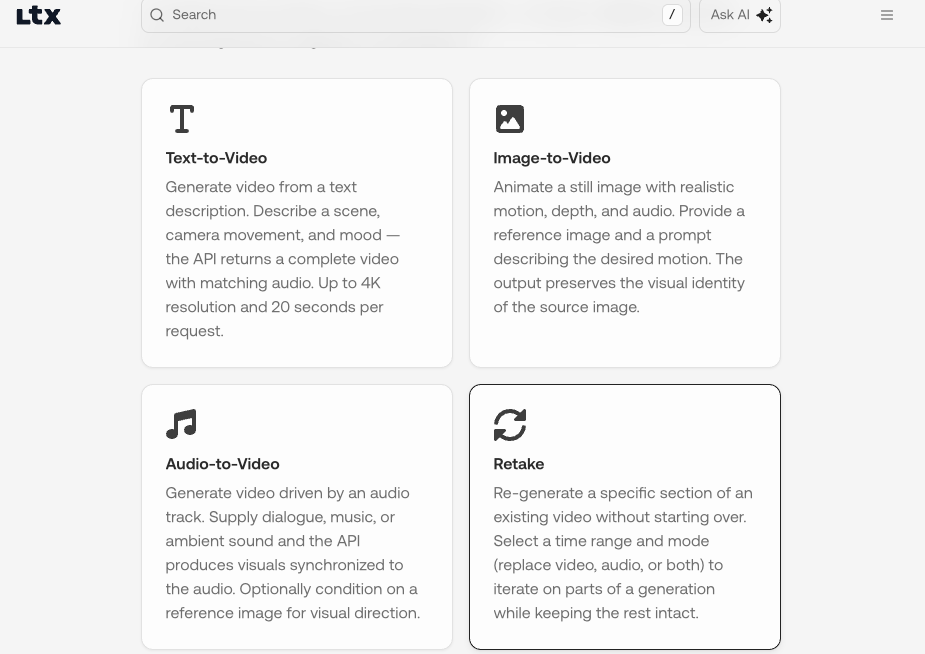
The public Lightricks LTX-Video repository also positions LTX-2 as the current development home for the model family, with multi-keyframe support, LoRA support, ComfyUI integration, and open access. For creators, that reads less like a one-shot clip machine and more like a model stack you can build into a repeatable workflow.
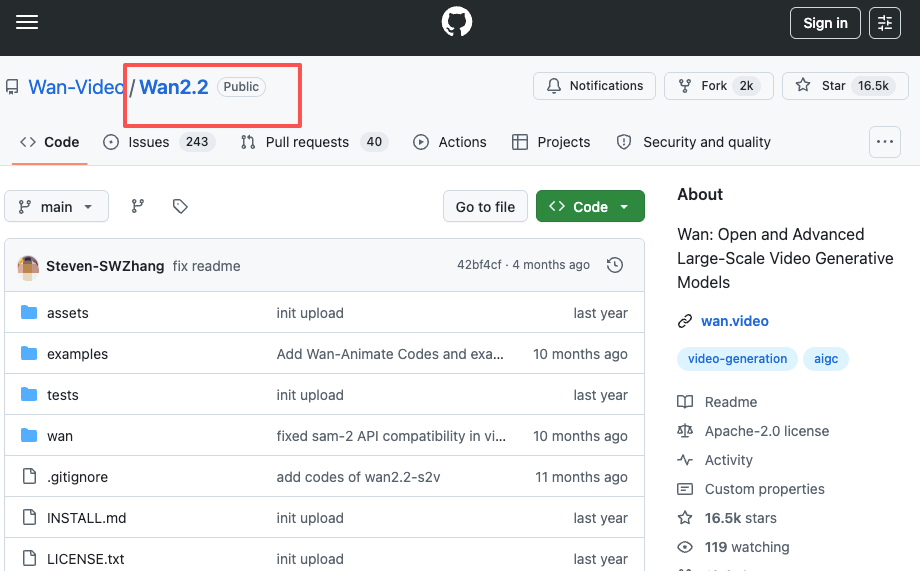
Wan 2.2 comes from the Wan-Video team. The official Wan2.2 GitHub repository describes a Mixture-of-Experts architecture, upgraded training data, cinematic aesthetic labeling, and model variants for text-to-video, image-to-video, text-image-to-video, speech-to-video, and animation.
The practical difference is pretty clear. LTX leans toward creator workflow control. Wan 2.2 leans toward model breadth, motion quality, and open experimentation. That is not criticism. It is just the split I would keep in my head before spending credits or GPU time.
For a more technical breakdown of resolution, frame rates, VRAM, local deployment, and open-source access, see our LTX 2.3 vs Wan 2.2 open-source model comparison. This article stays focused on a different question: which model creates less friction when a creator has to revise, format, approve, and deliver the final video.
Head-to-Head Comparison
Motion and consistency
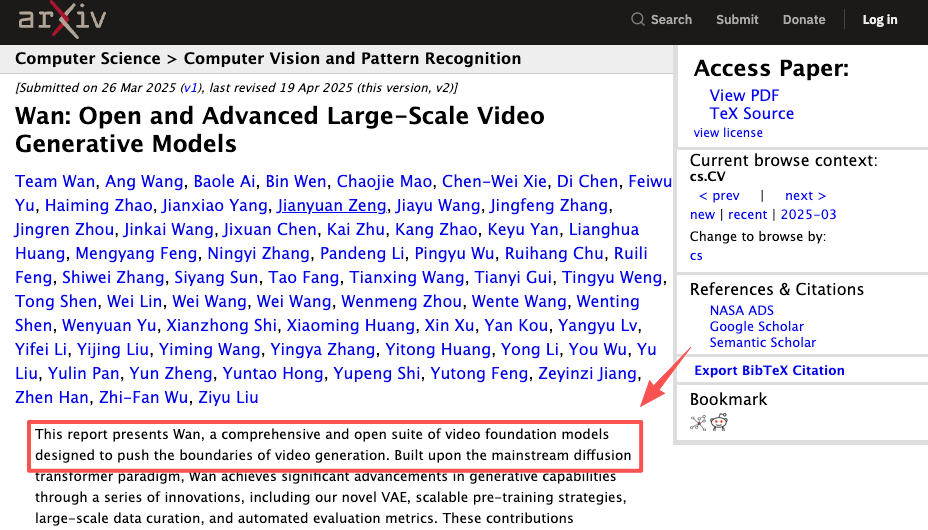
A prominent part of Wan 2.2’s public positioning is motion and cinematic generation. Its repository says the model was upgraded with more image and video data than Wan2.1, plus curated labels around lighting, composition, contrast, color tone, and other aesthetic factors. That matters when you are generating fashion walk cycles, character movement, dramatic product reveals, or camera-heavy clips.
The broader Wan technical background is also documented in the Wan video foundation model paper, which describes Wan as an open suite covering text-to-video, image-to-video, editing, and other video tasks. I would not treat that paper as proof that every Wan 2.2 output will beat LTX. But it does support the idea that Wan is built as a serious video foundation model family, not a thin wrapper around one generation mode.
LTX’s motion story is more tied to controllability and repair. The official docs include retake and extend, and the GitHub repo mentions multi-keyframe conditioning and video extension. That changes how I judge consistency. A model can fail the first pass but still be useful if I can fix only the weak section.
For short cinematic clips, I would test Wan 2.2 first. For a production sequence where I expect to revise, extend, or keep audio-video continuity, I would test LTX first.
Prompt control
LTX gives creators more obvious workflow hooks. The docs support text, image, and audio inputs, while the repository mentions multi-keyframe conditioning and LoRA support. If you already work in ComfyUI, or if your process depends on repeatable settings, that matters.
The LTX-2 technical claims are also supported by the LTX-2 audiovisual foundation model paper, which describes LTX-2 as an open-source model designed for unified audiovisual generation. I would use that source when talking about the audio-video direction of the model family, not as a blanket promise that every hosted mode or local build has the same behavior.
Wan 2.2 has strong control options too, but they sit more at the model variant level. Its official repo lists T2V-A14B, I2V-A14B, TI2V-5B, S2V-14B, and Animate models. That is exciting if you like choosing the exact generation path. It can also be a little much if you just need three clips for a launch post.
My split:
Use LTX when you need retakes, extensions, audio-aware generation, keyframes, or project continuity.
Use Wan 2.2 when you want to explore visual motion, cinematic prompting, image animation, or character movement across different model variants.
Tiny warning from my own desk: neither model rewards lazy prompts. “Make it cinematic” is not direction. Give subject, scene, camera move, motion, lighting, duration, and what should not change.
Access and workflow fit
This is where I would slow down before publishing any hard claim. The search phrase ltx 2 free is useful because it tells us creators care about cost and access. But I would not write a fixed free-credit number unless it is checked on the official LTX access page on the day of publication. Free tiers, included credits, and hosted limits change too often.
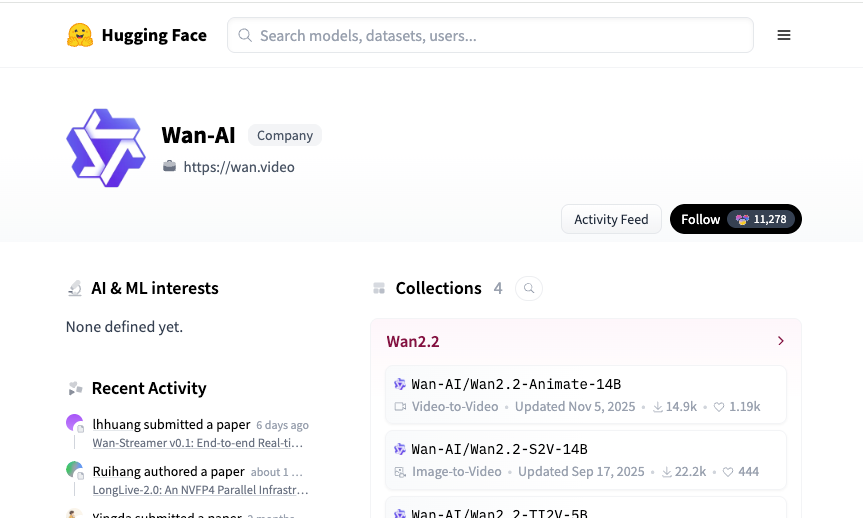
Wan 2.2 is publicly available through its GitHub repository, with model access routes including Hugging Face and ModelScope. The Wan-AI Hugging Face organization is a useful source to verify model cards and available releases, especially if you need to confirm which checkpoints are currently public. For local creators, Wan 2.2 can be attractive because the repo includes different model sizes and workflows. For less technical creators, that same flexibility can turn into setup friction.
LTX may fit better when the production flow matters more than local control. Wan may fit better when you want deeper open-model experimentation.
Best Use Cases for Each Model
LTX 2.3 is the better first test when the project needs controlled iteration. I would put explainers, product ads, short branded videos, narrated scenes, and multi-step clips in this bucket. Retake and extend sound boring until you have one almost-good clip with three bad seconds. Then they feel very practical. It also fits creators who want a repeatable production flow. If your job is not “make one pretty clip”, but “ship five variations and revise the best one”, LTX has the more workflow-shaped story.
Wan 2.2 is the better first test for visual exploration and image-led motion. If you have a strong source image and want to animate it, test Wan’s I2V and TI2V paths.
Using Both Inside One Workflow
Use Wan 2.2 for exploration. Generate mood tests, image-to-video options, camera movement samples, and character motion ideas. Pick what feels alive. Then use LTX when the project turns into something you need to deliver. Retake the weak section. Extend a clip. Add synchronized sound. Build a more controlled path toward export.
A practical workflow could look like this:
- Start with Wan 2.2 for visual direction.
- Select the best motion or image-to-video result.
- Move into LTX when you need audio, retakes, extension, or tighter control.
- Finish inside your editing or AI Director workflow with captions, brand assets, and export settings.
This is why model comparison posts can get creators into trouble. The model that wins the first pretty sample does not always win the deadline.
What to Test Before Choosing
Before choosing, build a small prompt pack. Not random prompts. Real ones.
Use five shot types:
- Static product shot
- Human motion shot
- Camera movement shot
- Image-to-video shot
- Extension or revision shot
Score each model on motion smoothness, identity stability, prompt control, artifact rate, retry count, setup time, and final publishability. Also check whether the clip survives captions, cropping, compression, and brand review. A beautiful 16:9 clip that falls apart in vertical crop is not a win for short-form creators.
Read the result like a creator, not a leaderboard.
For each model, record the total number of attempts, usable clips, generation time, and repair time. Then calculate two simple numbers:
- Usable rate: usable clips divided by total attempts
- Time per usable clip: setup, generation, repair, and editing minutes divided by usable clips
A model can produce the strongest single sample and still be the weaker production choice. If Wan gives you better first-pass motion but requires more retries, it may fit exploration. If LTX produces slightly less dramatic motion but lets you retake, extend, and finish the clip faster, it may fit delivery. The useful winner is the model that gets through crop, captions, compression, and approval with the least repeated work.
FAQ
What should creators test before choosing a model?
Test the failure modes. Hands, faces, fast motion, product text, camera movement, and reference-image stability all reveal different weaknesses. I would also track retry count. A model that needs six retries for one usable clip may be slower in practice than a model with less impressive demos but steadier output.
Which model fits image-to-video workflows better?
Wan 2.2 deserves the first test if image-to-video is the core task, because its official repo includes I2V and TI2V variants. LTX is still worth testing when the image animation also needs audio, retakes, extension, or a more controlled production flow. The better choice depends on whether your priority is motion exploration or revision control.
When does it make sense to use both?
Use both when your project has an exploration phase and a delivery phase. Wan 2.2 can help find strong visual motion. LTX can help refine, extend, add synchronized audio, or keep the workflow more editable. This pairing makes sense for ads, music visuals, social clips, and concept-to-campaign production.
What access details should be verified before publishing?
Verify model availability, license terms, commercial-use language, hosted pricing, free access limits, rate limits, GPU requirements, and integrations. For any ltx 2 free mention, check official LTX access details on publish day. For Wan 2.2, check GitHub, Hugging Face, and ModelScope because model cards and weights can be updated.
Conclusion
So, ltx 2.3 vs wan 2.2 is not a clean winner-takes-all comparison. Choose LTX first if your real pain is iteration: retakes, extensions, audio-video generation, keyframes, and a workflow that feels closer to directing than gambling on one prompt. Choose Wan 2.2 first if your real pain is visual motion: cinematic movement, image-to-video tests, character animation, and open-model exploration.
Previous posts: