
Dora here. Treblo AI is an AI song generator for creators who need fast soundtrack ideas, not a full music production department. For short-form video teams, MCNs, and brand marketers, the useful question is not whether AI can make a complete track in seconds. It is whether that track can become a usable sound asset inside a larger video workflow with briefs, edits, rights checks, and client review.
What Treblo AI Is
As of August 12, 2026, Treblo free AI music generation is positioned around turning a text idea into a full song with vocals, lyrics, styles, editing options, downloads, and sharing. Treat those feature claims as official product information that should be rechecked before publication, especially for model names, free access, speed, formats, and usage rules.
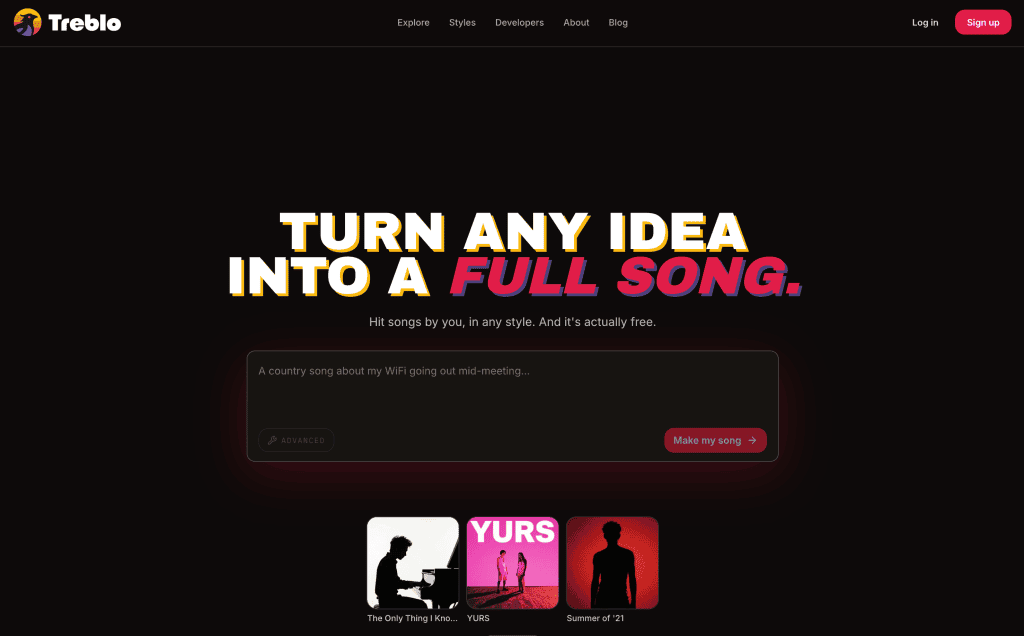
From Song Idea to Generated Track
The basic Treblo music generator workflow starts with a song idea. A creator describes the vibe, genre, mood, or use case, then generates a track that can be evaluated as a draft. In a video planning context, I would not treat the first output as final music. I would use it like a temp soundtrack: good enough to test pacing, opening energy, transition timing, and whether the visual concept feels too serious, too soft, or too chaotic.
Lyrics, Styles, and Instrumental Options
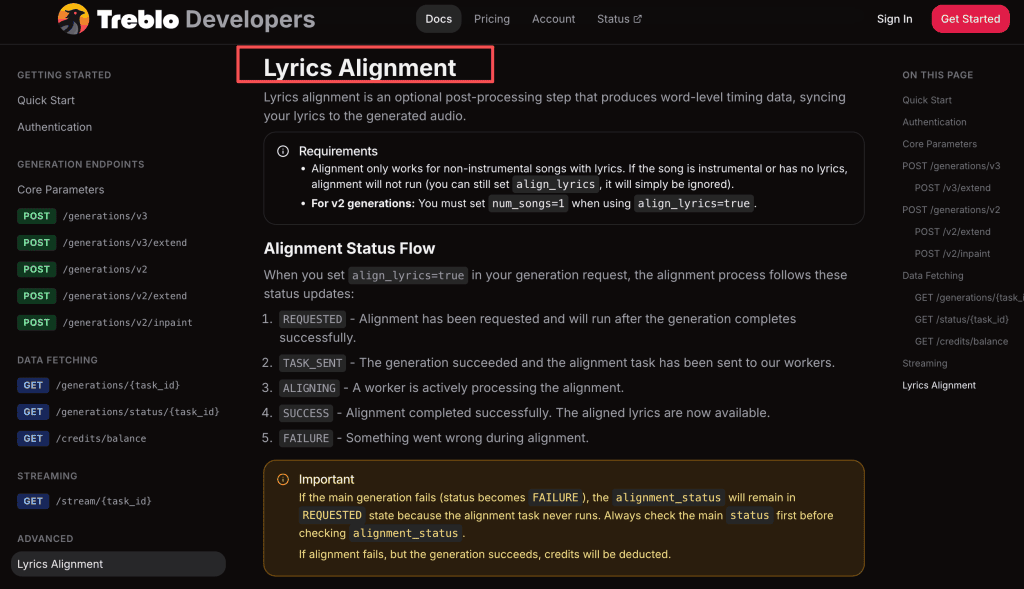
Treblo currently presents lyric support, style tags, and instrumental generation as part of its creation flow. For video creators, instrumental options are especially useful because voiceovers, captions, and product narration often need room to breathe. Treblo developer generation parameters also show structured controls such as lyrics, tags, instrumental mode, extension, and streaming-related options, which helps technical teams understand how the product thinks about song creation beyond a simple prompt box.
What Treblo AI Lets Creators Do
Treblo music editing matters because most video work changes after the first cut. A 15-second product teaser, a 30-second Reel, and a 60-second launch edit may need the same musical identity but different structure.
Revise Sections and Extend Tracks
Section revision and extension are useful when a generated chorus works, but the intro is too slow, or when a hook needs a few more seconds before the product reveal. In a real editing review, I would mark the useful section first, then ask whether the next draft should keep the rhythm, change the vocal density, or create a cleaner ending for a logo frame.
Download or Share Finished Audio
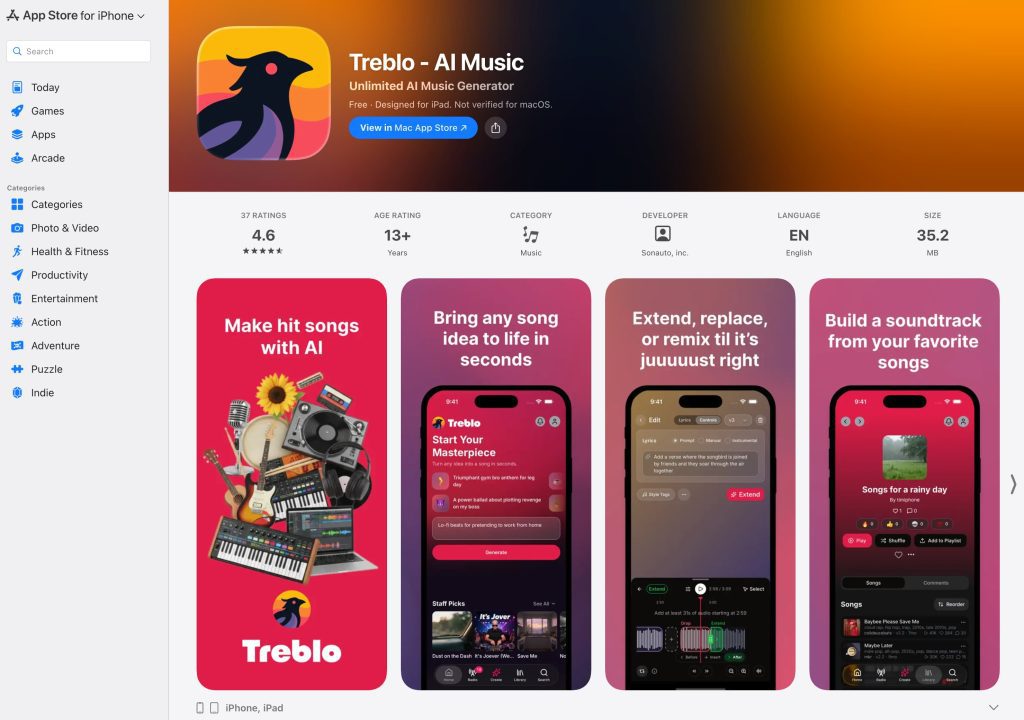
Treblo currently describes download and sharing options for finished tracks. Mobile access is also visible through the Treblo AI Music app, where the developer is listed as Sonauto, Inc. For teams, downloading is not the end of the workflow. The file should be named, versioned, matched to a video cut, and stored with notes about who generated it and which brief it supports.
Where Treblo Fits in Video Content Production
Treblo for video creators makes the most sense as a sound asset generation and revision layer. It can help teams move from silence to a draftable rhythm, but it does not replace video direction, shot planning, captions, licensing review, or editing.
Soundtrack Drafts for Short-Form Concepts
For TikTok, Reels, Shorts, product promos, and creator ads, a soundtrack draft can decide the emotional temperature of the edit. A beauty product may need soft pop with a clean rise. A gaming accessory may need heavier electronic movement. A founder story may need something quieter under narration. Treblo can help test these directions before a team spends time building final visuals.
Turning a Track Into a Visual Brief
Once a track works, the next job is translation. The team should map the intro to the hook, the first beat change to the first visual shift, the chorus to the product or story payoff, and the ending to the title card or CTA. This is where an AI-generated song becomes an AI-assisted video plan rather than just background audio.
Limits and Rights Questions to Check
This article is not legal advice. Input rights, output use, platform rules, copyrightability, privacy, and client permissions must be checked against current official files before publishing or delivering work.
Input Ownership and Third-Party Material
Teams should avoid feeding third-party lyrics, melodies, stems, vocals, artist references, private recordings, or client materials into any AI tool unless they have permission. Treblo terms place responsibility on users for rights in submitted material, so a clean input log matters. If a music team uses client slogans, product names, or campaign lines, those inputs should be approved before generation.
Output Rights and Copyrightability
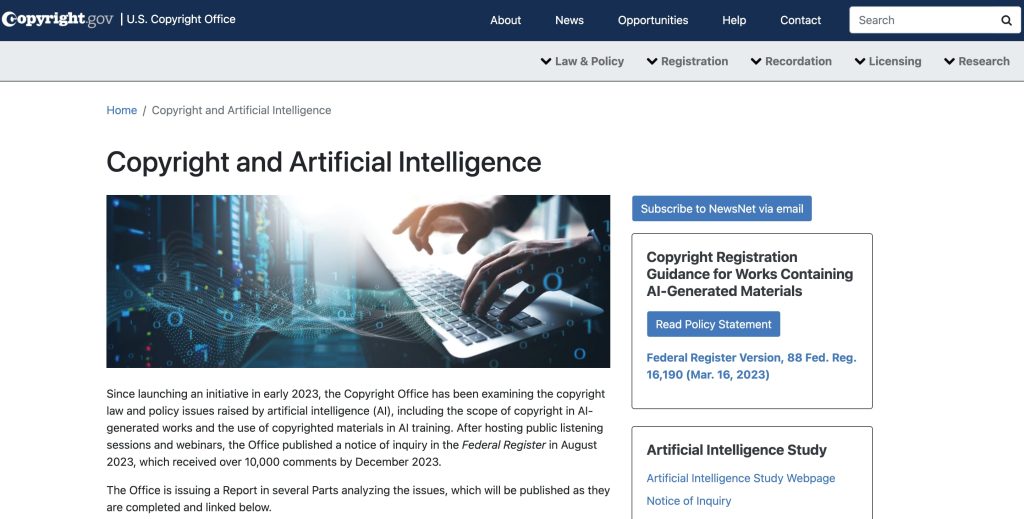
Treblo output rights terms currently assign to users whatever rights may exist in generated musical or audio output, within legal limits, while also disclaiming warranties about copyrightability or legality. That is not the same as a blanket promise that every output is fully ownable or automatically safe for commercial use. U.S. Copyright Office AI and copyright guidance is relevant when teams document human contribution, creative control, and source material.
Who Treblo AI Is Best For
Treblo AI is best for creators who need quick song drafts, social soundtrack options, lyric experiments, instrumental beds, and editable audio ideas for video planning. It is less ideal when a project needs a known artist license, precise brand-safe music supervision, union talent review, complex publishing splits, or guaranteed copyright treatment. For serious client work, I would use Treblo as a draft generator first, then move selected tracks through rights review, edit testing, and stakeholder approval.
FAQ
Is Treblo AI the same product as Sonauto?
Treblo appears to be the newer brand associated with Sonauto, Inc. The Sonauto name still matters for app-store listings, legal terms, older references, and team documentation. When recording sources, use the product name visible at the time of creation and keep the company name where contracts or platform listings require it.
How should teams document the source of a Treblo track?
Teams should record the project name, creator account, generation date, prompt summary, style direction, lyric source, edit history, file name, and approval status. Do not rely on memory or chat history alone.
Can teams keep Treblo songs private before client review?
Private review depends on the current product settings and account behavior. Teams should confirm privacy, sharing, and workspace access before uploading client-sensitive ideas or unfinished campaign audio.
How should creators credit collaborators on AI-assisted songs?
Credit should reflect real contribution. Human lyric writers, editors, vocal directors, producers, and reviewers should be named according to the project agreement, even when AI helped generate the initial draft.
What should teams archive with a finished Treblo track?
Archive the final audio file, approved video cut, source notes, lyric notes, rights review, client approval, export format, and any replaced versions. This makes later campaign reuse easier to evaluate.
Conclusion
Treblo AI is useful when teams need fast music ideas that can be shaped into video-ready sound assets. The strongest workflow treats it as a generation and editing step, then adds human review around timing, brand fit, rights, privacy, and final publishing. For video creators, that practical boundary is what turns an AI song into a usable production asset.
Previous Posts:


[…] What Is Treblo AI? AI Music Generation Explained How to Turn a Song Into an AI Dance Video Wan-Dancer Music Video Workflow for Creators Instagram Reel Audio for Creative Video Planning AI Video Workflow: From Brief to Final Cut […]