Leo here. A music video creator once sent me a rough brief with one track, three moods, and no choreographer booked yet. The team did not need a finished dance film that day. They needed to know what kind of movement the song could support before planning talent, camera work, and editing.
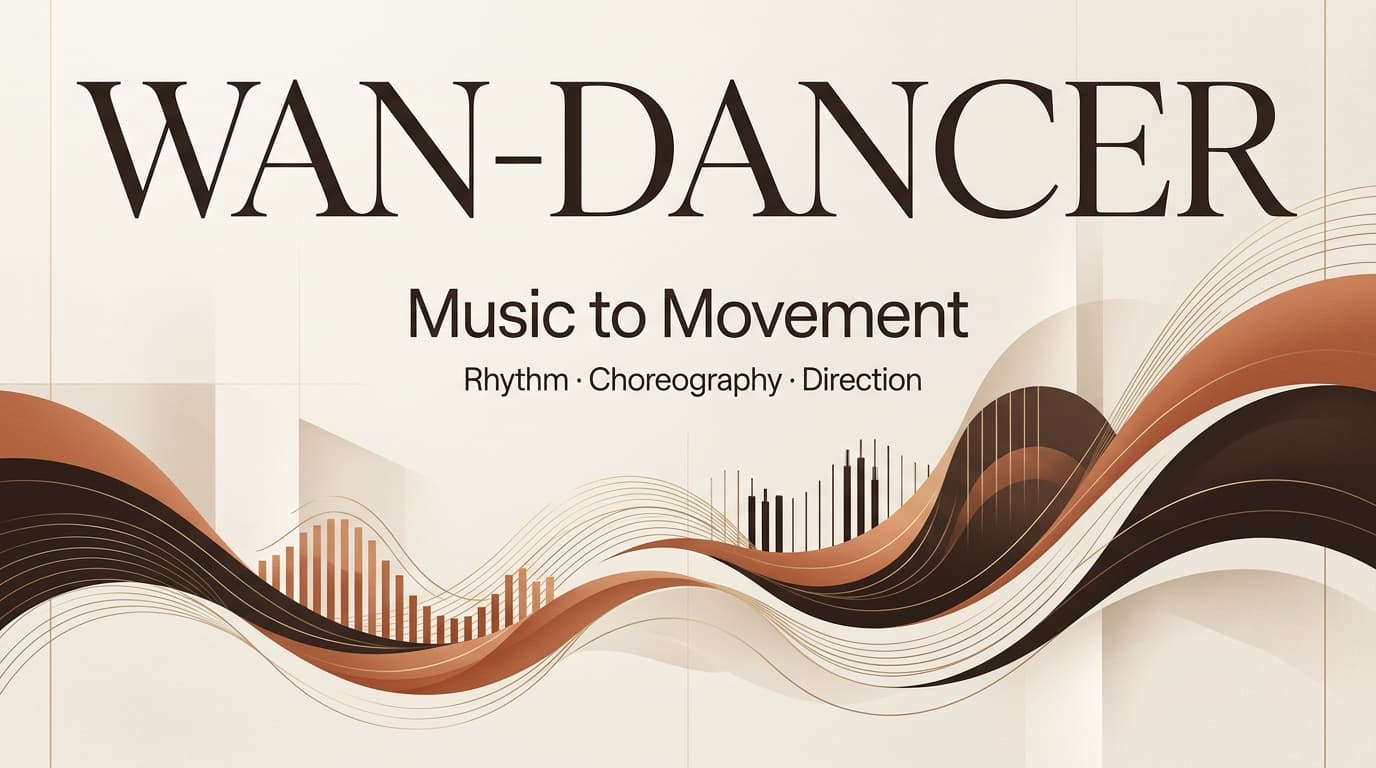
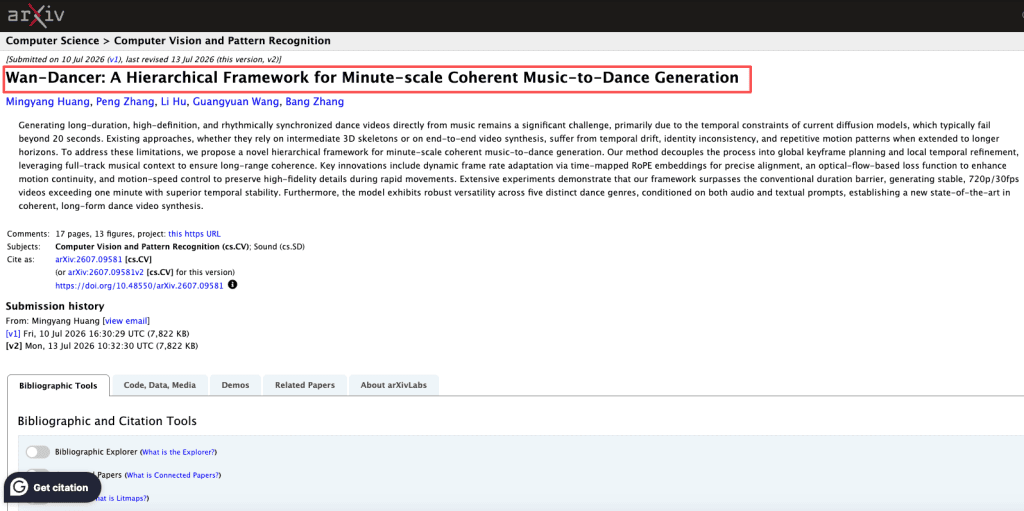
That is a useful lens for Wan-Dancer for creators. Based on the public Wan-Dancer arXiv paper, it represents a music-to-dance video direction focused on minute-scale dance generation, global keyframe planning, and local temporal refinement. This article explains what that means for creators. It is not a tool tutorial, and it does not claim commercial access, pricing, open model availability, or performer reference support.
What Wan-Dancer Means for Creators
Wan-Dancer matters because it treats dance generation as a music-structured video problem, not just a short motion clip. For creators, that shifts the question from “Can AI make a dancer move?” to “Can AI help us sketch a coherent dance idea for a song?”
Music-driven dance video generation
The paper describes Wan-Dancer as a framework for generating dance videos from music, guided by audio and text. That is the key creative idea. Music becomes the driver of movement, not just a background track added later.
For a music video team, this could support early exploration. A creator might test whether a track feels better with sharp street-dance energy, softer contemporary motion, or a stage-like performance concept.
Long-form choreography direction
The paper focuses on minute-scale coherent dance generation. That matters because dance concepts often need more than a few seconds of movement. Even a short social cut may need a setup, buildup, chorus moment, and ending pose.
A useful AI choreography video draft should not feel like one loop stretched too long. It should show where the movement is going.
Why this matters for creator drafts
I would treat Wan-Dancer as a draft room, not a final production button. A director can use a rough motion idea to discuss energy. A choreographer can react to rhythm and body flow. An editor can see where cuts may land.
That is the practical value of an AI dance video generator: it gives the team something to review before production gets expensive.
How Music-to-Dance Generation Works at a High Level
This is not a model walkthrough. In creator language, Wan-Dancer plans the large movement structure first, then refines the motion between those bigger points.
Full-track music context
The paper emphasizes full-track music context. That is important because dance not only reacts to the current beat. A performer anticipates changes, builds toward a chorus, relaxes during a bridge, and shifts energy when the track changes.
For a Wan AI music video concept, that wider musical view matters. A draft may look good for five seconds but still fail if it ignores the song’s larger shape.
Global keyframe planning
Wan-Dancer separates global keyframe planning from local refinement. In plain terms, global planning handles the big movement milestones.
Human teams work similarly. Before planning every hand detail, they decide where the performer starts, where the chorus peaks, where the camera should feel bigger, and where the motion resolves.
Local motion refinement
Local temporal refinement handles the motion between big moments. It helps the dance feel continuous instead of jumpy or disconnected.
For creators, the lesson is simple: a strong dance video needs both structure and detail. Big direction without smooth motion feels rough. Smooth motion without a larger plan feels like a loop.
Where Wan-Dancer Fits in a Creator Workflow
Wan-Dancer-style output fits best before final production. It can help with concept drafts, dance references, and experiment reels. The team still needs human review, rights checks, editing, and export decisions.
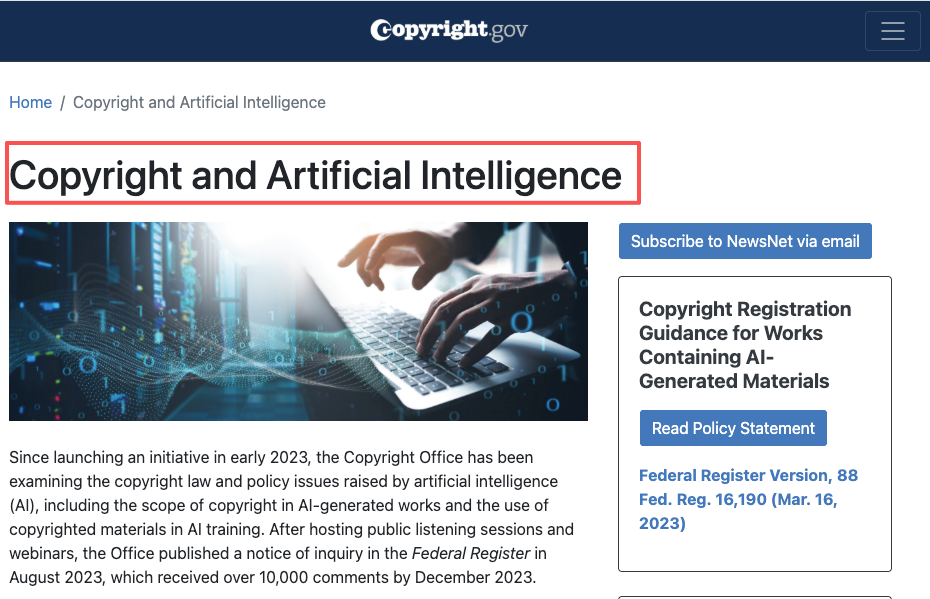
The U.S. Copyright Office’s AI initiative is a useful reminder that AI-assisted work can raise copyright questions around AI-generated outputs, digital replicas, and the use of copyrighted materials in AI training or source workflows. For music-driven projects, creators should also check music rights before publishing anything beyond private concept review.
Music video concept drafts
For concepting, a Wan-Dancer-style draft can help answer early questions. Should the song feel like one performer or a group? Does the chorus need bigger movement? Should the camera stay clean or become more experimental?
I have seen teams spend days making moodboards when what they really needed was motion direction. A rough AI dance workflow can make that conversation faster.
Dance reference exploration
Dance reference exploration should be handled carefully. A generated movement idea is not the same as hiring a choreographer, clearing a routine, or approving a performer likeness.
Use drafts to discuss rhythm, energy, body direction, and shot pacing. Do not use them to copy a known dancer, avoid consent, or skip choreography credit.
Visual experiment reels
For short-form creators, experiment reels may be the most practical use. A team can test several movement energies against the same track before deciding what deserves a polished edit.
The question after each test should be, “What did we learn?” Maybe the opening pose needs to be stronger. Maybe the chorus needs a wider frame. Maybe the movement is good, but the camera should stay calmer.
Limits Before Treating It as a Final Video
The first limit is access. A public paper does not mean creators can open a commercial product, upload a song, and export a final video. Verify official availability before writing product claims or production promises.
The second limit is rights. Music, choreography, performer likeness, costumes, and visual references can all carry permission issues. If the draft moves into a public campaign, check who owns the track, what rights are cleared, and whether any human performer or reference is involved.
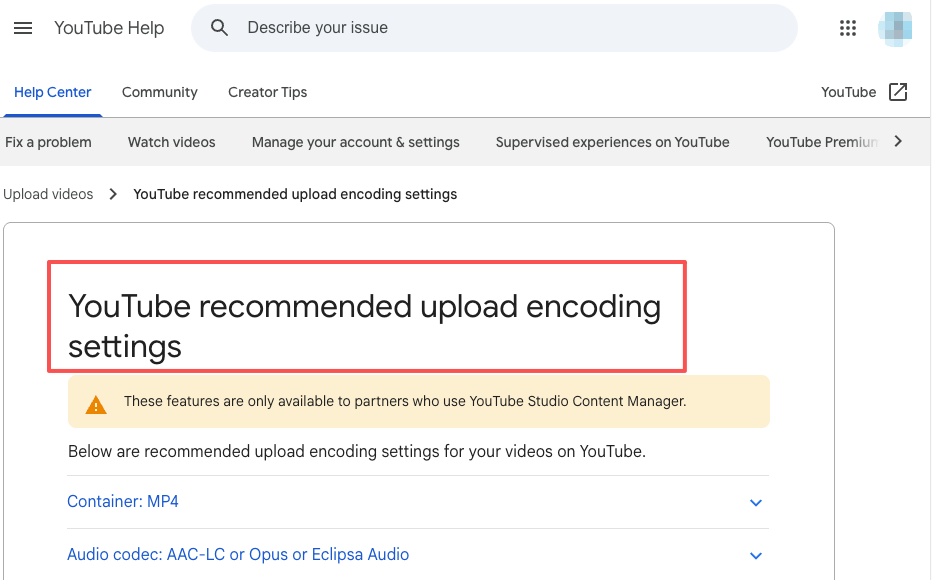
The third limit is editing reality. A draft may still need shot selection, pacing, color, sound mix, captions, and delivery settings. YouTube’s recommended upload encoding settings are a basic reminder that final publishing still has technical requirements.
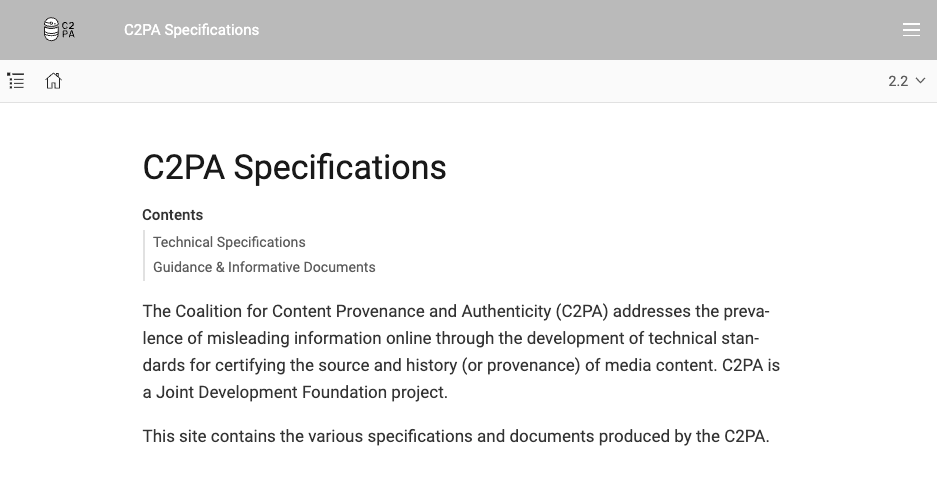
For provenance, the C2PA specification is worth knowing. Even without formal content credentials, teams should record which clips were AI-generated, edited, approved, or replaced.
FAQ
Can choreography ideas be reused across different songs?
Sometimes, but not automatically. A movement idea that works for one track may feel wrong when tempo, mood, or structure changes. Treat reusable choreography as rough vocabulary, not a copy-paste routine.
If the idea came from a human choreographer or specific reference, check rights and credit before reuse.
Who should review performer likeness before publishing?
The creative lead can review style, but likeness approval should involve whoever owns talent or rights review. That may be a producer, talent manager, legal reviewer, or client representative.
If a draft resembles a real person, do not publish until consent and usage scope are clear.
What should creators save after a dance draft test?
Save the track version, text direction, draft clip, review notes, rejected directions, and the reason each version was kept or discarded. Do not only save the best-looking export.
The goal is to preserve learning, not just files.
When should a dance draft move to editing?
Move it to editing when the concept, rhythm, shot direction, and rights path are clear enough to test a sequence. If the team is still debating the song section, movement style, or performer direction, stay in concept review.
Editing too early can make a weak idea look more finished than it is.
Conclusion
Wan-Dancer for creators is interesting because it points toward longer music-aware dance generation, with global keyframe planning and local motion refinement. For creators, the best use is draft exploration.
The AI can suggest motion. The team still owns taste, music rights, performer review, editing, and the final creative call.
Previous Posts: