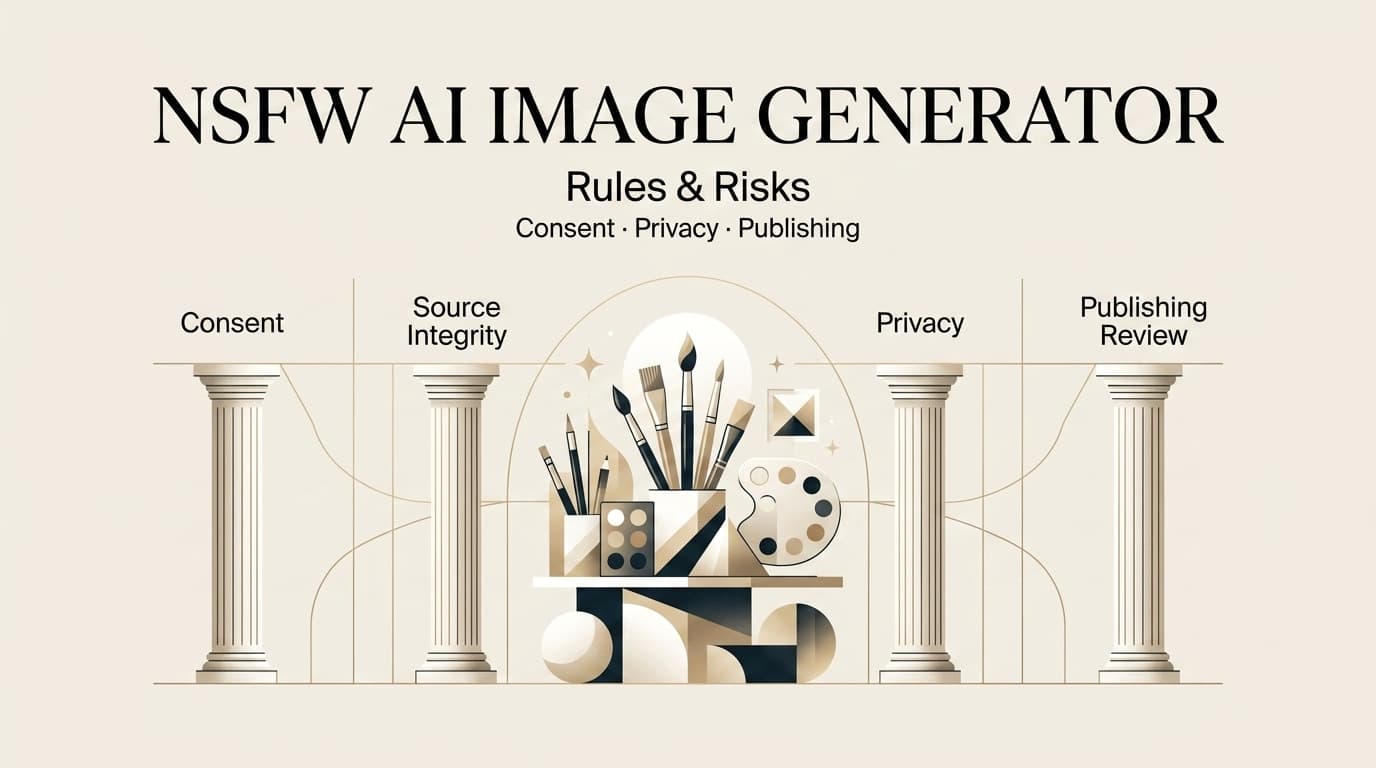
Dora here. I have seen adult AI image briefs fail before anyone opens a generator. The risky part is usually not the art style. It is the source material, the subject, the consent trail, or the plan for where the image will go after export.
That is the right way to approach an nsfw ai image generator. This is not a tool list, a “best free” comparison, or a prompt guide. It is a workflow page for adult image creators, content teams, and later video production teams that need to decide what should be accepted, what should be rejected, and what needs extra review before delivery.
This article is not legal advice or platform compliance advice. Adult content rules, copyright, privacy, publicity rights, consent, commercial use, and platform policies should be checked against current official rules and qualified counsel when needed.
What an NSFW AI Image Generator Is Used For
Synthetic adult concepts
An AI NSFW image generator may be used for fictional adult concepts, character exploration, stylized art, mood references, or private creative drafts. The safer end of the category is fully synthetic, adult, fictional, and not based on an identifiable real person.
That boundary matters. Synthetic adult work can still create risk if it copies a real person’s face, resembles a private image, imitates a celebrity, uses protected brand material, or implies consent that does not exist. I treat every adult image brief as a rights and consent review first, a visual task second.
Style exploration
A team may use an nsfwai image creator to explore lighting, color, pose, language, set design, or visual mood. In a controlled workflow, the style note is more important than the generated image itself. A draft might help a team decide whether the scene should feel editorial, cinematic, illustrated, soft, bold, or stylized.
I would still avoid prompt libraries in this category. Libraries encourage people to copy patterns without thinking about consent, age, identity, or distribution. A safer creative brief describes the intended style and boundaries without turning the process into a reusable adult-generation recipe.
Image assets for later video work
Adult image assets may later become storyboards, thumbnails, motion references, or source frames for video. That is where a safer AI image workflow becomes important. A still image that feels acceptable in a private draft can become more sensitive once animated, shared with editors, or used in a promotional context.
CrePal can be used later as an AI Director layer to organize selected image assets into script beats, storyboard planning, revision notes, and video workflow. That does not remove the need for adult-content review before the image enters that pipeline.
What Is Allowed and What Is Risky
Fictional content
Fictional adult content can reduce some likeness and consent risks when the subject is clearly adult, invented, non-identifiable, and created from materials the team has the right to use. Even then, “allowed” depends on the tool, client policy, region, and publishing platform.
A production team should define fictional scope in writing. The brief should make clear that the subject is not based on a real person, private photo, public figure, client contact, employee, influencer, or performer. If the art direction depends on a real identity, it needs separate consent and rights review.
Real-person and likeness risks
Real-person likeness is the highest-risk area for an adult AI image generator. Any request involving a name, face photo, social profile, celebrity, influencer, employee, partner, ex-partner, client contact, or private reference image should trigger review. If the brief asks to make a real person look nude, sexualized, compromised, or intimate, the safest answer is refusal.
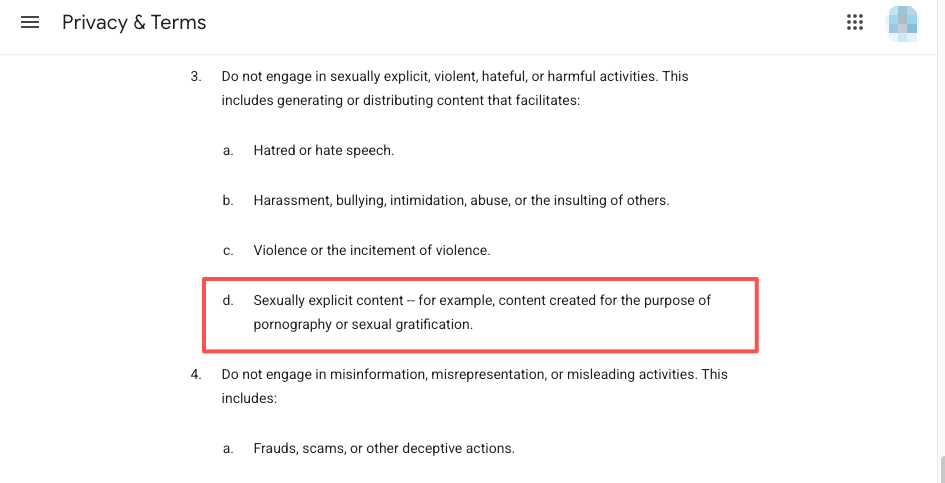
The Google generative AI prohibited use policy is a useful safety benchmark because it covers non-consensual intimate imagery, rights violations, personal data and biometrics without legally required consent, impersonation, and sexually explicit content created for pornography or sexual gratification. Even if a team uses other tools, those categories are good internal red flags.
Private or non-consensual material
Private images should not be treated as casual references. A brief involving leaked photos, dating app screenshots, bedroom images, hidden-camera framing, or “make this look real” language should stop before production. Do not upload the file, test it in another tool, or pass it around for creative review.
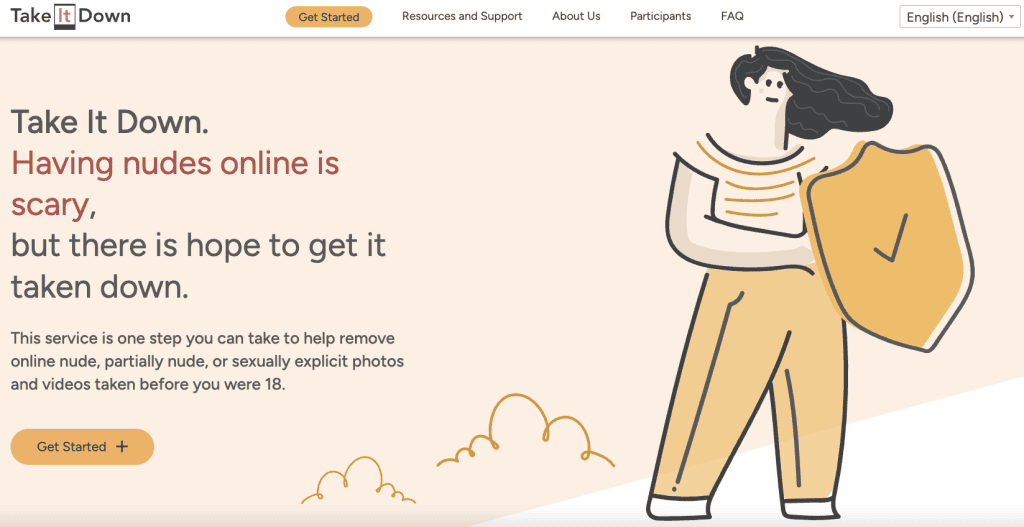
For adult victims of non-consensual intimate image sharing, StopNCII support for adult intimate image cases is a relevant harm-response resource. For images or videos taken when someone is under 18, the NCMEC Take It Down service is designed to help limit online sharing without requiring the image or video to leave the user’s device. These resources are not production tools. They show why privacy and consent need to be handled before any creative work begins.
Safer Adult Image Creation Workflow
Brief review
A brief review should happen before generation. I would check the subject, source materials, intended use, audience, platform, ownership, and whether anyone real can be identified. If the brief is vague, ask for clarification. If it becomes riskier after clarification, reject it.
A safe brief does not need explicit prompt details. It needs boundaries. Who is the subject? Is the subject fictional? Are all people adults? Are references owned or licensed? Will the image stay private, become a paid asset, or move into video? These questions protect the team from making a technically good image that should never have been created.
Asset labeling
Adult assets need clear labels because they may move between writers, designers, editors, legal reviewers, and video teams. Labels should cover project name, generated date, source status, consent status, review level, allowed use, expiration or removal date, and whether the asset can be reused.
This is not bureaucracy. It prevents someone from pulling an old adult image into a new campaign without understanding its limits. For synthetic adult images, I also like marking whether the subject is fictional, stylized, anonymous, or based on an approved original character design.
Export notes
Export notes should travel with the delivered file. They should identify what was approved, what remains restricted, who reviewed the asset, and whether it can be edited, animated, published, or reused.
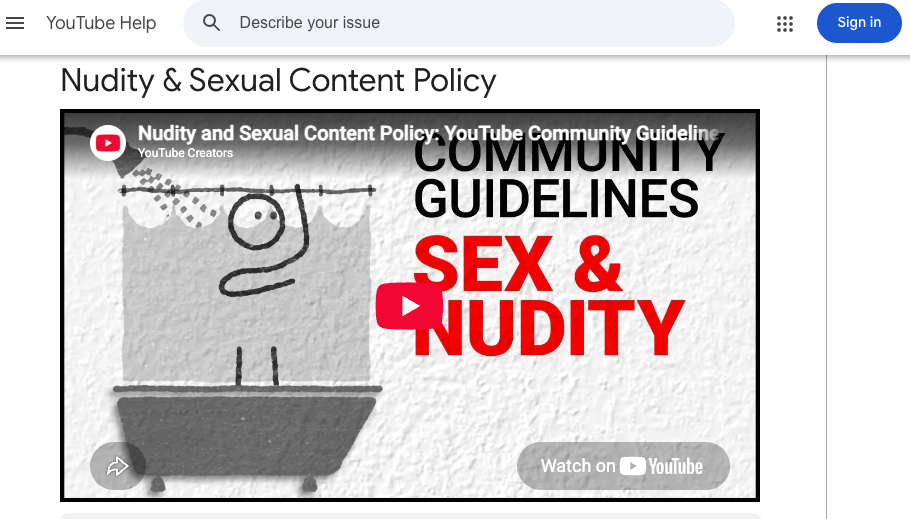
If the asset is later used in video, the notes should follow it. A still image can gain new risk when animated or paired with voice, music, or a storyline. For platform planning, YouTube nudity and sexual content policy is a useful reference point because it treats sexual content, non-consensual sexualization, and sexually explicit material as high-risk publishing categories.
Limits, Rights, and Platform Rules
Adult AI image work should be reviewed through four lenses: consent, source rights, platform rules, and long-term storage. Copyright also matters. U.S. Copyright Office AI and copyright resources provide useful background on AI-generated works, digital replicas, and copyrightability issues.
The biggest practical limit is control after export. Once an adult image leaves the workspace, it can be copied, edited, re-uploaded, or used outside the original context. That is why teams need access controls, delivery logs, and removal rules.
No workflow can make unsafe content safe after the fact. If the source material is private, non-consensual, real-person, underage, deceptive, or rights-unclear, the correct move is not to generate a cleaner version. The correct move is to stop.
FAQ
Who keeps export records after image delivery?
The production owner should keep export records, not the individual artist alone. For agencies, that may be the producer or account lead. For creator teams, it may be the project owner. Records should include delivery date, file version, review status, allowed use, and any reuse limits.
How should teams escalate disputed generated assets?
Disputed assets should move out of normal production review and into a restricted review path. The reviewer should check consent, likeness, source material, contract terms, and platform risk. If the dispute involves a real person or private image, do not keep circulating the asset in general team channels.
Who can access archived adult image libraries?
Access should be limited to people who need the assets for active work, rights review, or compliance. Adult image libraries should not be open to the whole creative team by default. Logs should show who accessed the library and why.
When should old generated assets be removed from libraries?
Remove assets when the project ends, consent expires, rights are unclear, the client requests deletion, platform rules change, or the asset no longer has a valid production purpose. If the image involves adult content, keeping it “just in case” is usually not a good enough reason.
Conclusion
An nsfw ai image generator should be judged less by output style and more by workflow safety. The real questions are consent, source boundaries, privacy, access control, export records, and platform fit.
Adult AI image creation can only be responsible when teams reject real-person misuse, avoid prompt libraries, label assets clearly, and keep risky material out of production. If the image cannot pass that review, it should not move forward.
Previous Posts: