A creator once sent me a folder named “Grok prompt research.” It was supposed to be harmless: community notes, screenshots of discussions, and a few saved adult prompt ideas. The problem was not that the folder existed. The problem was that nobody had separated research from production.
One note referenced a real public figure. Another assumed Grok Imagine could be used for mature image testing without checking current policy. A third was labeled “best working phrasing,” which is exactly the kind of phrase that should make a team pause.
Searches for grok nsfw prompts should be handled as policy review, not prompt collection. This article does not provide a Grok NSFW prompt, does not list the best Grok NSFW prompts, and does not promise that Grok or Grok Imagine can generate adult content. It explains how creators should review community advice, remove unsafe language, and keep adult prompt research out of production until policy, consent, and output rights are verified.
What People Mean by Grok NSFW Prompts
People use the phrase grok nsfw prompts loosely. Some mean image prompting. Some mean video expectations. Some mean community-shared examples copied from forums or social posts. Those are different risk categories.
Image prompt searches
A Grok image NSFW prompt search usually comes from someone trying to create or modify mature visuals. That raises immediate questions: Is the subject fictional? Is the source image authorized? Could output resemble a real person? Is the prompt trying to create sexualized content involving a public figure, private person, or unclear-age subject?
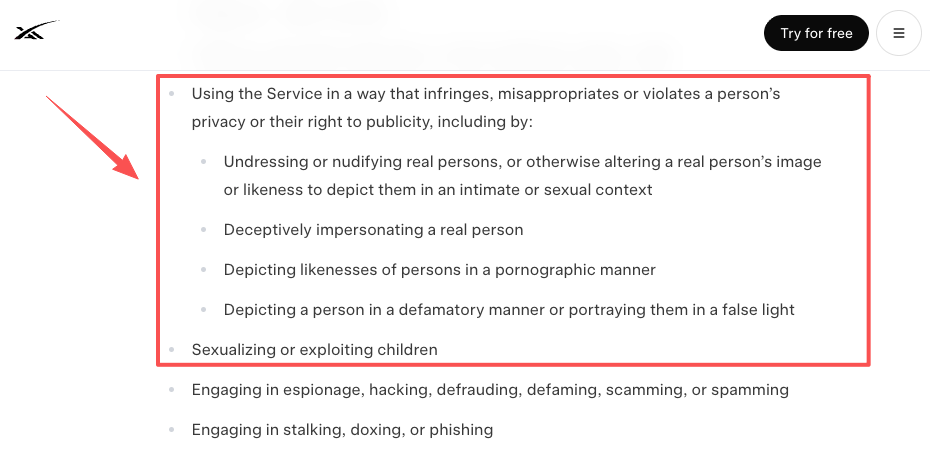
Before testing anything, check the current xAI policy surface. xAI’s Acceptable Use Policy prohibits uses that violate privacy or publicity rights, including undressing or nudifying real persons, depicting likenesses in pornographic contexts, and deceptively impersonating real people. That is enough reason to reject real-person adult prompt ideas before they reach a tool.
Video prompt expectations
Some users search for Grok adult prompts expecting image-to-video or generated video behavior. That is especially risky because motion can make identity, setting, and implied consent feel more realistic.
Do not assume Grok Imagine, Grok, or any connected feature supports a particular adult video workflow. Functionality, account access, geographic availability, safety behavior, and output permissions must be checked from current official sources before publication. If the team cannot verify the current rule, the idea should stay in research notes.
Community-shared examples
Community prompts are not policies. They can be outdated, fabricated, unsafe, or written for a different account, country, product surface, or model behavior. I have seen teams save community notes as “examples,” then months later treat them as approved internal guidance.
That is the quiet danger. A copied prompt can become a workflow rule without anyone approving it.
What Creators Must verify First
Before any adult prompt idea becomes a test, verify the tool policy, account rules, and output-use restrictions. This should happen before generation, not after a draft looks good.
Current Grok policy
The first checkpoint is current Grok and xAI policy. xAI’s Consumer FAQ notes that users must comply with the Acceptable Use Policy and relevant terms, and it also discusses how user content may be reviewed or used depending on settings and product context. That matters for adult prompt research because prompts, source images, and outputs may be sensitive.
Do not rely on last month’s screenshots. Policy language can change. Product behavior can change. A community claim that worked once is not production evidence.
Account and platform rules
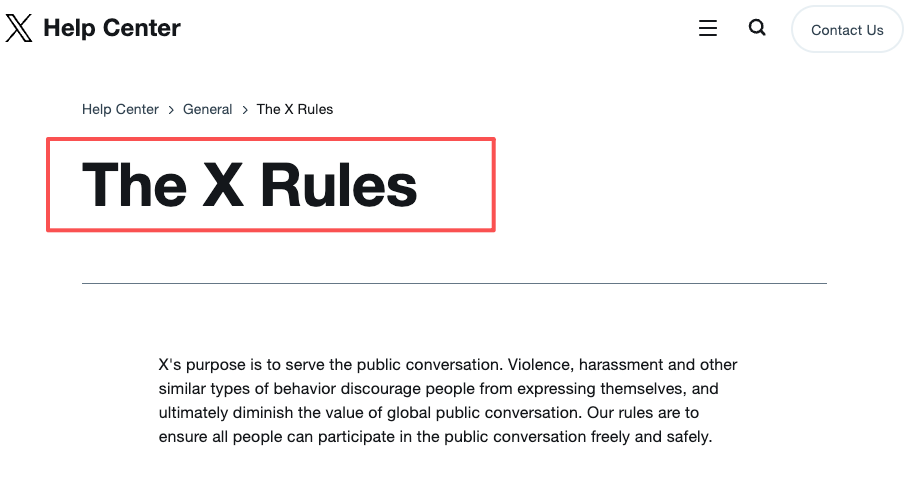
Grok often lives close to X’s ecosystem, so platform rules may matter if content is posted, shared, or discussed there. The X Rules include policies around privacy, non-consensual nudity, synthetic and manipulated media, impersonation, and intellectual property.
For creators, the practical rule is simple: tool output is not automatically platform-safe. A generated file, prompt note, or concept can still violate posting rules, advertising rules, community standards, or rights obligations.
Output usage restrictions
Output usage is separate from generation access. A tool may allow experimentation while still restricting commercial use, redistribution, sensitive content, training use, or publication. If a prompt idea is intended for client work, paid content, fan communities, or public posting, the team needs written usage notes.
For adult AI prompt risks, vague approval is not enough. “It generated” is not the same as “we may use it.”
Safer Review Workflow for Adult Prompt Ideas
A safer workflow treats adult prompt ideas as sensitive research. The goal is not to polish risky prompts. The goal is to decide whether they should be rejected, rewritten, or escalated.
Remove unsafe references
Remove real-person references, celebrity-coded descriptions, influencer lookalikes, private-image context, age ambiguity, coercive framing, and any wording designed to bypass safety systems. Do not keep unsafe phrasing as “inspiration.”
StopNCII.org, focused on non-consensual intimate image abuse, is a useful reminder that intimate media misuse is not theoretical. If a prompt could create sexualized content of a real person without consent, it should be rejected, not revised.
Check consent and likeness risks
Consent review should ask whether any real person, source image, likeness, voice, private context, or brand asset is involved. If yes, the team needs explicit permission for the specific use. If the project is fictional, document that it is fictional, adult-only, non-identifiable, and not based on a real person.
For possible under-18 material, stop immediately. NCMEC’s Take It Down exists to help stop sharing nude, partially nude, or sexually explicit images or videos taken when someone was under 18. Creator teams should never test, transform, or store such material.
Keep research separate from production
Adult prompt research should not live beside active scripts, client briefs, or production prompts. Use a research-only folder with clear labels: unverified, rejected, needs policy review, or safe to summarize.
The safest reusable artifact is not the prompt. It is the decision note. A good note says why an idea was rejected, what policy source was checked, and whether any safer non-adult concept can replace it.
When Community Prompt Advice Is Too Risky
Community advice is too risky when it includes bypass language, jailbreak framing, real-person likeness, celebrity references, private image scenarios, sexualized impersonation, unclear-age subjects, or claims that a tool “allows anything.”
It is also too risky when the source is anonymous, old, unverifiable, or disconnected from official terms. If a community post does not mention consent, platform rules, privacy, or output rights, it is not enough for production use.
NIST’s AI Risk Management Framework is helpful here because it pushes teams to manage AI risk across the workflow. For adult prompt research, that means tracking sources, review decisions, rejected ideas, and policy updates.
FAQ
Who verifies Grok policy changes before testing?
A named workflow owner should verify Grok and xAI policy changes before testing. For adult or client-adjacent work, that owner should also involve whoever handles rights, privacy, platform rules, or legal review.
Do not let the person who found the community prompt be the only approver.
What community notes should stay research-only?
Keep any note research-only if it includes unverified tool claims, adult prompt wording, real-person references, policy guesses, or community claims about “working” behavior. Research-only means it can inform risk awareness, not production prompts.
If the note cannot be verified through official sources, it should not guide client work.
How should rejected prompt ideas be archived?
Archive rejected ideas as neutral decision records. Record the date, risk category, source type, reviewer, and reason for rejection. Do not preserve explicit prompt text if it includes unsafe instructions or real-person targeting.
The archive should help future reviewers avoid the same mistake without keeping a reusable risky prompt.
When should old Grok research be deleted?
Delete old research when policies change, the source becomes unverifiable, the project ends, the note contains unsafe prompt language, or the file no longer serves a clear review purpose. If a record must be kept, keep a summarized decision note instead of the original prompt wording.
Conclusion
Grok NSFW prompts should not be treated as a shortcut for adult AI content. They should be treated as a policy, consent, and platform-risk topic.
Creators can still research safely, but the workflow needs boundaries: verify current Grok rules, reject real-person and private-image ideas, separate research from production, and document decisions. The professional move is not finding the best prompt. It is knowing which prompt ideas should never be tested.
Previous Posts: