A creator once sent me a doc called “Sora adult prompt ideas.” It was supposed to be harmless internal research. The first page had mood notes, camera language, and fictional scene ideas. The second page had celebrity-adjacent phrasing, a saved “jailbreak” line from a forum, and one note that clearly implied a real person.
That is when the doc stopped doing creative research.
Searches for sora nsfw prompts should be treated as a risk topic, not a prompt collection. This article does not provide Sora NSFW prompts, Sora 2 NSFW prompts, jailbreaks, bypass language, “working examples,” or adult video generation instructions. It is a creator guide for identifying unsafe prompt patterns, rejecting risky requests, and replacing them with safer planning language.
Sora and Sora 2 status, access, features, and policies should always be verified from current official OpenAI sources before publication or production use.
Why Sora NSFW Prompt Searches Are High Risk
Sora is a video generation system, which makes prompt risk heavier than ordinary text or image prompting. Motion, audio, realism, and character continuity can make unsafe ideas more convincing and more harmful.
Model policy expectations
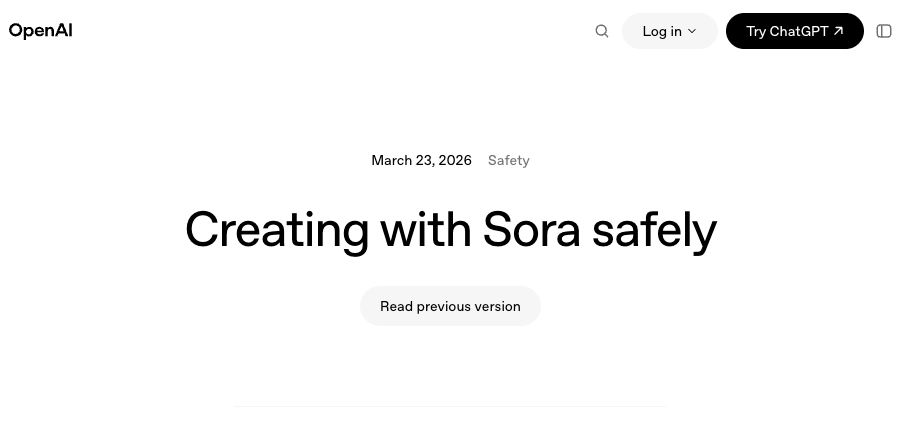
OpenAI’s Sora safety materials describe layered safeguards around AI-generated video, including provenance signals, watermarking, feed safety, reporting, and filtering for harmful content. The same source notes that Sora uses guardrails intended to block unsafe material, including sexual material.
That matters for creators because a search for NSFW Sora prompts often begins from the wrong assumption: “What wording will make it work?” A safer question is, “What should we refuse before testing?”
Adult video generation intent
Adult video generation intent is high risk because it can quickly involve likeness, consent, identity, age, privacy, or platform issues. A fictional concept may seem safe until a prompt adds real-person cues, private settings, or celebrity-coded description.
OpenAI’s Sora system card discusses risks such as likeness misuse, harmful deepfakes, explicit sexual content, and non-consensual intimate imagery. For creators, that is enough reason to keep adult prompt notes out of reusable production templates.
Community misinformation
Community threads often claim that a certain phrase, structure, or workaround is effective. Do not treat that as evidence. Tool behavior changes, policies change, and anonymous comments rarely account for consent or distribution risk.
I have seen teams save forum snippets as “research” and then forget where they came from. Months later, those snippets looked like approved internal guidance. That is how unsafe prompt language gets normalized.
What Creators Should Avoid
The safest Sora prompt workflow begins with refusal rules. If a request crosses one of these lines, do not rewrite it. Reject it.
Real-person or celebrity references
Avoid prompts involving celebrities, influencers, coworkers, clients, ex-partners, public figures, or “someone who looks like” a real person. In video, likeness risk is amplified because movement, voice, setting, and context can make a fictional-looking idea feel real.
A prompt does not need to name a person to create a likeness problem. Distinctive appearance, biography, public role, or recognizable setting can be enough to trigger review.
Private image scenarios
Avoid private-image scenarios entirely. Do not use prompts built around leaked images, intimate references, hidden-camera framing, revenge setups, or “private but fictional” phrasing that imitates real abuse patterns.
StopNCII.org supports people dealing with non-consensual intimate image abuse and accepts synthetic, fake, or generated intimate images in its process. That is a blunt reminder: synthetic adult media can still cause real harm.
Bypass or jailbreak language
Bypass or jailbreak language should be removed from research files, not cleaned up for later use. If a note is designed to avoid moderation, the intent is already unsafe.
This includes coded wording, euphemism chains, “policy-safe” disguises for prohibited content, or instructions copied from prompt-sharing communities. A team that keeps these notes is not documenting creativity. It is keeping a risk file.
Safer Creative Planning Alternatives
Safer planning does not mean creators cannot explore mature themes, tension, intimacy, or visual style in appropriate contexts. It means the planning language should stay outside prohibited adult content and policy evasion.
Non-adult visual direction
Many concepts can be redirected into non-adult visual direction: lighting, mood, wardrobe category, camera distance, emotional tone, production design, or scene pacing. A creator can describe “late-night noir tension,” “intimate close framing,” or “soft editorial lighting” without asking for explicit content.
This is often better creatively. It gives the director and editor usable visual language instead of forcing the whole idea through an adult prompt.
Fictional concept notes
Fictional concept notes should describe story purpose, character role, age-safe adult framing, tone, and boundaries. They should not include explicit prompt blocks, real-person references, or reusable “adult scene” structures.
A good concept note is readable by a producer, writer, or safety reviewer. If the note only makes sense as a way to get around a model rule, reject it.
Review before generation
Review should happen before any Sora prompt is tested. The reviewer should check for likeness, age ambiguity, private context, adult sexual intent, coercive framing, copyrighted characters, and policy mismatch.
NIST’s AI Risk Management Framework is useful here because it treats AI risk as something teams manage across the workflow, not only after output appears.
Facts to verify Before Publication
Before publishing any article about Sora AI video prompts, verify current Sora availability, whether Sora 2 is the relevant product name, access requirements, content policy, safety behavior, watermarking, provenance, upload rules, and reporting options.
Do not write that a prompt works. Do not imply that Sora allows adult video generation. Do not rely on community examples as proof. Do not publish policy claims from memory. OpenAI’s official Sora materials and policy pages should be the source of truth for Sora-specific facts.
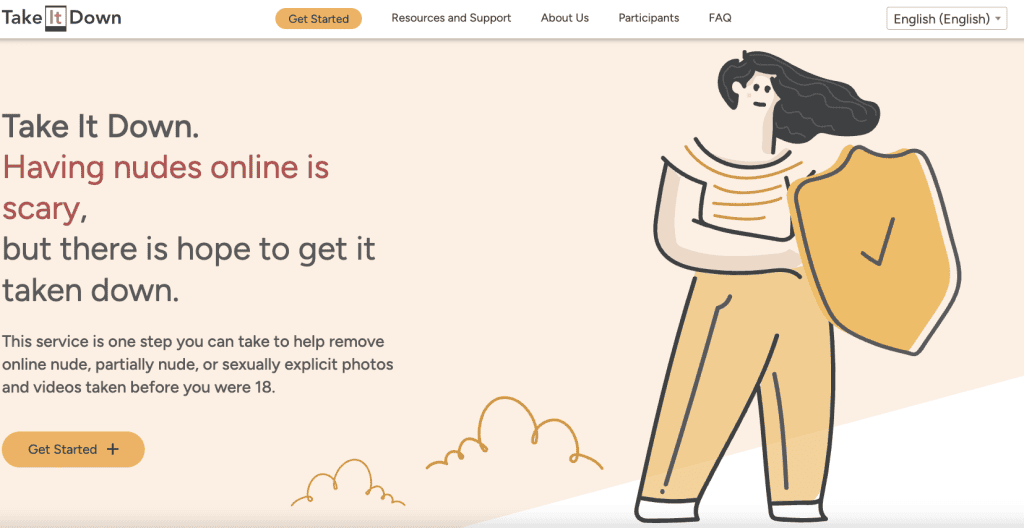
For under-18 or possible under-18 intimate material, NCMEC’s Take It Down is relevant because it is designed to help stop the spread of nude, partially nude, or sexually explicit images or videos taken when someone was under 18. Creator teams should never transform, test, or store such material in a prompt workflow.
FAQ
Who should monitor Sora policy updates?
A named workflow owner should monitor Sora and OpenAI policy updates before each public guide, client project, or internal prompt workflow. For high-risk content, that owner should coordinate with legal, trust and safety, or platform-policy reviewers.
Do not let policy monitoring become “whoever saw the latest thread.”
What should happen to save unsafe prompt notes?
Unsafe prompt notes should be removed from active folders. If a record must be kept for audit reasons, store a neutral rejection note instead of the unsafe wording.
A clean note might say, “Rejected due to real-person likeness and bypass intent.” The team does not need to preserve the prompt itself.
When should a Sora idea be rewritten entirely?
Rewrite the idea when the core concept depends on adult sexual output, real-person resemblance, private-image framing, coercion, age ambiguity, or moderation evasion. Small edits are not enough when the premise is unsafe.
The safer rewrite should return to story purpose, mood, genre, and non-adult visual direction.
How should teams document rejected client requests?
Document the date, requester, general risk category, decision owner, refusal reason, and any safer alternative offered. Keep the tone neutral and professional.
Do not include explicit prompt text or instructions in the rejection record. The purpose is accountability, not preserving a risky recipe.
Conclusion
Sora NSFW prompts are not a creative shortcut. They are a safety and policy risk category. Searches for adult prompt collections, jailbreaks, or “working examples” should be redirected into refusal rules, safer concept notes, and manual review.
For creators, the professional move is simple: verify current Sora facts, remove unsafe prompt language, avoid real-person and private-image scenarios, and turn risky adult intent into safer visual planning before any generation happens.
Previous Posts: