Two adults watch a video about discussing a boundary. One wants words they can use; the other worries the lesson will assign blame. Good sex education videos for couples give both people room to speak, decline, and decide what happens next.
The fictional lesson below concerns pausing an uncomfortable conversation; it is not a filmed case.
Choose One Shared Problem to Address
Pick a problem small enough to show on screen: “How can partners pause a conversation without treating the pause as rejection?” A video that also tackles desire differences and medical concerns leaves little room to practice. One goal keeps the lesson focused.
Define the Couple and Relationship Context
Before scripting, decide whether viewers are new to boundary talks or revisiting a difficult topic. Avoid assumptions about gender, orientation, relationship structure, or ability. It should work for text or assistive communication too.
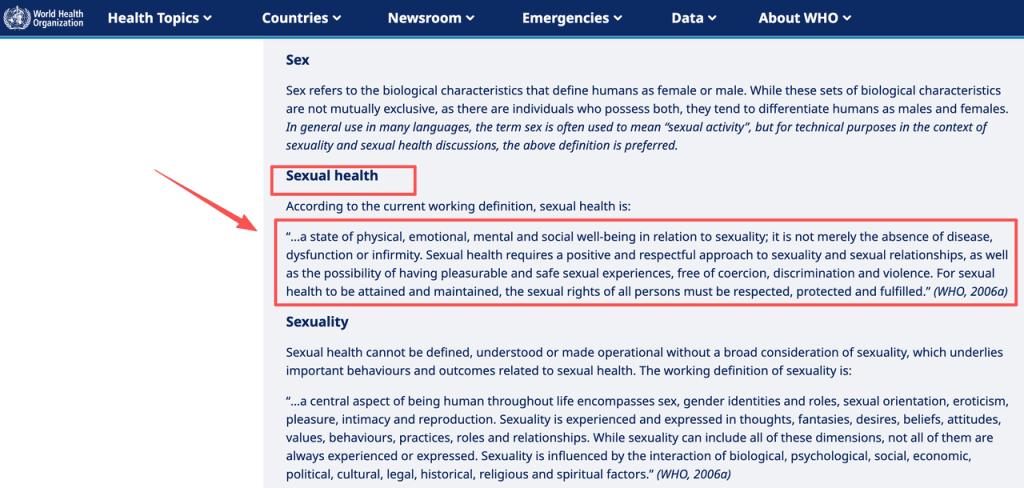
Do not suggest that a calm script resolves fear or coercion. Sexual health includes respect and freedom from coercion. That boundary matters more than a warm-looking scene.
Write an Outcome Both Partners Can Use
After watching, each person should be able to request a pause, accept one, and decide whether to revisit the subject. They need not reach the same answer. Persistence should not win the scene.
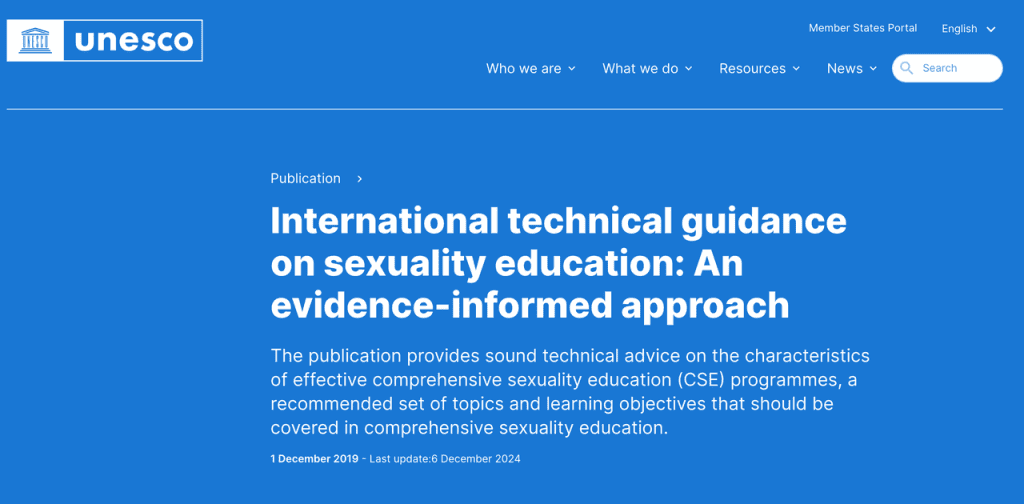
End by asking viewers to name a phrase that leaves the other person free to decline. Evidence-informed sexuality education uses planned learning objectives and respect. UNESCO’s guidance focuses on young people; borrow its teaching principle, not its age-specific curriculum.
Script for Conversation, Not Performance
Write dialogue that sounds possible on a tired Tuesday. One partner says, “I want to stop this conversation for now. Can we check in tomorrow?” The other replies, “Okay. Do you want me to bring it up?” The request is accepted, and the next step remains open.
Mark where the camera should stay still. A quick cut can make acceptance look automatic. Ask an adult to read the lines aloud; if they sound like a workshop slogan, rewrite them.
Model Consent and Boundary Language
A consent communication video must show the response to a boundary. Keep the pause in the edit. Jumping straight to agreement skips the hard part: respecting an unexpected answer.
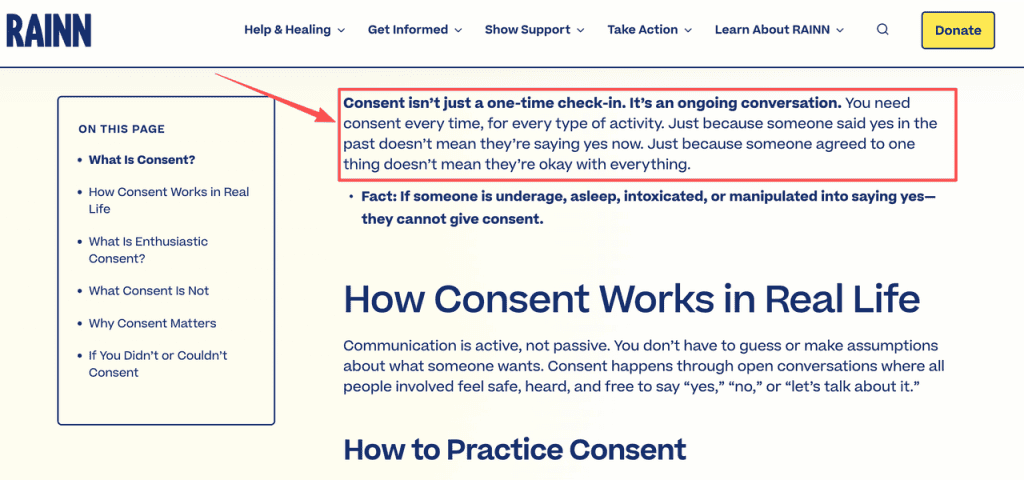
Consent requires ongoing, voluntary agreement; a past yes does not settle a present question. Disappointment creates no obligation. Flag lines that make a refusal sound temporary unless the speaker chose to revisit it.
Avoid Gender and Relationship Assumptions
Read the script aloud. Has one partner become the default initiator, educator, or caretaker? Does that serve the lesson, or repeat a stereotype? Couples do not share one definition of intimacy.
Relationship education videos favor neat exchanges, but real conversations include silence. Show uncertainty without making it a joke. Across examples, vary who asks and who sets a boundary; every partner can say no.
Turn the Script Into a Respectful Video
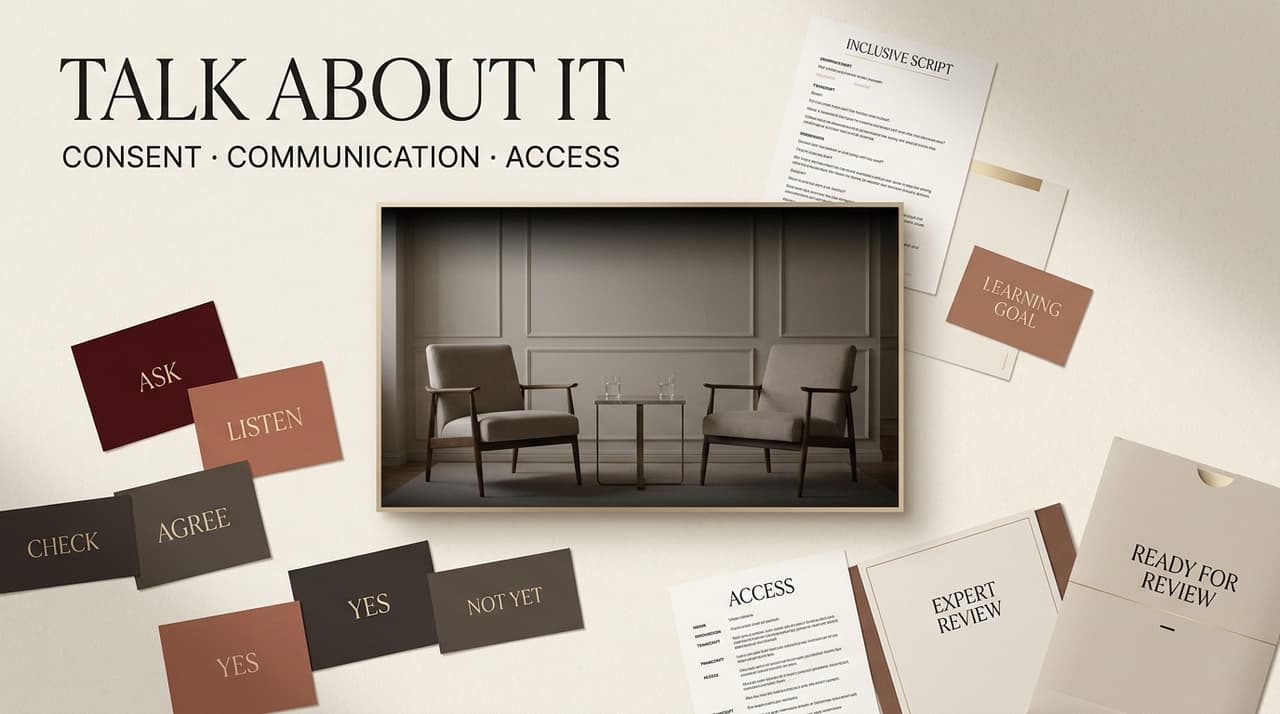
Plan shots around the words viewers need. A scene card can show “Ask,” “Pause,” and “Choose whether to revisit.” Use only adult performers who consented to the script, distribution, and reuse. Clear rights for voice, music, graphics, and footage. Never imply a synthetic presenter is a real clinician or client.
Use Simple Diagrams or Abstract Visuals
For intimacy education for couples, a conversation map beats staged physical contact. Branch “I need a pause” toward either a later check-in or leaving the topic closed. The second path matters: a return is an option, not a promised outcome.
Label illustrations. A generated image cannot document a real counseling session. Have a qualified professional check any anatomy, symptom, or health claim before release.
Keep the visual brief with the script: mark illustrations, asset permissions, and performer approvals for later edits. Hold back assets without clear answers, even when they look harmless.
Add Captions, Chapters, and Private Viewing Cues
Caption dialogue and identify speakers when needed. Plan descriptions and transcripts for accessible video. Never leave a key phrase only in a diagram.
Use plain chapter names. Invite viewers to pause before a reflection question and answer privately. Do not ask for intimate answers in public comments. Check the platform’s current caption, privacy, and adult-content rules before posting.
Review the Video With Adult Viewers
Ask adult reviewers with different experiences where a rough cut feels blaming, confusing, or rushed. Do not request intimate histories. Their reactions test the message, not the accuracy of claims outside their expertise.
Check Emotional Safety and Cultural Fit
Watch for a subtle failure: the narrator grants both partners a choice, but the camera lingers on the disappointed one. The edit can pressure viewers despite careful dialogue. Review reaction shots and music too.
For health or trauma topics, involve a qualified clinician or sexuality educator. Sex therapist certification requirements can help assess credentials in relevant settings. Match the reviewer to the claim, not merely the job title.
Revise Confusing or Pressuring Language
Ask a first-time viewer what each partner could do at the end. If they think a later conversation is required, revise that line. Test the new cut without explaining your intention first.
Ask, “Could either person choose not to continue?” If the answer is unclear, inspect the words and reaction shot. Change one thing at a time before testing again.
Keep the approved script, asset permissions, expert comments, and final cut. This adult education video cannot replace medical care or couples counseling. Check local law and current platform rules before release; this article gives no legal advice or compliance guarantee.
FAQ
Can facilitators use the video in a paid couples workshop?
Check public-performance and commercial-use terms for footage, music, voices, and graphics. Tell attendees how workshop comments are handled. Online posting rights may not cover paid events.
How can anonymous viewer questions shape follow-up videos?
Collect themes, not identifiable stories. Remove names and distinctive details before an editor sees submissions. If a question reveals a recurring misunderstanding, write a new learning objective and have a qualified reviewer check the answer.
How should content change for long-distance couples?
Show how to pause a call and agree on a later check-in without demanding an instant reply. Do not frame read receipts or constant availability as proof of care.
When should a video direct viewers to a therapist or clinician?
Refer out for pain, symptoms, trauma, fear, coercion, or persistent conflict. Name the kind of qualified help needed. For immediate danger, point to appropriate local emergency or support services.
Can a private discussion worksheet accompany the video?
Yes. Let each person write what they want to discuss and what stays private. Do not require partners to exchange sheets. If a facilitator collects responses, explain storage and deletion first.
Conclusion
A useful couples video ends with a choice viewers can use, not a scripted happy ending. Let both partners retain agency. Expert review checks the facts; adult viewers reveal where the edit changes the message.