
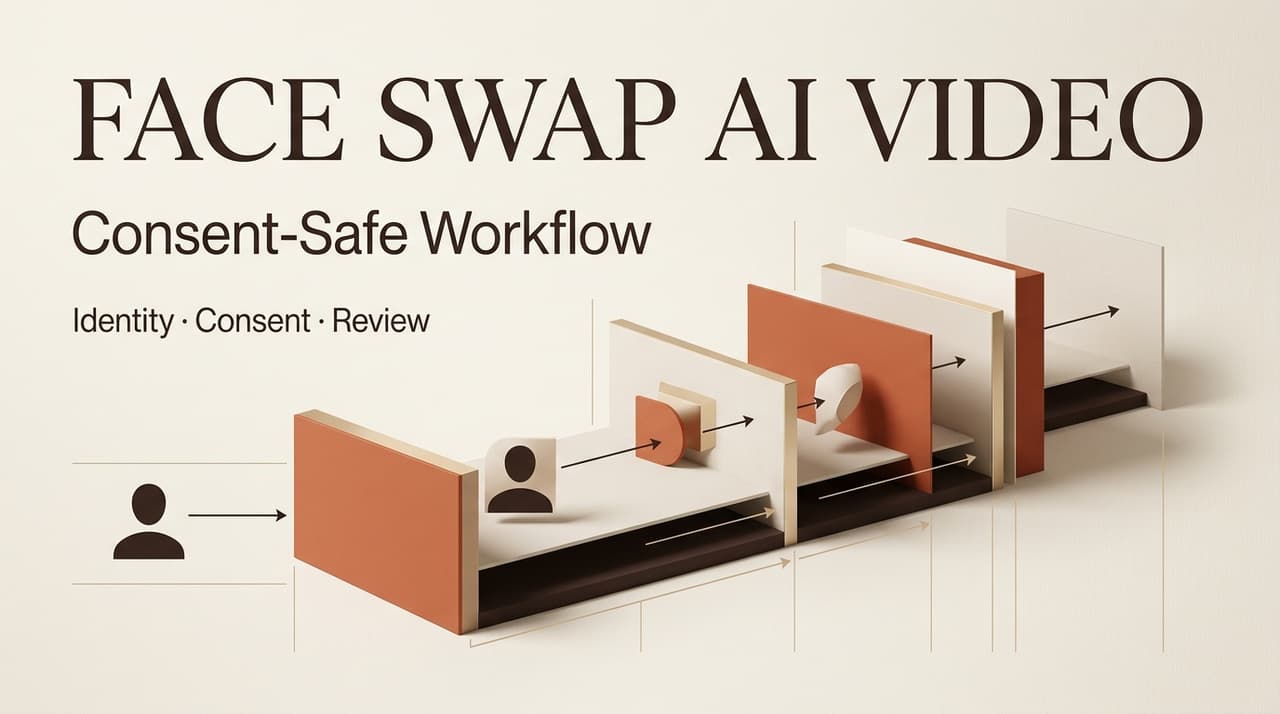
Leo. A founder once asked me to review a short launch video where the team had used face swap ai video tools to replace a stand-in actor with the actual spokesperson. On paper, it sounded harmless. The spokesperson had approved the campaign, the footage was internal, and the deadline was tight. Then I asked one boring question: “Where is the written permission for this specific edit?”
Silence.
That is the moment most AI face swap video projects either become professional or become risky. The technical result may look clean, but if the consent, asset rights, disclosure context, and review trail are weak, the video is not ready to publish. This article is a workflow guide, not a face swap tutorial. It does not provide operational steps for swapping faces, creating deepfakes, impersonating public figures, or editing someone’s likeness without consent.
Quick disclaimer: this article is not legal advice or platform compliance advice. Likeness rights, advertising rules, privacy laws, copyright, and platform policies vary by jurisdiction and use case. Always verify the latest official rules before publishing.
What Face Swap AI Video Workflows Involve
A safe face swap ai video workflow starts before any tool opens. It includes consent checks, source asset review, identity boundaries, edit review, disclosure planning, and final approval. The goal is not simply to make the face look realistic. The goal is to make sure the person represented in the video understands and approves the use. I do not evaluate a video face swap AI project by asking, “Does it look real?” I ask, “Can the team prove this should exist?”
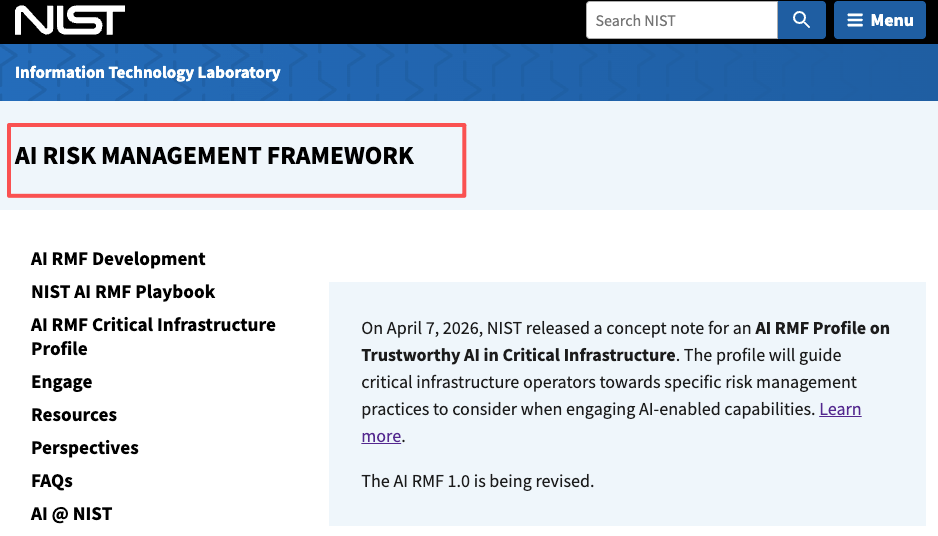
That proof usually includes written permission, approved source material, a clear use case, a review owner, and a publishing context. NIST’s AI Risk Management Framework is useful here because it frames AI risk as something teams should govern, map, measure, and manage. For face swap projects, that means risk review is not an afterthought. It is part of production. A consent-safe workflow also rejects the idea that the best face swap AI is the one with the most convincing output. For professional use, the best option is the one that supports permission records, review, disclosure, and responsible asset handling.
Consent and Source Asset Checks
Consent is not a vibe. “They probably won’t mind” is not approval. “The client sent the photo” is not always approval either. Before a team uses face swap video online tools, it should confirm who owns or controls the source footage, who appears in the material, what the person agreed to, and where the final video will appear. A private pitch deck, a paid ad, an organic TikTok, and a trade show screen can create different risks.
Permission records
Permission records should be specific. A useful approval says who gave consent, what likeness will be used, what source assets may be used, what the final video is for, where it may be published, how long it may run, and whether paid media is allowed.
I have seen teams collect a broad “yes” for a photoshoot, then assume it covers every future AI edit. That is sloppy. If the person agreed to appear in raw footage, that does not automatically mean they agreed to have their face transferred onto another body, used in new dialogue, or placed into a different context.
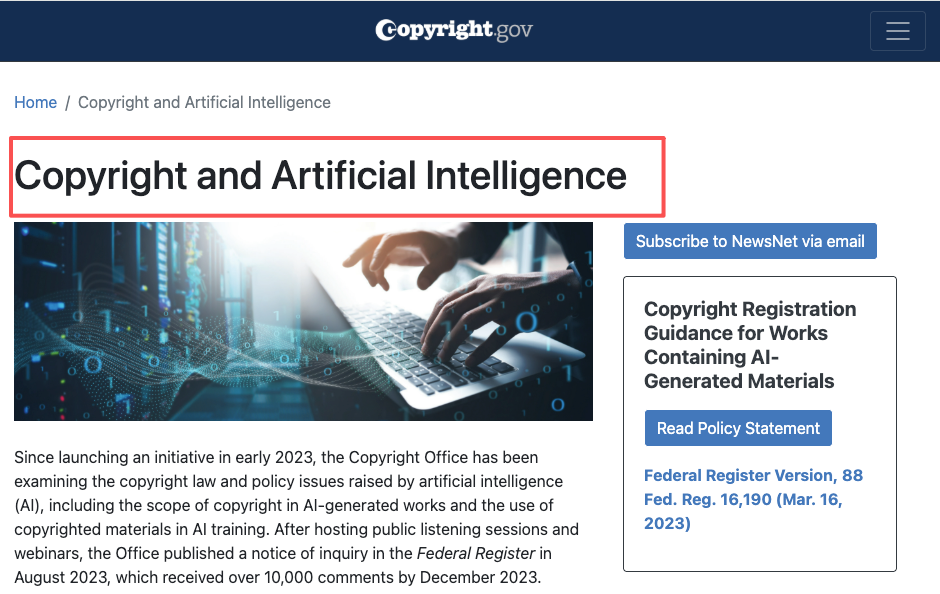
The U.S. Copyright Office’s AI resources are a helpful reminder that AI-generated and AI-assisted media can raise authorship, disclosure, and rights questions. Copyright is not the same as likeness permission, but both belong in the review file.
Likeness boundaries
Likeness boundaries define what the edit is allowed to imply. A consent-safe project should not make someone appear to say, endorse, attend, wear, do, or believe something they did not approve. This matters even when the face swap is technically authorized. If a person approves a product demo, that does not mean the team can reuse their likeness in a political ad, a medical claim, an adult context, or a fake testimonial. The more realistic the edit, the stricter the boundary should be.
My practical rule: if the final video surprises the person whose face appears in it, stop and re-approve.
Client assets
Client-provided assets need their own check. Ask where the footage came from, who appears in it, whether releases exist, whether the assets were licensed, and whether AI modification is allowed. This is especially important for agencies because clients sometimes pass along materials without checking the original agreements.
For commercial work, do not bury this in a casual message thread. Keep an approval folder with release forms, source links, usage notes, client confirmations, and final sign-off. It is not glamorous. It saves projects.
Video Review Before Publishing
Review should happen after the edit looks good but before anyone exports or uploads. That gap matters. When a face swap starts to look convincing, teams get excited and skip the slow questions. That is exactly when review is most important.
Identity consistency
Identity consistency means the person is not misrepresented visually or contextually. Check whether the face, expression, age impression, body context, clothing, setting, and voice all support the approved use.
A small mismatch can change meaning. A smiling expression in a serious apology video feels deceptive. A face placed on a body with a different age, gender presentation, uniform, or location can create implications the person never approved. The issue is not only realism. It is identity meaning.
This is also where teams should document the editing. Standards like the C2PA specification show why provenance and content credentials matter for synthetic and edited media. Even if a small team does not use formal provenance tooling, it can still keep a clear record of what was changed.
Disclosure context
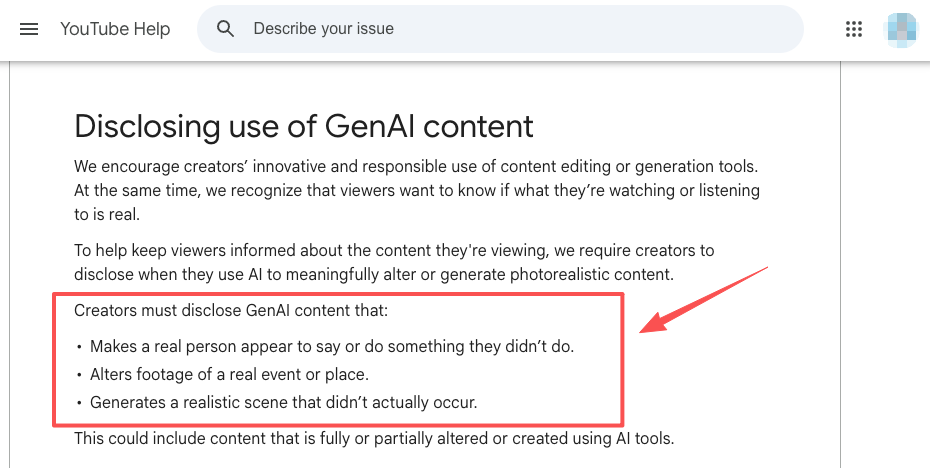
Disclosure depends on platform, region, and use case. On YouTube, creators are required to disclose realistic AI-generated or meaningfully altered content when it makes a real person appear to say or do something they did not do, alters footage of real events or places, or creates realistic scenes that did not occur. Check YouTube’s official GenAI disclosure guidance before publishing it.
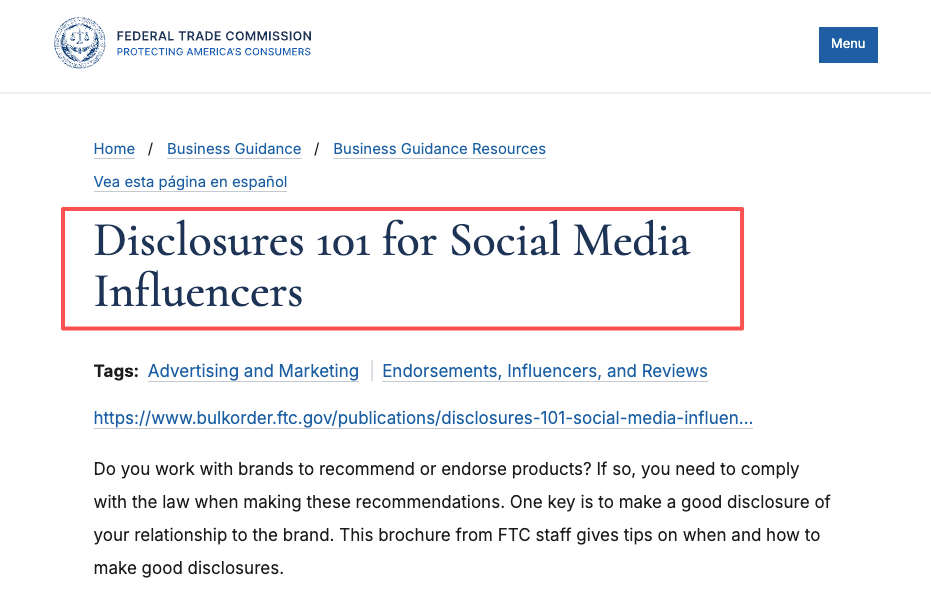
For ads, sponsorships, or influencer content, review the FTC’s social media disclosure guidance. If a face swap supports a paid endorsement, testimonial, or brand claim, disclosure and substantiation are not optional details.
A disclosure should be understandable to the audience. Tiny, vague labels may protect no one. If the viewer could reasonably believe the person was filmed naturally, the team should slow down and review the disclosure context.
Platform fit
A video that passes internal review may still be wrong for a platform. Some platforms restrict manipulated media, synthetic likenesses, political content, misleading health claims, sexual content, or impersonation. These policies change, so check the latest platform rules before publishing.
Platform fit also includes audience expectation. A stylized comedy sketch with an obvious AI transformation is different from a realistic founder testimonial. The closer the video gets to reality, the more careful the workflow should become.
What Requests Should Be Rejected
Some requests should not be negotiated. Reject non-consensual face swaps, celebrity or public figure impersonation, sexual or intimate edits, harassment, humiliation, fraud, political deception, fake testimony, fake evidence, or attempts to make someone appear to say or do something they did not approve.
Reject requests involving minors unless there is a clear, lawful, guardian-approved, platform-safe, and low-risk use case. In most creator and marketing workflows, the safest answer is simply no.
Reject requests where the client refuses to provide source asset rights, written likeness approval, or publishing context. If someone says, “Just make it look real, nobody will know,” the project is already telling you what it is.
A safe workflow should log rejected identity edits. The record does not need to be dramatic. It should include the date, requester, reason for rejection, assets involved, and the policy or consent gap. This protects freelancers, agencies, and internal teams when the same bad request comes back later under a different wording.
FAQ
Who is responsible for likeness approvals?
The publisher or commissioning party usually carries the practical responsibility for approvals, but every team member should treat missing consent as a blocker. Agencies should make clients confirm releases in writing. Freelancers should not accept verbal reassurance for realistic identity edits.
If the project involves paid media, public distribution, sensitive topics, or recognizable people, get the approval trail before production starts.
How should teams handle likeness disputes?
Pause distribution first. Do not argue from memory. Pull the consent record, source assets, project brief, approval notes, and final video. If the dispute is credible, remove or disable the content while the team reviews it. For serious disputes, involve legal counsel or the platform’s formal process. A public comment fight is not a dispute resolution system.
What should clients confirm before ad use?
Clients should confirm that the person approved the specific likeness use, the ad placement, the product or claim, the territory, the time period, and any paid media usage. They should also confirm that source footage, voice, music, and other assets are licensed for the campaign.
If the ad implies endorsement, the claim must be truthful and approved. A realistic face swap should never create a fake testimonial.
When should a request be escalated?
Escalate when the person is recognizable, the content is realistic, the topic is sensitive, the use is commercial, the asset rights are unclear, or the edit could affect reputation, employment, safety, politics, health, finance, or legal matters.
Escalation does not mean the project is dead. It means the decision should move to someone with authority to judge consent, brand risk, legal exposure, and platform fit.
How should rejected identity edits be logged?
Use a simple rejection note: requester, date, requested edit, person or likeness involved, missing permission, risk category, decision owner, and final decision. Keep the tone neutral. Do not insult the requester or speculate about intent.
The point is accountability. If a team later asks why the same face swap ai video idea was blocked, the answer should be easy to find.
Conclusion
A consent-safe face swap ai video workflow is not built around tool tricks. It is built around permission, boundaries, review, disclosure, and accountability. The safest teams ask the boring questions early. Who approved this likeness? What did they approve? Where will the video appear? What could the audience misunderstand? What should be rejected outright? That is how face swap work stays creative without becoming deceptive.
Previous posts:




[…] Face Swap AI Video: Consent-Safe Workflow Create AI Video Offline: Local Workflow Guide AI Video Review Checklist Before Export NSFW AI Tools: A Creator Safety Guide AI Video Generator NSFW: Rules and Consent […]