Hi everyone, Dora here. A marketer friend pinged me last week with a 12-second ad she said her “agent” built overnight while she slept. Brief in, three rough variants out, captions and all. My first reaction wasn’t excitement. It was suspicion. I’ve watched too many tools promise “hands-off” and then quietly hand the work back to me.
So I dug in. If you searched AI agents for marketers, you probably want the same thing I did: a straight answer on what these agents actually do for ad creative, where they help, and where they’ll burn you. That’s what this is. No hype, no “the future is here” speech — just how I’d think about it before letting an agent near your campaigns.
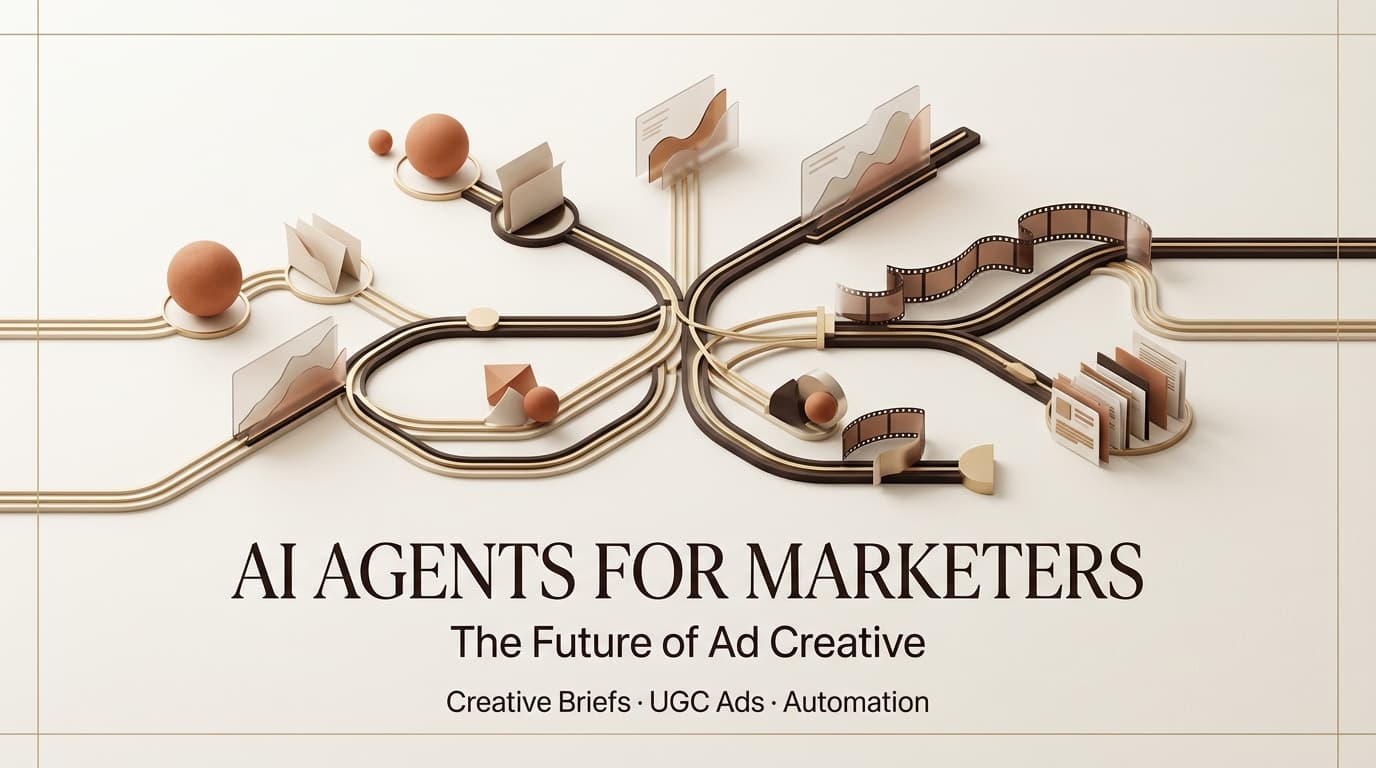
Quick take: An AI agent for marketers doesn’t just generate one asset on command. It takes a goal, plans the steps, runs tools, and brings work back for you to approve. That’s powerful for repetitive ad creative. It’s risky anywhere brand accuracy and disclosure matter. Treat it as a fast junior teammate, not an autopilot.
What AI Agents for Marketers Means
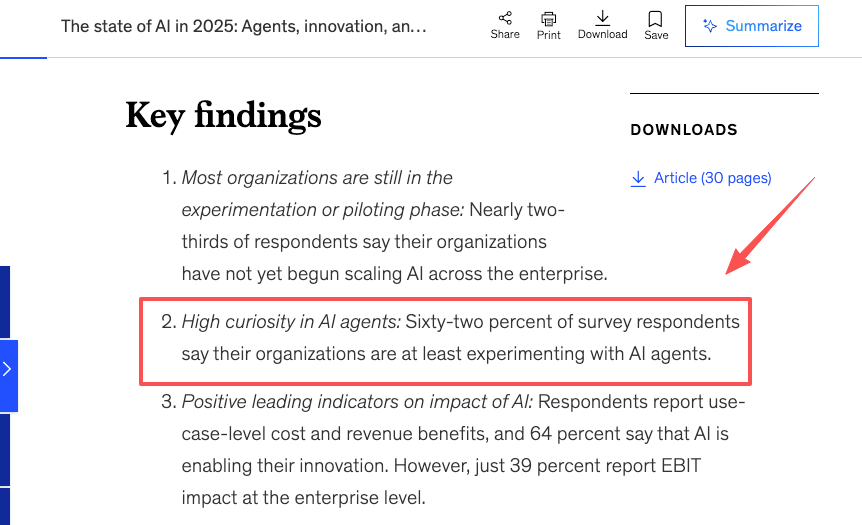
An AI agent isn’t a smarter prompt box. McKinsey describes agents as software that’s built to chase a specific goal, act on its own, and make calls in real time — and in their 2025 survey on AI agents, 62% of organizations said they were at least experimenting with them. For marketers, that means an agent can read a brief, draft directions, generate variants, and queue them for review — instead of you babysitting every click.
How agents differ from basic marketing AI tools
Most marketing AI tools do one thing when you press the button: write a caption, upscale an image, cut a clip. An agent strings those steps together toward an outcome. The difference is planning. A tool waits for instructions; an agent decides the next step, uses the tool itself, then checks whether it got closer to the goal. That’s the whole shift — from “do this task” to “handle this job.”
Why Codex is a useful analogy
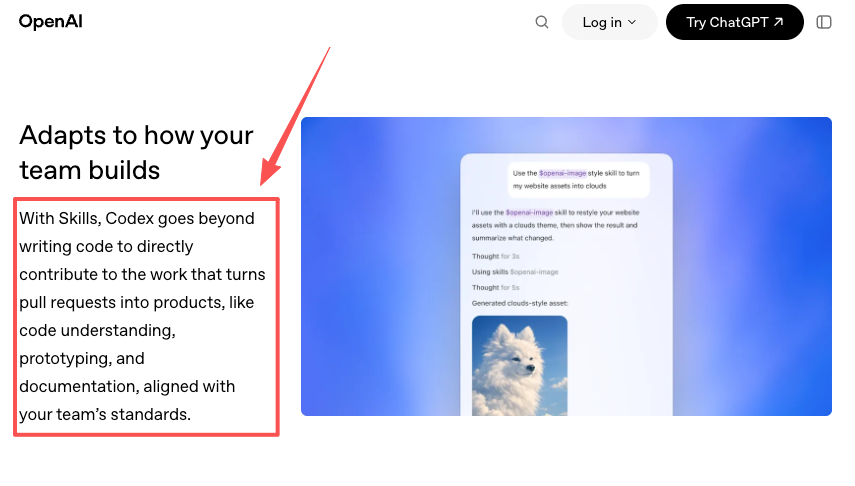
I keep coming back to coding agents to explain this, because they’re further ahead. Look at how OpenAI describes Codex: it understands a codebase, uses tools, makes changes, runs tests, and prepares the work for a human to review. Swap “codebase” for “ad account” and “tests” for “brand checks,” and you’ve got the ad-creative version. Codex isn’t a marketing tool — but it shows the pattern marketing agents are copying: plan, act, self-check, hand back for sign-off.
What marketers should not assume yet
Here’s my reality check. An agent stringing steps together is not the same as an agent that’s good at every step. The creative judgment is still shaky. It’ll happily produce ten on-brief variants that are all slightly off-tone. Don’t assume “agentic” means “ready to publish.” Assume it means “ready for you to review faster.”
The Future Ad Creative Workflow
This is where ad creative automation gets interesting. Instead of one big “make me an ad” button, the work splits into stages an agent can move through — with you stepping in at the points that matter.
Briefing the agent
Garbage brief, garbage output — that part never changed. The better your brief (audience, angle, offer, do-not-say list), the less cleanup later. I treat the brief like onboarding a freelancer: specific, with examples, and blunt about what I hate.
Generating creative directions
Before any video renders, a good agent should pitch a few directions — hooks, angles, framings. This is the cheapest stage to kill bad ideas. I’d rather reject five concepts in text than re-render five finished videos.
Producing UGC video ad variants
Once a direction’s approved, the agent fans it out into variants. Video-focused orchestration agents like CrePal sit here — they chain scripting, generation, and editing into one pass instead of you bouncing between four apps. Honestly, this is the stage where the time savings are real, as long as you’ve already locked the direction.
Reviewing and approving outputs
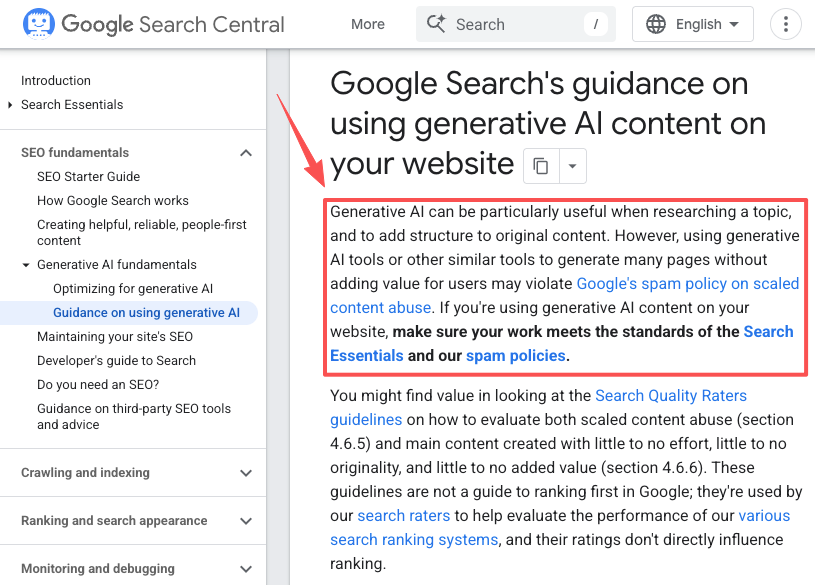
This is the non-negotiable checkpoint, not a formality. Watch every variant, check claims, and decide what’s disclosed. Google’s guidance on AI-generated content makes the point plainly: producing many pages — or assets — without adding real value can trip its spam policies, so “more variants” is not automatically “better.” Approve on quality, not volume.
Where UGC Video Ads Fit
UGC video ads are the sweet spot for agents right now, because the format rewards volume and speed over polish. You’re testing into a winner, not crafting a hero film.
Hook testing
The first three seconds decide everything. An agent can spin the same offer into a dozen different openers fast, which is exactly what hook testing needs. This is the use case I’d trust an agent with first.
Avatar or creator-style scripts
Agents can draft creator-style scripts and pair them with avatars at scale. Useful — but this is also where disclosure rules bite hardest (more on that below). A synthetic “customer” is not a real testimonial, and pretending otherwise is where brands get in trouble.
Visual variant production
Same script, different backgrounds, text styles, aspect ratios. This is grunt work agents genuinely take off your plate. Let it.
Risks and Human Review Points
I’m not anti-agent. I’m anti–”set it and forget it.” Here’s where I keep a human firmly in the loop.
Brand accuracy
Agents drift. They’ll invent a feature, soften a disclaimer, or use a phrase legal told you to drop. Keep a do-not-say list and check every output against it. The faster the agent, the more important this gets.
Platform policy and disclosure
This is the one that costs real money if you skip it. The FTC’s Endorsement Guides apply to AI-generated endorsements the same way they apply to human ones — synthetic “testimonials” need clear disclosure, and the rules treat them as endorsements. On top of that, ad platforms like Meta have rolled out their own AI-disclosure requirements for ad creative. Rules here change fast, so always confirm against the platform’s and the FTC’s latest official guidance before you run anything — don’t take a blog’s word for it, including mine.
Over-automation and generic creative
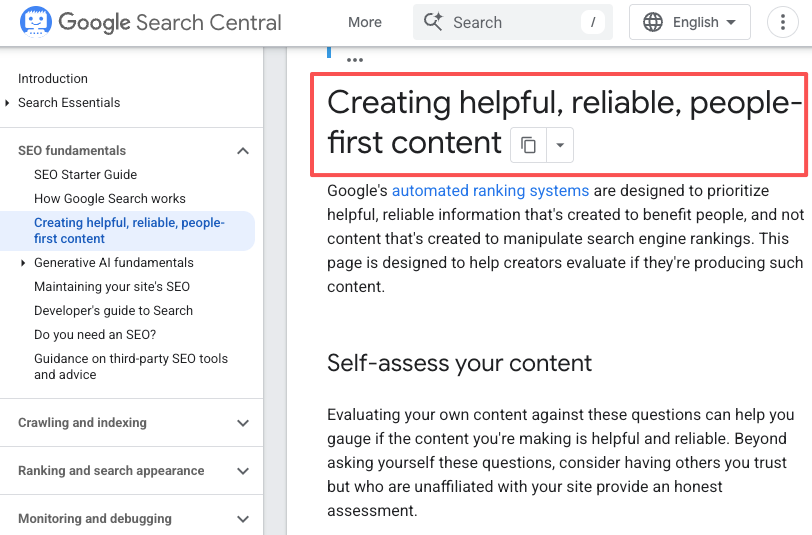
The quiet risk is blandness. Let an agent run unsupervised and you get competent, forgettable, on-brief sludge. Google’s own advice on helpful, people-first content leans on experience and originality — the stuff agents are worst at. The fix is simple: use the agent for volume, then add the one human detail that makes it yours.
FAQ
What are AI agents for marketers?
They are systems that can take a high-level marketing objective and break it down into executable steps across multiple tools — such as pulling audience data, generating concepts, testing variations, and preparing reports. The practical value shows up when you have repetitive but rule-based tasks that previously required switching between 4–5 different platforms.
How could AI agents help with ad creative workflows?
They shine in the middle layers: turning one approved direction into dozens of quick variations (different hooks, visuals, CTAs), resizing for multiple platforms, and even drafting basic performance reports. This frees up time for the parts that still need human taste — final brand alignment and strategic decisions.
What risks should marketers check before automating ad creative?
Beyond the obvious brand and legal risks, watch for “drift” over time — where the agent starts producing competent but increasingly generic work as it optimizes for speed. Also check how the agent handles edge cases like seasonal campaigns or sudden platform policy changes, because these are where silent failures tend to hide.
Which marketing workflows are best suited for AI agents?
High-volume, testable, and relatively structured workflows — such as A/B hook testing at scale, asset resizing for different platforms, or routine performance reporting. Workflows that involve high-stakes creative judgment, sensitive claims, or deeply nuanced brand storytelling are still better kept under direct human control.
Conclusion
AI agents for marketers are real, and for ad creative they’re genuinely useful — at the boring, repeatable parts. What they’re not is a replacement for your judgment, your brand voice, or your responsibility when a synthetic ad goes out the door. My honest advice: hand the agent the volume, keep the taste and the sign-off for yourself, and read the disclosure rules before, not after. Try it on your next round of hook tests — that’s the lowest-risk place to see what it does.
Not sponsored — just how I’m thinking about this in 2026. Always check current platform and FTC guidance before you publish.
Previous posts: