
The prompt is rarely the real bottleneck. The bottleneck arrives later: an editor receives 36 unnamed clips, the character changes appearance halfway through a batch, a model’s commercial terms shift, or a platform asks for proof that an account, identity, and upload were handled responsibly.
That is why an adult AI creator needs a production system, not a list of generators. The sustainable setup separates creative direction from image generation, image generation from motion, and generation from the final human decision to publish. It also assumes every depicted person is an adult, fictional, or fully authorized. No real-person impersonation, non-consensual intimate imagery, safety-workaround, or platform-evasion belongs in this workflow.
CrePal’s role is the coordination layer: planning concepts, building storyboards, organizing approved assets, routing work across models, and preserving revision notes. It does not override a model’s rules, grant rights, or make a platform upload compliant.
Define the Creator Role and Content Boundary
Before opening an adult AI image creator, write a one-page production boundary. It should state the character’s fictional status or authorization basis, intended audience, permitted themes, prohibited themes, distribution territories, and who has final approval.
This sounds administrative until a good-looking asset needs to be rejected. A clear boundary lets the reviewer say why: “The character reads too close to a real person,” or “This framing cannot go to that platform,” rather than wasting a day regenerating blindly.
Treat 2027 as a design horizon, not a promise that today’s policies will remain unchanged. Before each project, check the active model’s licence, commercial-use terms, content restrictions, data retention, and training-use disclosures. If a provider does not clearly disclose an answer, log that uncertainty instead of assuming permission.
Choose a Fictional or Fully Authorized Identity
A fictional character needs an identity record before production: confirmed adult age, name, visual traits, voice direction, wardrobe boundaries, and a statement that the identity is not based on a real individual. Keep the record with the project, not buried in a prompt history.

If the work involves a real adult performer, use written authorization covering likeness, voice, intended AI use, editing, distribution, compensation, revocation handling, and the assets supplied. A casual “yes” in a chat is not a release system. The U.S. Copyright Office’s AI and digital-replica resources are a useful reminder that authorship and likeness questions are not solved by owning a subscription.
Set Platform and Audience Rules Before Production
Build each project around its destination, not around the most permissive tool. Record the platform, age-gating requirements, accepted formats, disclosure options, prohibited content categories, payment restrictions, and takedown contact. Then assign a “publishable / needs review / never upload here” status to every planned asset.
This matters because a content tool, a hosting platform, and an audience platform can have completely different boundaries. A model being capable of producing something does not make it permitted to distribute. For realistic synthetic media, the European Commission’s AI transparency guidance is especially relevant to EU-facing work; Article 50 obligations have applied since August 2, 2026. This is general workflow information, not legal advice or a compliance guarantee.

Build the AI Content Pipeline
The strongest AI adult content workflow is a relay race. Every stage receives a defined input and produces a named output. That stops the common failure mode where a creator keeps re-rolling one prompt because nobody decided what “usable” means.
Plan Concepts, Scripts, and Reference Assets
Start with a creative brief: audience promise, content format, character state, scene purpose, mood, approved references, and a specific acceptance test. “A believable close-up with room for captions” is testable. “Make it hotter” is not.
Turn the brief into short beats and shot cards. CrePal can help turn a concept into a script, a storyboard, scene order, and revision notes, so the team is directing rather than prompt-shuffling. Its value is not that it replaces the image or video model; it preserves the intent when those assets move between tools. For the planning side of that handoff, see CrePal’s script-to-visual workflow.
Reference assets need provenance labels: team-created, licensed, performer-supplied, client-supplied, or generated. Do not use downloaded creator images as hidden production inputs. Inspiration can inform a brief; it should not become unlicensed source material.
Generate Images and Motion in Separate Stages
Use an adult AI image creator to establish approved stills first: character appearance, wardrobe, lighting, composition, and scene geography. Save the accepted reference frame, prompt version, model, date, settings, and known limitations. Only then give an adult AI video creator a tightly scoped motion task.
Separating stages makes revision cheaper. If the face drifts, fix the character frame. If the movement fails, revise the shot brief or motion pass. Do not regenerate the whole concept and lose a reference everyone had already approved.
A practical batch sheet contains asset ID, source image, shot goal, tool and version, output link, reviewer, result, and revision reason. That is the difference between a folder of experiments and a production library. CrePal can hold the storyboard, selected takes, and handoff comments while the chosen third-party model generates the actual media.
Add Voice, Sound, and Final Editing
Treat voice and sound as separate rights decisions, not finishing effects. Use only original, licensed, or expressly authorized voices and music; reject soundalikes and unverified cloned voices. During the edit, check whether captions, pacing, audio, and crop still match the platform plan.
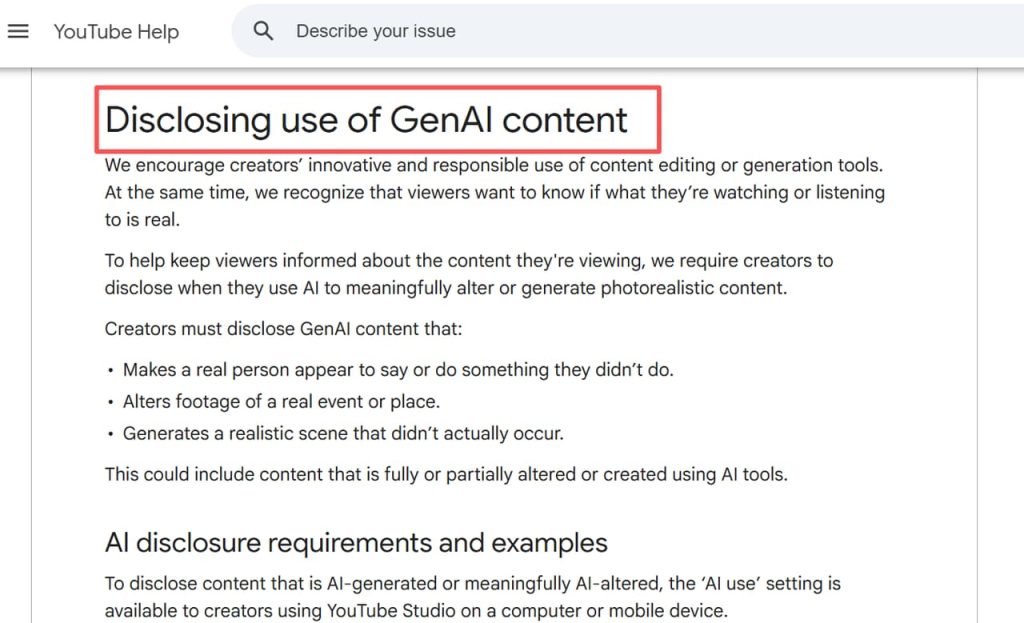
For works distributed on YouTube, its synthetic-content disclosure flow requires disclosure when realistic content has been meaningfully altered or generated. Its eligibility rules are separate from adult-content and monetization decisions, so verify both before scheduling anything.
Keep Characters and Releases Consistent
Maintain a Reusable Character Bible
A character bible is a reusable creative control, not a giant prompt. Store adult-status confirmation, fictional or authorization status, facial and body descriptors, signature details, prohibited resemblance notes, voice boundaries, visual references, and approved prompts.
When a project includes an authorized person, keep the release and identity-verification record access-controlled and separate from casual working folders. The editor usually needs the permitted-use summary, not every sensitive document. This limits unnecessary exposure while making the approval basis available when it matters.
Review Continuity Across Content Batches
Review batches in contact-sheet form before editing. Compare the face, age presentation, hair, key styling, voice, scene logic, and metadata. One polished clip can hide a continuity failure that becomes obvious when five uploads sit beside each other on a profile.
Add Human Approval Before Publishing
Check Consent, Rights, and Synthetic Media Labels
A named person should approve every final publish decision. Their gate covers adult-status and identity basis, source rights, likeness and voice authorization, music, labels, platform fit, and the final exported file—not merely the storyboard.
For EU-facing realistic synthetic media, disclosure should be designed into the asset and upload process rather than added after a complaint. Where compatible tools support it, provenance metadata such as Content Credentials can preserve information about an asset’s origin and edits. Metadata is helpful evidence, not a substitute for clear viewer-facing disclosure or a platform’s own upload fields.

Store Source Files and Decision Records
Keep the brief, source ledger, accepted references, prompt and setting log, exports, reviewer notes, release summary, rights evidence, and upload record together. A versioned folder or project space should show which file was published and who approved it.
This record is what turns a takedown, model migration, or editor handoff from panic into a bounded task. It also supports human authorship records: the Copyright Office has explained that protection may depend on meaningful human expressive contribution, including creative arrangement or modification, rather than prompts alone.
FAQ
How should an adult AI creator respond to a platform takedown?
Pause distribution of the affected asset, preserve the notice and published version, identify the cited rule, and compare it with the project’s approval record. Do not re-upload a lightly altered copy to evade enforcement. Correct a genuine issue, appeal only with accurate evidence, and update the destination matrix so the same failure does not repeat.
What should a fallback plan include when model access changes?
Keep exportable source files, approved reference frames, prompts, settings, negative constraints, motion briefs, and a shortlist of tested alternatives. Re-test a small control scene before moving a full series; a replacement model may change character consistency, licensing, retention, or output limits.
How can a team measure revision cost across several tools?
Log each revision’s asset ID, reason, owner, tool, elapsed working time, generation credits, and publish outcome. After a month, group the data by failure type—continuity, motion, rights, or platform fit. The costly tool is often not the one with the highest per-generation price; it is the one creating the most downstream rework.
When should sensitive production stay on local hardware?
Use local or tightly controlled infrastructure when the source material, releases, client agreements, or jurisdictional obligations require it and the team can secure, back up, and operate that environment responsibly. Local processing does not erase consent, rights, labeling, or distribution obligations.
How can a creator hand off a character workflow to an editor?
Give the editor a read-only character bible, approved reference pack, shot list, current storyboard, asset ledger, permitted-use summary, and a revision brief that names what may change. Keep sensitive identity records restricted to the people who actually need them.
Conclusion
A durable adult AI creator workflow is not built around finding one “unrestricted” button. It is built around a character boundary, an image-to-motion handoff, a human approval gate, and records that survive a platform change.
The next project is the useful test: create one fictional or fully authorized character package, run three planned shots through the pipeline, and measure where the revisions really happen. That result will tell you far more than another generator ranking.