
I’m Dora. A writing prompt generator is useful when a creator has the start of an idea but not yet a shootable script. For video teams, the goal is not to generate generic paragraphs. The goal is to turn rough thoughts into hooks, scene beats, narration cues, storyboard handoff notes, and revision-ready production material. Used well, AI writing prompts become the first structured layer of an AI script workflow, not a replacement for creative judgment.
What Creators Need From a Writing Prompt Generator
A good writing prompt generator should help creators move from scattered intent to usable direction. Social teams, UGC producers, and video editors do not need endless copy variations. They need prompts that clarify audience, format, pacing, proof, tone, and what the viewer should understand by the end.
Idea expansion
Idea expansion is the first job. A creator may begin with “make a video about a desk lamp for students.” That is not enough for a script. A useful prompt expands the idea into a viewer problem, a product or story angle, a likely scene, and a reason to keep watching. In one short-form planning session, a weak idea about a productivity app became usable only after the prompt separated the viewer pain from the feature list. The final script was not longer. It was clearer.
Hook and angle options
Hook options give a team room to choose before drafting. One angle may open with frustration. Another may open with a surprising result. A third may use a creator confession or a visual contrast. The best AI writing prompts do not force one answer too early. They help the producer compare possible openings against the audience, platform, and offer. For UGC video teams, this is where a script prompt generator becomes more valuable than a blank AI chat box.
Script-ready structure
A prompt is script-ready when it already understands the video shape. It should define the hook, setup, scene movement, proof moment, narration style, text overlay needs, and ending. This matters because video script prompts must become production instructions. A beautiful sentence that cannot be filmed, captioned, or storyboarded is still unfinished work.
Turn Writing Prompts Into Video Scripts
The next step is converting prompt output into a script draft. This is where many teams go wrong. They accept a polished paragraph and call it a script. A real video script needs audience fit, format control, scene beats, and cues for what viewers will see and hear.
Audience and format
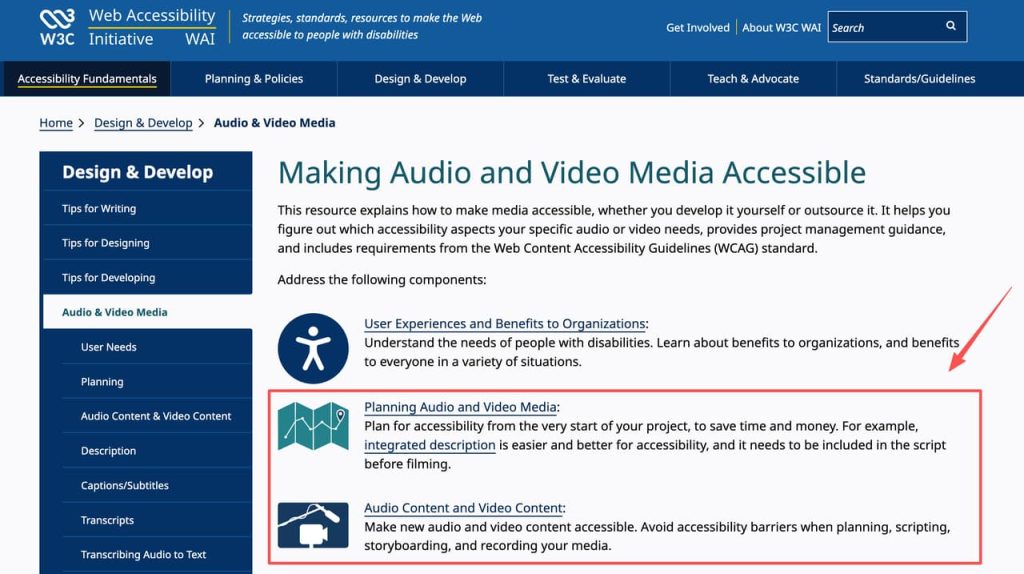
Audience and format should be written before the script draft. A 15-second TikTok ad, a 30-second Reel, a YouTube Short, and a founder-style brand video need different pacing. If the prompt does not specify format, the output often lands in a generic middle. Accessibility should also start early because audio and video accessibility planning affects scripting, captions, transcripts, and visual description, not only final export.
Scene beats
Scene beats translate story into sequence. A strong story prompt generator should help define what happens first, what changes next, and what the viewer sees as proof. In video work, I like to check whether each beat has a visual job. If a line explains a benefit but no shot can support it, the team should rewrite the beat before generation or filming. This saves time later when the storyboard reveals gaps the script hid.
Narration and dialogue cues
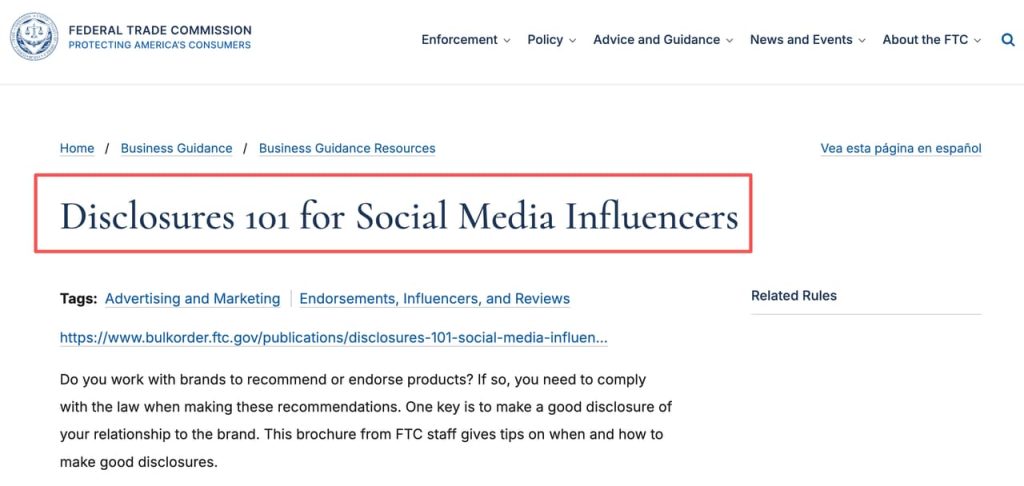
Narration and dialogue cues should sound speakable. AI drafts often look clean on the screen but feel stiff when read aloud. Creators should mark where the voiceover pauses, where on-screen action carries the meaning, and where dialogue should be shorter than written copy. For sponsored creator content, FTC influencer disclosure guidance matters because disclosure may need to appear inside the video itself, not only in supporting text.
From Script Draft to Video Workflow
A writing prompt generator becomes more powerful when the script can move into storyboard, generation, review, and editing without losing context. The script should carry production logic, not just words.
Storyboard handoff
Storyboard handoff turns the script into visual planning. Each script section should tell the visual team what must be shown, what can be interpreted, and what should not change. For example, “show the product solving the problem” is too vague. “Show the creator opening the bag, finding the small charger pocket, and placing it beside a laptop” gives the storyboard artist or AI visual tool something concrete to build.
Prompt-ready scenes
Prompt-ready scenes are written for the next production layer. They include subject, action, setting, mood, camera distance, and the line or caption that belongs with the shot. This does not mean cramming every detail into one huge prompt. It means the scene can survive handoff. If the editor, visual planner, and AI operator all understand the same scene, the prompt has done its job.
Revision notes
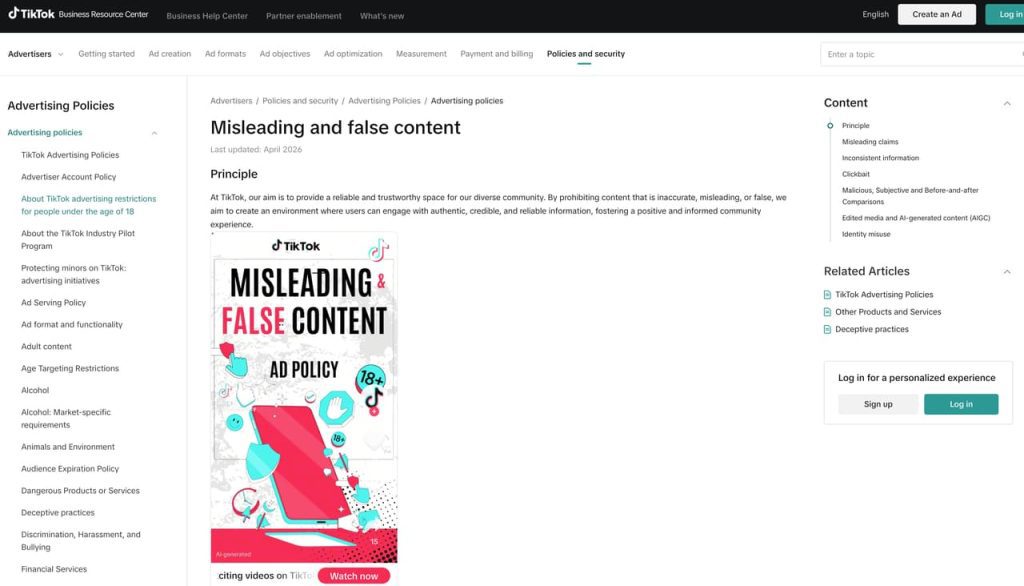
Revision notes should explain the reason for each change. “More emotional” is weak. “Make the first scene feel more rushed because the audience is students before an exam” is useful. Good notes also protect the project from claim drift. If a product benefit becomes stronger in every AI draft, the team needs a record of what was approved. For ads, TikTok rules on misleading and AI-generated ad content are relevant when scripts involve product results, edited media, or AI-assisted scenes.
Limits and Human Review
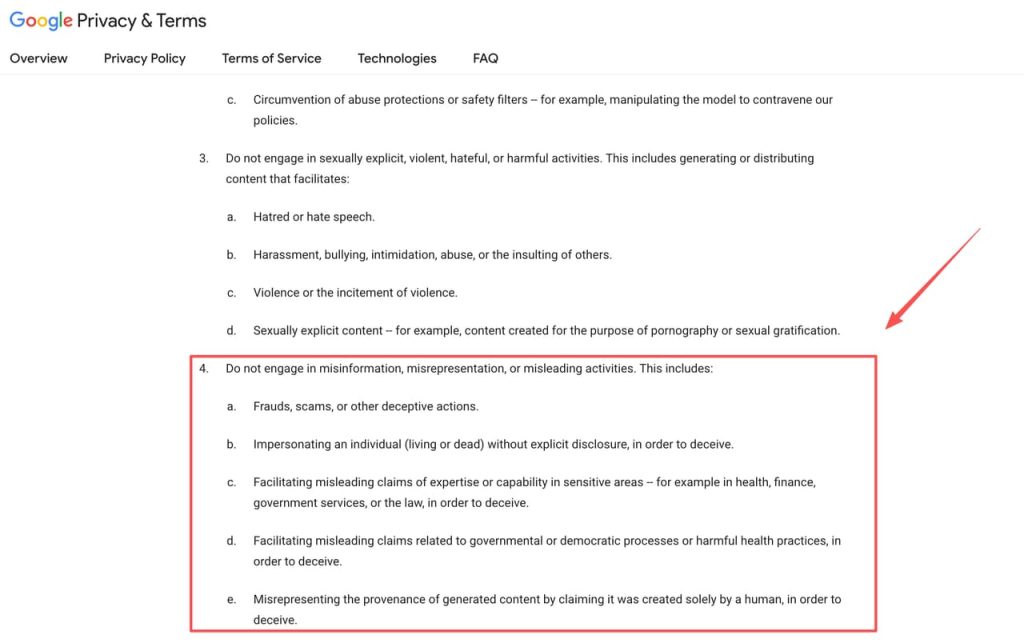
A writing prompt generator cannot decide truth, brand fit, legal risk, or audience trust on its own. Human review should check whether the script makes claims the brand can support, uses source material with permission, respects likeness and privacy boundaries, and matches the platform where the video will appear. Google Generative AI Prohibited Use Policy is a useful boundary reference for privacy, impersonation, safety-filter circumvention, and harmful content categories in covered products.
Copyright review is separate from script quality. AI-assisted wording, referenced characters, song lyrics, slogans, and source material can create rights questions before the video is ever generated. AI-generated material and copyrightability should be part of the documentation mindset, especially for client drafts. This article is not legal or platform compliance advice. Copyright, advertising, client authorization, platform rules, and disclosure requirements should be checked against current official policies and actual project agreements.
FAQ
Who should approve AI-assisted script directions?
The creative lead should approve the direction, but the approval should not stop there when the script is for client or paid media. Brand, legal, product, and platform owners may need to review claims, disclosures, likeness use, and product accuracy before production begins.
What records should stay with client script drafts?
Client script drafts should keep the brief, prompt summary, draft version, reviewer notes, approved claims, rejected angles, source references, disclosure decisions, and final approval date. These records help explain why a script changed and prevent old language from returning in later edits.
How should teams handle prompt ideas that are off-brand?
Off-brand prompt ideas should be labeled, not silently deleted. The note should explain whether the issue was tone, audience mismatch, unsupported claim, visual style, or client positioning. That record helps the team improve future prompts without repeating the same weak direction.
When should a writing prompt be retired from reuse?
A writing prompt should be retired when it repeatedly produces generic hooks, outdated platform assumptions, risky claims, awkward voice, or brand-inconsistent scripts. It should also be retired when it contains client-specific language that should not travel into new campaigns.
Conclusion
A writing prompt generator works best as the first structured step in video script planning. It helps creators expand ideas, compare hooks, shape scene beats, prepare narration cues, and hand scripts into storyboard and production workflows. The strongest results still depend on human review: someone has to check the story, the claim, the audience, the rights, and the final production notes before the script becomes a video.



[…] Writing Prompt Generator for Video Scripts AI Script Generator Workflow for Video Creators Script Visuals for AI Generation Workflow How Creators Use Seedance to Make AI Videos AI Video Review Checklist Before Export […]
[…] Writing Prompt Generator for Video Scripts Drawing Prompt Generator for Video Storyboards Script Visuals for AI Generation Workflow AI Video Workflow: From Brief to Final Cut How Creators Use Seedance to Make AI Videos […]