I’m Dora, and last week I went looking for an AI UGC ad generator at 1 AM — dragging the same product clip across a timeline for the fourth time, wondering why I was still the one doing this part. That same night a dev friend was bragging about handing a whole bug fix to Codex while he made coffee. And it clicked — the thing developers now take for granted is exactly what marketers keep wishing for. Not a button that spits out one video, but a tool that actually runs the boring middle: plan, build variants, let me review, redo the weak ones.
Quick reality check, though — Codex makes software, not ads. So this isn’t a Codex tutorial. It’s about what its workflow quietly teaches us, and what a creative agent for UGC ads would really have to handle before I’d trust it with a live campaign.
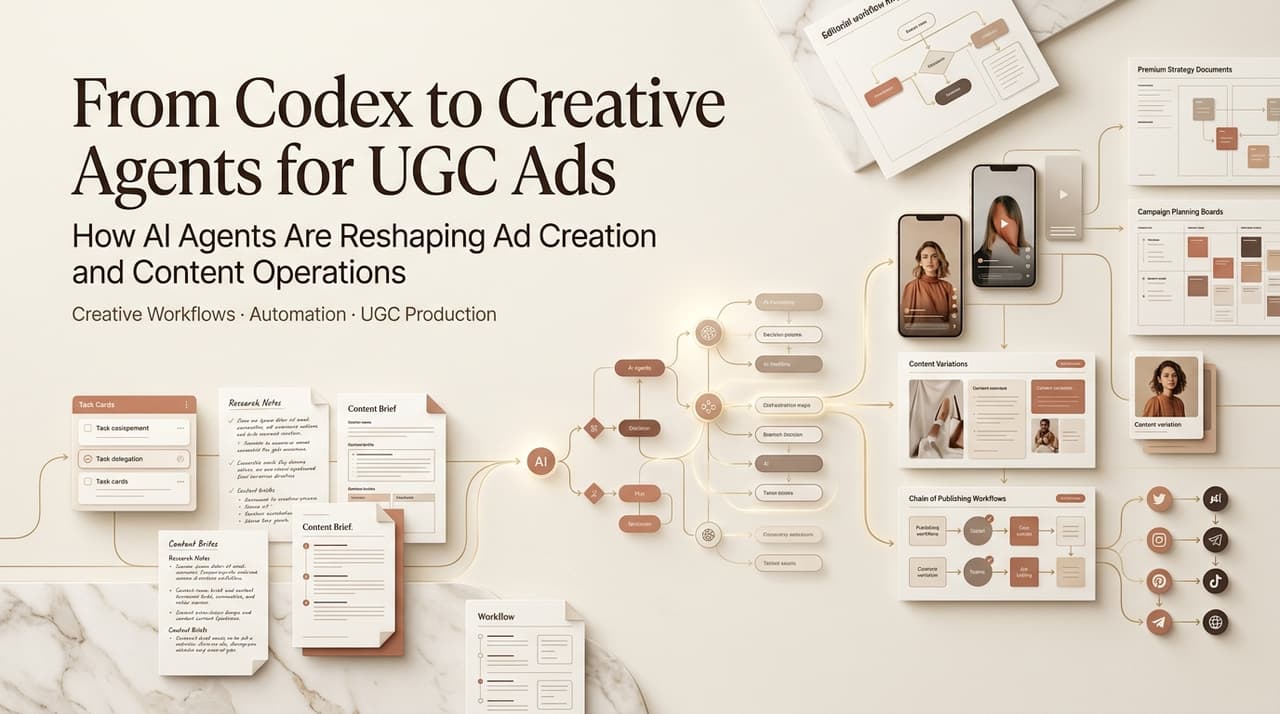
Short version: Codex showed that you can delegate a whole task to an agent, not just prompt it for one output. That same shape — brief in, variants out, you review and send back — is what a real AI UGC ad generator should do. The catch: an agent can build the AI ad creative, but you still own the brand voice, the claims, and the disclosure. Don’t hand over the judgment part.
What Codex Changed About Agent Work
For years, “using AI” meant writing a clever prompt and praying. Codex flipped that for developers, and the shift is more interesting than the tool itself.
Delegating tasks instead of prompting outputs
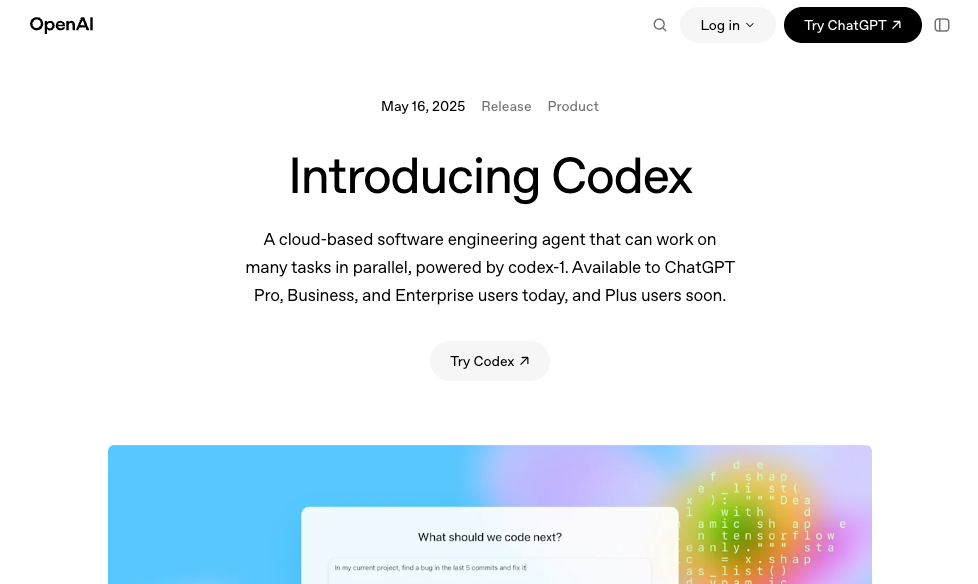
You don’t ask Codex to autocomplete a line anymore. You hand it a task and walk off. In OpenAI’s own writeup, Codex is a cloud-based software engineering agent that works on tasks in its own sandbox and proposes changes for you to review. That’s a different relationship — less “generate this for me,” more “go handle this and show me.”
Parallel execution, review, and iteration
The part that surprised me: it runs several tasks at once. You come back later, read what it did, approve or reject, and it iterates from your notes. By early 2026, millions of developers were working this way every single week. The loop is what matters here, not the model version underneath.
Why this matters beyond software work
Strip out the code and the pattern is plain: delegate, run in parallel, review, redo. Honestly? That’s most of my week as a video person too. Different files, same shape. Which made me wonder why I don’t already have this for ads.
What an AI UGC Ad Generator Should Do
If we borrow that shape, here’s what good AI ad creative tooling actually needs to pull off. Not “make a video.” Four separate jobs.
Turn a creative brief into ad concepts
Give it the product, the offer, the audience, the vibe — it should come back with a few angles, not one. A hook for skeptics, a hook for bargain hunters, a demo-first cut. Concepts first, footage second. If it skips straight to rendering, it’s a generator, not an agent.
Generate UGC-style video variants
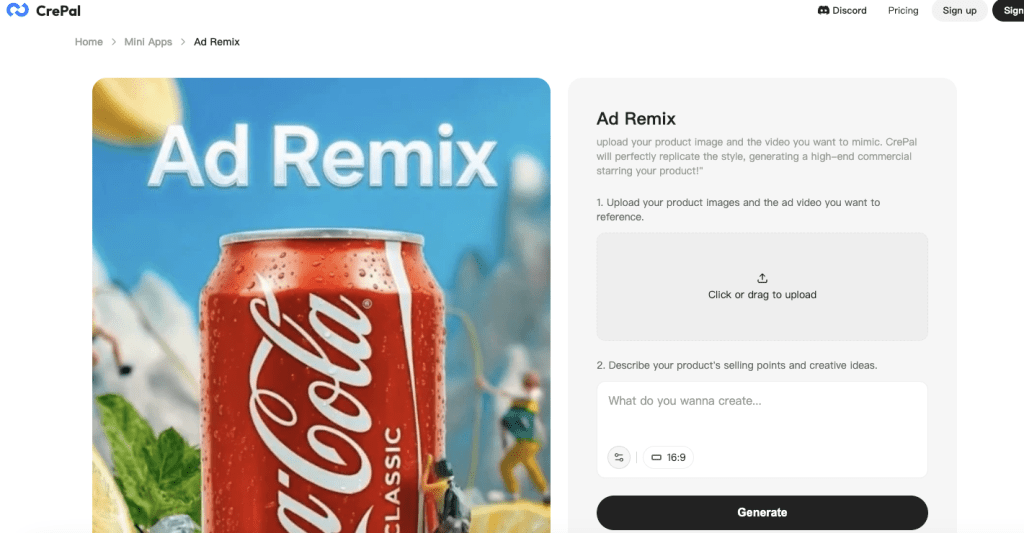
Then it builds them in that handheld, talking-to-camera UGC style — three or four versions, not one precious master. This is where I’ve actually seen it click: CrePal’s Ad Remix mini-app takes a product image plus a reference video and rebuilds the pacing, lighting, and movement around your product. I tried it with a skincare product shot and a trending unboxing clip — about four minutes later I had three versions back. Two were genuinely usable. The third had the hand gesture clipping weirdly through the product, so that one got binned. Still — two out of three in four minutes beats my usual half-day. Compared to something like Runway, where I’d be assembling the pacing myself shot by shot, Ad Remix just borrows the reference video’s rhythm and runs with it.
Support review and revision
Generation isn’t the finish line. The agent has to let me say “shorter intro, punchier cuts, warmer tone” and redo just that part. Real video marketing automation is the dull middle — versioning, re-renders, exports — not the one magic clip everyone screenshots.
Hand off clean, campaign-ready files
The last job is the most boring and most skipped: getting files into the format whoever runs ads actually needs — right aspect ratios, naming that doesn’t make your media buyer cry, no half-rendered drafts mixed in with finals. If an agent nails the first three jobs but dumps a folder of mismatched files at the end, someone still loses an afternoon cleaning up. This is the part I judge tools on now, because it’s the part nobody demos.
From Coding Agent to Creative Agent
So how much of the Codex idea actually survives the jump to a creative agent? More than I expected. Not all of it.
What carries over from Codex-style workflows
The whole delegate-and-review loop transfers straight across. That’s basically the bet CrePal is making — it pitches itself as an AI video creation agent that plans, generates, edits, and exports in one flow while you steer by chat. Same muscle, different output.
What is different in visual ad production
Code either compiles or it doesn’t. Ads don’t get that luxury. There’s no unit test for “does this feel cringe.” A clip can be technically flawless and still die on arrival, and the agent has no way to know that. That gap, weirdly, is the whole job.
Why brand review still matters
Which is exactly why review isn’t optional fluff here. With code, automated tests catch a lot before a human looks. With ads, you are the test. Skip that step and you’ll ship something off-brand — just faster than you used to.
What Still Needs Human Direction
Here’s the part the hype videos skip. A creative agent can do the labor. It can’t take the liability.
Brand voice and offer accuracy
It’ll cheerfully invent a discount that doesn’t exist or reuse a tagline you retired last year. Every claim and every price still needs a human to confirm it’s real. Dull work. I do it anyway, because the alternative is worse.
Platform policy and disclosure checks
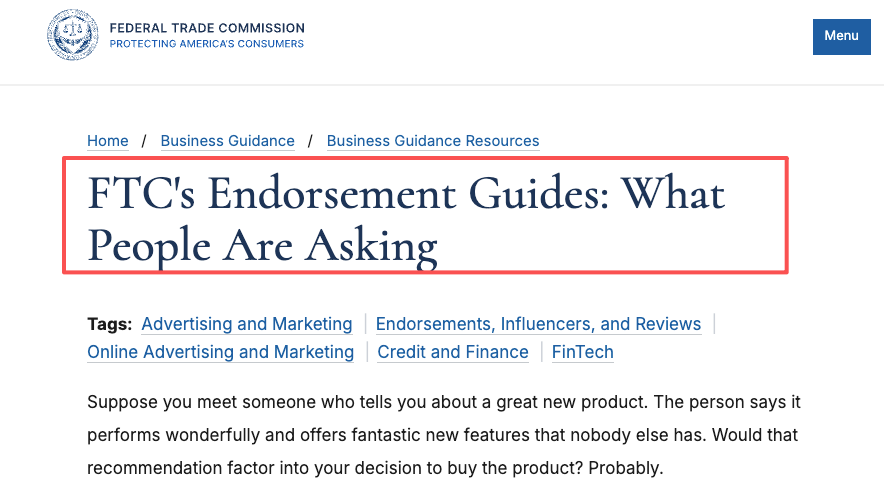
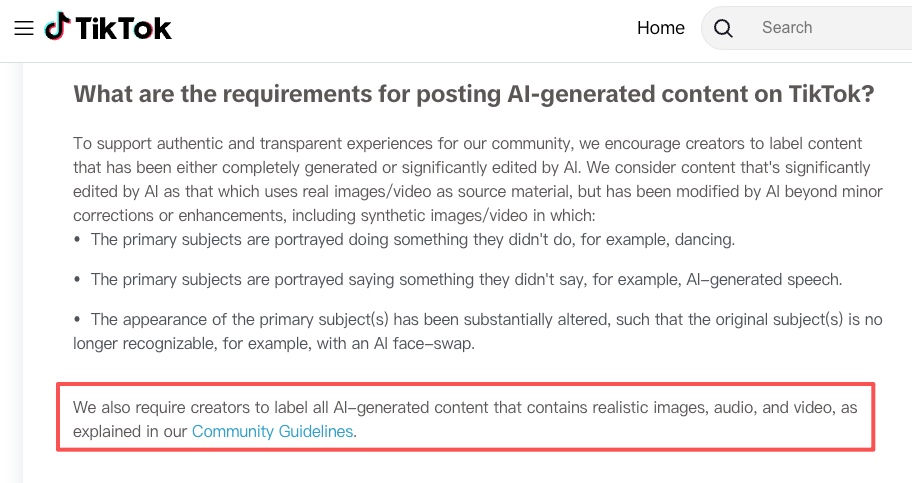
This one’s genuinely not optional. The FTC’s endorsement guides treat AI and virtual endorsers the same as human ones — material connections have to be disclosed, and synthetic endorsements have to be clear to viewers. Separately, TikTok’s rules for labeling AI-generated content ask you to flag realistic AI visuals before you post. Always check the platform’s latest policy yourself — these rules move fast.
Final creative judgment
And the last call is yours. Does this actually stop someone mid-scroll? An agent can’t feel that. I’ve killed great-looking cuts because they were boring, and not one tool flagged it for me. Maybe that’s a feature.
FAQ
What is an AI UGC ad generator?
It’s a tool that takes a creative brief and produces user-generated-content-style video ads — that casual, handheld, talking-to-camera look — then lets you review and revise variants instead of editing from scratch. Think less “video editor,” more “agent that drafts ad creative for you to direct.”
How would a creative agent turn a brief into UGC ad variants?
Roughly: read the brief, propose a few angles, generate a video for each in UGC style, then wait for your feedback to revise. The flow mirrors how a coding agent takes a task and returns work for review — just with footage instead of pull requests, and a lot more taste required.
What are the risks of automating UGC ad production?
Mostly false claims, off-brand voice, look-alike sameness across variants, and missed disclosures. Speed makes mistakes scale too. Treat the output as a first draft you’re responsible for, not a finished ad you can publish blind.
When should marketers use a creative agent instead of a video editing tool?
When you need many variants fast and care more about shipping than frame-level control. For heavy, shot-by-shot post-production, a real timeline editor still wins. And for anything policy- or disclosure-related, check the official platform and FTC documentation — the rules keep shifting, so don’t trust a blog post (even this one) as the final word.
Conclusion
Codex didn’t hand marketers an ad tool — it handed us a preview of how work gets delegated to agents. The honest takeaway: an AI UGC ad generator that nails the brief-to-variants loop can give you back real hours, but a creative agent is a sharp junior teammate, not a stand-in for your judgment. Try one on an actual brief this week. Keep the review step. And read every claim before it goes live — that part’s still squarely on us.
Previous posts: