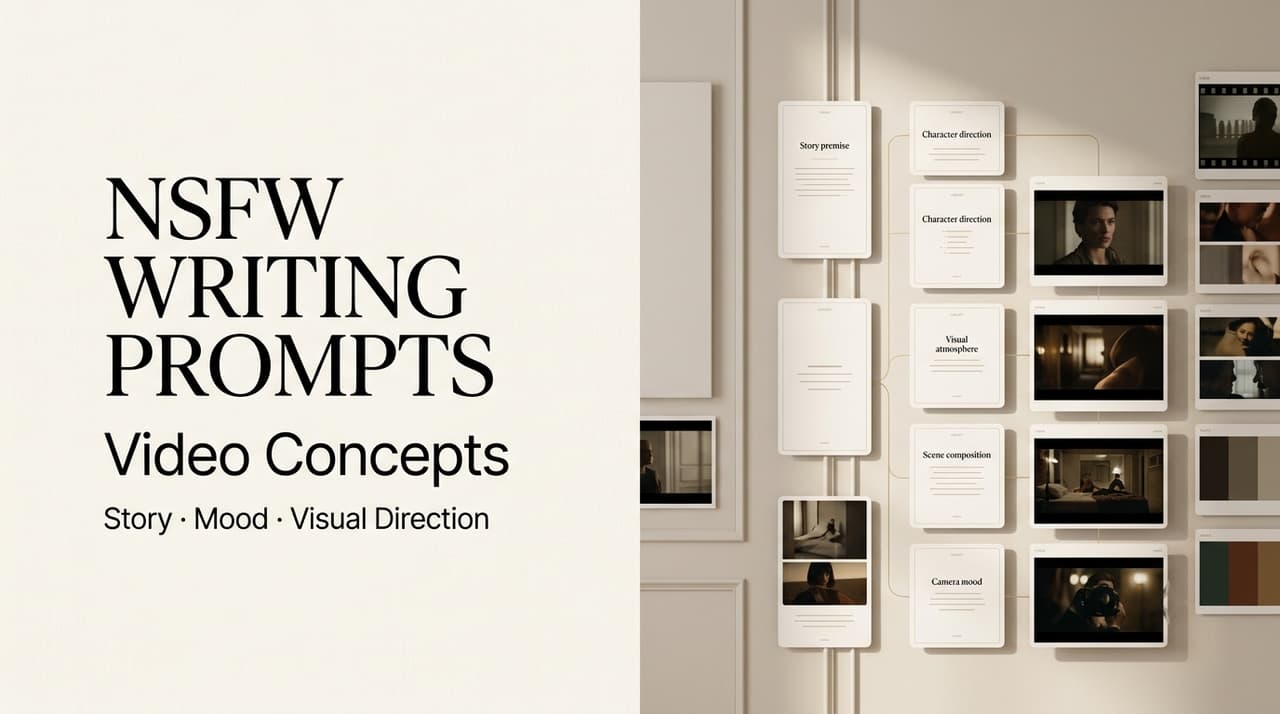
NSFW writing prompts can be useful in adult video concept planning only when the prompt is treated as a risk-screened story seed, not as finished production direction. For creators turning adult story prompts into storyboard notes, the job is to preserve dramatic intent while removing anything that cannot be reviewed, licensed, consented to, or safely handed off.
This article provides no explicit NSFW prompt examples, erotic story text, fanfic collections, or OTP scenario lists. It focuses on a fictional-only, adult-only, consent-first workflow for turning a writing idea into a video brief a team can approve or reject.
How NSFW Writing Prompts Become Video Concepts
Story premise
A story premise should describe narrative purpose, not explicit action. It should answer one plain question: why would this scene exist as a video concept? If the answer depends on shock, coercion, a real person’s identity, or ambiguity around age, the concept is already moving in the wrong direction.
A safer premise note can define a fictional adult setting, the broad emotional arc, visual pacing, and viewer expectation without writing adult scenes in detail. Teams that use an NSFW story prompt generator should add review before storyboard work begins, because model output can blur boundaries that production must keep clear.
Character relationship
The character relationship is the first major consent checkpoint. NSFW OTP prompts often frame a pairing as the appeal, but a video brief needs more discipline than “these two characters together.” It should state that the characters are fictional adults, that the relationship is consensual, and that no real person, celebrity, influencer, client, employee, or private individual is being referenced.
A clean relationship note also avoids hidden age signals. School-coded settings, youth-coded language, family roles, pressure presented as romance, or intoxication used as a plot device can create review problems even when the writer did not intend harm. Adult status and consent should be readable inside the brief, not explained later.
Scene mood
Scene mood is where creative direction can stay useful without becoming explicit. Instead of describing sexual acts, define tone, lighting, camera distance, wardrobe category, pacing, and emotional temperature.
A mood note can say the scene should feel private, cinematic, slow-paced, playful, tense, romantic, stylized, or minimal. It can also set exclusions: no real-person likeness, no non-consent framing, no age ambiguity, no public humiliation, no hidden recording implication, and no platform-prohibited imagery.
Adult Concept Planning Boundaries
Fictional characters only
Fictional characters only is the safest default for adult concept planning. The brief should avoid names, faces, voices, personal histories, usernames, biography details, or body-specific references that point to a real person. A later image, voice, or casting reference can quietly turn a fictional idea into a likeness problem.
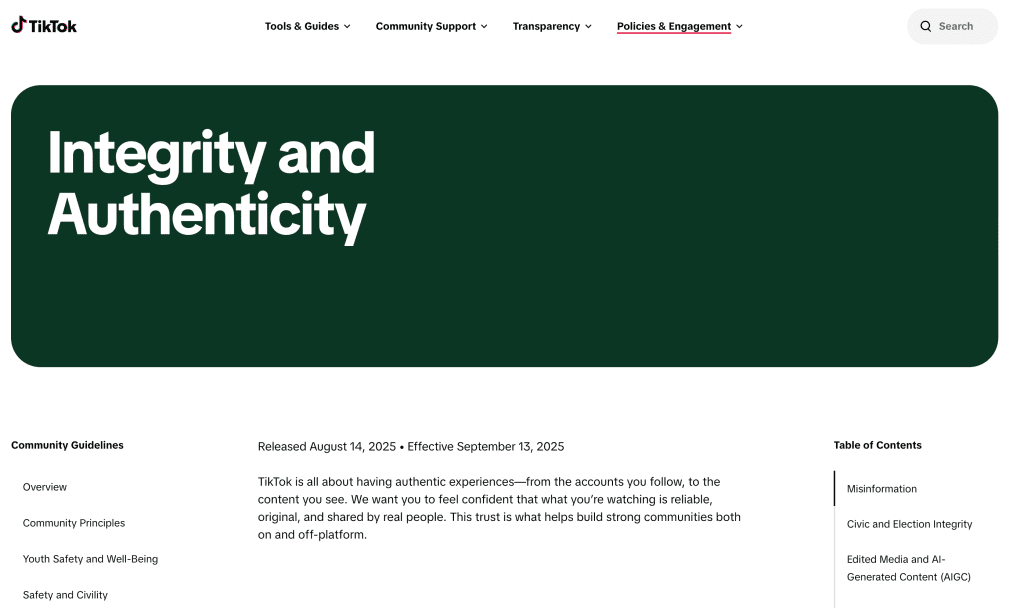
For AI-assisted workflows, write the boundary into the intake form: no real-person references, no public figures, no private individuals, and no source images of people who have not given clear permission. TikTok’s rules for edited media and AI-generated content restrict realistic likeness use in several high-risk cases, especially young people and adult private figures used without permission.
Consent and age-safe assumptions
Consent and adult age cannot be implied loosely. A production-ready brief should state adult-only assumptions in the concept itself, then keep consent visible through the scene summary, review notes, and handoff record. If actual performers are involved later, age and identity verification move from editorial policy into production compliance.
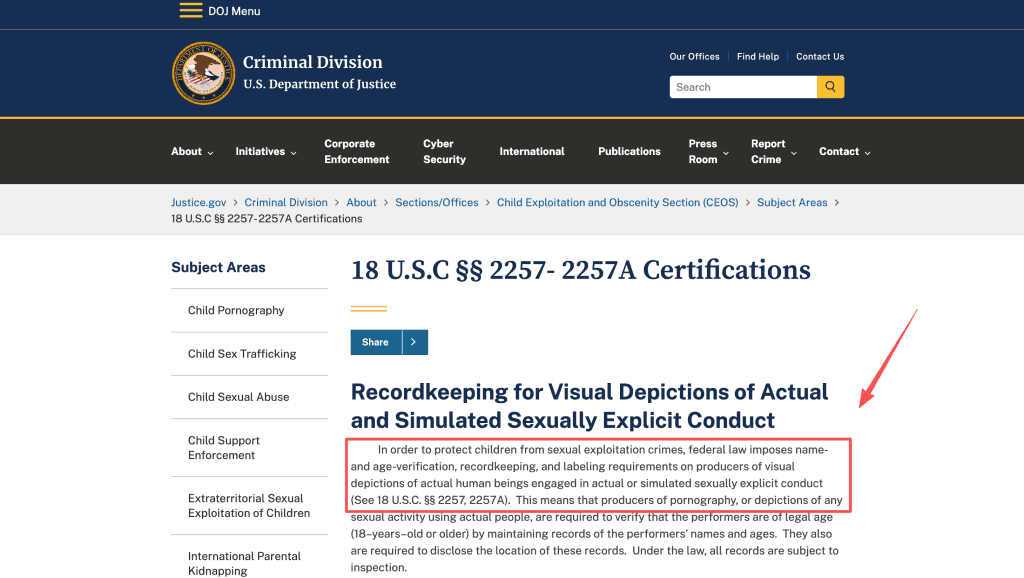
For U.S.-based adult production involving actual people, 18 U.S.C. 2257 and 2257A recordkeeping covers name- and age-verification, recordkeeping, and labeling requirements for covered visual depictions. This article is not legal advice, and rules vary by jurisdiction and production type. Still, do not approve a concept unless the team knows how adult status, consent, identity, records, and release scope will be handled.
No real-person references
No real-person references means more than avoiding celebrity names. It also means avoiding “inspired by” descriptions that would let a team reconstruct someone’s identity through occupation, location, body details, voice, social handle, or recent news event.
Google’s Generative AI Prohibited Use Policy restricts uses involving child sexual abuse or exploitation, non-consensual intimate imagery, and rights violations such as privacy or intellectual property misuse. That is a useful upstream boundary for writers using AI systems: if the idea needs secrecy, impersonation, or an unwilling subject to work, reject it before it becomes a storyboard.
From Story Prompt to Video Brief
Scene summary
A scene summary should be short enough for review and specific enough for production. It should identify the fictional adult characters, the non-explicit story beat, the setting, the emotional movement, and the final purpose of the scene. It should not preserve explicit wording from the original prompt.
A practical scene summary can use five fields: premise, fictional characters, relationship status, setting, and allowed visual range. If a draft came from an NSFW fic prompt generator, strip fanfic-coded names, fandom references, canon relationships, and any real actor association before the handoff.
Visual direction
Visual direction translates story intent into what can be made, reviewed, and revised. Keep it focused on composition, mood, movement, and production constraints. Useful notes include camera style, color palette, wardrobe boundaries, set privacy, prop limits, and whether the piece is intended for a closed review, a client pitch, or a platform-safe teaser.
This is also where provenance matters. If AI images, stock assets, voice models, or reference boards are used, document where they came from and whether they can be used in context. C2PA’s work on Content Credentials and media provenance is a helpful model for thinking about origin, edits, and asset history, even when a small team is only keeping an internal spreadsheet.
Review notes
Review notes are the control surface of the brief. They should tell the next person what has been checked, what has been rejected, and what still needs approval. For adult content, this prevents a risky idea from slipping through as “creative interpretation.”
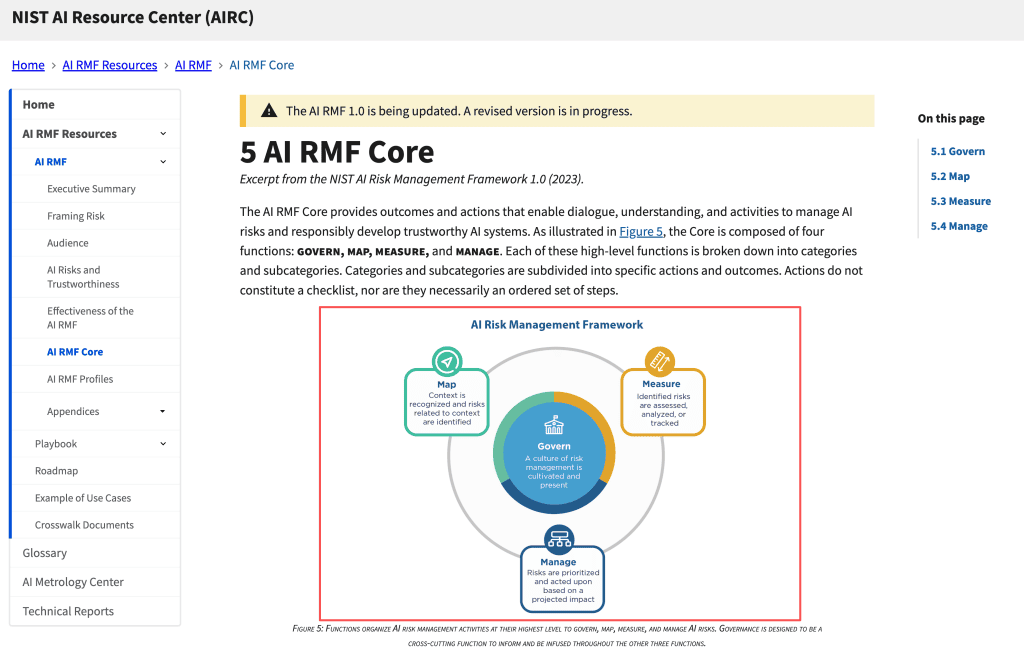
A strong review note records adult-only status, fictional-only status, consent framing, no real-person likeness, no minor-coded details, asset source, client restrictions, platform restrictions, and escalation owner. The NIST AI Risk Management Framework organizes AI risk work around govern, map, measure, and manage; for a creative team, that translates into ownership, risk identification, review criteria, and follow-up action.
When a Writing Prompt Should Be Rejected
Reject a writing prompt when the safe version would no longer resemble the original idea. Some prompts can be revised by removing explicit wording, making characters clearly fictional adults, or converting a scene into a mood board. Others should stop immediately.
Reject any concept that involves minors, age ambiguity, school-coded sexual framing, incest-coded framing, coercion, intoxication as consent confusion, hidden recording, blackmail, public exposure without consent, real-person likeness, celebrity or influencer references, revenge framing, deepfake intent, or instructions for bypassing a platform or model’s safety systems. Do not rewrite these into softer versions for delivery. Log the reason, block the handoff, and escalate if the material suggests real harm.
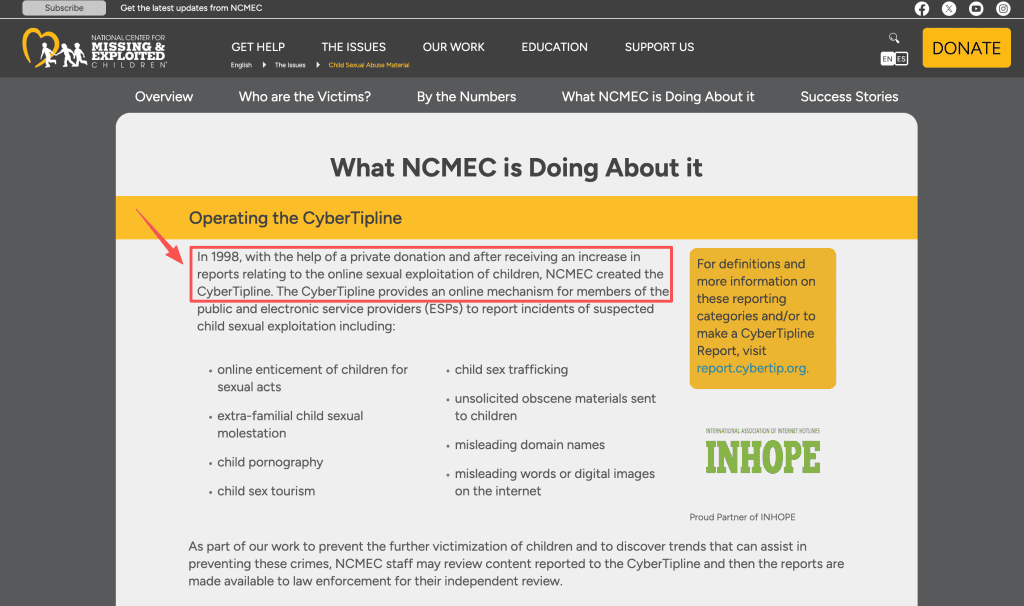
If suspected child sexual exploitation appears in source material or client-provided notes, move out of normal editorial handling. NCMEC operates the CyberTipline for suspected child sexual exploitation, and teams should have a policy for who reports, who preserves evidence, and who stops access. For adult non-consensual intimate image concerns, StopNCII accepts certain non-consensual intimate image cases involving adults, including synthetic, fake, or generated intimate images that meet its criteria.
Documentation should stay minimal and safe. Keep enough information to explain the rejection, but do not store explicit prompt text, personal images, unnecessary names, or sensitive files in a general project folder. The rejection record should protect the team and affected people, not become a second copy of the risky material.
FAQ
Who approves adult story concepts after delivery?
Approval should sit with a named adult-content reviewer, not the writer alone. For a small creator team, that may be the producer who owns release forms, age checks, and client boundaries. For an agency or studio, approval often needs editorial, production, legal, and platform policy review. The person who wrote the concept should not be the only person deciding whether it is safe to produce.
What should be removed before a client handoff?
Remove raw NSFW writing prompts, model outputs, private brainstorming notes, source links that expose unrelated people, fanfic references, likeness cues, and any explicit material that is not needed for approval. The client handoff should contain the cleaned video brief: fictional adult characters, story purpose, mood, boundaries, rights notes, open approvals, and rejection history when relevant.
How should rejected story ideas be documented?
Use short rejection categories instead of copying the risky text. Good labels include age ambiguity, real-person reference, missing consent, coercion framing, prohibited likeness, unsafe source asset, IP concern, platform restriction, or legal review required. Add the reviewer’s name, date, project ID, and next action. If the issue is severe, document where it was escalated rather than preserving the original material.
When should old adult concept notes be archived?
Archive concept notes when the project is cancelled, the trend is no longer useful, the client scope changes, or the approval basis expires. Keep only what the team has a legitimate reason to retain: final approved briefs, release references, rights notes, rejection categories, and delivery records. Old adult concept notes should not sit indefinitely in shared creative folders, especially if they contain sensitive identity, consent, or asset information.
Conclusion
NSFW writing prompts can support adult video concept planning when they are handled as controlled inputs, not as finished creative assets. The useful workflow is narrow on purpose: fictional adults, consent-first framing, no real-person references, clear scene summaries, review notes, rejection rules, and careful records. That structure lets a team preserve story intent while refusing anything that should never become a video brief.
Previous Posts: