An adult content creator app for women is rarely one all-in-one product. It is usually a small system of production, publishing, fan-management, payment, and security tools. The right choice depends on the creator’s content, location, stage name, audience relationship, and willingness to manage platform risk. Women creator apps should be evaluated without assuming every woman needs the same visibility, safety, or business model. This guide uses official materials checked September 22, 2026, and treats changing policies, fees, and regional availability as items to verify again before launch.
Start With the Creator’s Actual Job
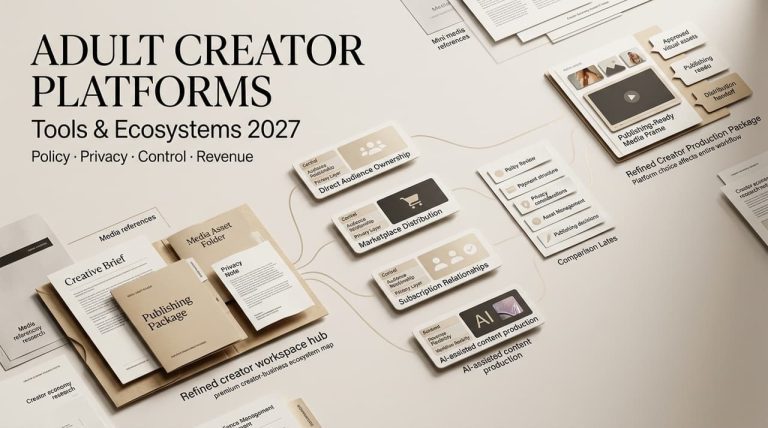
Start with the workflow, not an app-store search. An adult creator may need to produce media, approve assets, publish to a paid destination, reply to fans, reconcile revenue, and protect private records, but no single mobile app is confirmed to handle all of those jobs safely.
Separate Production, Publishing, and Fan Management
Production includes filming, editing, storage, releases, and final exports. Publishing covers upload, pricing, previews, scheduling, and policy checks. Fan management includes messages, blocks, refunds, and customer expectations. Keep these responsibilities distinct even when one adult content creator platform bundles some of them together.
That separation improves judgment during a problem. If a publishing account is paused, source footage and release records should remain available. If a production phone is lost, the creator should not automatically lose the only route to customer records. A practical adult creator workflow app stack assigns an owner and recovery method to each layer before content goes live.
Identify Which Tasks Need a Mobile App
Mobile access helps with time-sensitive work, such as reviewing a post, responding to a customer issue, or approving a draft while away from a desk. It is less appropriate for storing master files, handling sensitive releases, or making major account changes on a shared device.
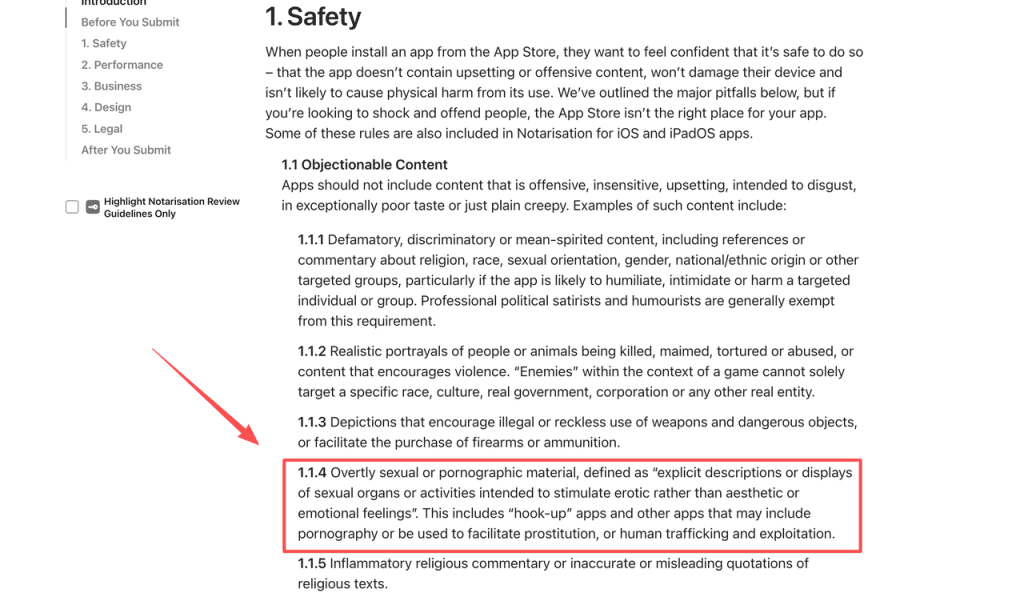
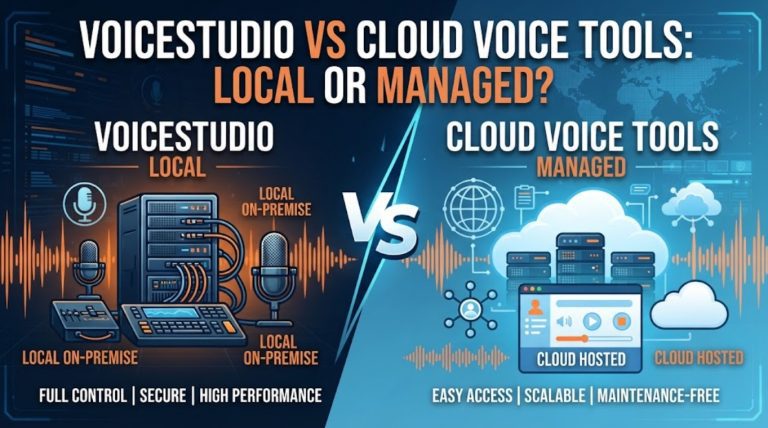
Native-app availability is not proof of a better creator experience. Apple’s rules for overtly sexual material and user-generated content can limit what an iOS app displays, even if the underlying web service offers different access. The app-versus-web question should therefore be tested with the intended account, region, device, and content type.
Compare Apps on Control and Safety
Control and safety are operational questions, not marketing labels. Compare what the active account can display, store, delegate, recover, and remove.
Public Identity and Location Exposure
A stage name can separate a public brand from a legal identity, but it does not guarantee anonymity. Before publishing, inspect profile fields, public previews, follower settings, linked social accounts, location permissions, image metadata handling, payment display names, and customer-facing receipts. Do not upload a file until its visible and hidden information has been checked.
The same caution applies to mobile permissions. An app may ask for camera, microphone, photo-library, contacts, or location access for a legitimate feature, but a creator should grant only what the current task requires. Privacy tools for adult creators are most useful when they reduce unnecessary exposure, not when they claim to make risk disappear.
Permissions, Data Retention, and Account Access
Review who can enter the account, which actions require re-authentication, where recovery codes are stored, and whether managers or collaborators can receive limited permissions. If a service does not clearly disclose retention, deletion, export, or recovery behavior, treat that information as unknown rather than assuming a privacy-friendly default.
The source of truth should remain outside the publishing account. Store licenses, releases, business contacts, and financial records in creator-controlled storage with restricted access. Keep the public account separate from the files required to prove ownership or consent.
Blocking, Moderation, and Team Controls
Blocking and reporting tools matter because they define what happens after a problem, not just before it. Test whether a creator can block a user, report harassment, restrict comments, preserve evidence, and contact support without exposing additional private details. Record the result and date, since moderation routes can change.
App-store rules also shape the options available to platform operators. Google Play’s inappropriate-content policy restricts apps that contain or promote sexual content, while its regional application can vary. That does not answer a particular platform’s moderation policy, but it explains why app and web experiences may differ. Creator safety apps should therefore be judged on their actual controls, not their store listing.
Compare Business Fit
Business fit means more than whether an app can accept a payment. It includes the cost of running the relationship, the rules behind the transaction, and the ability to move if the service changes.
Fees, Payouts, and Subscription Terms
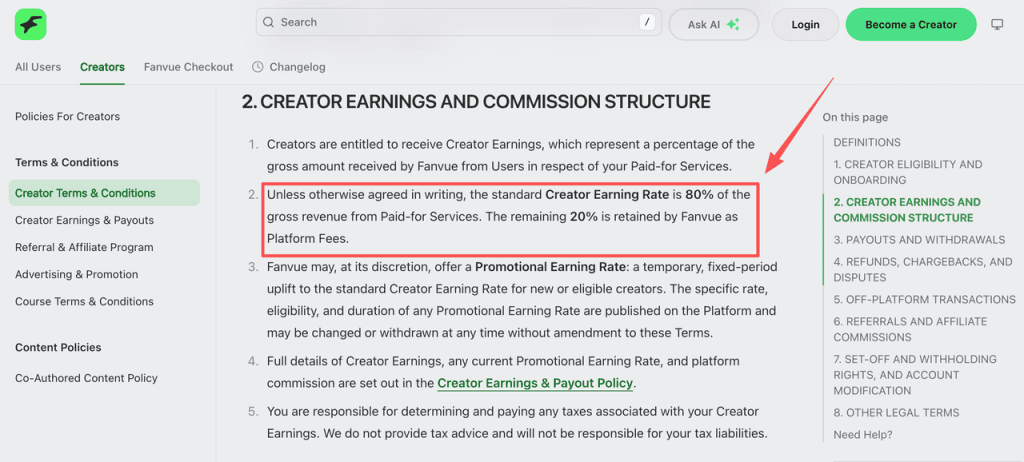
Review platform fees, processing delays, withdrawal rules, payout methods, currency conversion, tax information, refunds, chargebacks, and account holds together. Fanvue’s creator earnings terms currently describe a standard 80% creator share, settlement conditions, a minimum withdrawal threshold, and possible deductions or withholding. Those terms are a platform-specific example, not a market benchmark or income promise.
Do not set a price from a commission percentage alone. Test the real payout route available in the creator’s country and budget for refunds, support time, and policy-driven interruptions. This article is not legal, tax, or platform-compliance advice.
Export Options and Audience Portability
Audience portability does not mean a creator owns platform users or may move their data freely. It means the creator controls original media, brand materials, approved communications, and lawful customer records. Confirm which assets can be downloaded, what happens after account closure, and whether the service permits any external links or notices.
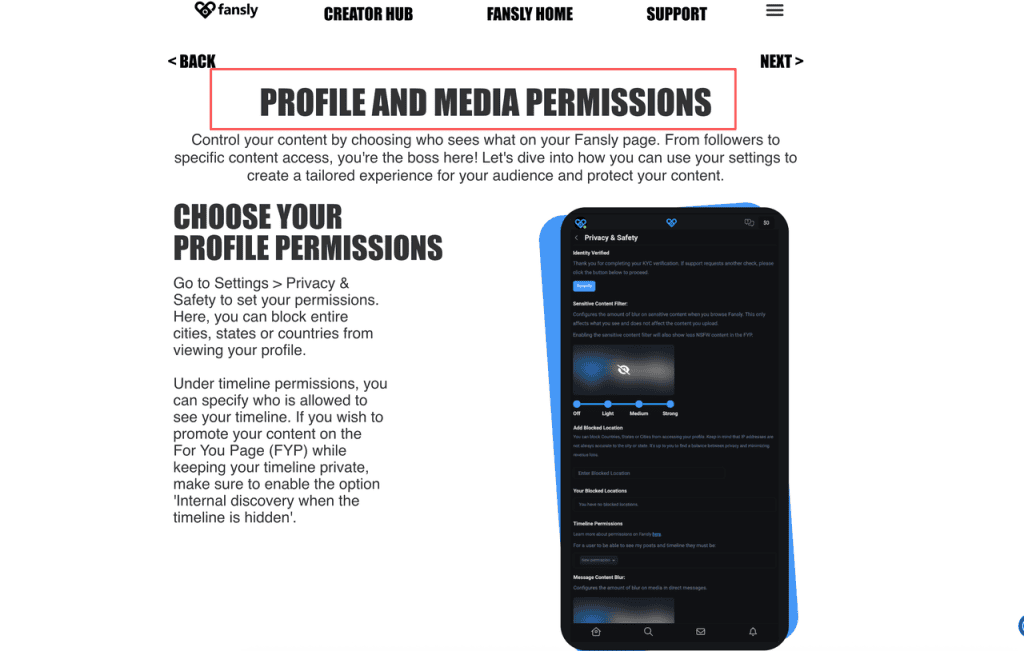
Visibility controls matter here too. Fansly’s profile and media permissions illustrate why a creator should distinguish public, subscriber-only, and limited-audience assets before upload. A platform with strong discovery may still be a poor fit if its visibility settings do not match the creator’s boundaries.
Build a Small, Auditable App Stack
A small stack is easier to protect and review than a collection of overlapping subscriptions. Keep only the tools that solve a defined task and document what each one can access.
Keep Original Media in Creator-Controlled Storage
Keep master footage, edits, releases, music licenses, thumbnails, and approved exports in storage controlled by the creator or legal business, not only inside a publishing app. Use a simple register that connects each asset to its rights status, participants, destination, and removal date. This creates continuity if a platform removes a post, changes a rule, or becomes unavailable.
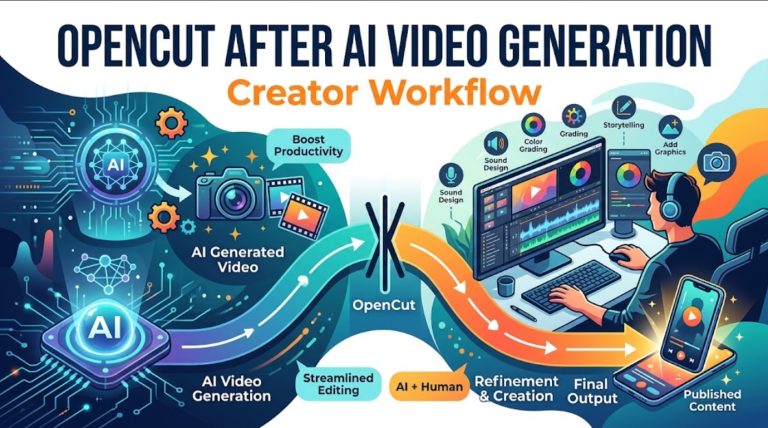
For AI-assisted assets, keep the input sources, approvals, and disclosure decisions with the final export. Do not assume a platform’s upload record is enough to explain who authorized an asset or what was changed before delivery.
Review Access and Recovery Before Launch
Before launch, test login alerts, password recovery, multi-factor authentication, device removal, backup codes, account-support routes, and what a team member can access. Keep credentials out of shared chats and never share a main login merely to delegate routine work.
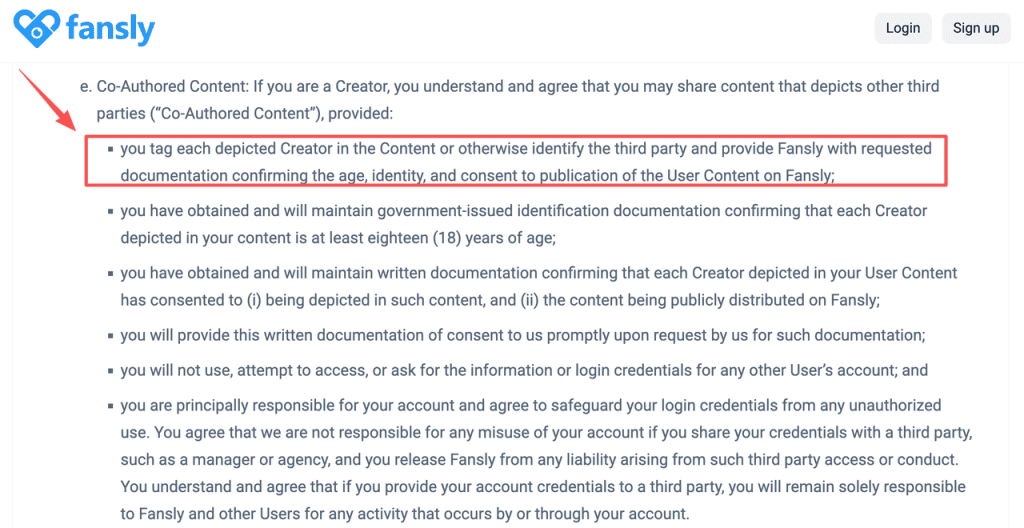
Fansly’s co-authored-content requirements show why consent and identity records need their own protected process when other people appear in material. A recovery plan should protect those records while also making it clear who can act if the primary account holder is unavailable.
FAQ
Do app stores restrict adult creator tools differently from web apps?
Yes, app-store policies and regional rules can limit native-app content, features, discovery, or payments differently from a web service. Check the current mobile and browser experience separately before treating them as interchangeable.
Can an app account be registered to a legal business instead of a personal name?
It depends on the service’s business-account, tax, payment, and identity-verification rules. A business entity may handle payments while a platform still requires verification of the individual creator. Confirm both roles before opening the account.
What happens to queued posts when an app account is suspended?
Platforms do not always make that outcome public. Assume queued content may become inaccessible, preserve a copy outside the app, and avoid depending on scheduled posts for time-sensitive contractual commitments.
Which accessibility features can change the best app choice?
Caption support, screen-reader compatibility, keyboard navigation, color contrast, notification controls, and adjustable text size can materially affect daily work. Test them with the creator’s own device and assistive setup before choosing a paid subscription.
Are creator app subscriptions deductible as business expenses?
That depends on local tax law, the creator’s business structure, and whether the cost is ordinary and documented for the business. Retain receipts and seek advice from a qualified tax professional in the relevant jurisdiction.
Conclusion
The right adult content creator app for women is a controlled workflow, not a single download. Compare each tool by the information it exposes, the permissions it grants, the records it preserves, and the business dependency it creates. Start with one small, documented setup, test recovery and publishing boundaries, then add tools only when they solve a verified operational need.