
Leo here. As of September 23, 2026, luna-lisa-alpha is not an official product name. Treat it as an Arena-side label whose developer and relationship to released models remain unconfirmed. Treat it as an early signal: a reported Arena image-model label that may matter later for creators who need reference images, storyboard frames, and AI video preproduction assets. This luna-lisa-alpha review focuses on verified evidence and anonymous gaps.
Current Status of Luna-Lisa-Alpha
What the Public Arena Listing Confirms
The strongest public evidence is narrow. A review of the machine-readable Arena Direct image data reported a distinct luna-lisa-alpha entry, with text input, image input, square image output, a separate internal ID, and no named provider. That supports the Arena-side label. It does not confirm a developer, final product name, launch date, API, price, license, or commercial usage policy.
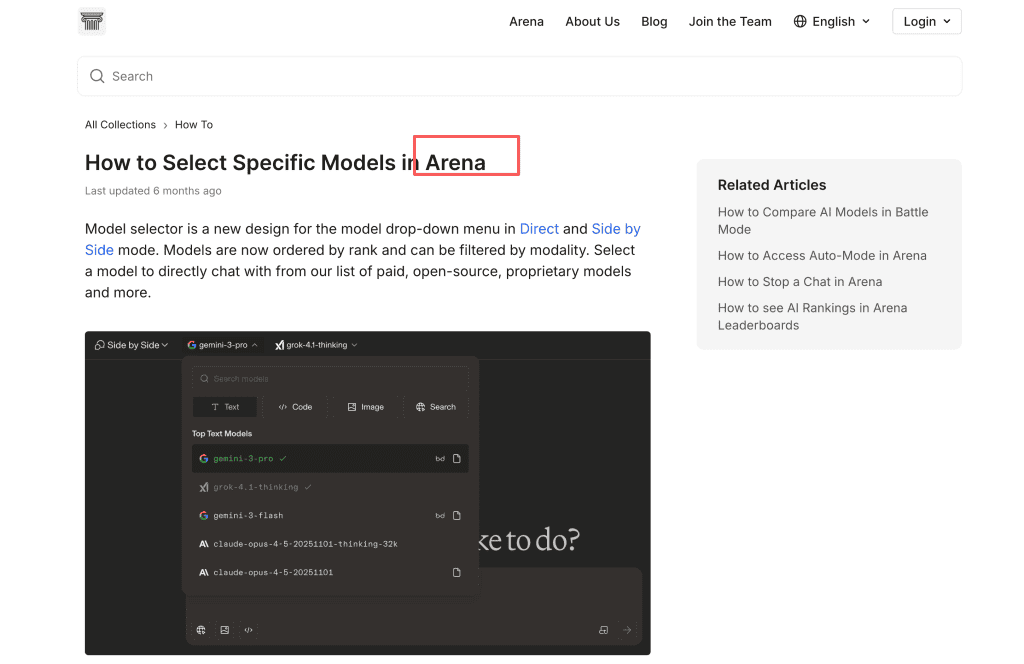
Arena is an evaluation environment, not a launch channel. The Arena model selector is built around choosing models by modality, while Battle Mode compares anonymous outputs before identities are revealed after voting. The public LMArena leaderboard dataset separates text-to-image, image editing, text-to-video, and image-to-video surfaces.
What Remains Unverified
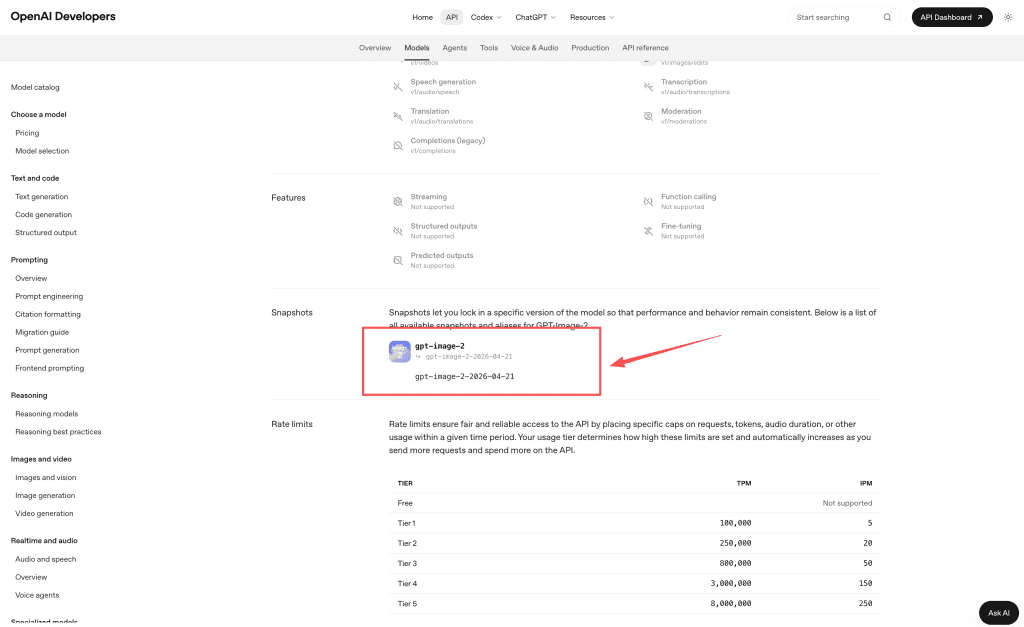
As of publication, I could not verify an official Luna-Lisa-Alpha developer statement, model card, pricing page, API identifier, output rights policy, or release note. It should not be described as OpenAI, GPT Image 2.5, or any other formal product unless a developer or platform source confirms it. GPT Image 2.5 Sunburst and GPT Image 2.5 Flare are now public image-generation and editing models, but OpenAI’s documentation does not name Luna-Lisa-Alpha or identify either model as that Arena label. Treat any connection as unconfirmed.
Evaluate Its Images for Video Preproduction
Character and Scene References
For video teams, the first question is whether a still image can survive handoff into motion. Character references should be checked for face stability, costume logic, age consistency, proportions, and recurring props. Scene references should preserve geography: where the door is, where the product sits, and whether the frame can support a camera move.
In real AI video review, weak reference images usually fail before motion begins. A product shot can feel premium yet invent label details. Luna-Lisa-Alpha could help with video reference images only if attractive frames become repeatable visual decisions.
Text, Products, and Composition
AI video preproduction often needs images that carry business information: a package label, app interface, poster, storefront, title card, or product comparison panel. If Luna-Lisa-Alpha becomes publicly testable, creators should inspect small text, product shapes, object count, layout hierarchy, and subtitle space.
Composition also decides workflow fit. A beautiful image can still be unusable if it is too centered for vertical cropping, conflicts with later scene lighting, or gives the editor no plausible motion path.
Test It With a Video-Ready Brief
Reusable Prompts and Reference Inputs
A fair test should use a portable brief that can be reused across public models. Keep the brief stable: audience, format, scene purpose, character description, product constraints, camera language, and required text. Do not tune the prompt only for Luna-Lisa-Alpha rumors.
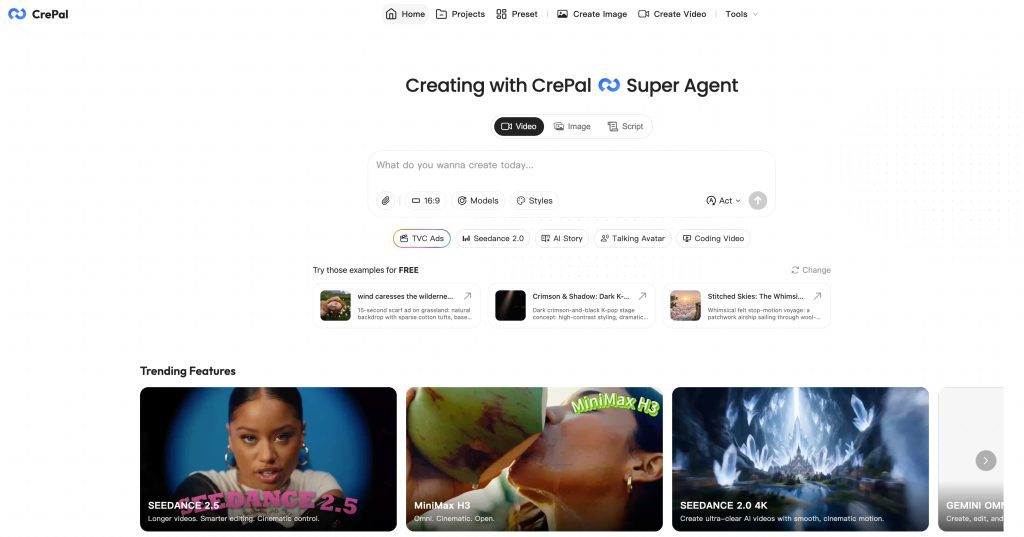
If reference inputs become part of a future release, store the source image, consent status, file name, date, and edit instruction. In a CrePal AI Director workflow, approved images would still need to connect to script beats, storyboard order, and revision notes.
Pass and Fail Criteria for Each Frame
Define pass criteria before testing. A product frame might require accurate logo placement, readable headline text, one clear hero object, and a background for a slow push-in. A character frame might require the same wardrobe, hair, and approximate facial structure across shots.
A fail should be equally clear. Reject frames that invent regulated claims, distort product packaging, change identity details, create confusing text, or break storyboard continuity.
Limits Before a Public Release
The biggest limitation is governance, not image quality. Without an official identity match for this label, teams cannot attribute access, privacy terms, commercial rights, data handling, reproducibility, usage limits, or support to Luna-Lisa-Alpha. Anonymous model outputs are hard to cite in client files because the name may be temporary.
Who Should Watch This Model
Video creators, storyboard artists, UGC agencies, and campaign teams should watch Luna-Lisa-Alpha if their bottleneck is visual planning before generation. It may become relevant for character boards, product concepts, poster frames, scene references, and multi-shot visual style tests.
Teams should wait if they need stable licensing, repeatable outputs, disclosure language, or a documented production API. Pre-release attention is useful for learning what to test, not for approving client delivery.
FAQ
Can teams archive Arena outputs for future reproducibility?
Yes, but archive them as research artifacts. Save the prompt, date, model label, source note, output file, and reviewer comments.
Does model anonymity change client disclosure language requirements?
It can. If the provider is unknown, avoid naming a developer. Disclosure can describe AI-assisted concept exploration without overstating the source.
Should anonymous model outputs enter paid production work?
Not without extra approval. Paid work needs clearer records for rights, privacy, versioning, and client review.
How can creators document the source of test images?
Use a short source note: arena or tool, model label shown, date, prompt owner, uploaded references, intended use, and client-facing status.
What happens if the model name changes at launch?
Keep both names. Preserve the old label for traceability, add the official launch name if confirmed, and do not rewrite past records.
Conclusion
Luna-Lisa-Alpha is worth watching because reference images increasingly shape video planning before a single clip is generated. But the responsible position is cautious: evaluate the signal, define test criteria, and wait for official confirmation connecting the label to a released model before treating it as a production identity.
This article reflects publicly verifiable information available as of publication. Unconfirmed capabilities are described conditionally and will be updated after an official release or developer confirmation.

[…] Luna-Lisa-Alpha for Video Creators: What We Know What Is Qwen Image 3? Alibaba’s New AI Image Model Explained Script Visuals for AI Generation Workflow How Creators Use Seedance to Make AI Videos AI Video Workflow: From Brief to Final Cut […]
[…] Prompt Generator for Video Storyboards Luna-Lisa-Alpha for Video Creators: What We Know What Is Qwen Image 3? Alibaba’s New AI Image Model Explained Script Visuals for AI Generation […]