
This Seedance Studio vs Higgsfield Cinema Studio comparison is not a quality ranking. I did not run the same brief through both products, so the useful angle is capability and workflow fit. For directors, agencies, music video teams, and branded-content studios, the real choice is whether they need a lightweight multi-model drafting space or a deeper AI filmmaking workspace built around cast, locations, camera language, collaboration, and shot management.
The Short Answer for Different Production Teams
Seed Dance Studio is better framed as a fast, independent multi-model workspace for prompt-led and reference-led video drafts. Higgsfield Cinema Studio is better framed as a dedicated AI video production studio for teams that want more explicit filmmaking controls. Choose Seed Dance Studio when the job is quick concepting, model comparison, and rough drafts. Consider Higgsfield when a project needs reusable characters, locations, production briefs, camera control, comments, folders, and a stronger creator collaboration workflow.
Compare Product Scope and Ownership
Product identity matters before cost, output, or client approval. The phrase Seed Dance Studio vs Higgsfield should not be treated as ByteDance versus Higgsfield. Seed Dance Studio is an independent service, while Higgsfield is comparing its own Cinema Studio environment.
An Independent Multi-Model Workspace
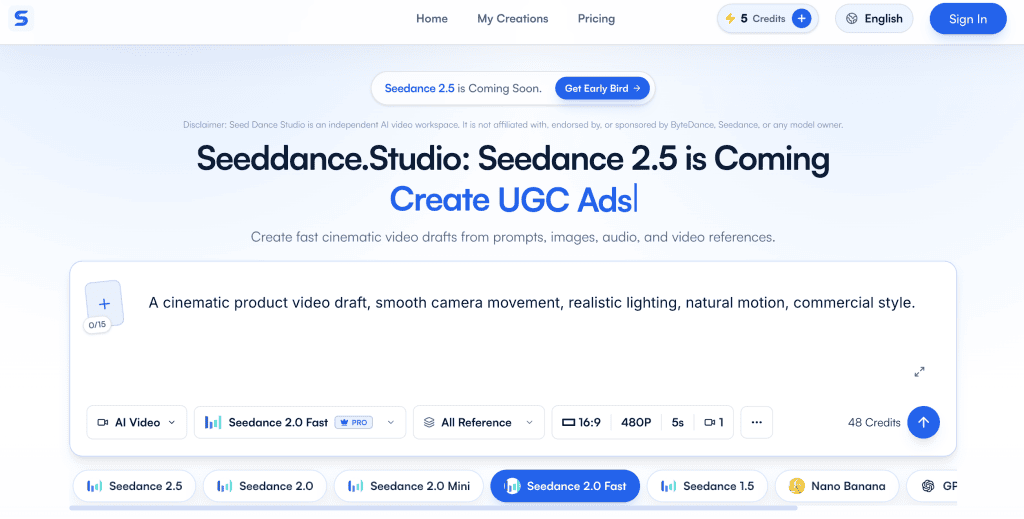
The current Seed Dance Studio independent workspace positions itself around Seeddance 2 Fast, Seeddance 2, prompts, image references, audio context, video references, and quick review loops. It also includes a visible disclaimer that it is not affiliated with, endorsed by, or sponsored by ByteDance, Seedance, or model owners. That makes it useful as a drafting layer, but not something teams should label as an official ByteDance production tool.
A Dedicated AI Filmmaking Environment
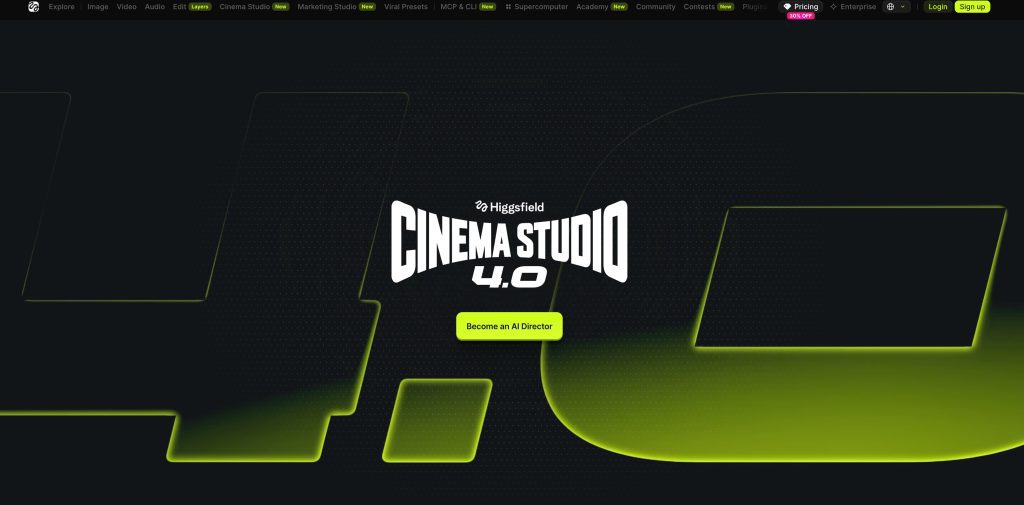
Higgsfield’s Cinema Studio filmmaking environment presents a more film-oriented surface, with genre controls, camera movement, cast, locations, props, project brief, subfolders, Canvas, collaboration, and multi-model support. That does not prove higher output quality, but it does show a different product ambition: it tries to keep more of the director’s work inside one production space.
Compare Preproduction and Scene Setup
Preproduction is where the difference becomes practical. A short ad test may only need a prompt and reference image. A short film scene may need consistent cast, geography, lighting, camera intent, and an explanation that every reviewer can understand.
References, Cast, Locations, and Project Briefs
Seed Dance Studio focuses on references and prompt context. That fits teams testing a product shot, UGC setup, or fast mood direction. Higgsfield gives more structure to cast, locations, props, and shared project rules. The current Higgsfield Cinema Studio workflow describes Elements for characters, locations, and props, plus project-scoped reuse. For a longer narrative, that structure can reduce the chaos of scattered references.
Camera, Lens, Lighting, and Genre Controls
Higgsfield leans harder into film language. Its help materials describe camera rig controls, lens, focal length, aperture, camera moves, genre, style, lighting, and color settings across different Cinema Studio versions. Seed Dance Studio can still create cinematic drafts, but its public workflow is less about lens grammar and more about prompt, reference, and model selection. A director who thinks in shot size and movement may feel more at home in Higgsfield.
Compare Production and Iteration
Production fit depends on how many takes a team can generate, review, reject, and explain without losing the creative thread.
Model Choice, Takes, and Visual Continuity
Seed Dance Studio emphasizes switching between faster drafts and more careful reference testing, which can help early iteration. Higgsfield also presents multi-model support inside Cinema Studio, but wraps it in shot-level production controls. For visual continuity, the better choice depends on the brief. A one-scene product reveal may not need deep project infrastructure. A three-minute music video with recurring characters probably does.
Collaboration, Comments, and Version Organization
Higgsfield has the stronger public collaboration story. Its Cinema Studio materials describe shared projects, real-time generation by multiple team members, comments, subfolders, Canvas, and reusable assets. Seed Dance Studio may still work for small teams, but creators should verify whether comments, folders, shared review, and version history are strong enough in their own account before moving client production there.
Compare Delivery and Handoff
Delivery is where many AI tools look less complete than their demos. A usable draft still needs naming, trimming, captioning, audio work, color decisions, rights notes, and approval records.
Export Options and Rough-Cut Needs
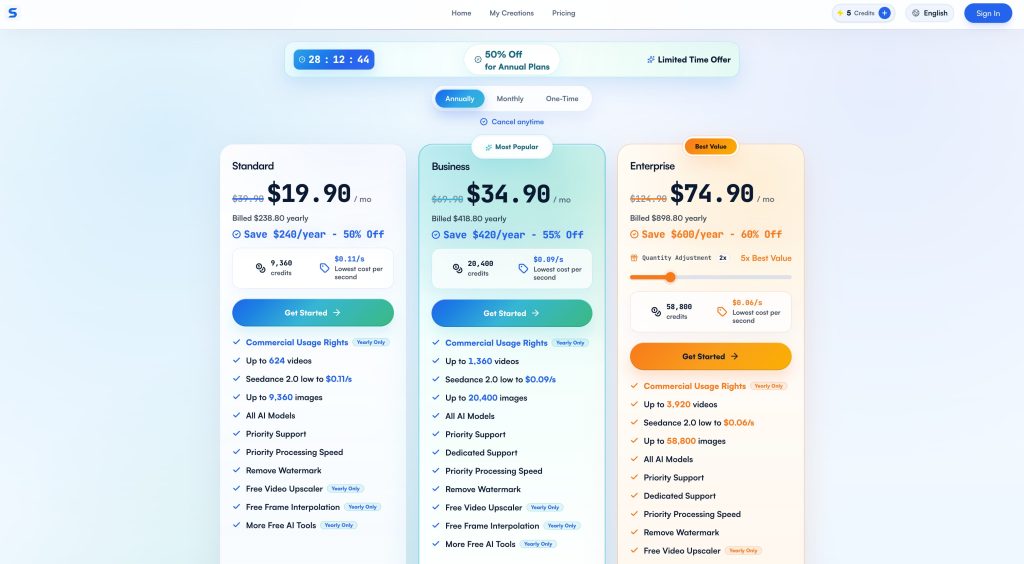
Seed Dance Studio pricing materials mention watermark removal and plan-dependent commercial-use language, so export status should be checked on the purchase date. Higgsfield’s public materials emphasize production creation more than final editorial finishing. In both cases, expect rough-cut work outside the generator for subtitles, sound mix, brand frames, delivery specs, and platform-safe versions.
Moving Assets Into the Final Edit
The best handoff package includes approved clips, rejected takes, prompts, references, model choices, export settings, rights notes, and editor instructions. If a tool cannot preserve that context, producers should maintain a separate production log.
Choose by Team Size and Production Style
Solo creators and small social teams may prefer Seed Dance Studio because the workflow looks lighter. Director-led teams, agencies, and studios may prefer Higgsfield when camera language, cast continuity, locations, comments, and project organization matter. The deciding factor is not which brand sounds more cinematic. It is how much production structure the team needs before the final edit.
Access, Cost, Rights, and Limitations
This article is not legal or license advice. Policies, commercial use, privacy, pricing, credits, and rights depend on current platform terms and actual project authorization at publication.
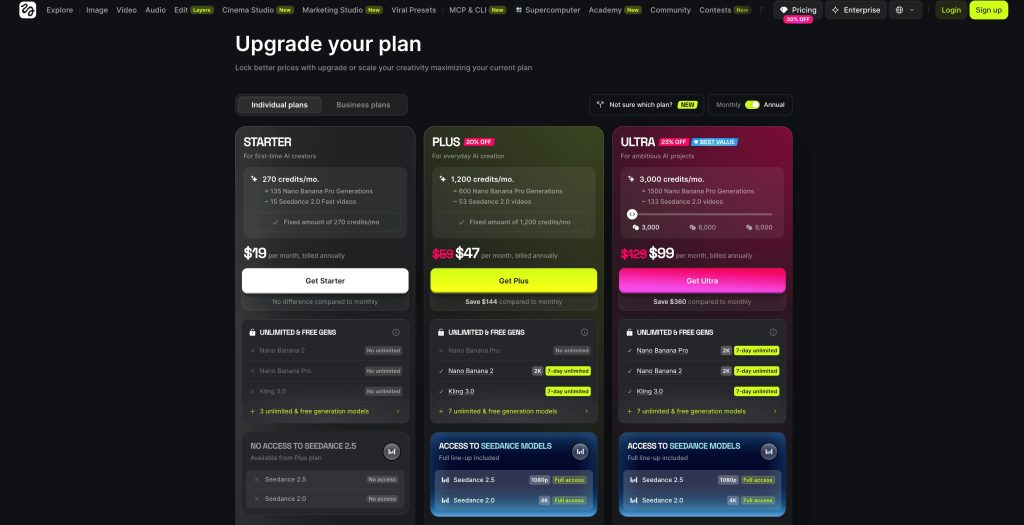
The current Seed Dance Studio plan details show credits, plan tiers, watermark removal, model access, and commercial-use wording that varies by plan context. Higgsfield’s content ownership and commercial-use terms describe user ownership of inputs and outputs, commercial use, training use, deletion limits, and enterprise differences. Teams should capture these terms during adoption review, because plan screens and legal terms can change.
FAQ
Which team members need camera-language training before adoption?
Directors, producers, prompt leads, and editors benefit most from basic camera-language training. They do not need film-school depth, but they should understand shot size, focal length, movement, lighting mood, and continuity notes.
How should creators explain AI-assisted cinematography in a portfolio case study?
Explain the creative role honestly. Name the concept, shot planning, camera intent, AI tools used, editing work, and human decisions behind the final piece. Do not imply a physical shoot happened if it did not.
When should a director still use physical location scouting?
Use physical scouting when real geography, client spaces, safety logistics, talent blocking, or brand authenticity matter. AI location planning can help visualize ideas, but it cannot confirm access, sound conditions, permits, or on-site constraints.
How can producers manage review fatigue across a long project?
Limit each review round to a clear decision: scene order, performance, visual continuity, or final polish. Mixing every decision into every review causes teams to reject usable shots for vague reasons.
What filmmaking skills remain essential when shot setup is automated?
Story judgment, pacing, performance direction, composition taste, sound awareness, continuity review, client communication, and edit discipline still matter. Automation can suggest a shot, but it cannot decide why the shot belongs.
Conclusion
Seedance Studio vs Higgsfield Cinema Studio is really a choice between lighter multi-model drafting and deeper AI filmmaking control. Seed Dance Studio fits fast concepting and flexible model tests. Higgsfield Cinema Studio fits teams that need cast, locations, camera settings, collaboration, folders, and project continuity. For serious work, adopt either platform only after checking current costs, rights, privacy, exports, and how cleanly the work moves into final editing.

[…] Seedance Studio vs Higgsfield Cinema Studio Seedance Studio Review: Is It a Complete AI Workspace? How Creators Use Seedance to Make AI Videos LTX-2.5 Review 2026: Is Native Multi-Shot Useful? What Is Qwen Image 3? Alibaba’s New AI Image Model Explained […]