An AI product promo video should not feel like a random montage of pretty product shots. For brand, ecommerce, and UGC ad teams, the real goal is to turn one product promise into a short visual story that can survive review, revision, and platform approval. AI can speed up concepting, scene variation, captions, and motion drafts, but it does not remove the need for product accuracy, rights checks, client approval, or editing judgment.
What a Cinematic Product Promo Video Needs
A cinematic product video usually works because the team knows what the viewer should feel, understand, and do within a few seconds. AI can help create mood, motion, and visual options, but the source brief still decides whether the final draft feels like an AI marketing video or a believable product showcase video.
Product promise
Start with one product promise, not five. A skincare promo might focus on lightweight texture. A travel bottle promo might focus on leak resistance. A software promo might focus on saving review time. The promise should be visible in the first shot or caption, because cinematic lighting cannot rescue a vague offer. When I review product video workflow drafts, the strongest versions usually have one sentence behind them: “This product solves this one problem for this one buyer.”
Visual story
A visual story gives the promo a beginning, middle, and payoff. The opening can show the problem, the middle can show the product in use, and the final moment can show the result or next step. For AI ad creative, this matters because generated clips often look polished while feeling disconnected. A cinematic product video needs controlled rhythm: close-up, use moment, proof detail, lifestyle context, and final brand frame.
Proof moments
Proof moments make the product believable. They can be texture shots, packaging details, screen recordings, comparison angles, ingredient callouts, size references, or before-and-after framing when that is truthful and allowed. For sponsored UGC, FTC influencer disclosure guidance makes disclosure placement part of the creative review, especially when a creator has a material relationship with the brand.
AI Workflow From Product Brief to Promo Draft
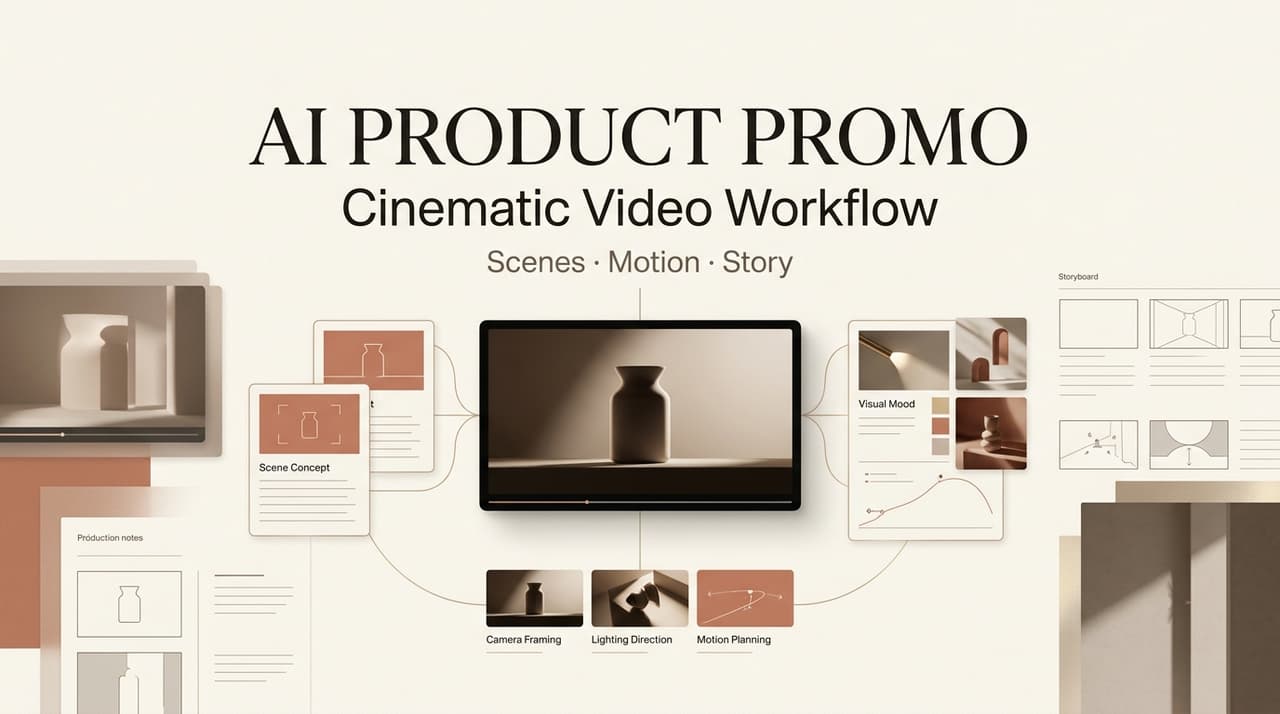
A reliable AI product promo video workflow starts with planning, not generation. The team should move from brief to hook, from hook to scene plan, from scene plan to visual directions, and from motion drafts to review notes.
Define the hook
The hook is the viewer’s reason to keep watching. It can be a problem, a surprising product detail, a sensory moment, or a fast comparison. For example, a product showcase video for a compact blender should not open with a generic kitchen scene. A stronger hook might show frozen fruit dropping into a small cup, then a quick cut to a smooth pour. The hook tells AI tools what kind of motion and framing matter.
Plan scenes
Scene planning keeps the promo from becoming a disconnected gallery. A practical short promo might move from product close-up to problem context, then to use, proof, result, and final branded frame. Each scene should have a job. If a scene only looks attractive but does not explain the product, it may belong in a moodboard rather than the draft.
Generate visual directions
AI is useful for exploring visual directions before committing to a shoot or edit. Teams can test lighting, camera distance, environment, color palette, and product mood. The safest approach is to keep generated visuals tied to the real product reference, then mark anything that needs manual recreation. If AI changes the label, shape, color, texture, size, or packaging detail, that shot should not move forward as a product-accurate asset.
Review motion drafts
Motion review is where cinematic ambition meets production reality. Check whether the product keeps the same form across shots, whether hands interact naturally, whether text overlays stay readable, and whether the product moment happens early enough. In one ecommerce promo review, the first AI draft looked premium but delayed the actual product use until the final seconds. Moving the use moment earlier made the ad clearer without changing the visual style.
Brand and Claim Review
This article is not legal advice or advertising compliance advice. Product claims, disclosure rules, copyright, usage rights, and platform policies should be checked against current official policies and client authorization files before publishing.
Product accuracy
Product accuracy is the line between creative enhancement and misleading representation. AI should not invent a larger package, smoother texture, faster result, medical benefit, or performance claim that the brand cannot support. FTC AI advertising guidance is especially relevant when teams describe AI-generated results, automated claims, or product benefits in customer-facing marketing.
Usage rights
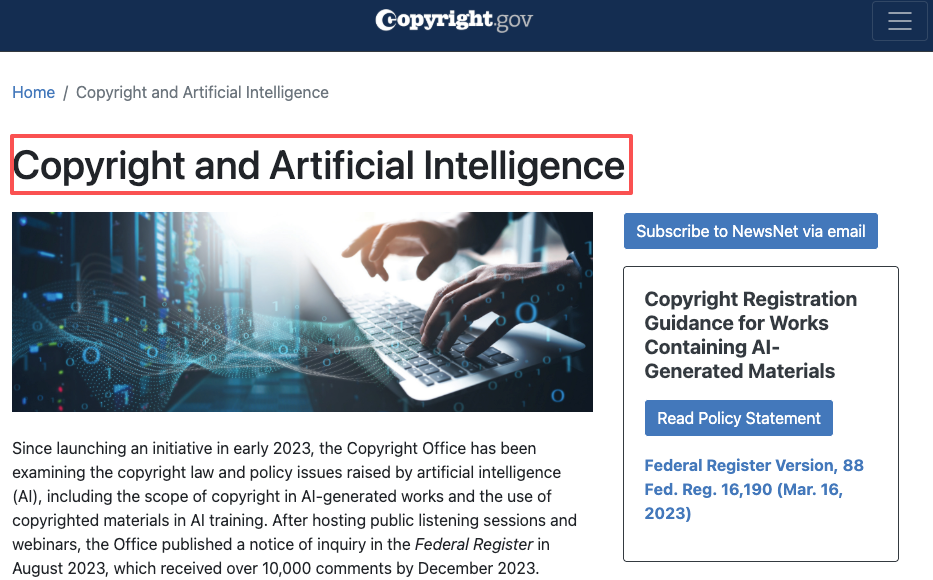
Every visual layer needs a rights check. That includes product photos, model likenesses, logos, music, voiceover, fonts, stock footage, and generated assets. AI output does not automatically clear the source material behind a brief. For U.S. copyright questions, U.S. Copyright Office AI and copyright guidance is a useful reference when teams document human authorship, input materials, and generated elements.
Platform readiness
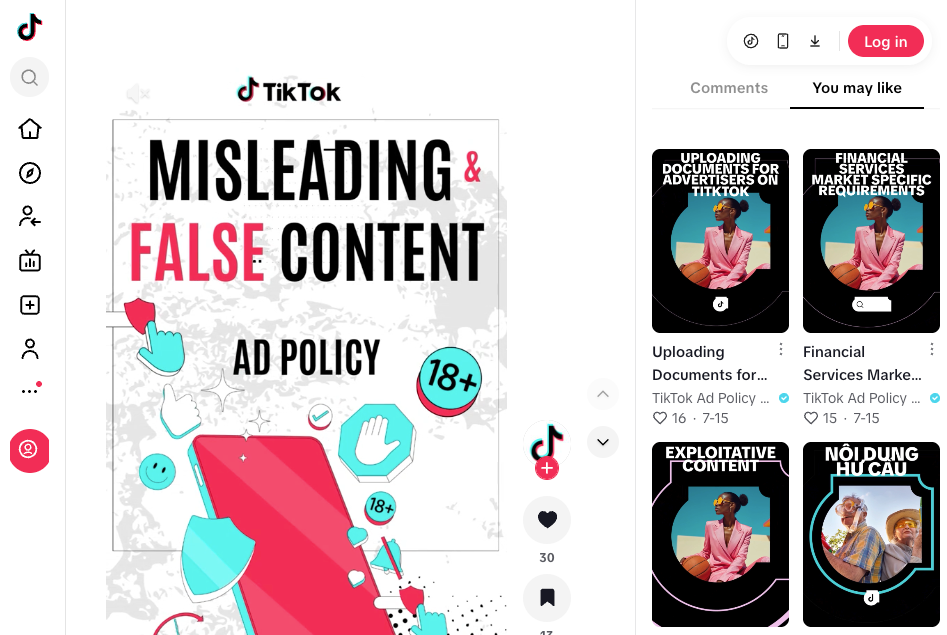
Platform readiness should happen before export. The team should review aspect ratio, captions, disclosure placement, prohibited claims, landing page consistency, and whether the ad creative matches the offer. The Google Ads review process covers ad text, images, video, keywords, and destination checks. For short-form paid social, TikTok misleading and false content policy is a useful reference for claim and representation risk.
Limits Before Publishing
AI can help produce a cinematic marketing draft, but it should not be treated as a one-click final ad system. The biggest limits usually appear in product consistency, fine text, hand interaction, logo accuracy, physics, and claim discipline. Teams should also expect post-generation editing: trimming weak seconds, replacing unclear shots, adding captions, balancing audio, and preparing platform-specific exports.
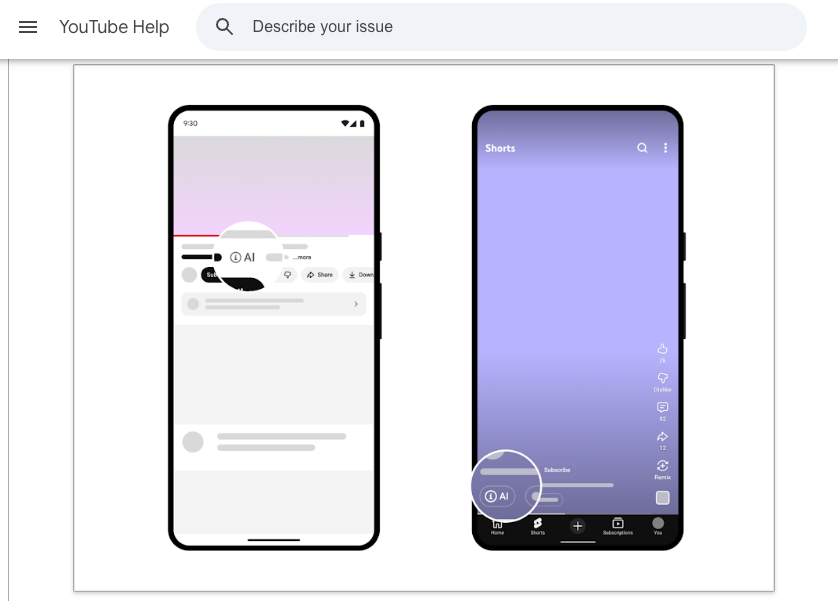
Disclosure can also become part of the video file itself. If realistic synthetic media could affect viewer understanding, YouTube altered or synthetic content disclosure is worth checking before publishing video content. For paid campaigns, the final approval file should connect the product promise, source assets, rights notes, claim review, edit version, export specs, and publishing channel.
FAQ
What happens if product assets are withdrawn after delivery?
Withdrawn assets should be removed from active editing folders, ad accounts, and shared review boards. The team should keep a redacted record showing which versions used the withdrawn asset, who was notified, and whether replacement exports were created. Approved drafts may need to be re-exported if the asset appears in visual frames, captions, thumbnails, or end cards.
How should unused promo variants be separated from approved assets?
Unused variants should live in a clearly labeled archive, separate from approved campaign files. The archive should mark the variant status, reason for rejection, and whether it is safe for future internal reference. This prevents a polished but unapproved AI ad creative from being reused by mistake.
When can a promo concept be reused across campaigns?
A promo concept can be reused when the original client agreement, talent release, product claim review, and platform context allow it. Reuse is safest when the concept is abstract, such as a scene structure or editing rhythm. Reusing a specific face, voice, product claim, or generated product shot needs a fresh rights and accuracy check.
What client feedback should stay with archived drafts?
Archived drafts should keep decision-level feedback, not messy chat fragments. Useful notes include approved hook direction, rejected claim language, required product angles, forbidden visual treatments, caption preferences, and export constraints. These notes help future teams understand the creative decision without reopening every revision conversation.
Conclusion
Creating a cinematic product promo video with AI is less about pressing generate and more about directing a clear workflow. The team defines the promise, plans the visual story, generates controlled directions, reviews motion drafts, checks claims and rights, and exports only the versions that match the product and platform. AI can make product video workflow faster, but the final quality still comes from disciplined creative judgment.
Previous Posts: