Two bids can carry the same total and buy very different videos. One includes a 60-second master, social cutdowns, captions, licensed music, and two review rounds. The other covers a shoot and a basic edit, then charges for everything else. Neither total explains much on its own.
Useful video production pricing starts with scope. Buyers need to see what work happens at each stage, which costs can move, and what triggers a new charge. That turns a production quote from a lump sum into a purchasing decision.
What Video Production Pricing Actually Includes
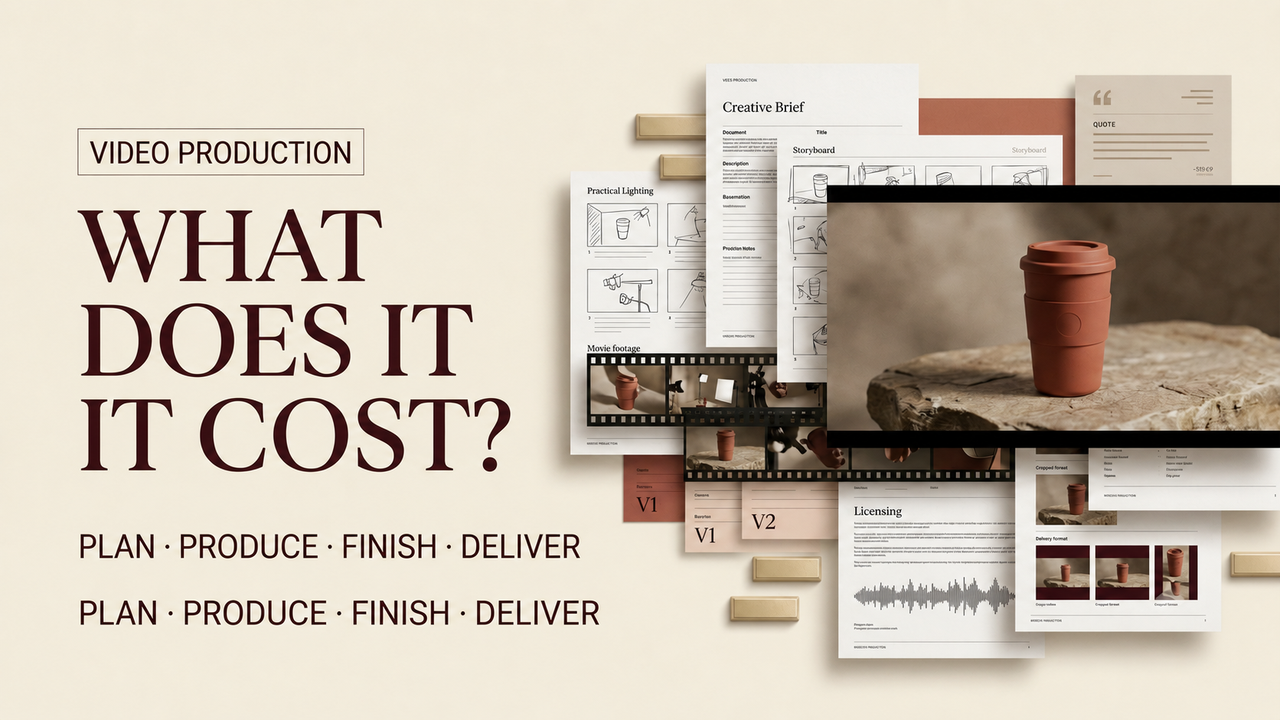
Most budgets divide into planning, production, post-production, rights, and delivery. A 30-second product film with three locations, custom graphics, and paid-media usage can demand more work than a ten-minute interview filmed in one room.
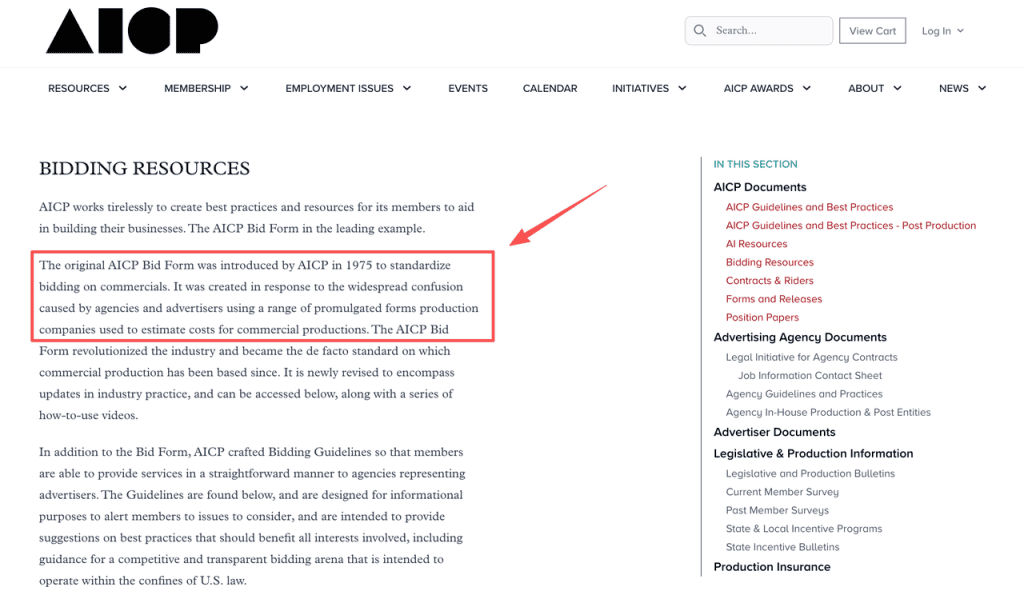
Runtime makes a poor comparison tool by itself. Compare the brief, crew, shoot days, deliverables, usage rights, revisions, schedule, and ownership terms. For commercial work, the AICP Bid Form was built to standardize production estimates and support transparent bidding. A smaller project may use a shorter form, but each supplier should still price the same assignment.
A complete video production cost includes work that viewers never see: scheduling, media management, sound, captions, license checks, versions, and technical exports. If the quote omits those tasks, the buyer may pay for them later through change requests or internal labor.
Build a Stage-by-Stage Production Budget
The table below is an illustrative planning model, not a market average or vendor quote. It uses United States costs in USD, dated September 29, 2026. The scope covers one 60-second 1920 x 1080 master, two 30-second social cutdowns, one local filming day and location, two authorized adult performers, licensed stock music, captions, two consolidated revision rounds, and final masters without source files.
Every unit amount is an author-created assumption that buyers can replace with supplier rates.
| Stage | Recalculable assumption | Cost in USD |
| Discovery and brief | 6 hours x USD 100 | USD 600 |
| Script and preproduction | 12 hours x USD 100 | USD 1,200 |
| Production labor | Producer/director USD 900 + camera/lighting USD 1,100 + sound USD 650 | USD 2,650 |
| Gear and location | Illustrative allowance | USD 900 |
| Talent and release administration | Illustrative allowance | USD 800 |
| AI drafts, stock, and music | Illustrative allowance | USD 450 |
| Editing and three versions | 24 hours x USD 110 | USD 2,640 |
| Two revision rounds | 8 hours x USD 110 | USD 880 |
| Captions, QC, and delivery | Illustrative allowance | USD 480 |
| Subtotal | Sum of stage costs | USD 10,600 |
| Contingency | 10% x USD 10,600 | USD 1,060 |
| Planning total | Subtotal + contingency | USD 11,660 |
This video budget breakdown stays usable when the brief changes. Add a shoot day and update labor, gear, location, and travel. Remove a cutdown and revise editing, captions, and QC. The total follows the work.
Strategy, Script, and Preproduction
Preproduction turns “make a launch video” into an approved job. It may cover the audience, treatment, script, storyboard, shot list, casting, locations, schedule, and delivery notes.
Cutting this stage can move the cost into overtime, reshoots, and editing. The buyer should know how many script versions are included, who approves them, and what happens when product claims change later.
Production Labor, AI Credits, and Asset Licensing
Production labor should show roles, days, hours, equipment, overtime, and travel. Camera and editing may sit under one vendor, yet camera operators capture footage while editors organize material and shape the final content. Do not turn salary data into a freelance day rate; local labor, insurance, gear, payroll, and risk change the quote.
Treat AI credits like rendering: name the use, set an allowance, and state how reruns are approved. An AI video cost can rise when concepts fail review or scenes need regeneration. If CrePal’s AI Director is used to plan video drafts, list its current subscription or credits separately. Do not call it the cheapest option without a like-for-like test and current pricing evidence.
Licensing needs its own row. Talent, stock, fonts, product imagery, and music may carry limits for channel, territory, duration, or paid advertising. In the United States, music used with video can require negotiated rights in both the musical work and the sound recording. A cheap track with the wrong rights is no bargain.
Editing, Revisions, Captions, and Delivery
Post-production can include backup, selects, assembly, graphics, color, sound, captions, cutdowns, feedback, exports, and QC. Ask whether each revision round means one consolidated note set or separate passes for every stakeholder.
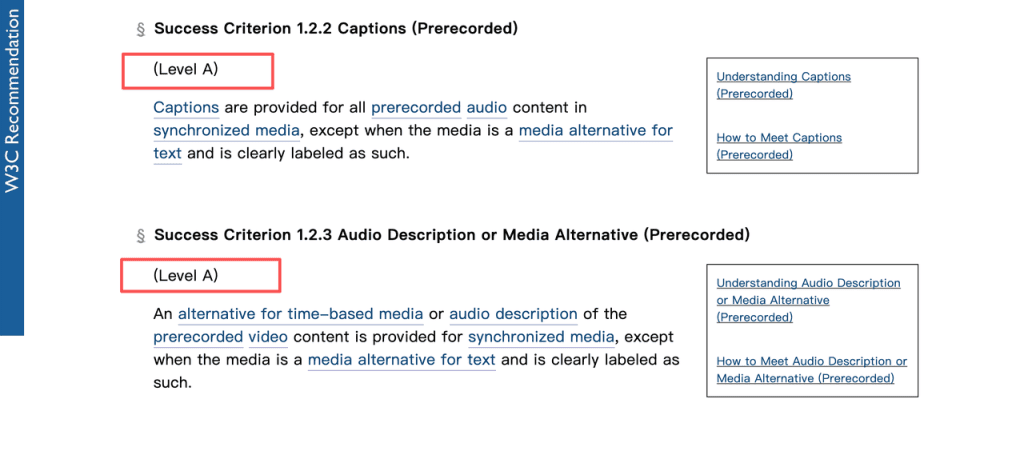
Captions belong in scope before delivery. For web content that follows WCAG, prerecorded audio in synchronized media requires captions at Level A. Identify the language, format, reviewer, speaker labels, and whether delivery includes burned-in and sidecar files.
Read a Production Quote Line by Line
A good quote connects each charge to a deliverable or assumption. Check the legal entities, project, currency, tax treatment, quote date, validity period, schedule, and payment terms. Then match each section to the approved brief.
Do not compare totals until scopes match. One bidder may include audio cleanup, three aspect ratios, and storage; another may price only the landscape master. Delivery requirements can reverse the apparent saving.
Separate Fixed Deliverables From Usage-Based Costs
Fixed items need a visible boundary: one filming day, one approved script, three files, or two consolidated revision rounds. Usage-based items move with time or consumption, including overtime, travel, rendering, AI credits, storage, added languages, licenses, and talent extensions.
Ask for a unit rate or approval rule for every variable item. “AI generation allowance: USD 450” works only if the quote names who can approve more and whether failed renders count. Apply the same test to mileage, edit hours, and rush work.
Identify Assumptions, Exclusions, and Change Requests
Assumptions explain when the price works: products arrive on time, the location is available, and one decision-maker returns consolidated notes. Exclusions should name reshoots, claim review, translation, raw footage, project files, or platform uploading.
Before extra work begins, the supplier should record the scope change, added cost, schedule effect, and approver. Procurement should also distinguish client delay from supplier rework caused by missing the approved brief.
Find the Costs Hidden Outside the Quote
The invoice rarely captures the buyer’s full spend. Staff still review scripts, find products, clear claims, issue purchase orders, and attend edits. Hosting, localization, ad trafficking, archive recovery, and future resizing may start after delivery.
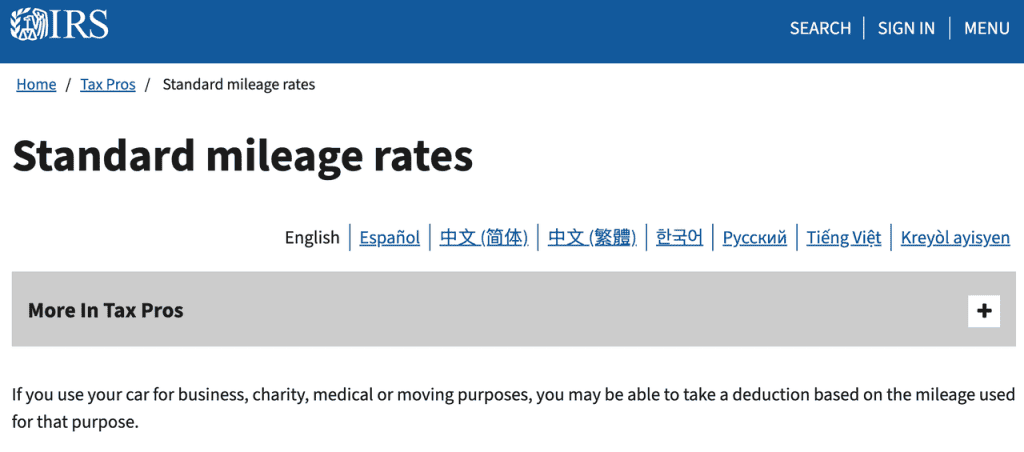
Travel deserves a date and rule. As one U.S. reference point, the IRS business mileage rate is USD 0.76 per mile from July 1 through December 31, 2026. It does not set vendor prices; it shows why “mileage included” needs a distance, period, and basis.
Also check payment fees, currency conversion, tax, insurance, permits, drives, and storage. Synthetic media adds review work. Use rights-cleared inputs, and never present a generated person as a real customer, employee, or expert.
Use a Procurement Checklist Before You Buy
My practical rule is to read the quote once as a creative brief and once as a contract. Can the work produce the intended video? Who pays when reality moves?
| Check | What procurement should confirm |
| Scope | Runtime, versions, aspect ratios, captions, review rounds, source files, and delivery date |
| Money | Currency, taxes, deposits, overtime, variable allowances, contingency, and payment fees |
| Rights | Talent releases, music, stock, fonts, territory, channels, term, and synthetic-media disclosure |
| Change control | Approval owner, revision boundary, delays, reshoots, cancellation, and written change orders |
| Evidence | Quote version, statement of work, licenses, releases, invoice trail, and final delivery manifest |
Give every bidder the same brief and ask them to restate anything they cannot price yet. Open allowances are more useful than false precision. This article provides general procurement information, not legal, tax, or accounting advice.
FAQ
What documentation should accompany a deposit invoice?
Keep the accepted quote or statement of work, purchase order, invoice number and date, legal names, tax details, milestone, currency, payment terms, and bank instructions together. Show how the deposit applies to the contract total. Verify changed bank details through a separate trusted channel.
Who normally owns project files after delivery?
The contract decides. Payment for masters does not automatically transfer raw footage, edit timelines, graphics, fonts, plug-ins, or third-party assets. Name each file category, transfer method, reuse limit, and archive period. If ownership transfers, confirm when and whether the licenses travel with it.
How should cancellation fees be handled?
Use a written schedule tied to timing and committed cost. Separate nonrefundable bookings, completed labor, cancellation charges, and the refundable balance. Cover postponement, weather, illness, and the life of a rescheduled booking. Local counsel should review the clause.
What payment schedule is common for production work?
Many projects use a deposit, a production or first-cut milestone, and a balance before final release. There is no universal split. Larger jobs may add milestones for early crew, location, talent, and license commitments. Tie each payment to a date or accepted deliverable and cover late approval.
How should taxes and currency conversion be recorded?
Record invoice currency, tax type, taxable base, rate, and tax amount separately. Save the exchange-rate source, date, converted amount, and bank fees. Agree who absorbs currency movement between quote, deposit, and final payment. Ask an accountant how to record it in the entity’s base currency.