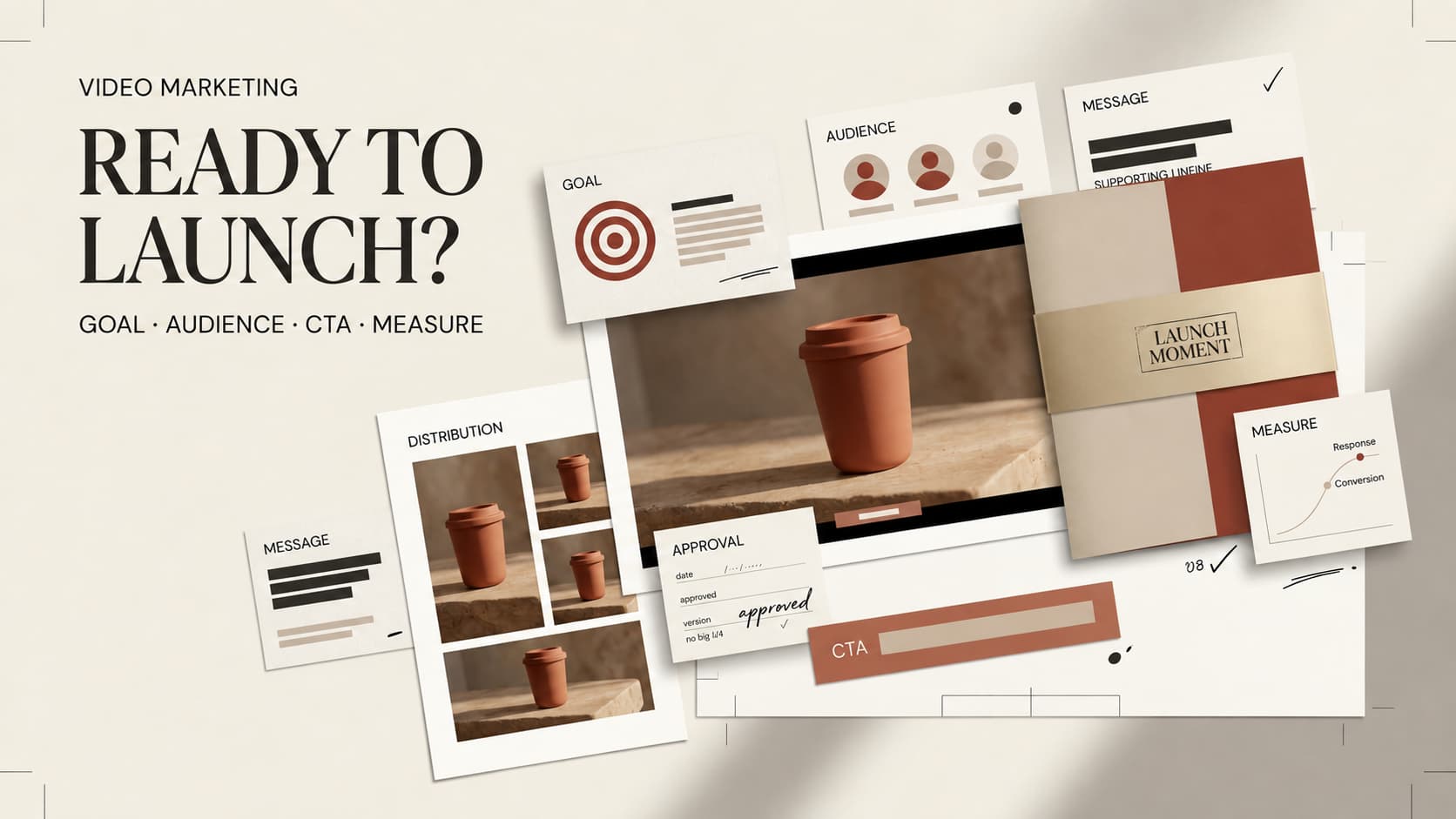
A polished video can still be a weak campaign asset. The usual failure is a decision gap: production began before the team agreed what one audience should understand and do next. A useful video marketing checklist follows that decision from brief to launch, working as a video campaign checklist that separates approval from measurement.
Consider the fictional five-person team at Northline Lunchware. It is launching a modular lunch set with a short social video and product-page edit. This is an illustrative workflow, not a reported client result.
Define the Campaign Decision Before Making the Video
The first checkpoint is a one-sentence decision. Northline’s is: “Show office commuters how three containers fit into one compact tote, then send interested viewers to the product page.” If production, media, and product interpret it differently, wait.
Set One Audience, One Goal, and One Next Step
“Busy people” is not an audience, and “engagement” is not a clear goal. Northline chooses office commuters who carry lunch in a small bag, with qualified product-page visits as the goal. Its next step is “See the set,” not four competing actions.
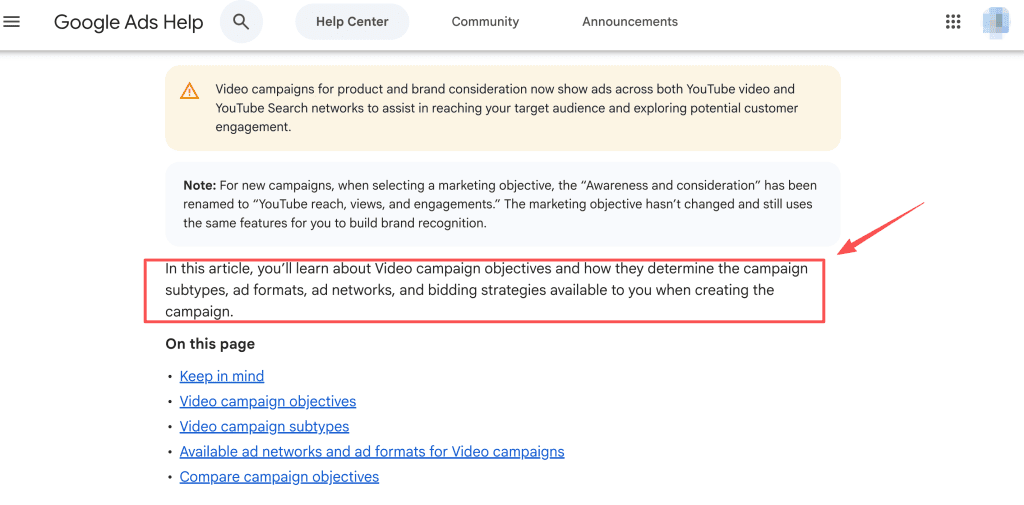
This choice also controls the video CTA and measurement plan. A reach campaign might prioritize qualified reach and frequency, while a traffic campaign needs a clear destination and reliable click tracking. In Google Ads, the selected video campaign objective affects available formats, networks, and bidding options, so the distribution setup cannot be treated as an afterthought.
Match the Message to the Distribution Channel
Write the channel into the video marketing plan before scripting. A vertical placement needs a fast visual premise, readable overlays, and safe framing. A product-page version can explain the stacking more slowly. The message stays stable; pace, crop, caption size, and CTA timing may change.
Northline therefore plans a short vertical cut and a quieter product-page edit from the same approved claim set. This is not one master file cropped at the last minute. Each version has a defined placement, duration, destination, and owner.
Build the Brief and Production Inputs
The brief should contain enough evidence to stop the creative team from improvising product facts. It should also show which materials are approved, restricted, or still waiting for permission.
Gather Claims, Proof, Brand Assets, and Rights
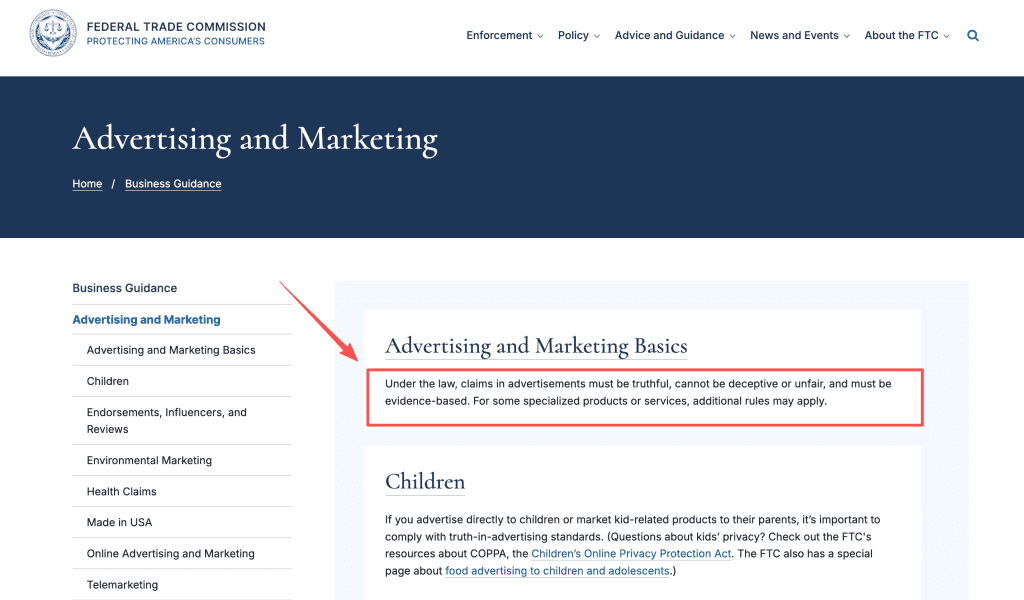
Northline wants to show that three containers nest inside its tote. The product team supplies the current dimensions, an approved physical sample, and footage proving the fit. Marketing avoids broader claims such as “never leaks” unless suitable testing supports them. Advertising claims must be truthful, non-deceptive, and backed by evidence; additional rules may apply by product and region.
Pair every logo, font, image, music track, voice, testimonial, and likeness with its source and permitted use. Synthetic media cannot stand in for a real customer, employee, or expert. On YouTube, realistic generated or meaningfully altered scenes may require AI-content disclosure during upload. Check every target platform and region separately. This workflow is not legal or platform-compliance advice.
Turn the Brief Into a Scene Plan
Each scene should earn its place. Northline opens with an overcrowded tote, shows the three containers nesting, demonstrates the packed result, and ends on the product page CTA. Every scene carries a message job, approved asset, duration, on-screen text, and evidence source.
CrePal currently supports turning a concept or script into a scene-by-scene plan with chat-based revisions. That can move the team from brief to draft, but it does not replace claim approval, media buying, platform setup, or analytics. Confirm current access, exports, licensing, and account behavior before adoption.
Review the Draft Before Launch
Pre-launch review asks whether the asset is accurate, understandable, authorized, and technically ready. It does not ask whether the campaign worked; no performance evidence exists yet.
Check Clarity, Brand Fit, Captions, and Calls to Action
Watch once without sound and once without looking at the description. Can a new viewer identify the product, understand the nesting demonstration, and find the next step? Check that the spoken claim, visual proof, overlay, landing page, and video CTA tell the same story.
Captions need more than a spelling pass. They should match speech, identify meaningful sound, stay synchronized, and avoid covering the product or controls. The accessibility standard for prerecorded media calls for captions that represent relevant speech and non-speech audio. Brand review also covers logos, colors, tone, product appearance, and visible disclosures.
Prepare Versions, Owners, and Approval Dates
A usable campaign launch checklist names who can approve each risk. Northline’s product owner signs off claims, the brand lead approves design, and the campaign manager owns destinations, tracking, platform settings, and timing. A final approver records the cleared file version.
| Checkpoint | Pass condition | Owner |
| Claims | Wording matches available proof | Product owner |
| Creative | Brand, captions, CTA, and product are correct | Brand lead |
| Delivery | Placement-specific files open and play correctly | Producer |
| Campaign | Destination, tracking, audience, and dates are confirmed | Campaign manager |
| Release | Approved filename and approval date are recorded | Final approver |
Approval must cover the actual variants, not a nearly identical master. A changed caption, crop, music track, CTA, or end card can create a new review requirement.
Launch and Measure What Matters
Launch begins after the destination works, approved creative is attached to the right campaign, and measurement is tested. First monitor delivery, broken links, rejected placements, caption problems, and unexpected comments. Performance conclusions come later.
Connect Each Metric to the Campaign Goal
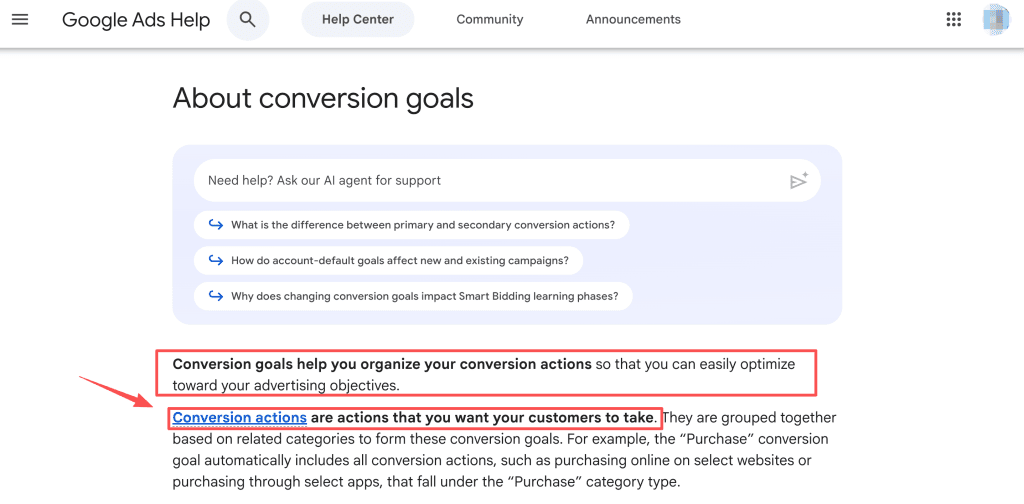
Northline chose qualified product-page visits, so views and completion help diagnose delivery and creative attention, but they do not prove product interest or sales. The primary readout should connect the campaign to the defined landing-page action. Google Ads distinguishes conversion goals from the concrete conversion actions used for reporting and optimization, which is a useful reminder to configure the intended action before launch.
Do not move the success rule after seeing the dashboard. Compare the agreed metric with its baseline, time window, audience, spend, and concurrent promotions. A strong completion rate can justify studying the opening and pacing; it cannot, by itself, support a revenue claim. Post-launch measurement should create the next test, not rewrite what the campaign originally promised to achieve.
FAQ
How should a checklist change for an evergreen video?
Add review triggers rather than a single campaign end date. Assign owners to recheck prices, product screens, claims, links, talent permissions, music licenses, disclosures, and platform specifications whenever one changes or at a scheduled interval.
How early should localization be planned?
Plan it during the brief. Translated copy can change timing, line length, voiceover duration, legal wording, and on-screen layout. Reserving visual space and clean audio stems early is safer than forcing another language into a finished cut.
What belongs in a video campaign naming convention?
Use stable fields such as campaign, audience or market, channel, aspect ratio, duration, language, creative concept, version, and approval status. Avoid labels like “final-final” because they do not identify what changed or what was approved.
How should a team archive source files and approvals?
Keep the brief, scripts, raw and generated assets, licenses, claim evidence, project files, exports, approval records, and launch settings together. Restrict access to sensitive materials and document retention or deletion dates.
When should a campaign video be retired or refreshed?
Retire it when a claim, offer, product view, license, spokesperson permission, destination, or platform rule is no longer valid. Refresh it when the decision remains sound but performance evidence identifies a specific creative weakness worth retesting.