I don’t make adult content — but I get asked about it constantly, so I finally did the boring homework.
Dora here. I review AI video tools for a living. And barely a week passes without someone in my DMs asking which nsfw ai video generator is “the good one.” So instead of the part people actually want me to test, I sat down with the part nobody reads: the policies, the new laws, the account-ban stories.
Here’s my honest take up front. The tool you pick matters far less than the legal and platform rules wrapped around it. In 2026 those rules grew real teeth. This isn’t a “best tools” list — it’s a map of what these tools are, where the category splits, what can actually get you fined or banned, and the safer paths if you just want to ship creator-facing video without stepping on a landmine.
30-second version: “NSFW” is a search label, not a product class. Mainstream platforms ban explicit output. The biggest risks aren’t quality — they’re real-person likeness, non-consensual imagery law, and losing your account and your footage. If your work faces an audience, treat compliance as a feature.
What an NSFW AI Video Generator Means
NSFW just means “not safe for work” — a loose umbrella for sexual, graphic, or otherwise mature material. As a search term, “nsfw ai video generator” mostly describes intent, not a specific category of software. People typing it are usually looking for tools that won’t refuse a mature prompt.
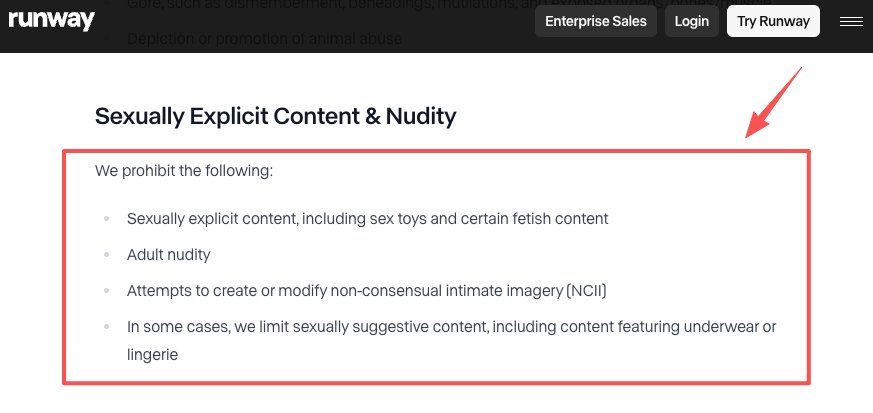
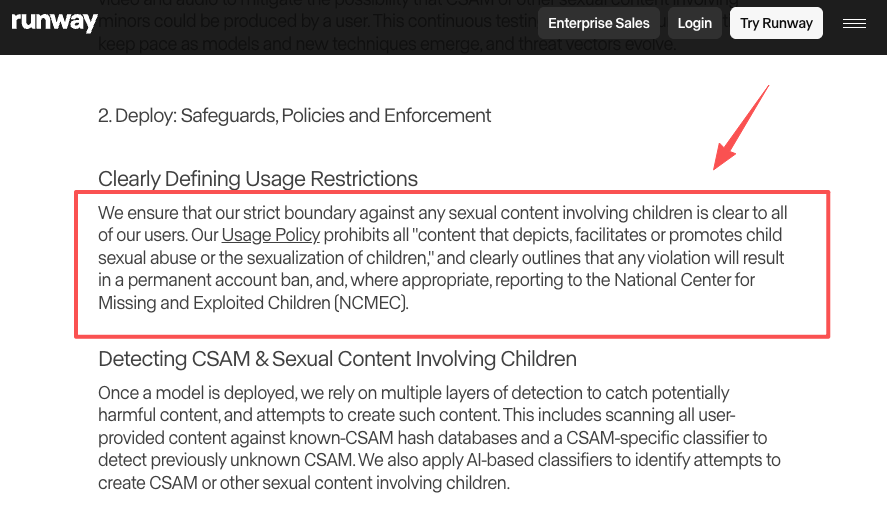
That splits the market into two very different worlds. On one side sit the mainstream platforms, which draw a hard line. Runway, for example, spells it out in its usage policy that prohibits sexually explicit content and reserves the right to suspend your account for violations. On the other side sit niche or self-hosted setups that strip those guardrails out. So when someone pictures an nsfw ai video tool, they’re almost always picturing something outside the big-name stack.
I’m not going to rank explicit tools here. What’s actually useful is understanding the categories, the boundaries, and the risk that rides along with each one.
Tool Categories Creators Search For
When people search for a nsfw ai video maker, they’re usually landing on one of three workflow types. The differences matter, because the risk profile changes with each.
Text-to-video
You type a prompt, the model renders a clip. This is the most “magic” feeling and the most filtered. Mainstream text-to-video models scan both your prompt and the output, so explicit requests get blocked before anything renders. Tools marketed for mature nsfw ai videos in this category tend to be smaller, less stable, and far more opaque about who runs them and what they do with your data.
Image-to-video
You feed in a still image and the model animates it. This is where the real danger lives — because the moment you upload a photo of an identifiable person, you’ve walked into deepfake territory. If you want the mechanics without the risk, see how image-to-video pipelines actually work. The technique itself is neutral. Pointing it at a real person without consent is where law and ethics both stop being optional.
Local workflows
This is where a lot of “uncensored” searches end up: open-source models run on your own machine, with no server-side moderation in the loop. People assume local means consequence-free. It doesn’t. Removing a platform’s filter removes the filter — not the law. And one line never moves no matter what setup you run: any sexual content involving minors is illegal everywhere, full stop. Mainstream tools treat this as their deepest commitment — Runway’s approach to child safety reports CSAM to the National Center for Missing & Exploited Children and permanently bans accounts. No local install changes that reality.
Policy and Moderation Risks
Okay, this is the part that actually keeps me up at night — and the reason I wrote this instead of a tool roundup.
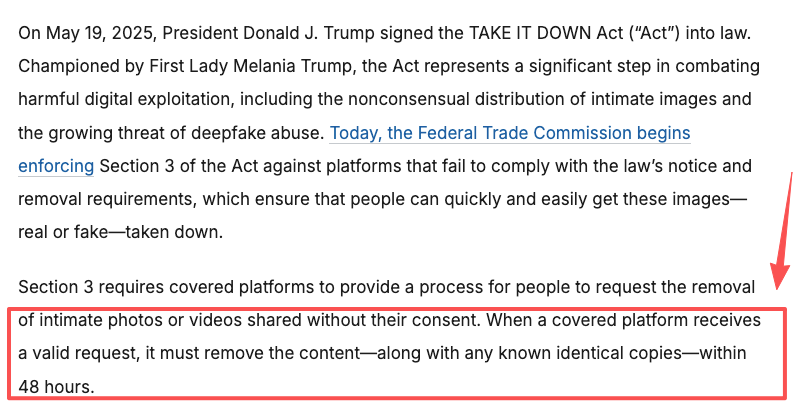
The single biggest legal shift is around non-consensual imagery. In the U.S., the FTC began enforcing the TAKE IT DOWN Act in May 2026. A few specifics worth knowing before you assume this doesn’t apply to you:
- Who it covers: The law applies to platforms that host user-generated content, not just the person who creates the image. If you publish on a covered platform, that platform is on the hook for removal — but the creator is still liable for the underlying act.
- What counts as a violation: Publishing, or threatening to publish, intimate visual depictions of an identifiable person without their consent. “Intimate” is defined to include sexual conduct and exposed private body parts. “Digital forgeries” — AI-generated images that depict a real person in these scenarios — are explicitly included.
- The 48-hour rule: Covered platforms must remove flagged content within 48 hours of a valid request. This is the compliance clock, not a grace period for creators.
- Who it doesn’t cover: Private messages not intended for distribution, and content where the depicted person has given documented consent. Consent is the clearest safe harbor — and it needs to be documented, not assumed.
Scope note: This applies to US federal law. State-level deepfake laws exist in California, Texas, Virginia, and others, with varying definitions and penalties. Non-US creators should check their own jurisdiction — the EU framework below is a separate track.
Then there’s disclosure. Under the EU AI Act, Article 50 transparency obligations apply from August 2, 2026. What this means in practice:
- Who it targets: Deployers of AI systems that generate or manipulate image, audio, or video content — including deepfakes.
- What’s required: Content that depicts a real person saying or doing something they didn’t say or do must be disclosed as artificially generated or manipulated. The label needs to be machine-readable and visible to the end user.
- Exemption: Content used for legitimate artistic, satirical, or journalistic purposes may be exempt — but “I didn’t mean to deceive” is not an exemption.
- Who enforces it: National market surveillance authorities in each EU member state. Penalties follow the AI Act’s tiered structure.
Scope note: Article 50 applies to content distributed to EU audiences regardless of where the creator is based. If your video reaches European viewers, the labeling obligation follows.
And honestly, the most common way creators get burned is the least dramatic: account loss. Most platforms reserve the right to ban you with no refund, and many train on your inputs and outputs by default. Run an nsfw ai video request through a mainstream service and you can lose the account and the work in one shot. The smaller “uncensored” tools rarely tell you where your uploads go at all — which, to me, is its own red flag.
Safer Alternatives for Visual Production
If your real goal is shipping video that an audience or client will see, here’s the boring-but-bulletproof path I actually follow.
Stay on platforms with clear, published policies — yes, even though they say no to explicit content — because clarity is what protects you when something goes sideways. Keep mature themes suggestive rather than explicit, and never build around a real person’s face or voice without documented consent.
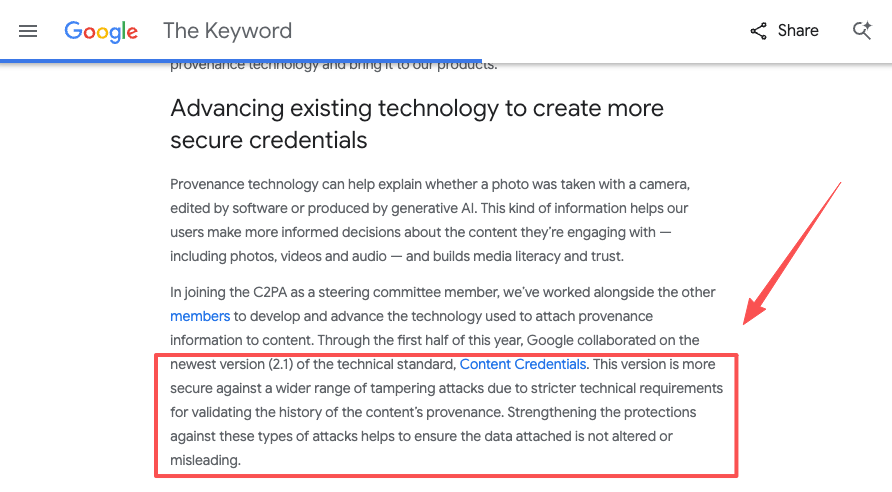
Lean into provenance instead of fighting it. Content Credentials, the labeling system built on the C2PA standard, attach a tamper-evident record of how a clip was made. As Google has explained about joining the C2PA effort, this kind of “nutrition label” for media helps viewers know what they’re looking at — and it lines up neatly with the EU labeling rules above. Getting in the habit now beats scrambling later.
For volume work, an orchestration-style workflow — where one agent handles scripting, generation, editing, and export inside compliant guardrails (the lane tools like CrePal sit in) — keeps you fast without dragging you into risky tooling. If you want a structured way to vet anything before you touch it, I keep a running safety checklist for mature AI tools.
FAQ
What is an NSFW AI video generator?
It’s a search-and-marketing label, not a defined product class — which is exactly why it’s confusing. The phrase tells you what a tool won’t refuse, but nothing about whether it’s legal to use, who operates it, or what happens to your uploads. “Uncensored” and “lawful” are completely separate axes, and plenty of tools wearing the first label fail badly on the second.
How do NSFW AI video tools usually work?
Mechanically, most follow the same pipeline: a prompt or image goes in, a diffusion or transformer model renders frames, and a moderation layer scans inputs and outputs. Mainstream services run that scanning on both ends and often hash-match against known harmful content. The “uncensored” variants mostly just delete that middle moderation step — usually by running locally — which changes what the tool blocks but not what the law allows. Always confirm current behavior against the platform’s latest official documentation, since moderation systems change often.
What risks should creators check before using mature video tools?
Run this checklist before you generate anything: read the terms for an explicit-content clause; confirm whether your inputs and outputs are used for model training and whether an opt-out exists; verify your own jurisdiction’s deepfake and non-consensual-imagery rules; get written consent for any real person’s likeness; and check who actually owns the output and whether commercial use is allowed. Because rules and pricing tiers shift, treat every answer as provisional and verify against the official documentation before you rely on it.
Which workflow is safer for creator-facing video production?
For anything an audience or client will see, the safer move is to treat a compliant platform plus provenance labeling as part of the deliverable, not an afterthought. Suggestive-but-not-explicit themes with zero real-person likeness can usually run fine on mainstream tools; the moment you need actual explicit output or a real face, you’re outside their terms and into legal exposure. Keep consent records, label AI content at first exposure, and — you guessed it — check the platform’s latest official documentation, since what’s permitted gets updated regularly.
Conclusion
After all the reading, my position is pretty simple: the question isn’t which nsfw ai video generator is best, it’s whether the thing you’re making is legal, consensual, and labeled. In 2026 those three words decide everything — the tech is the easy part.
So before you go chasing an “uncensored” setup, do the five-minute version of what took me a week: skim the terms, check your local deepfake law, and never build around a real person without consent. If you’re producing for an audience, pick the boring compliant lane and add provenance. It’s slower for about a day and saves you from the kind of mistake you can’t undo.
Previous posts: