I burned a stack of credits testing where Kling draws the line — here’s what actually happens, no bypass tricks, just the policy reality.
Leo here. Last month a client asked me to make a moody, “edgy” perfume ad — dim lighting, a model in evening wear. Nothing remotely explicit. Kling AI blocked it twice before I rephrased the wardrobe. Tat’s the thing nobody tells you about the Kling AI NSFW question: it’s not just about porn. The filter is wide, it’s twitchy, and if you don’t understand it, you’ll waste a morning watching “Generation Failed” pop up over a cocktail dress.
So this post is the straight answer — does Kling allow it, where to verify the rules yourself, and what to reach for when a platform’s content rules don’t fit your workflow. No prompt hacks. I don’t write those, and honestly they don’t work reliably anyway.
The Short Answer on Kling AI NSFW
No. Kling AI does not allow NSFW content. It runs a zero-tolerance policy that blocks nudity, sexual themes, and graphic gore, and there’s no “adult mode” toggle hiding in the settings.
What surprised me when I dug in: because Kling is built by Kuaishou, a Chinese company, the moderation goes beyond sexual content. Reporting on the platform’s moderation describes filters that hit political sensitivity and heavy violence with roughly the same intensity as explicit material. So “safe” here means a fairly conservative, PG-13-ish ceiling — mild romance and normal clothing are fine, anything suggestive gets denied.
Here’s the part that actually costs you money: the filter throws false positives. Swimwear, horror scenes, a fitness clip — all get flagged sometimes, and a blocked render can still eat credits. That’s the real pain, not the policy itself.
Where to Check Kling AI Content Rules
I’ll be blunt — don’t trust a blog (including this one) as your final word on policy. Policies shift, and what was true when someone wrote their guide may not hold next quarter. Check the source. Please always defer to Kling’s official latest documentation. Here’s where to look.
Community guidelines
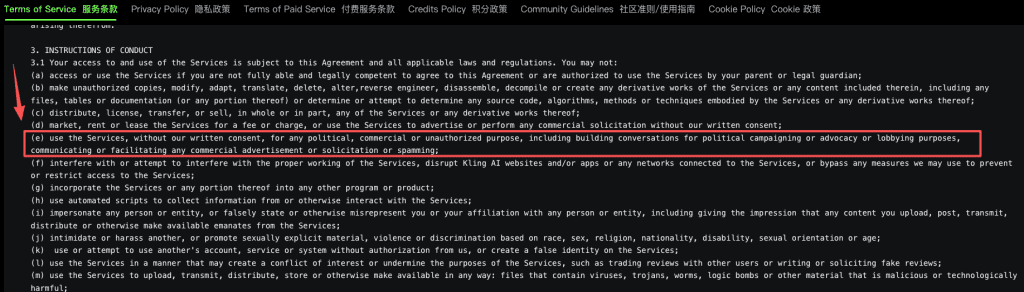
Kling’s Community Guidelines spell out the behavioral side — what content categories are off-limits and what gets accounts flagged. When you accept Kling’s terms, you’re agreeing to the Community Guidelines as a binding part of the agreement, so this isn’t optional fine print. Read the prohibited-content section before you plan any borderline project.
User policy and terms
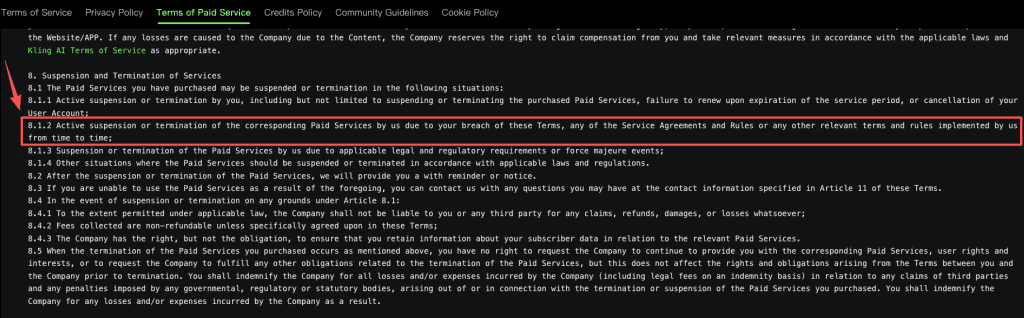
The Kling AI Terms of Service and User Policy cover the legal contract — acceptable use, account termination, and the fact that Kling can suspend or withdraw services without notice. One line that matters for paying users: the paid service terms make clear you’re responsible for compliance, and a violation can cost you both the account and the credits in it.
Policy changes over time
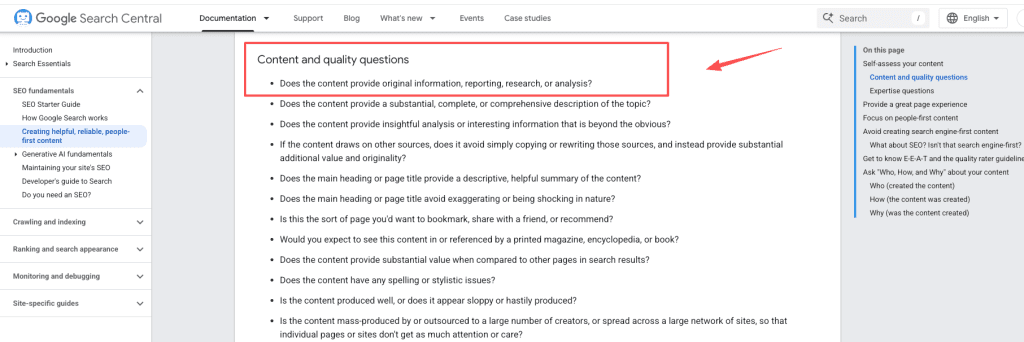
This is the one creators forget. AI platforms update moderation constantly — the model behind the scenes gets retrained, filters get tuned, and a prompt that worked in January quietly fails in March. I’ve watched it happen. Treat any policy claim with a date attached, and re-verify against the official docs before a real deliverable. Google’s own guidance on creating helpful, reliable content makes the same point about trusting primary sources over secondhand summaries — good advice for policy, not just SEO.
What Video Creators Usually Look For
When people ask the Kling question, they’re usually not after explicit material. From the projects I see in my group chats, the real asks are things like:
- Mature themes for storytelling — a tense thriller scene, a noir mood, dramatic violence that’s narrative, not gratuitous.
- Fashion and beauty — swimwear, lingerie campaigns, anything that shows skin in a commercial context.
- Artistic or cinematic edge — body horror, surreal imagery, the stuff that wins short-film awards.
The frustrating reality is that Kling’s filter doesn’t distinguish intent well. A “Renaissance nude” framing or an “anatomical study” prompt isn’t a clever workaround — reporting suggests the defenses have gotten dynamic enough to catch those, and pushing it risks a silent shadow ban where even innocent prompts start failing. I wouldn’t gamble a working account on it.
Safer Alternatives for Policy-Sensitive Workflows
So what do you do when a platform’s rules keep colliding with legitimate creative work? Here’s where the nsfw ai video generator question gets murky — a lot of tools market themselves as more permissive, and many of them are sketchy, legally risky, or outright unsafe. I don’t recommend chasing “uncensored” video tools; the ones promising no limits tend to have the worst data practices.
A smarter move when you need an ai video generator nsfw allowed for genuinely mature (but legal) storytelling: pick platforms with clear, published content policies rather than vague promises, and verify the rules before you commit a project. Western platforms sometimes permit artistic nudity that Kling won’t — but “sometimes” is doing heavy lifting, and you have to read each one’s actual terms.
My practical workflow when a tool blocks legitimate work:
- Rephrase around craft, not skin — describe lighting, wardrobe, camera movement, mood. Often the block was a wording issue, not a real policy wall.
- Match the tool to the job — use a more permissive image model for base characters where allowed, then animate within a stricter video platform’s rules.
- Read the terms first, generate second — every blocked render on a credit-based platform is money gone.
If you’re weighing the broader risk profile of permissive tools, I keep a running breakdown over on the video tool risks page, and a fuller safety framework on the NSFW AI tools safety hub. Worth a read before you sign up for anything promising “no restrictions.”
FAQ
Why does Kling AI block even mild or artistic content like swimwear or fashion shots? Kling’s filters are deliberately conservative and often over-sensitive. Even non-explicit content (swimwear, evening wear, artistic nudity, or dramatic scenes) can trigger blocks due to keyword matching, image analysis, or output review. Rephrasing to focus on lighting, camera movement, and mood sometimes helps, but results vary.
Does using Kling AI for borderline content risk account suspension? Yes. Repeated violations or attempts to bypass filters can lead to temporary restrictions, credit loss, or permanent account bans. The platform logs attempts and enforces strictly, especially on paid plans.
Are there any official ways to generate more mature or cinematic content on Kling? No adult mode exists. The safest approach is to keep content clearly PG-13, use neutral descriptions, and test small batches. For edgier storytelling, most creators switch to more permissive (but still compliant) alternatives or combine tools (e.g., generate base with another model, then refine).
How reliable is Kling AI’s content moderation in 2026? It’s strict but inconsistent. False positives are common, wasting credits. Moderation tightened throughout 2025–2026 to comply with regulations, making it one of the stricter video platforms. What should I do if my prompt keeps getting blocked on Kling? First, rephrase using cinematic/technical terms (e.g., “soft lighting, slow camera pan, elegant evening attire” instead of focusing on the body). If it still fails, simplify the scene or switch to a different tool. Always check the official Community Guidelines before scaling.
Conclusion
The honest takeaway on Kling AI NSFW: it’s a hard no, the filter is broader and twitchier than most people expect, and there’s no reliable trick around it. If your work lives in the mature-but-legal zone, Kling probably isn’t your tool — and that’s fine, knowing it upfront saves you a stack of wasted credits.
Before you start any policy-sensitive project, do the boring thing: open the official docs, read the prohibited-content section, and check the date on whatever guide you’re reading. Then go make something. If you’ve hit a weird false-positive block on Kling lately, drop it in the comments — I’m collecting them.
Precious posts: