Leo. Last month a client messaged me: “Make something like that Coke Christmas ad, but for us, by Friday.” I laughed. Then I stopped laughing — because that brief is exactly how small teams walk into trouble with AI in ads. In the span of one holiday season, two of the biggest brands on earth shipped AI-generated spots, and both got roasted online. So before you copy anyone, here are the viral AI ad lessons I actually trust after pushing a few of these workflows through real client projects.
Short version: those ads went viral for being talked about, not for being good. Those are very different goals, and confusing them is expensive.
Why AI-Generated Ads Went Viral
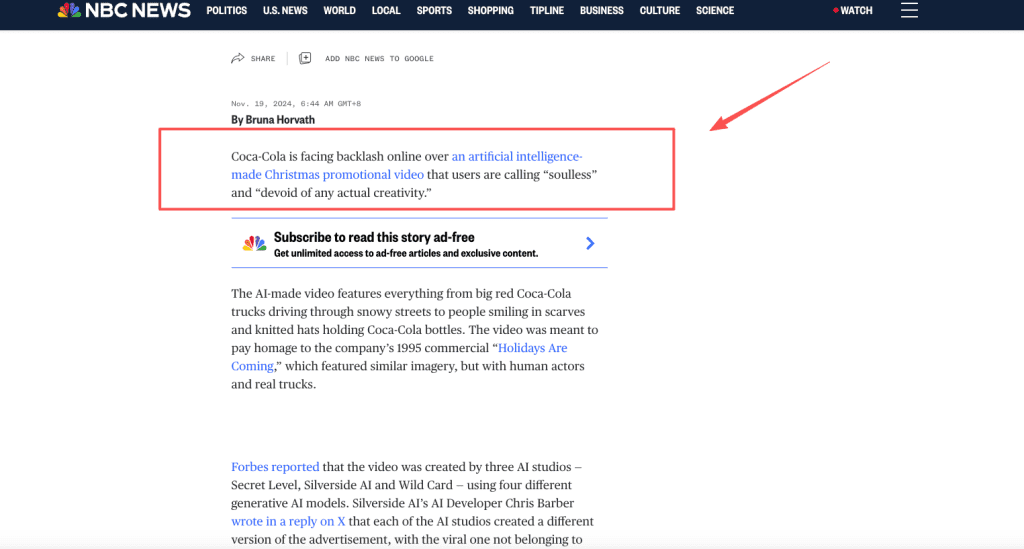
Coca-Cola kicked this off in 2024 with an AI remake of its classic “Holidays Are Coming” spot. NBC News reported that viewers called it “soulless,” and the gliding truck wheels and uncanny faces became the story instead of the soda. It went viral — as a cautionary tale.
Here’s the part people miss: the reach came from friction, not delight. A massive brand using AI on a beloved tradition is a fight people want to have. That’s free distribution, sure. It’s also your brand becoming the punchline. For a creator, that distinction is the whole game.
What Viral Brand AI Ads Teach Creators
These are the viral AI ad lessons worth keeping — pulled apart by what each one actually teaches.
Visual novelty
The 2025 Coke campaign swapped humans for animals to dodge the uncanny valley — polar bears, sloths, and that AI-generated Coke ad panda everyone screenshotted. Adweek noted the animal swap was a deliberate creative-and-technical move to avoid lifelike faces. Lesson: AI shines on novel surfaces — creatures, surreal worlds, things you can’t shoot on a budget. Use it where novelty is the point, not where photoreal accuracy is.
Fast iteration
That 2025 Coke ad reportedly came from around 70,000 generated clips. Read that again. That’s not “AI saves time” — that’s an industrial foundry. The real takeaway for small teams is almost the opposite: AI’s speed only pays off if your selection process is tight. I think of the model like an intern who never sleeps. It’ll hand you 200 takes overnight, but you’re still the one who has to say “this one, kill the rest.” Skip that step and you just ship more mediocre footage, faster.
Brand risk
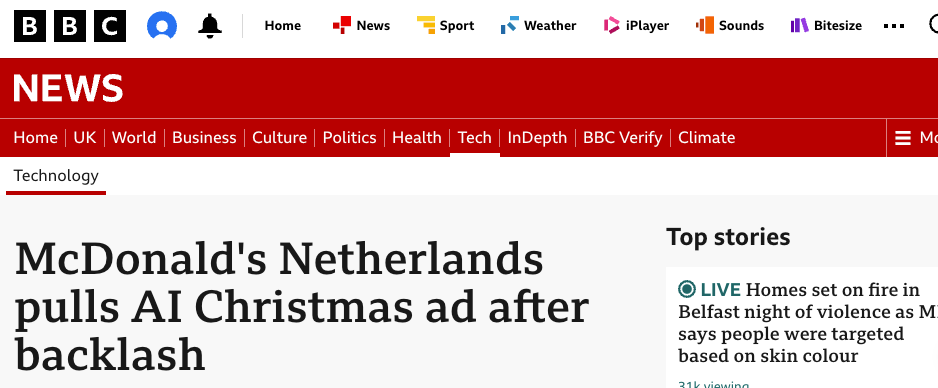
Then McDonald’s Netherlands released “It’s the Most Terrible Time of the Year” and yanked it within days. The BBC reported it came down after backlash over both the AI look and the joyless tone. The McDonald’s AI ad failed twice: shaky execution and a message that fought the season. AI didn’t cause that — a weak idea did. AI just made it cheap to ship the weak idea at full speed.
What Small Teams Can Actually Apply
Good news: you’re not Coca-Cola, and that’s an advantage. You don’t have 30 years of nostalgia to betray. You also don’t need an AI ad agency or a 70,000-clip budget — you need a repeatable loop.
Here’s mine, stripped down:
- Start from one clear idea, not a prompt. The idea survives; the prompt is disposable.
- Generate in batches, cut ruthlessly. Treat 90% as garbage. That’s normal, not failure.
- Keep a human on the edit. This is where I lean on an orchestration setup — I’ve been using CrePal to chain script, generation, and editing so I’m not babysitting five browser tabs — but the final judgment call stays mine.
One fewer tool, one fewer revision round, more output without overtime. If a workflow doesn’t deliver at least one of those, I drop it. No sentiment about it.
What Not to Copy
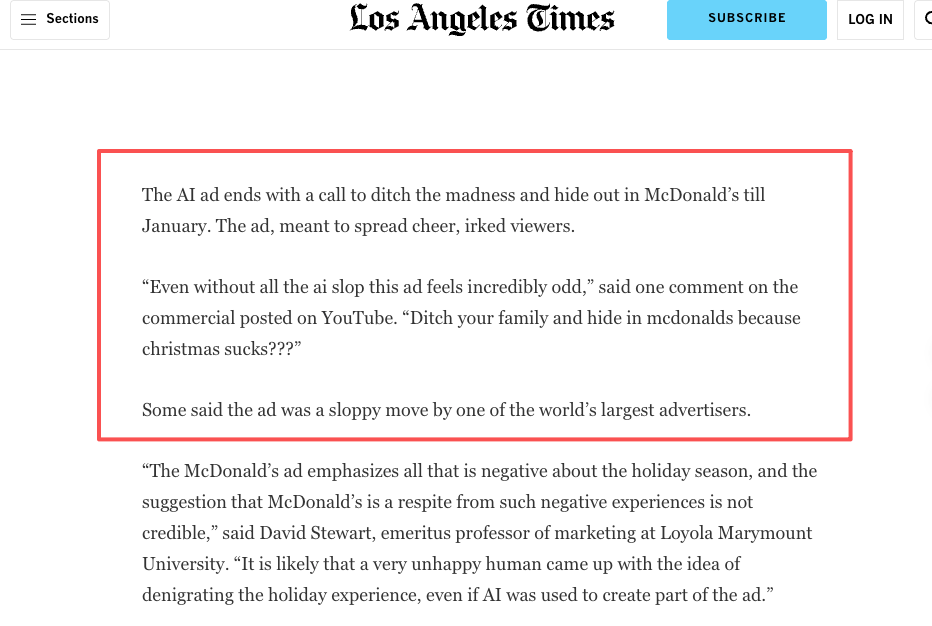
Do not recreate another brand’s assets. The temptation is real — “let’s do a Coke-style truck” — and it’s a trap. The LA Times covered how fast the McDonald’s spot turned toxic, and you don’t have a PR team to absorb that kind of week. Borrowing a famous campaign’s look also drags you straight into trademark and brand-confusion territory (more on that below).
And don’t copy the strategy of “go viral by being controversial.” A global brand can eat a bad news cycle. Your client usually can’t.
Disclosure, Trademark, and Brand Safety Notes
Two habits I won’t skip. First, label AI-generated visuals when they could be mistaken for real people, real events, or real endorsements — it’s cheap insurance and increasingly expected by both platforms and regulators. Second, never drop a real brand’s logo, mascot, slogan, or a recognizable person’s likeness into an AI ad you don’t have rights to. “The AI made it” has never been a defense, and it won’t start being one.
FAQ
Why did AI-generated brand ads go viral?
Mostly through controversy. The Coke and McDonald’s spots spread because people argued about AI replacing human creativity — not because audiences loved the work. Attention isn’t approval, and for a smaller brand the wrong kind of attention sticks.
Can small brands make AI-generated ads?
Yes — and honestly you’re better positioned than the giants. You can experiment without torching decades of brand equity. Keep budgets small, disclose AI use clearly, and stay away from imitating recognizable brand assets.
What legal risks come with AI-generated ads in 2026?
This is the part everyone skips, so read it slowly. The real exposure:
- Trademark infringement. Putting another brand’s logo, mascot, or trade dress into your ad — even as “homage” — can trigger infringement and dilution claims. Just don’t.
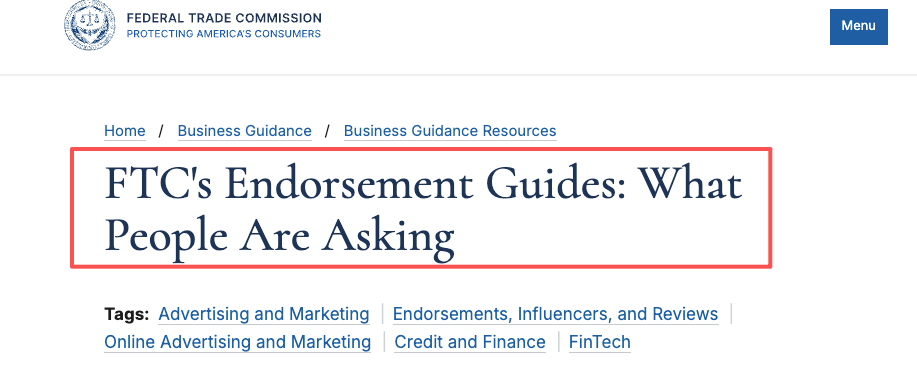
- False endorsement and right of publicity. Generating a celebrity’s face or voice without consent is its own category of trouble. The FTC’s Endorsement Guides require endorsements to reflect a genuine opinion, and deepfake-style endorsements without consent can draw both federal and state action.
- Copyrighted source material. If your output closely mirrors a protected character, artwork, or song, you can inherit a copyright fight you didn’t sign up for.
- Platform ad policies. Meta, Google, and TikTok all have AI-disclosure and synthetic-media rules; breaking them gets ads rejected or accounts flagged.
- Consumer-deception exposure. If AI content misleads buyers, ordinary deceptive-practice law applies. There is no “AI exemption” — synthetic content is held to the same standard as anything you’d shoot on a real set.
My rule of thumb: if it would be illegal shot on camera, it’s illegal generated.
Should creators disclose AI-made ad visuals?
When it matters, yes. If a reasonable viewer might think it’s real footage, a real endorsement, or a real event, disclose it. US and EU regulators are both converging on a “clear and conspicuous” standard — a hashtag buried among ten others won’t cut it.
Conclusion
The biggest of the viral AI ad lessons is also the dullest: AI changes the cost of making ads, not the standard for a good one. A weak idea generated in an afternoon is still a weak idea — now it just arrives faster. Use AI where novelty and speed genuinely help, keep your hands on the edit, steer clear of other brands’ assets, and disclose when it counts. Want a low-risk first move? Make one AI ad for a made-up product this week — all the practice, none of the brand exposure. Then drop your results in the comments; I want to see what broke.
Previous posts: