The rankings move faster than you can test them. Here’s how I actually read them.
Hi, my friends, Dora here. I keep a text to video leaderboard open in a browser tab the way other people keep their inbox open. Last month it told me a model I’d never heard of — HappyHorse-1.0 — was suddenly #1. By the time I went to try it, the thing had pulled itself off the platform before Alibaba even confirmed it was theirs. That’s AI video in 2026: the top spot changes weekly, and “best” depends entirely on what you’re making. So this is less a trophy list and more how I’d read a text to video leaderboard as someone who actually has to ship.
Quick take: No single model wins. For motion realism you can run locally, Wan 2.2. For fast drafts with audio baked in, LTX-2.3. For top-tier polish through a clean interface, Kling 3.0 or Runway. The leaderboard tells you who’s hot; your project tells you who’s right.
How Text-to-Video Models Should Be Ranked
Most leaderboards collapse a model into one number — an Elo score from blind votes on short clips. People watch two anonymous videos from the same prompt, pick the better one, and the rating updates like a chess score. It’s honest. It’s also blunt.
Here’s my problem with reading a text to video model ranking that way: a clip that wins a five-second popularity contest isn’t the same as footage that survives a real edit. The vote rewards the prettiest single shot. Your project needs the clip that holds character identity across three cuts, exports at the right aspect ratio, and doesn’t cost you ten re-prompts to land. Those are different questions — and a single Elo column answers maybe one of them.
So I treat the public number as a starting filter, not a verdict. Top of the board means “worth my time to test.” It does not mean “use this.”
Leaderboard Criteria for Creators
When I rank models for myself, I score four things. None of them is “which clip looked coolest in isolation.”
Prompt fidelity
Does it give you what you typed — or what it felt like making? I ran a two-subject prompt (“a dog and a child running toward camera, golden hour”) through several models in June 2026. LTX-2.3 nailed it on the second try. Wan 2.2 dropped one subject on three runs straight. If your prompts are simple, this barely matters. If you write dense, multi-element scenes, it’s the whole game.
Motion quality
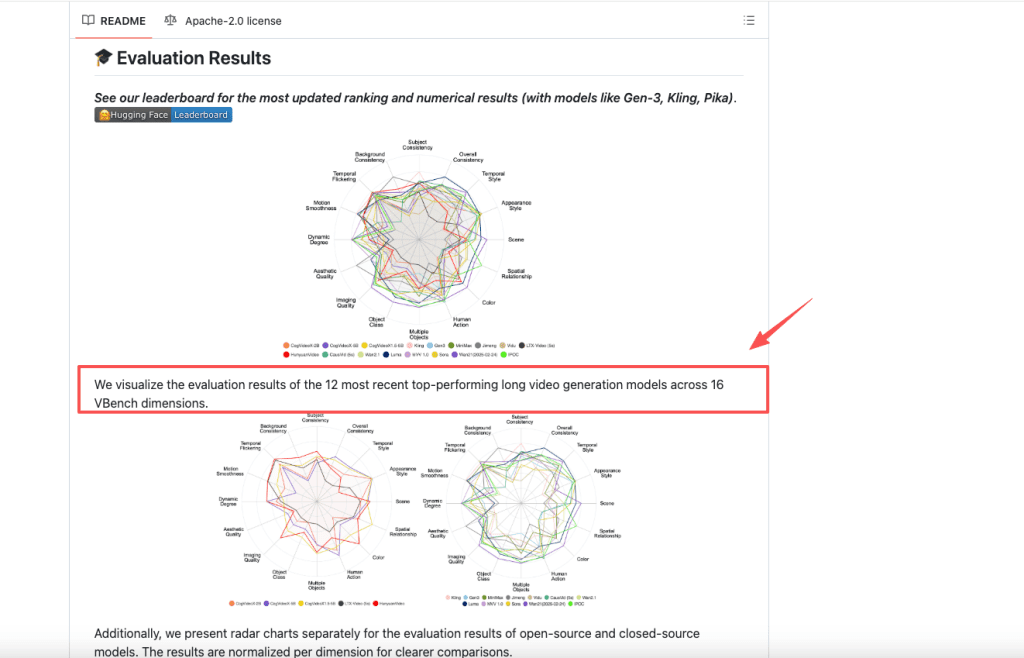
This is where models split hard. Wan’s motion has physical weight — bodies move like they have mass. LTX is snappier but sometimes floaty, like everything’s slightly underwater. This is also what academic benchmarks try to capture: VBench breaks “quality” into 16 separate dimensions, including motion smoothness and temporal flicker, and the Wan series consistently sits near the top of the open-weight pack there. It’s a solid ai video generation benchmark — just remember it scores standardized prompts, not yours.
Scene consistency
The hard part of video isn’t one frame, it’s keeping subjects and lighting coherent over time. In my tests, Wan 2.2 started drifting on face identity past about the 6-second mark; LTX held steadier on longer outputs. Making 3-second social loops? Ignore this. Cutting a 15-second narrative? It’ll make or break you.
Access & workflow fit
The criterion nobody puts on a leaderboard, and the one that decides most of my real work. Can you even get the model? Does it do native 9:16, or are you cropping down from landscape and losing resolution? Does it generate audio in the same pass, or is that another tool and another tab? A “worse” model you can actually run beats a “better” one stuck behind a waitlist. Every time.
Current Model Tiers to Compare
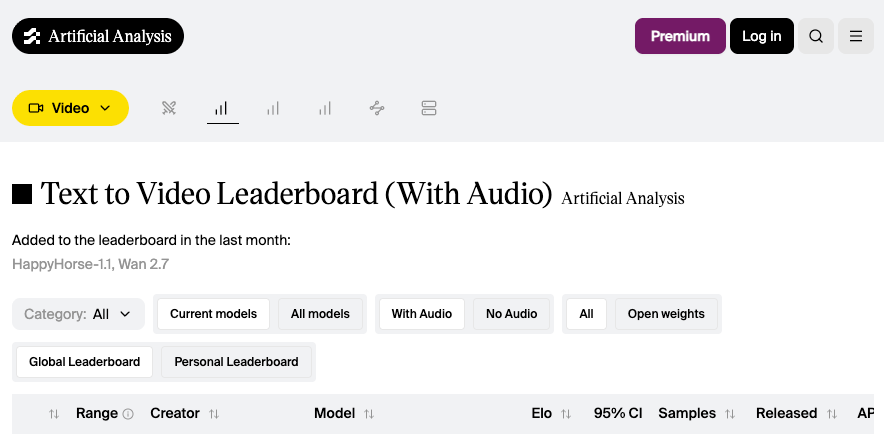
Here’s how I’d group the top video generation models right now — by what you’d actually reach for, not just arena score. Positions shift constantly, so check the Artificial Analysis text-to-video arena for the live order.
| Tier | Models | What it’s for |
| Arena leaders (closed) | Seedance 2.0, HappyHorse-1.0, Kling 3.0, Veo 3.1, Runway Gen-4.5 | Peak quality, polished UI, pay per use |
| Open-weights you can run | Wan 2.2, LTX-2.3, HunyuanVideo 1.5 | Local control, no per-clip fees, customizable |
| Speed & iteration | Pika, Luma, LTX-2 Fast | Fast drafts, social volume |
A few honest notes. Kling 3.0 is my pick when quality comes first and I don’t want to self-host — its motion feels like a directorial choice, not a guess. Runway still has the best control surface of anyone: motion brushes, reference-image consistency. Veo 3.1 is the one model generating genuine synchronized dialogue, not just ambient sound.
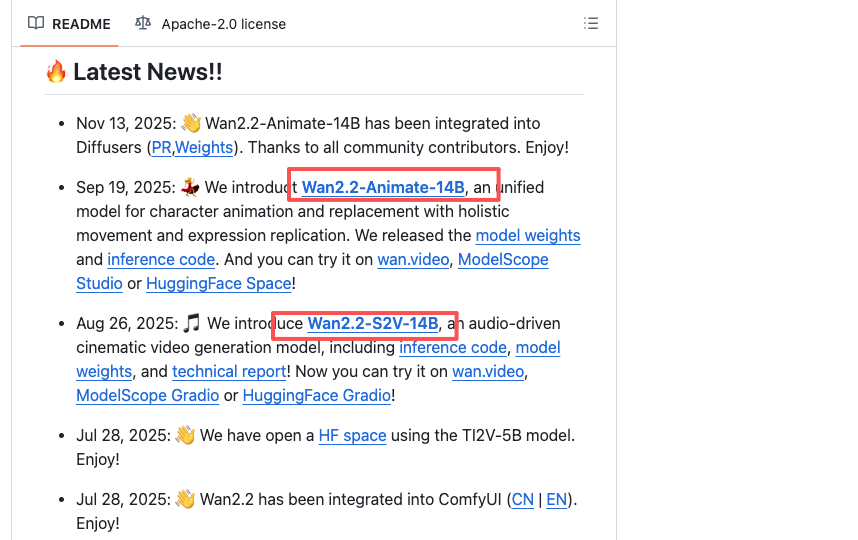
On the open side, this is where I spend most of my time. Wan 2.2 is the motion-realism leader you can run on a single RTX 4090, fully open under Apache 2.0 — the official Wan 2.2 repository has the weights and ready-made ComfyUI workflows. LTX-2.3 trades a little realism for speed, native portrait, and one-pass audio.
A leaderboard can show where a model performs well, but it cannot tell you how many retries, repairs, crops, and approval rounds your own project will need. For a narrower production test, see our LTX 2.3 vs Wan 2.2 comparison for creator workflows.
One clarification, because people keep lumping it in: Chroma isn’t a text-to-video model. It’s an open-weight image model (FLUX-based). I use it to generate a clean first frame, then push that still into an image-to-video model like Wan. Great companion — wrong tool for typing a prompt and getting a clip. If someone sells you Chroma as the best text to video ai, they’re quietly mixing up two categories.
What Benchmarks Miss for Real Projects
Remember HappyHorse-1.0 — the model that hit #1 and vanished? That’s the cleanest example of what a benchmark misses. It topped the rankings, then wasn’t publicly usable. A score you can’t act on is trivia, not a recommendation.
Two more gaps. Arena clips get generated from clean, model-friendly prompts — not the messy brand brief a client sends at 5pm. And the platforms disagree with each other: Artificial Analysis and the llm-stats video generation arena regularly show different leaders the same week, because they use different prompts, vote pools, and rating math.
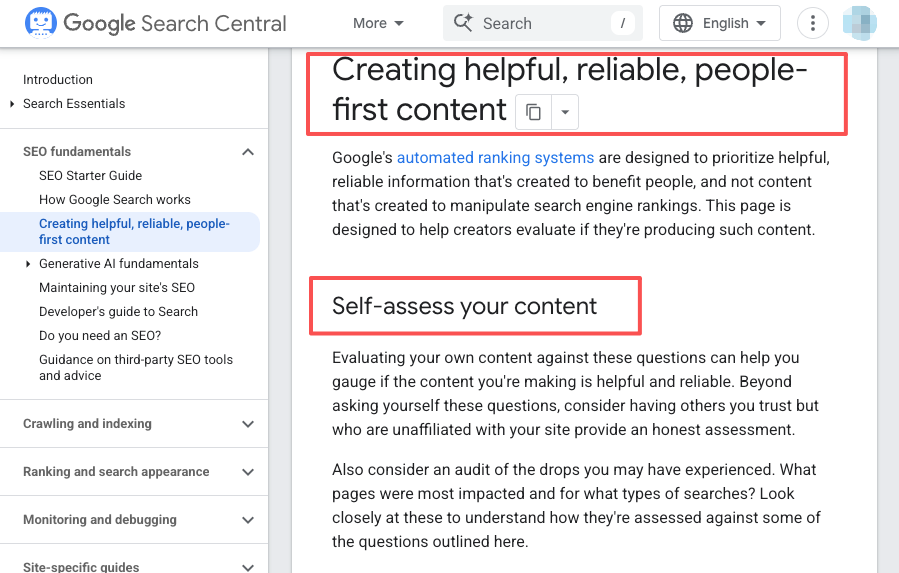
There’s also the thing benchmarks can’t score at all: whether the output feels real. Google has been openly rewarding content with genuine first-hand experience, and audiences do the same with video — a technically high-scoring clip that still reads as “an AI made this” loses anyway. No leaderboard has a column for that.
Which Model Fits Which Workflow
Strip away the scores and it gets simple.
Shipping vertical social content daily? LTX-2.3 — native 9:16 and one-pass audio save real steps. Cutting a narrative or cinematic piece where every camera move matters? Wan 2.2 if you’re local, or Runway if you want motion brushes. Need top-tier quality with zero setup and don’t mind paying? Kling 3.0. Brand-new and just want one clip without melting a GPU? A hosted free tier like Luma is the gentlest on-ramp. Talking-head explainer with real spoken dialogue? Veo 3.1.
Notice none of those answers is “whatever’s #1 this week.”
FAQ
Why do leaderboards disagree?
Mostly methodology. Some boards use Elo; others use TrueSkill, a more conservative rating that docks a model for uncertainty until it has enough votes. They also split results by whether audio is judged — a model can lead “with audio” and trail “without,” because synced sound sways human voters. Stack different prompt sets, different voter pools, and a lag where weights update faster than public scores, and two honest leaderboards land on two different #1s on the same afternoon.
What to test beyond benchmark clips?
Run your own five-prompt gauntlet before trusting any ranking. Mine: one real brand prompt, one two-subject scene (tests fidelity), one 10-second clip (tests drift), one export at my actual aspect ratio, and a re-prompt count — how many attempts to get a keeper. That last number is the true cost of a model, and no public board tracks it. It takes 20 minutes and tells you more than a month of Elo watching.
When is access more important than quality?
Whenever a deadline or a constraint is non-negotiable. Client work on a tight turnaround needs a model that’s actually up right now, not one behind an invite list. Footage you can’t legally send to a third-party server pushes you toward local open weights. And anything commercial means reading the license before you fall in love with a clip — a gorgeous output under a research-only license is unusable, and that detail never shows up on a leaderboard.
How often to revisit model choices?
I do a real re-test once a quarter, plus a quick look whenever a model I already rely on ships a major version. Chasing every weekly drop is a productivity trap — most releases don’t change my workflow at all. The quarterly cadence catches the genuine shifts without turning model-hopping into a second job.
Conclusion
If there’s one habit worth stealing, it’s this: treat any text to video leaderboard as a shortlist, not an answer. The board tells you which five models are worth an afternoon. Your own prompts, your own aspect ratio, and your own re-prompt count tell you which one to actually use.
So open the live rankings, pull the top three, and run your real project through each. The model that survives that — not the one with the shiniest demo reel — is your winner this month. Next month you’ll probably do it again. That’s just the pace right now, and honestly, that’s the part I like.
Previous posts: