
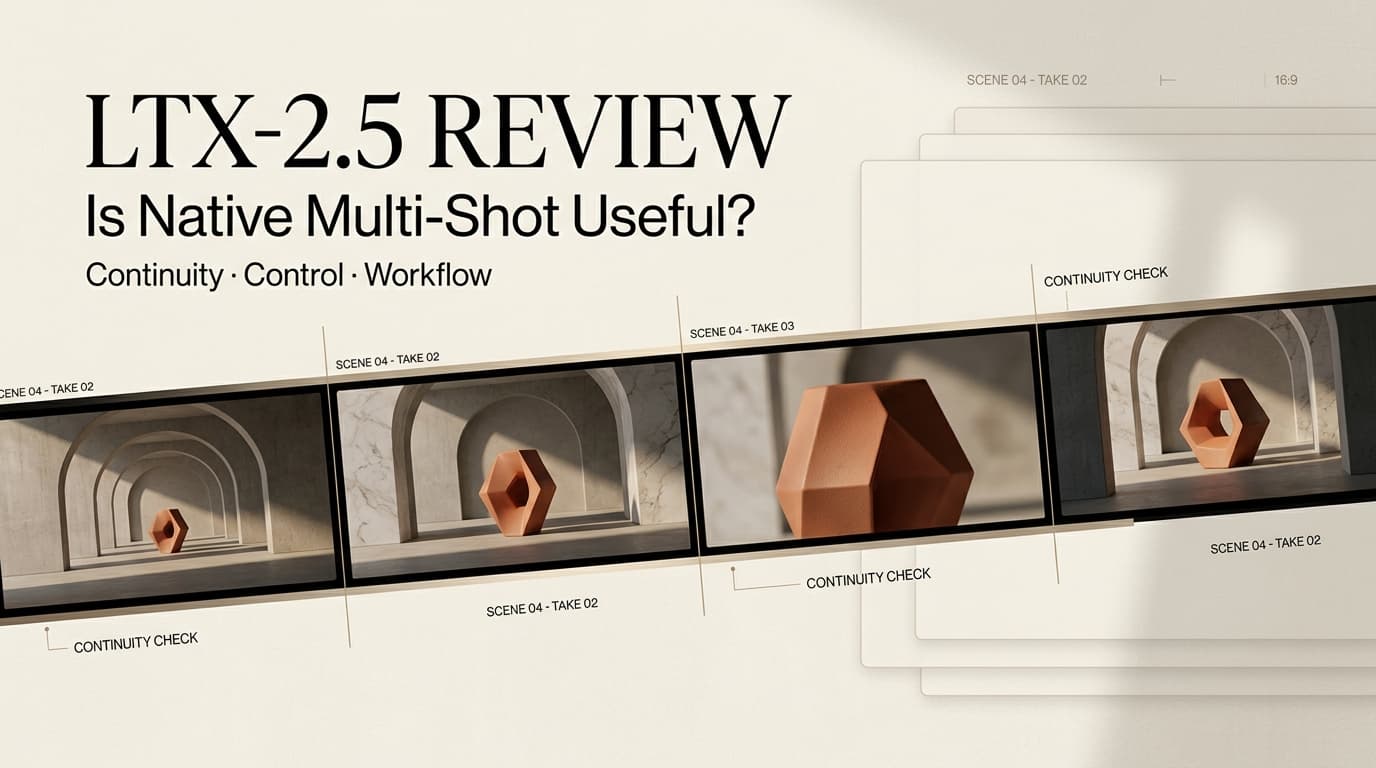
This LTX-2.5 review is written for creator teams deciding whether native multi-shot video is a real production advantage or just a cleaner demo phrase. As of August 14, 2026, public official material I could verify still centers on LTX-2 and LTX-2.3, so any LTX-2.5-specific claims must be checked against the live model card and license before publication. The practical question is simple: does the newer workflow reduce scene stitching, audio repair, retakes, and prompt management enough to matter?
Quick Verdict for Creator Teams
LTX-2.5 is most interesting if native multi-shot video lets a team describe connected scenes in one structured generation flow instead of producing separate clips and rebuilding continuity in editing. That could help short-form ads, explainers, music-led concepts, and story-based creator content. But this should be treated as a workflow review framework, not a hands-on benchmark. Until the final LTX-2.5 release files are checked, teams should avoid claiming better quality, lower cost, easier hardware, or broader commercial rights than official sources confirm.
What LTX-2.5 Changes From LTX-2.3
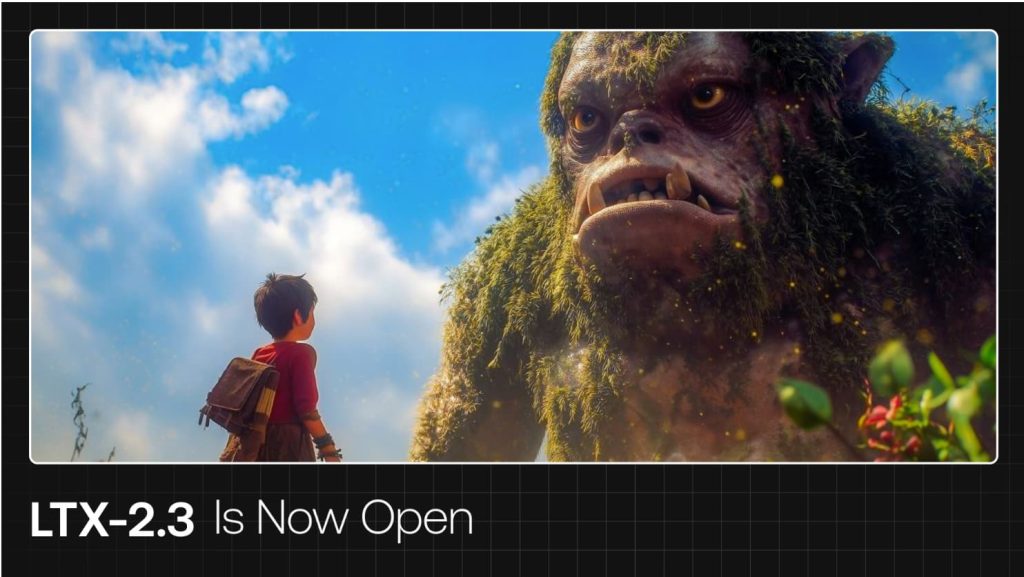
The current baseline is important. LTX-2.3 model details describe an open-weight audio-video foundation model with improved audio, visual quality, and prompt adherence compared with LTX-2. The value of LTX-2.5 should therefore be judged against that baseline, not against older single-shot workflows from early AI video tools.
Native Multi-Shot Generation
Native multi-shot generation should mean more than generating a longer clip. For creators, it should preserve intent across cuts: the same character, location logic, product state, lighting direction, and audio rhythm. The key test is whether a three-scene prompt produces a usable sequence or whether each scene still needs to be regenerated, trimmed, and manually joined. If the model only hides the same editing burden inside a longer output, the workflow gain is smaller than the headline suggests.
The Updated Open-Weight Production Stack
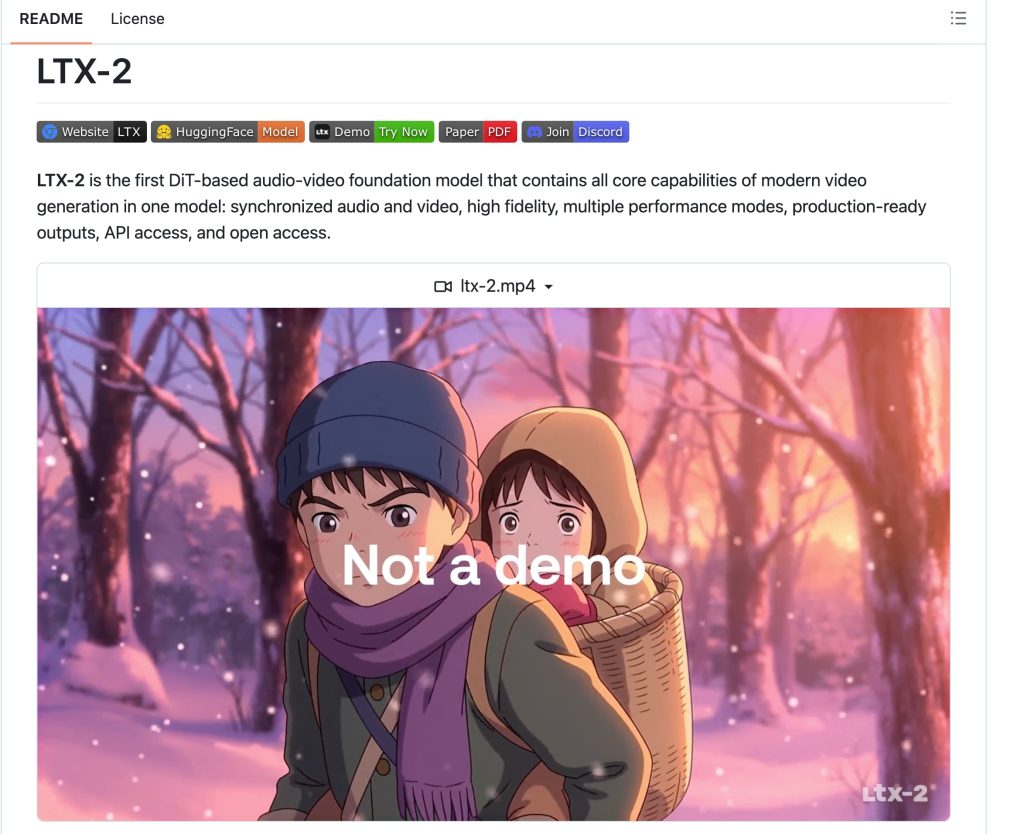
Open-weight AI video matters because technical teams can inspect files, run local tests, and build repeatable pipelines. The LTX-2 codebase is organized around core model implementation, high-level pipelines, and training tools, which makes it more production-oriented than a closed web-only generator. For LTX-2.5, the same question remains: does the updated stack help teams version prompts, reproduce results, and hand work to editors without turning every project into an engineering task?
Evaluate Its Real Workflow Value
A useful LTX-2.5 workflow should reduce coordination cost. In real production reviews, the pain is often not one weak clip. It is the time spent aligning scene one with scene two, matching soundtrack timing, fixing a product shot that changes shape, and explaining to a client why the storyboard no longer matches the export.
Connected Scene Planning and Prompt Load
Native multi-shot generation can either simplify prompting or make it more fragile. A one-shot prompt can be short. A multi-shot prompt needs scene order, camera intent, subject continuity, transition logic, and sometimes timing cues. The test is whether LTX-2.5 accepts that structure cleanly. A creator team should compare one multi-shot prompt against separate scene prompts and record which path creates fewer retakes.
Audio-Video Continuity Across Cuts
LTX’s audio-video direction is meaningful because LTX-2 audio-video generation is designed around synchronized video and audio inside one model. For LTX-2.5, the important review question is whether audio continuity survives scene changes. Dialogue, ambient sound, music energy, and cut timing should support the sequence. If the audio resets awkwardly between shots, editors still need a separate sound pass.
Review Output Quality Without Overclaiming
Do not judge LTX-2.5 from selected showcase clips alone. A fair review set should include easy, medium, and uncomfortable prompts: a talking creator in one room, a product moving through different environments, and a story sequence with changing camera distance. The goal is not to prove perfection. It is to find where the model breaks predictably.
Character, Environment, Lighting, and Voice
Character consistency should be checked frame by frame, not only at thumbnail level. Look for face drift, changing wardrobe, altered product details, lighting jumps, and voice mismatch after a cut. In a product promo, a bottle that changes label shape across shots is not a small artifact. It can make the output unusable for client review.
Selection, Retakes, and Editing Burden
The hidden cost is selection. If one multi-shot output gives two strong scenes and one broken scene, the editor still has to decide whether to salvage it or regenerate the whole sequence. A good native multi-shot video workflow should reduce the number of retakes per approved sequence. Teams should track accepted clips, rejected clips, reasons for rejection, and edit time before calling it a production win.
Access, Hardware, and License Trade-Offs
This section must be checked again at publication. This article is not legal or license advice; commercial use, redistribution, fine-tuning, derivatives, and client delivery boundaries depend on the current official terms.
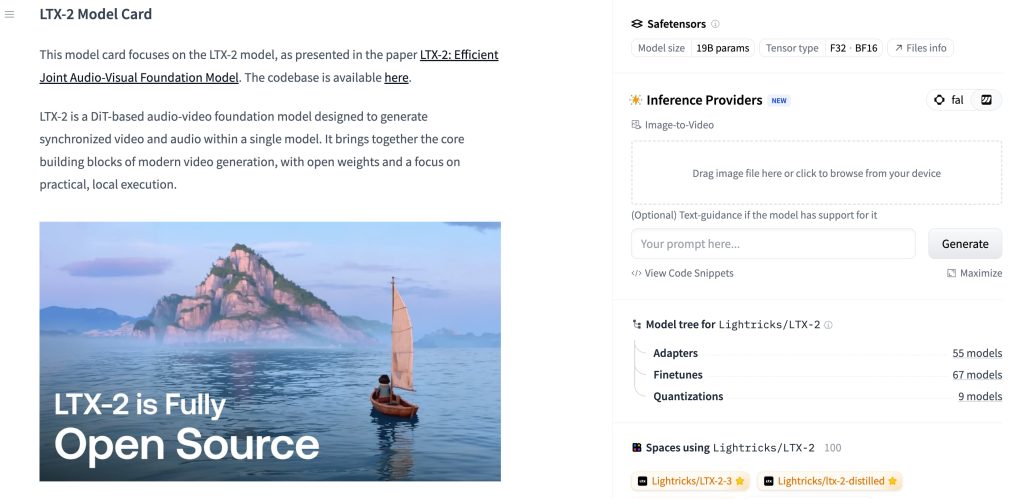
The known LTX-2 family is not lightweight casual software. The LTX-2 Hugging Face material lists large checkpoints, local execution guidance, CUDA requirements, and dimension constraints. The LTX-2 community license also needs careful reading before commercial use or redistribution. If LTX-2.5 follows a similar pattern, teams should budget for hardware, storage, engineering setup, license review, and fallback cloud rendering.
Where LTX-2.5 Fits in a CrePal-Led Production
In a CrePal-led production, LTX-2.5 should be treated as one generation option inside a larger AI video workflow, not the whole production system. The practical flow starts with script intent, then storyboard logic, shot planning, model selection, generation, music, editing, review notes, and export management. No direct LTX-2.5 integration should be assumed unless verified on the current product surface. The useful role is narrower: LTX-2.5 may help generate connected draft scenes that can then be reviewed, compared, and edited alongside outputs from other models.

FAQ
How should teams version prompts that contain several scenes?
Use one master prompt record with scene labels, revision dates, model version, seed, settings, and acceptance notes. When one scene changes, create a new version instead of overwriting the old prompt.
Who should own the master seed and settings record?
A producer or technical lead should own the master record. Editors can annotate results, but one person needs responsibility for preserving the settings that make a run traceable.
What files belong in an LTX-2.5 handoff package?
A handoff package should include approved proxies, source prompts, settings, seeds, selected outputs, rejected-output notes, license review status, audio notes, and editing instructions.
Can external editors review proxies without running the model?
Yes. External editors can review compressed proxies, timecoded notes, and approved exports without installing the model. That is often better for client safety and workstation consistency.
Should clients receive the full local generation setup?
Usually not, unless the contract requires technical transfer. Most clients need approved outputs, source records, rights notes, and revision history, not the full local environment.
Conclusion
LTX-2.5 could be valuable if native multi-shot generation reduces the real work behind creator video: planning connected scenes, maintaining character and audio continuity, and lowering retake pressure. The cautious verdict is that teams should test it as a workflow improvement, not just a quality upgrade. If the final official LTX-2.5 model card, license, hardware guidance, and multi-shot examples support the claim, it may become a useful open-weight AI video option for multi-scene production. Until then, evidence should lead the review.
Previous Posts:





[…] LTX-2.5 Review 2026: Is Native Multi-Shot Useful? How Creators Use Seedance to Make AI Videos Seedance Studio Review: Is It a Complete AI Workspace? AI Video Workflow: From Brief to Final Cut Script Visuals for AI Generation Workflow […]
[…] LTX-2.5 Review 2026: Is Native Multi-Shot Useful? Seedance Studio Review: Is It a Complete AI Workspace? Seedance Studio vs Higgsfield Cinema Studio AI Video Review Checklist Before Export AI Video Workflow: From Brief to Final Cut […]