I didn’t plan to lose a weekend to this. I was testing a new image model — early 2026, the latest build — and a prompt that should’ve been harmless came back flagged. That sent me down a rabbit hole: how does an NSFW AI art generator actually work, and where are the lines you really don’t want to cross? I’ve tested enough of these to have opinions, and I’ll be straight with you — the nsfwai art space is messier than the hype makes it sound. Quick disclosure first: not sponsored, just me poking at tools and reading the fine print.
I’m Dora. So here’s the deal. If you’ve been searching “ai art nsfw” and getting either breathless hype or scary headlines, this is the middle path. I’ll walk through what these tools do, the main categories, how to control prompts without making claims you can’t back, and — the part that actually matters — content boundaries and consent. No explicit prompt recipes here. Just the map, drawn by someone who’s wandered it.
The 30-second version: these tools come in three flavors — hosted apps, local models, and editing workflows. Hosted is easiest but heavily restricted; local gives more control but the license still binds you; editing carries the sharpest consent risk. Two rules override everything else: no minors, ever, and no real people without consent. Get those wrong and you’re not facing a content strike — you’re facing the law. The rest of this is detail.
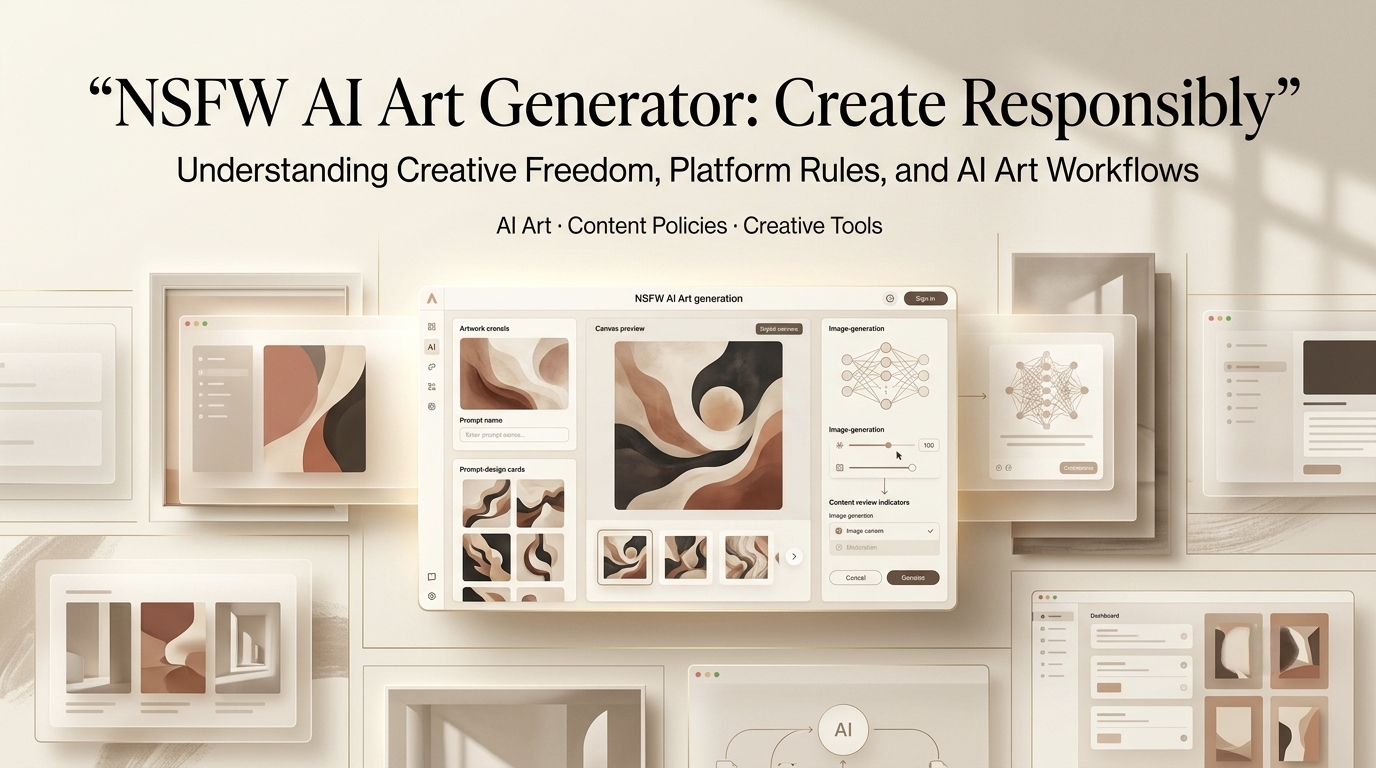
What an NSFW AI Art Generator Does
At its core, one of these tools takes a text prompt (or an existing image) and returns mature or adult visuals. “NSFW” just means “not safe for work,” which is a huge bucket — it stretches from mildly suggestive all the way to explicit. Some tools run in the cloud. Some run on your own machine. The output quality and the rules differ wildly between them, and that gap is the whole story.
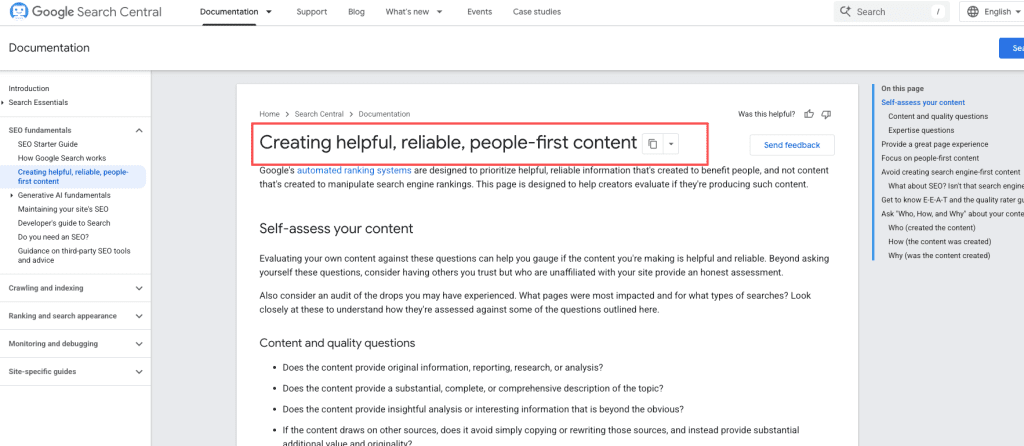
Here’s something people skip past: search engines and platforms increasingly reward creators who show real, first-hand experience and handle sensitive topics with care. Google’s own guidance on creating people-first, helpful content leans hard on demonstrated experience and trust. For a topic like this one, that means being upfront about risk instead of pretending it isn’t there. So before any tool list — this isn’t about hunting for a loophole. It’s about knowing the terrain so you don’t step on a landmine.
Tool Categories for Mature AI Art
Broadly, three buckets. Each one trades off ease, control, and risk in a different way.
Hosted generators
These are the web apps — sign up, type, generate. Easiest entry point by a mile, and yes, a free nsfw ai art generator tier usually exists as a way to test the water. I’ll stay vague on purpose: free access is real, but the limits attached to it change constantly, so treat any specific number you read online as already out of date. Check the tool’s own page the day you sign up, not a blog post from six months ago.
The catch I keep running into: most polished, well-funded hosted tools restrict or ban explicit output outright. When I tested a handful in early 2026, the strictest ones were exactly the platforms with the biggest legal teams. Not a coincidence.
Local image models
Run a model on your own GPU and you get far more control — no per-image gatekeeping, full say over settings, faster iteration. This is where a lot of the serious nsfw ai image creator work happens. But “local” does not mean “lawless,” and that’s the trap. The license still binds you. Stability AI’s Acceptable Use Policy, updated in mid-2025, limits its technology to adults and prohibits sexually explicit content, non-consensual imagery, and anything involving minors — even when you’re self-hosting the weights. Other model providers carry their own terms. Read them before you assume you’re free. “I ran it offline” is not a defense when the content itself is illegal.
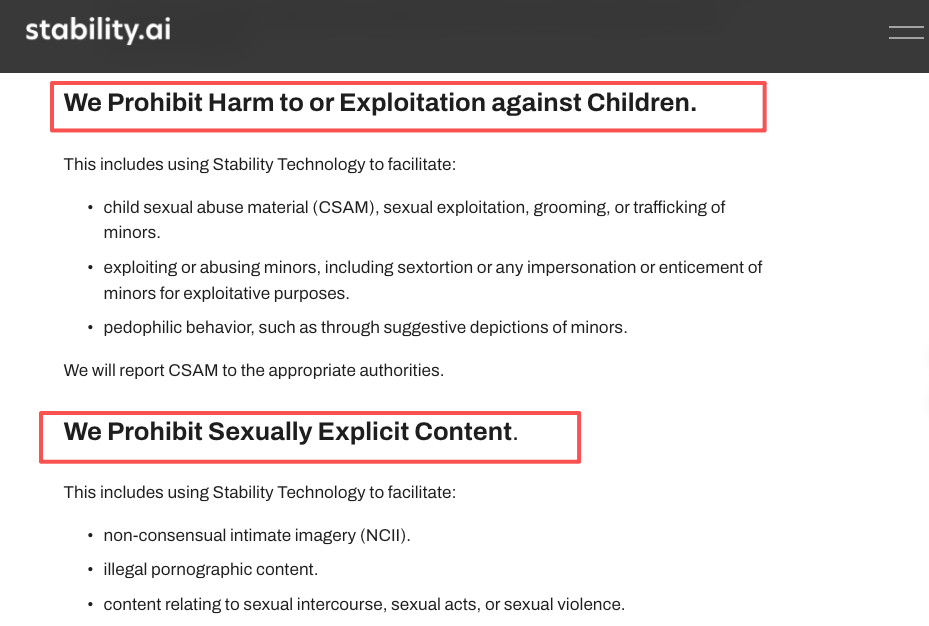
Image editing workflows
The third bucket isn’t generation from scratch — it’s editing. Inpainting, style transfer, cleaning up or altering an existing image. Powerful stuff, and where a lot of the subtle, high-quality results come from — when I tested editing tools, the ones that let me adjust a single region without re-rolling the whole image saved me real time. But it’s also the highest-risk category by a wide margin. The second you edit a photo of a real person into something sexual without their consent, you’ve left “art” entirely and walked into a serious legal and ethical violation. It doesn’t matter that the original photo was public, or that you “only” changed part of it. I’ll get to why in a minute — it’s the part I care about most.
Prompt Control Without Unsafe Claims
Two things people get wrong with prompts, and neither is about the prompt itself.
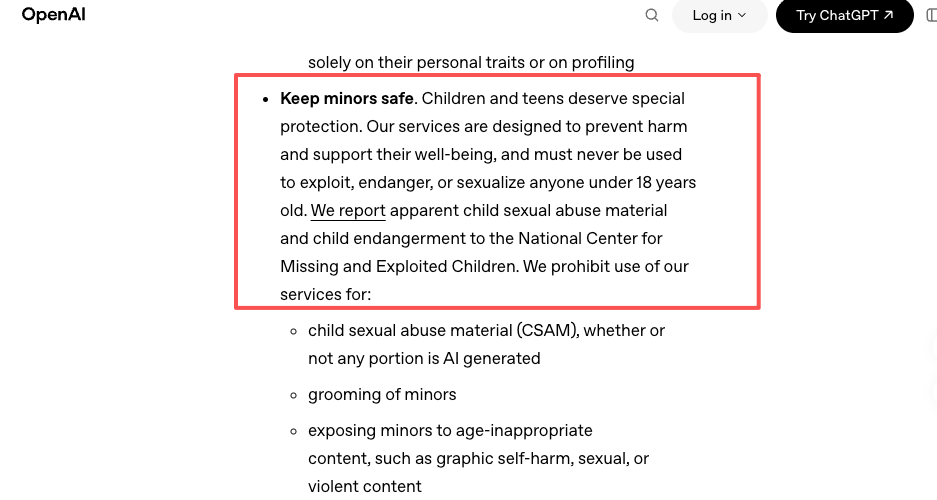
First — overpromising. Claiming a tool “has no filters” or “does literally anything.” It doesn’t, and saying so in your captions, your marketing, or your site copy is a fast way to get an account or a domain nuked. If you build on someone else’s API, their rules are your ceiling, period. OpenAI’s usage policies, for instance, were tightened across products in late 2025: hard lines around sexual content on shared surfaces, and an absolute, no-exceptions ban on anything involving minors. Whatever the platform says today is what you’re held to today.
Second — disclosure. If your output looks photoreal, label it as AI. I’m not going to drop explicit prompt recipes here, because that’s not the point and it ages badly. The practical move is to steer style, lighting, and composition with neutral descriptors, keep one eye on what the platform actually permits, and never imply your AI art is a real photograph of a real person. That last one isn’t a style tip. It’s a legal one.
Content Boundaries and Consent Risks
Okay. This is the section that isn’t fun, and it’s the one I’d genuinely lose sleep over if I got it wrong.
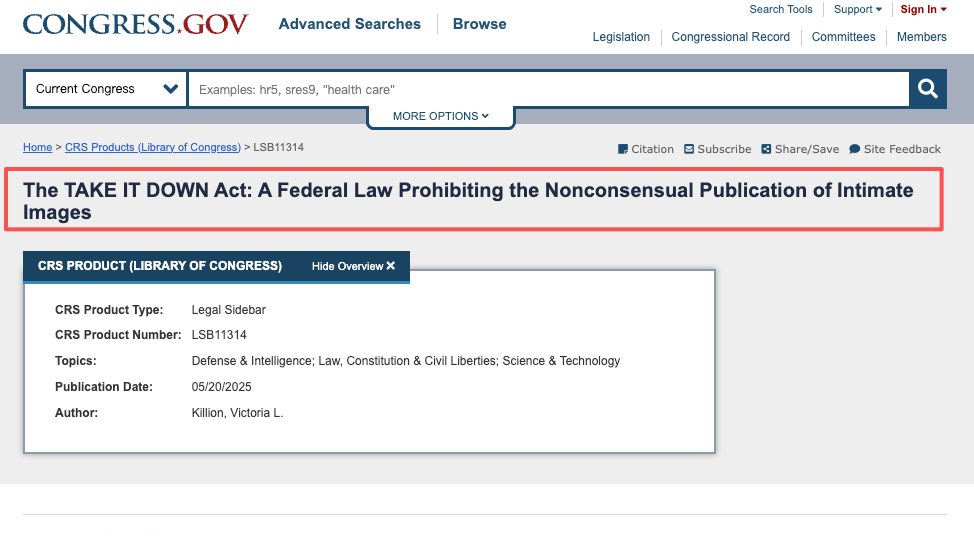
Two lines you never cross. One: anything involving minors. Full stop, no fictional carve-out, no “but it’s drawn.” Every serious platform reports this to authorities, and there is no version of it that’s okay. Don’t go near it. Two: real people without consent. Generating or editing sexual imagery of an identifiable person who never agreed isn’t an edgy gray zone — in the US, it’s now a federal crime. The TAKE IT DOWN Act, signed in May 2025, criminalizes publishing non-consensual intimate images, including AI deepfakes, and requires covered platforms to pull reported content within 48 hours, with that removal process fully in force by May 2026.
If you or someone you know gets targeted by this, the Cyber Civil Rights Initiative’s Safety Center has free, survivor-focused resources and a 24/7 helpline. I’m putting that link right here on purpose. The same tools that make art can make harm, and pretending otherwise is exactly how people get hurt. Consent isn’t a footnote — it’s the whole game.
FAQ
What is an NSFW AI art generator?
A tool that creates mature or adult imagery from a text prompt or an existing image. “NSFW” covers a wide range, and the rules differ from tool to tool — what one platform allows, another bans outright. So the label tells you less than the platform’s actual policy does.
How do creators make mature AI art responsibly?
Stick to consenting adults. The subject can’t be a real person who didn’t agree, and never a minor — fictional or not. Disclose AI-generated content, age-gate where it’s required, and follow each platform’s content rules. Those policies shift often, so always check the platform’s latest official documentation rather than trusting a blog post (including this one) for the current line.
What risks come with NSFW AI art tools?
Mostly legal and reputational. Non-consensual imagery and deepfakes of real people are now criminalized in the US, and anything involving minors is prosecuted everywhere. Account bans, takedowns, and civil liability are all on the table. Treat platform terms as binding, and verify them against the official source before you publish anything.
When should creators use safer visual alternatives?
Anytime the work is client-facing, commercial, or tied to a brand. If you’re making marketing, social, or product content, mainstream SFW generators and video workflow tools — CrePal, for one, is built for SFW video creation, not adult content — keep you clear of policy and legal trouble while still letting you move fast. Match the tool to the stakes.
Conclusion
Here’s where I land after all the testing. An NSFW AI art generator is just a tool — the real question is never “which one,” it’s “what am I making, and who could it hurt.” Keep it to consenting adults, never real people without permission, never minors, and read the actual policy instead of a hot take. Do that, and you can experiment without the floor dropping out from under you.
If you want the longer version of the boundaries, I keep a running safety checklist for these tools and a plainer breakdown of what counts as NSFW AI art over in the cluster. I’ll keep testing this stuff — and I’ll keep telling you when something just isn’t worth the risk.
Previous posts: